Nebraska Wildlife Management Areas
Finding public hunting land in Nebraska can feel like cracking a secret code, especially if you're new to the state or don't have private land connections. It’s easy to get frustrated staring at maps, wondering where you can actually legally set foot. This comprehensive guide is here to demystify Nebraska's Wildlife Management Areas, or WMAs, giving you the insider knowledge you need to confidently plan your next hunt on these vital public resources.
Understanding Nebraska's Wildlife Management Areas (WMAs)
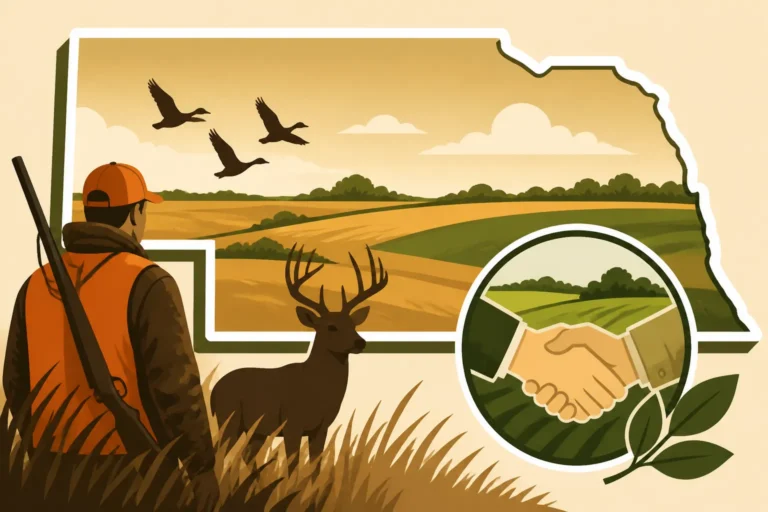
When you're looking for a place to hunt in Nebraska, the term "Wildlife Management Area" is going to come up a lot. These aren't just random patches of ground; they're strategically acquired and managed lands dedicated to wildlife conservation and public recreation, with hunting being a primary focus. Understanding what WMAs are, their purpose, and how they contribute to the broader conservation picture is the first step in appreciating these invaluable resources.
What are WMAs? Purpose, Funding, and Management Goals
Nebraska's Wildlife Management Areas are tracts of land, often diverse in habitat, that have been purchased or leased by the state and are managed by the Nebraska Game and Parks Commission. Their core purpose is twofold: to protect and enhance wildlife habitats for a wide variety of species, and to provide public access for outdoor recreation, predominantly hunting and trapping, but also fishing, hiking, and wildlife viewing. Think of them as dedicated havens where wildlife takes precedence, and hunters play a direct role in funding their existence.
These WMAs are primarily funded through hunting and fishing permit sales, as well as federal excise taxes on hunting and fishing equipment through the Pittman-Robertson and Dingell-Johnson Acts. So, every time you buy a Nebraska Big Game Permits and How to Get One or a Nebraska Habitat Stamp Price, you're directly contributing to the acquisition, maintenance, and improvement of these very lands. The management goals are often specific to the WMA, aiming to optimize habitat for particular species like pheasants, deer, or waterfowl through practices like prescribed burning, food plots, tree and shrub plantings, and wetland restoration. This hands-on management makes a real difference in the quality of hunting you'll find.
The Role of WMAs in Conservation and Public Access
WMAs are absolutely critical for conservation in Nebraska, serving as vital ecological anchors across the landscape. In a state where private land dominates, these public parcels offer crucial refuges and breeding grounds for wildlife that might otherwise struggle to find suitable habitat amidst agricultural development and urban sprawl. They help maintain genetic diversity, provide migratory corridors, and support stable populations of game and non-game species alike.
From a public access standpoint, WMAs are a lifeline for hunters, especially those without private land connections. They represent guaranteed places where you can go afield, scout, and hunt without needing to knock on doors and ask for permission. This democratizes hunting, ensuring that anyone who has a valid permit and follows the rules can participate. For many of us, WMAs are where we learned to hunt, where we took our first deer, or where we chased pheasants for the first time. They are the backbone of accessible hunting in Nebraska, often providing surprisingly good opportunities if you know how to work them.
How WMAs Differ from Other Public Lands
While all public lands offer access, WMAs often have a more direct focus on hunting and wildlife management compared to other types of public ground in Nebraska. For instance, State Parks are generally geared towards broader recreational activities like picnicking, camping, and hiking, with hunting often restricted or highly limited to specific seasons or areas. Nebraska State Recreation Areas and Hunting often have different rules entirely.
Federal lands, such as National Forests like the Nebraska National Forest near Halsey or National Grasslands like the Oglala National Grassland, also provide public hunting, but their management objectives can be broader, encompassing timber, grazing, and recreation in general. WMAs, by contrast, are almost singularly focused on wildlife and hunting. This means their habitat projects are explicitly designed to benefit game animals, and their regulations are usually crafted with hunter safety and opportunity in mind. This specialization often translates to better hunting prospects for the dedicated WMA hunter, even if the land itself might feel a bit wilder and less manicured than a state park.
Navigating WMA Regulations and Rules
Stepping onto a Nebraska WMA requires more than just a hunting permit; it demands an understanding of the rules that govern these specific areas. These regulations are in place to ensure fair chase, promote safety, protect wildlife, and preserve the quality of the hunting experience for everyone. Ignoring them can lead to fines, lost hunting privileges, and a lot of unnecessary headaches.
General Rules to Know
While specific rules can vary between individual WMAs, there are some overarching regulations that generally apply across the board. For example, vehicle access is almost always restricted to designated roads and parking areas. You can't just drive across a field to drop off your gear. This protects fragile habitats, prevents ruts, and ensures quieter hunting conditions. Always look for "Walk-In Only" signs or specific instructions. Camping might be allowed at some WMAs, but it's often limited to primitive camping, or only in designated spots, and typically for a short duration. Always check the specific WMA's regulations, often found in The Nebraska Public Access Atlas.
When it comes to blinds and stands, remember that public land generally means no permanent structures. You'll need portable blinds or treestands that can be removed daily or within a certain timeframe after your hunt. Leaving a stand up year-round is a no-go. Target shooting is often permitted only in designated areas, if at all, to ensure safety and prevent habitat disturbance. And, of course, littering is strictly prohibited – pack out everything you pack in, and then some. These general rules are designed to balance intense public use with the sensitive nature of wildlife habitat, ensuring these areas remain productive for years to come.
Specific Area Restrictions and Seasonal Closures
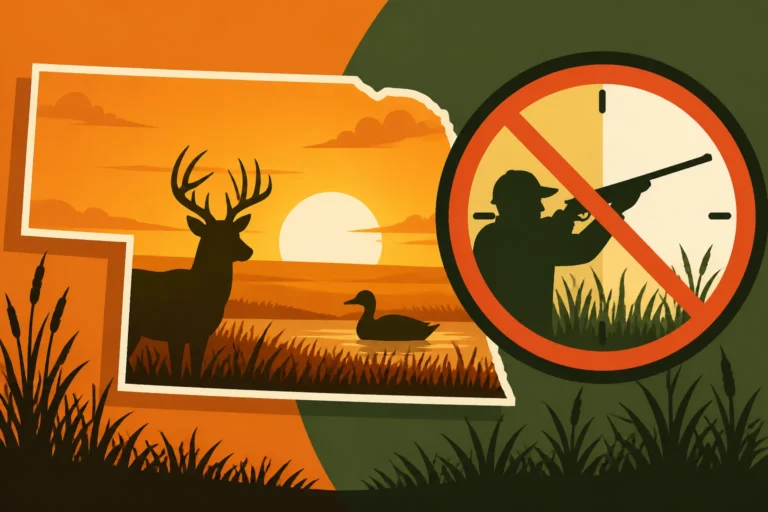
This is where it gets a bit trickier, as not all WMAs are created equal. Some WMAs, particularly those with critical wetland habitats, might have designated refuge zones where hunting is completely prohibited, or access is restricted during certain times of the year to provide undisturbed areas for migrating waterfowl. You'll see these clearly marked on maps within the Public Access Atlas or on boundary signs. Other WMAs might have species-specific restrictions; for example, a particular WMA might only be open for upland bird hunting but not deer, or vice-versa.
Seasonal closures are also common. While some WMAs are open year-round for activities like hiking, hunting seasons dictate when you can actually pursue game. More importantly, some WMAs might have closures outside of hunting season for habitat improvement work, or even special rules during certain periods of high pressure, like the opening weekend of pheasant season. It's crucial to check the most current regulations for the specific WMA you plan to visit, as these can sometimes change from year to year. Utilizing tools like onX Hunt or checking the official Nebraska Game and Parks website can provide real-time updates and detailed maps to help you avoid accidentally trespassing or violating a rule.
Blaze Orange Requirements and Safety
Safety on public land, especially WMAs, is paramount. One of the most important rules to be aware of, particularly if you're a deer hunter, is the blaze orange requirement. During Nebraska's November firearm deer season, and certain other specific firearm seasons, all hunters, regardless of what they are hunting, are required to wear a certain amount of blaze orange. This isn't just a suggestion; it's the law, and it's for your own protection. Nebraska Blaze Orange Square Inches refers to the precise minimum amount of orange you need to display.
Even outside of these mandatory periods, wearing some form of blaze orange or other highly visible clothing is a smart choice, especially in areas known for high hunter traffic. When Orange Requirements for Archers in November come into play, it can sometimes feel inconvenient, but it significantly reduces the risk of accidents. Beyond clothing, practicing fundamental firearm safety – knowing your target and what's beyond it, keeping your muzzle pointed in a safe direction, and treating every firearm as if it's loaded – is non-negotiable. WMAs are shared spaces, and respecting the safety of yourself and others is part of being a responsible hunter.
Finding and Researching WMAs for Your Hunt
Okay, so you understand what WMAs are and the basic rules. Now, how do you actually find one and figure out if it's got the game you're looking for? This is where good research and modern mapping tools become your best friends. Gone are the days of just guessing; with a little effort, you can pinpoint promising areas before you even tie your boots.
Leveraging the Public Access Atlas
The Nebraska Public Access Atlas is arguably the single most important tool for hunting public land in the state. It's a free, annually updated map book that details all public hunting lands, including WMAs, federal lands, and Open Fields and Waters (OFW) tracts. Seriously, get your hands on one. You can pick one up at Game and Parks offices or sometimes at local vendors, or download a digital version. Where to Get the Nebraska Public Access Atlas is a common question, and getting familiar with it is a must.
The Atlas clearly marks WMA boundaries, parking areas, and specific regulations for each site. It also provides important contact information and, crucially, designates refuge areas or specific walk-in only zones. Learning Reading the Nebraska Public Access Atlas effectively will save you countless hours of driving around aimlessly. Pay attention to the legend, identify different land classifications, and cross-reference with other maps to get a comprehensive view. It's not just a map; it's your essential guide to navigating Nebraska's hunting landscape and understanding your legal access.
Digital Mapping Tools
While the physical Atlas is great, digital mapping tools take your research to the next level. Apps like onX Hunt have revolutionized how hunters approach public land. With onX Hunt, you can see property lines, land ownership, WMA boundaries, and even topography directly on your phone or computer. This is invaluable for understanding exactly where you are standing, identifying potential pinch points, or finding those hidden corners of a WMA that might see less pressure.
Many serious hunters also use platforms like GoHunt for more advanced scouting and planning, particularly for big game. While GoHunt might be more geared towards drawing tags in western states, its mapping capabilities and unit-specific information can still be useful for understanding the broader landscape surrounding WMAs. These digital tools allow you to virtually scout terrain, identify cover, water sources, and potential bedding areas without ever setting foot on the property. Being able to access onX Layers for Nebraska Land Status can help you visualize transitions between habitat types or pinpoint remote access points. Downloading maps for offline use is also key, as cell service can be spotty in many remote WMA locations.
Scouting Strategies for WMAs
Once you've done your digital homework, it's time for boots on the ground. Pre-season scouting on WMAs is crucial, especially on highly pressured public land. Don't just show up opening morning; you'll be one of many and likely frustrated. Visit the WMA during the off-season, before things green up too much, to get a clear picture of the terrain. Look for old sign, identify travel corridors, water sources, and potential bedding areas. Pay attention to how the land funnels animals, or where natural barriers might exist.
Aerial intel from mapping apps can guide your scouting efforts, helping you identify heavy cover, natural clearings, or remote corners that are tough to get to. These are often the places where older, wiser animals will hide. Understanding how to use Reading a Cedar Draw for Deer Movement or Reading Sign on a Nebraska Sandhills Two-Track can be invaluable. Think about human pressure too: Where are the parking lots? Which areas are easiest to access? The harder it is to get to, the less pressure it likely sees, and the better your chances might be. Consider your entry and exit routes, making sure they're quiet and won't spook game you hope to hunt later.
Hunting Strategies for Common Game in WMAs
Hunting WMAs successfully often requires a slightly different approach than hunting private land. Because WMAs are accessible to everyone, they tend to experience more hunter pressure. This means game animals, especially deer, can become more nocturnal or seek out thicker cover. But don't let that deter you! With the right strategies, WMAs can offer fantastic hunting opportunities across Nebraska.
Deer Hunting in WMAs
Hunting White-Tailed Deer Across Nebraska or Mule Deer in the Nebraska Sandhills and Panhandle on WMAs means you'll often be dealing with deer that are more wary. Whitetails, especially, learn quickly where pressure is and will adapt their routines. For whitetails in river bottoms or timbered WMAs, focus on thick cover, especially areas that are difficult to access. Deer will often bed down in the nastiest tangles on public land. Look for subtle terrain features like small ridges, creek bends, or even slightly elevated areas that offer a vantage point without being too exposed.
Consider hunting during the week rather than on weekends to avoid crowds. The middle of the day can also be productive, as other hunters moving around might push deer past your stand. Scent control is absolutely critical, as deer on pressured ground are highly sensitive to human odor. Think about your approach and exit routes to your stand, minimizing disturbance. In more open Sandhills WMAs, mule deer can be found. Here, glassing extensively and utilizing terrain to your advantage for a spot-and-stalk approach becomes key. Glassing the Nebraska Sandhills for Mule Deer is a skill you'll want to hone. Remember that on WMAs, you'll need to remove your stand daily or within specific timeframes.
Upland Bird Hunting in WMAs
Nebraska's WMAs offer some fantastic opportunities for upland birds like pheasants, quail, and grouse. For pheasants, focus on WMAs that contain a good mix of heavy cover like cattail sloughs, dense switchgrass, or plum thickets, alongside harvested crop fields or milo stubble. Walking Nebraska Pheasant Cover With a Dog is by far the most effective method. Without a dog, you'll need to be more methodical, often working cover in a grid pattern or with a group to block and drive sections.
Early in the season, pheasants might be found closer to food sources, but as pressure builds and weather gets colder, they'll seek out the densest cover available. Working a Cattail Slough in January can be incredibly productive for late-season roosters, but be prepared for tough walking. Quail hunting in southeastern Nebraska WMAs will focus on brushy draws, shelterbelts, and timber edges. For grouse, particularly sharptails and prairie chickens in Sandhills WMAs, focus on native grasslands, especially those with good forb diversity. Be prepared to walk miles, as these birds cover vast amounts of ground. Look for areas with slight elevation changes or scattered shrubs. Walking Nebraska Sandhills Meadows for Sharptails is often a solitary, rewarding pursuit.
Waterfowl Hunting Opportunities
Many WMAs in Nebraska, especially those located in the Rainwater Basin or along major river systems, are prime waterfowl hunting destinations. These areas often feature managed wetlands, shallow marshes, or oxbow lakes that attract thousands of migrating ducks and geese. The key to success often lies in scouting prior to your hunt to identify where birds are feeding and resting.
For ducks, setting up on a shallow marsh or small pond with a spread of decoys can be very effective. Jump shooting creeks and smaller bodies of water is also an option on some WMAs. For geese, particularly in the fall and winter, focus on WMAs near harvested cornfields where birds are feeding. Setting a Goose Spread in Harvested Corn involves a lot of decoys and good concealment, often in layout blinds. The Rainwater Basin Wetland Access areas are especially renowned for their waterfowl opportunities, but can also see significant hunter numbers. Be aware of nontoxic shot requirements, which are mandatory for all waterfowl hunting and often for all hunting on WMAs or federal refuges. Nontoxic Shot Rules on Nebraska WMAs are strictly enforced.
Dealing with Hunter Pressure and Ethical Considerations
Public hunting land, by its very nature, is a shared resource. This means you're going to encounter other hunters, and sometimes, a lot of them. Learning to manage expectations, adapt your tactics, and uphold ethical standards is crucial for a positive WMA hunting experience.
Managing Expectations on Public Land
One of the biggest frustrations for hunters on public land is the sheer volume of other people, especially during opening weekends or peak seasons. You might arrive at your favorite spot before dawn only to find another truck already there, or hear shooting from multiple directions shortly after legal light. It happens. The first step is to manage your expectations. WMAs are not private leases, and solitude is not always guaranteed.
Instead of getting frustrated, adapt. If your primary spot is taken, have a backup plan. Explore deeper into the WMA; many hunters stick close to parking areas. Consider hunting during weekdays, or even mid-day when most hunters have gone for lunch or called it quits. Opening Weekend Crowds on Nebraska Public Ground are a reality, so planning around them can make a huge difference. Focus on enjoying the opportunity to be afield and the challenge of hunting wary animals, rather than on avoiding other people. Sometimes, another hunter's movement can even push game your way if you're set up strategically.
Ethical Hunting Practices
Beyond the written rules, ethical hunting is about respect: respect for the game, respect for the land, and respect for other users. On WMAs, this is particularly important because it's a shared space. Always strive for a clean, ethical shot to minimize animal suffering. If you wound an animal, make every reasonable effort to Blood Trailing After Dark in Nebraska and recover it. Leaving a wounded animal to suffer is not only unethical but also a waste of a valuable resource.
Cleaning up after yourself is non-negotiable. Pack out all your trash, including spent shell casings, target remnants, and food wrappers. Leave no trace that you were there, except for your boot prints. Consider going a step further and picking up any trash you see left by others. This not only keeps the WMAs clean but also fosters a positive image of hunters. Adhere to fair chase principles; don't use technology or methods that give you an unfair advantage beyond what's legal and accepted.
Sharing the Resource
WMAs are used by more than just hunters. Hikers, birdwatchers, photographers, and even dog walkers utilize these spaces. It's crucial to be courteous and respectful to all users, even if their activities might seem to interfere with your hunt. A friendly wave and a brief explanation of your activity (if appropriate) can go a long way. If you see someone doing something potentially unsafe or illegal, you can report it to Nebraska Game and Parks, but always prioritize safety and de-escalation in direct interactions.
When setting up, try to give other hunters ample space. Don't crowd someone else's spot, and if you hear shots or see a hunter working an area, consider moving to a different section. Awareness of your surroundings and the activities of others prevents conflicts and ensures everyone has a chance to enjoy the outdoors. Remember, the good reputation of hunters on public lands depends on how we conduct ourselves individually.
Gear and Equipment Considerations for WMA Hunting
The varied landscapes of Nebraska's WMAs, from dense river bottoms to wide-open Sandhills, demand adaptable gear. What works for chasing pheasants in a cattail slough might not be ideal for spotting mule deer across vast expanses. Thinking through your equipment choices can significantly enhance your comfort, safety, and success.
Boots and Clothing for Diverse Terrain
Your feet are your most important tool on a WMA, especially if you're pursuing upland birds or still-hunting deer. Good quality, comfortable boots are non-negotiable. For Walking Milo Stubble for Roosters or navigating dense CRP, you'll want sturdy, snake-proof (if applicable to the season) or brush-resistant boots with good ankle support. Waterproofing is essential for dew-soaked mornings or crossing shallow creeks in river bottom WMAs. In the Sandhills, lighter, breathable boots might be preferred for long walks over sandy terrain, but still with good support. Boots for Nebraska Sandhills Walking often lean towards lighter hikers.
Clothing should be layered, reflecting Nebraska's notoriously unpredictable weather. A quiet, windproof outer layer is crucial for open country sits, while breathable base layers will manage sweat during strenuous walks. Don't forget durable brush pants or chaps for busting through heavy cover, protecting your legs from thorns and burrs. And, of course, your Blaze Orange Caps and Vests in Nebraska are mandatory during certain firearm seasons, so make sure they meet the square inch requirements.
Navigation and Communication
In today's world, navigation almost always means a smartphone app like onX Hunt, supplemented by a dedicated GPS unit for backup, especially in remote areas with no cell service. Make sure your phone is fully charged and consider carrying a portable power bank. Download offline maps for all the WMAs you plan to visit before you leave home. This way, you won't get lost even without a signal. GPS Units Versus Phone Apps is often a debate, but having both bases covered is the safest bet.
Communication with hunting partners is vital, especially on a bird drive or when making a deer recovery. Two-way radios can be a lifesaver in areas without cell service. Ensure they're charged and you understand how to use them effectively. If hunting alone, tell someone your exact hunting location and your expected return time. Safety should always be your top priority.
Field Dressing and Game Recovery
Warm early-season temperatures, especially during archery deer or early pheasant seasons, can pose a challenge for game care. Always carry a sharp field dressing knife and gloves. Consider bringing along a small bone saw if you prefer to quarter larger game in the field, which can make a Getting a Deer Out of a Nebraska Sandhills Basin much easier. Game bags are excellent for protecting meat from flies and dirt, especially if you have a long walk out.
For deer taken in warmer weather, rapid cooling is paramount to prevent spoilage. Plan to get your animal field dressed and cooled as quickly as possible, whether that means hanging it in the shade, placing ice packs in the cavity, or immediately transporting it to a processing facility or cooler. Meat Care Gear for Warm Nebraska Openers might include large coolers and plenty of ice, which you'll need to transport home. Having a cart or sled for retrieving deer or multiple birds can save your back on longer drags from deep within a WMA.
Top WMA Regions and What They Offer
Nebraska's WMAs are spread across the entire state, and each region offers unique habitats and hunting opportunities. Depending on what game you're after, certain areas will naturally be more productive or offer a more appealing hunting experience. Let's look at some of the key regions and what you can expect.
Eastern Nebraska
Eastern Nebraska WMAs are often characterized by rolling hills, timbered river and creek bottoms, and a mosaic of agricultural fields. This region is prime River-Bottom Whitetail Hunting in Eastern Nebraska country, offering dense cover, food sources, and travel corridors. WMAs here might be smaller and more fragmented, but they can hold surprisingly good numbers of deer, especially if you're willing to hunt thickets that others avoid. These WMAs are generally more accessible from population centers like Omaha and Lincoln, meaning they can see higher pressure.
Beyond deer, many eastern WMAs offer excellent bobwhite quail hunting, particularly in areas with good shelterbelts and brushy draws. Quail Coveys in Nebraska Shelterbelts are often found here. Pheasants can also be found in the transitional zones between cropland and heavier cover. Waterfowl hunting opportunities exist along the Missouri River and its tributaries, often in smaller managed wetlands. These WMAs demand careful scouting for deer sign and understanding how deer use the available cover in relation to surrounding private land.
Central Sandhills
The Nebraska Sandhills is a truly unique ecosystem, and WMAs within this region offer an unparalleled big-country hunting experience. Here, you'll find vast expanses of native prairie, rolling sand dunes, and numerous small wetlands and lakes. This is prime habitat for Mule Deer in the Nebraska Sandhills and Panhandle, offering challenging spot-and-stalk opportunities in wide-open spaces. Be prepared to cover miles on foot and rely heavily on your optics. Wind and Thermals in the Sandhills play a significant role in how deer move and how you should approach.
The Sandhills WMAs are also renowned for grouse hunting, specifically Greater Prairie-Chickens and Sharptails in Nebraska. Early season grouse hunting on foot across these vast meadows is a truly special experience, requiring stamina and keen eyesight. Waterfowl hunting can be excellent on the numerous natural lakes and potholes, especially for divers and dabblers. Public access here can feel boundless, but it's often remote, requiring careful attention to navigation and vehicle preparation for sandy two-track roads. Getting Stuck in Sandhills Sand is a real possibility.
Panhandle and Pine Ridge
The Nebraska Panhandle and Pine Ridge region offers a dramatic change in scenery from the rest of the state, with rugged buttes, ponderosa pine forests, and deep canyons. WMAs in this area are some of the most scenic and offer diverse hunting. This is the primary region for Nebraska's Elk Herds and Where They Live, though permits are extremely limited for residents. Bighorn Sheep in the Nebraska Pine Ridge also call this area home, but again, permits are lottery-based and rare.
For deer hunters, both mule deer and whitetails can be found here. Mule deer often inhabit the more open, rugged terrain and pine-covered hillsides, while whitetails stick to the creek bottoms and more agricultural fringes. Hunting Mule Deer in the Nebraska Pine Ridge involves steep climbs and careful glassing. Sharptail grouse are also present in the more open, grassy areas of the Pine Ridge. These WMAs can be physically demanding but offer some of the most rewarding hunting experiences in the state. Hunting the Wildcat Hills Rimrock or the public ground around Chadron and Crawford can offer fantastic opportunities.
Rainwater Basin
While not a region in the traditional sense, the Rainwater Basin deserves special mention for its incredible waterfowl hunting opportunities. Located in south-central Nebraska, this area is characterized by numerous shallow, temporary wetlands that are absolutely critical for migrating waterfowl on the Central Flyway. Many WMAs here are specifically managed for Waterfowl of the Central Flyway in Nebraska.
Hunting here means ducks and geese, and lots of them. You'll find a mix of permanent and seasonally flooded basins, often surrounded by agricultural fields. Layout blinds and substantial decoy spreads are common for geese. For ducks, hunters often use waders and smaller decoy spreads in the shallow water. Hunting Rainwater Basin Wetlands during the peak migration periods can offer fast-paced action, but it's also where you'll encounter some of the highest hunter pressure in the state. Scouting for bird concentrations and knowing local flight patterns is vital for success.
| Feature / Consideration | General WMA Rule | Common Exceptions / Considerations |
|---|---|---|
| Vehicle Access | Restricted to designated roads/parking. Walk-in only areas. | Some WMAs may have limited driving access for specific purposes (e.g., retrieving game). |
| Camping | Often prohibited or limited to primitive, short-term stays. | Check specific WMA for designated camping areas, if any. |
| Treestands/Blinds | Portable stands/blinds only; must be removed daily or seasonally. | Permanent stands are always prohibited. |
| Target Shooting | Generally prohibited, unless in a designated shooting range. | Some WMAs might have specific target ranges with defined rules. |
| Blaze Orange | Mandatory for certain firearm seasons. | Varies by season and WMA. Always check current regulations. |
| Nontoxic Shot | Mandatory for waterfowl hunting. Often required for all hunting on WMAs. | Check specific WMA or federal refuge rules; can apply to upland birds too. |
| Baiting | Prohibited for big game. | Never allowed for deer or elk. |
| Dog Training | Permitted in designated areas/times; often restricted during nesting seasons. | Check WMA for specific dog training rules and closures. |
| Trash/Littering | Strictly prohibited; pack it in, pack it out. | Always leave no trace. |
| Refuge Zones | Hunting prohibited; access often restricted. | Clearly marked on maps and with boundary signs. |
Disclaimer
This article is for general informational purposes only and does not constitute professional advice. Laws, prices and regulations vary by location and change over time. Consult a qualified professional for guidance on your specific situation.