Blood Trailing After Dark in Nebraska
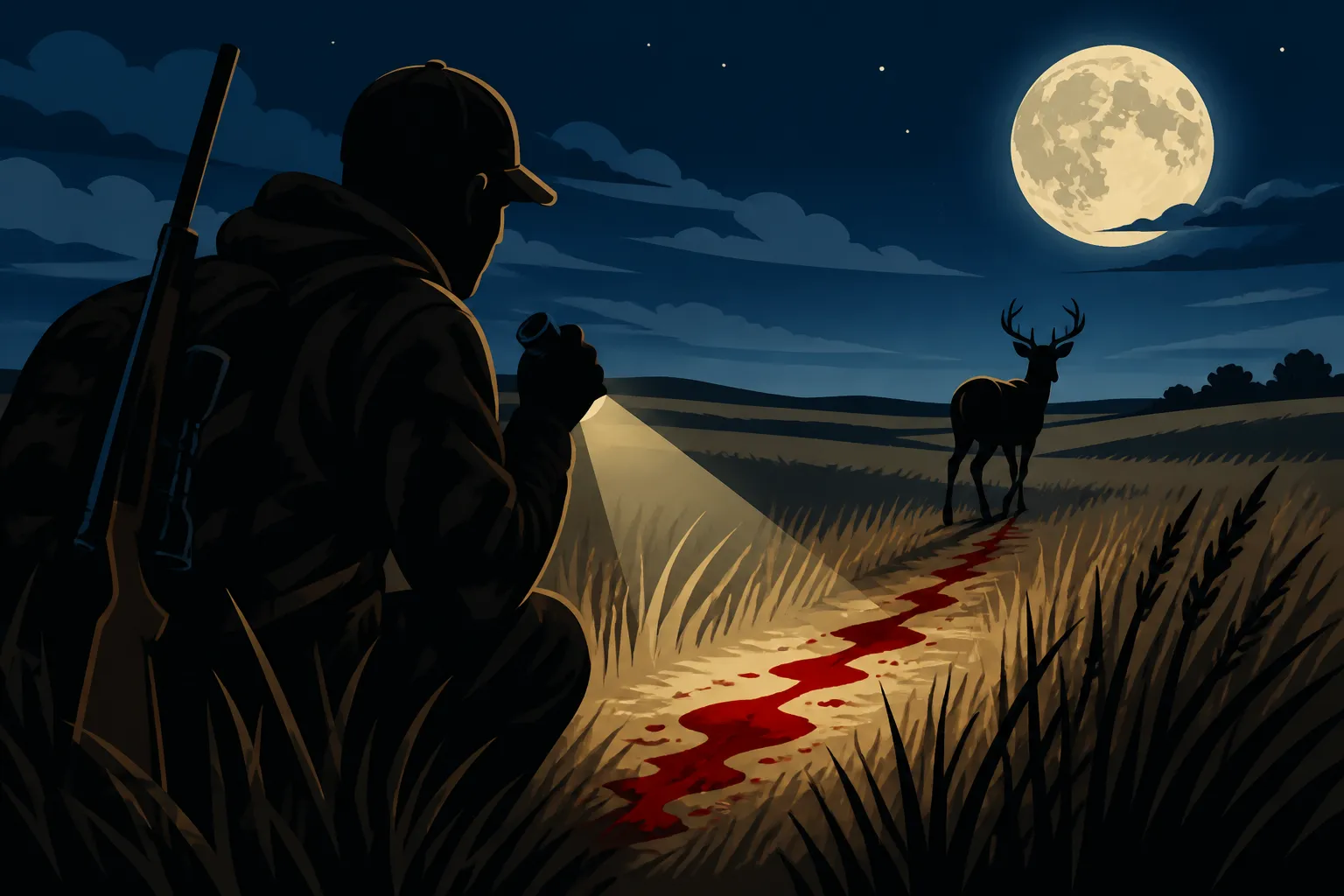
There are few moments in a hunter's life more gut-wrenching than making what you think is a good shot, only for the deer to vanish into the fading light, leaving behind a sparse or confusing blood trail. The sun dips below the horizon, painting the vast Nebraska sky in hues of orange and purple, but all you can feel is a cold knot of dread tightening in your stomach. This isn't just a frustrating situation; it's a moral obligation to find that animal, no matter how daunting the darkness makes it. This guide is here to walk you through the critical steps, essential gear, and effective techniques for blood trailing after dark in Nebraska, ensuring you're prepared to make the right call and recover your deer.
Immediate Actions After the Shot in Fading Light
The first few minutes, even seconds, after you take a shot are absolutely crucial, especially when daylight is slipping away. It's easy to get caught up in the adrenaline rush, but what you do (or don't do) right after the arrow or bullet flies can significantly impact your recovery efforts later, especially when darkness takes over the Nebraska landscape.
Observing the Hit and Deer's Reaction
As soon as you release your arrow or squeeze the trigger, your eyes should be glued to the deer. Forget about your pin or crosshairs; focus solely on the animal. How did it react? Did it mule-kick, indicating a gut shot? Did it hunch up and run off, suggesting a liver or paunch hit? Or did it bolt hard, tail tucked, like a perfectly heart-shot deer? Listen intently, too. Could you hear the distinct "thwack" of an arrow hitting vitals, or the solid impact of a bullet? Even a distant crash can give you a vital clue about how far the deer traveled. On the wide-open prairie, sometimes you can watch a deer run for hundreds of yards, making the initial visual tracking much simpler. But often, in the dense river bottoms or thick cedar draws, they disappear almost instantly. This initial observation, however brief, is your most important piece of real-time data before the night completely envelops everything.
The Crucial Wait Period
Once the deer is out of sight, resist the overwhelming urge to charge in immediately. This is perhaps the hardest part, especially when that sunset timer is ticking down. An injured deer that feels pressured will run much farther and harder than one left undisturbed. For a suspected gut or liver shot, waiting at least 4-6 hours, or even overnight, is paramount. If you spook a gut-shot deer, you might push it for miles, making recovery nearly impossible. For a confirmed good shot—like a double-lung or heart shot—a shorter wait of 30-60 minutes might suffice, but if light is failing, giving it more time often doesn't hurt. Use this wait time to mentally replay the shot, mark the exact location where the deer was standing when hit, and plan your approach. If you're hunting in particularly thick areas, like the brushy river bottoms of eastern Nebraska, a longer wait often means the deer won't go as far into the impenetrable stuff. While you're waiting, consider getting your gear together for a night trail; don't just sit idly.
Essential Gear for a Night Trail
Trying to follow a blood trail in the dark without the right equipment is like trying to find a needle in a haystack blindfolded. It's frustrating, inefficient, and often leads to a lost animal. Before you ever step foot into the potential trail, make sure you have these critical items on hand.
Powerful Lighting Sources
This is non-negotiable. You'll need more than just the flashlight on your phone. A high-lumen headlamp is an absolute must, leaving your hands free for scanning the ground, marking the trail, or navigating. Look for headlamps with multiple brightness settings and a red-light option; red light can often make blood "pop" better on certain vegetation or soil, and it's less disruptive to your night vision. In addition to a headlamp, carry a powerful handheld flashlight. Two light sources are always better than one, especially if one fails or you need to illuminate a wider area. Some hunters even carry a small, dedicated UV or black light, as these can sometimes reveal blood that's invisible to the naked eye under white light, particularly on dark soil or after a light rain. When you're Blood Trailing After Dark in Nebraska, the more light you have, the better your chances.
Navigation Tools and Markers
The Nebraska landscape, whether it's the rolling Sandhills or the flat, vast cornfields, can be disorienting at night. A reliable GPS unit or a hunting app on your smartphone, like GoHunt, is absolutely essential. These tools allow you to mark your starting point, the point of impact, and every piece of sign you find. This creates a digital breadcrumb trail you can follow back out, and it provides a clear map of the deer's travel path. Many hunters find that an app with satellite imagery, like those offered by GoHunt, helps them visualize the terrain even in pitch black. Beyond electronics, carry physical trail markers. Biodegradable flagging tape, toilet paper, or reflective tacks are excellent for marking the last known blood sign. Place them high enough to see, but not so high that they're easily spotted by other hunters or passersby, especially if you're on public land. These markers help you maintain your line of travel and easily return to the last spot if you lose the trail.
Other Crucial Recovery Items
Beyond lights and navigation, a few other items can make or break your night-trailing success.
- Gloves: Not just for warmth, but also to protect your hands from thorns, sharp branches, and to prevent contamination of the blood trail if you need to touch something.
- Knife/Field Dressing Kit: If you find your deer, you'll want to be ready to Field Dressing and Cooling Game in Warm Weather immediately, even if it's cold, to preserve the meat.
- Water: Stay hydrated, especially if you're going to be out for a while.
- Extra Batteries/Power Bank: Your lights and GPS are useless without power. Always carry spares.
- First-Aid Kit: Accidents happen, especially when navigating unfamiliar terrain in the dark.
- Zip Ties or Rope: For securing limbs out of the way, or to help drag the deer if you find it.
- A Partner: If possible, never trail alone at night. Two sets of eyes are always better than one, and a partner provides safety and moral support.
Having your Packs for a Day on Public Ground properly stocked with these items before you head out for a hunt is always a smart move. You never know when you'll need them.
Techniques for Tracking in Low Light
Blood trailing at night demands a slower, more methodical approach than in daylight. Every step needs to be deliberate, and patience is your most valuable asset. The natural challenges of the Nebraska terrain, from the tall grass of the Sandhills to the dense tangles of river bottoms, are only amplified after sunset.
Slow and Methodical Progress
When the sun goes down, throw out any notion of rushing. Your pace should be painstakingly slow, perhaps even slower than you think is necessary. Move inch by inch, scanning every blade of grass, every fallen leaf, every bit of soil. Shine your light from different angles; sometimes blood will only reflect under a specific incidence of light. If you're on a team, one person can hold a stationary light while another scans the ground. In dense cover, kneel down and get eye-level with the ground to spot those tiny, almost invisible flecks of blood. In Nebraska's vast agricultural fields, especially after the corn comes off, you'll often be looking for drops on stalks, on dirt clods, or even the subtle disturbance in the dirt. Patience is key; it's better to spend an hour covering 50 yards and staying on the trail than to push too fast and lose it completely.
Interpreting Blood Sign in the Dark
The color, consistency, and location of blood can tell you a lot about the hit, even in low light.
- Bright Red, Frothy Blood: This is excellent news, often indicating a lung hit. It usually means the deer isn't far, and you can generally press on more confidently.
- Dark Red, Watery Blood: Often from a muscle hit. This can be a long trail, and the deer might survive, but you should continue tracking as long as the trail is consistent.
- Dark Red, Thick Blood with Bits of Partially Digested Food: This is the dreaded gut shot. This deer will be tough to find, and a long, patient wait (at least 6-8 hours, often overnight) is critical. Do not push this deer. Mark the last spot, back out, and return in the morning.
- Blood on Both Sides of the Trail: Indicates an exit wound, which generally means a better trail to follow.
- Blood on Top of Vegetation: The deer might be bleeding heavily.
- Blood Under Vegetation: Suggests the deer is bleeding low, possibly a leg hit.
Don't just look for bright red puddles. Look for smears on tall grass, tiny splatters on leaves, or even subtle changes in the color of the dirt itself. Sometimes, you'll pick up disturbed earth or bent grass that indicates the deer's path even without visible blood. When Tracking a Deer in Sandhills Grass, blood can often be absorbed quickly, so look for matted grass or even small clumps of hair.
| Blood Sign Type | Indication | Trailing Action |
|---|---|---|
| Bright Red, Frothy | Lung Hit | Push carefully, expect short distance |
| Dark Red, Thick/Chunky | Gut Hit | Mark last sign, back out, return in morning |
| Dark Red, Watery | Muscle/Leg Hit | Slow, methodical trailing, long effort expected |
| Bright Red, Non-Frothy | Arterial/Heart | Push carefully, expect short distance |
| Small Drops, Inconsistent | Graze/Flesh Wound | Consider waiting, or very slow, cautious push |
Leveraging Technology and Teamwork
Your GPS Units Versus Phone Apps are invaluable here. Mark every piece of blood sign you find. This allows you to visualize the deer's travel path and predict where it might be headed (e.g., to water, to thick cover, or downhill). If you lose the trail, you can always go back to your last marked spot and try to fan out in a grid pattern.
If you have a partner, assign roles. One person can hold a stationary light while the other scans. The person with the GPS can mark spots, while the other uses physical markers. Communicate constantly: "Found blood!", "Lost it here," "Checking that direction." This systematic approach, especially when combined with the detailed mapping capabilities of a service like GoHunt, significantly increases your odds. Remember, especially if you're on public ground, always be aware of Trail Camera Rules on Nebraska Public Land and avoid disturbing any you might encounter.
When to Back Out and When to Push On
This is often the hardest decision you'll face: do you continue the search into the wee hours, or do you reluctantly pull out and hope for a clearer morning? Making the wrong choice can mean a lost animal or a ruined recovery.
Assessing the Shot Placement
Your best guide for this decision is your initial assessment of the shot.
- High-Confidence Vital Hit (Lung/Heart): If you saw bright red, frothy blood or heard a solid "thwack" and the deer crashed quickly, you can generally push on more aggressively, even into the dark. These deer often don't go far, and finding them quickly helps with meat preservation, especially during warmer Nebraska openers. Remember, even in November, a mild night can spoil meat quickly.
- Low-Confidence Hit (Gut/Liver/Paunch): If you suspect a gut shot (dark, chunky blood, deer hunched up), the decision is almost always to back out. Pushing a gut-shot deer at night is one of the most common reasons deer are never recovered. Mark the last sign, quietly leave the area, and plan to return at first light. This gives the deer time to bed down and expire. The cold reality of waiting until morning can be agonizing, but it is often the most humane and effective strategy.
- Uncertainty: When in doubt, err on the side of caution. Backing out for a few hours or until morning rarely hurts and often helps.
Factors to Consider for the Overnight Wait
Several practical considerations come into play when deciding whether to wait until morning.
- Weather: Is a heavy rain or snowstorm coming? Precipitation can quickly wash away or cover a blood trail, making morning recovery much harder. If a storm is imminent, and you suspect a marginal hit, you might be forced to push harder than ideal.
- Temperature: If it's warm (above 40-50°F), even an overnight wait can significantly impact meat quality. This is a tough compromise. For a marginal hit, meat loss might be a trade-off for recovery. For a confirmed vital hit, pushing hard to recover before the meat spoils is often the best course. Understanding Field Dressing and Cooling Game in Warm Weather methods is vital here.
- Predators: In some areas of Nebraska, coyotes are abundant. Leaving a deer overnight, especially a gut-shot animal that might still be alive, can risk predator activity. If you're confident the deer is expired (e.g., from a solid lung hit), this risk is lower, but it's always a consideration. Coyote Calling on Winter Grassland shows how prevalent these predators can be.
- Safety: Are you exhausted? Are you alone? Is the terrain too dangerous to navigate in the dark? Your personal safety always comes first. If conditions are unsafe, back out.
- Land Access: Are you on private land where you have permission to retrieve at any hour, or are you on public land with specific time restrictions? Always be aware of Nebraska's Nebraska Legal Shooting Hours and any specific public land rules.
Returning at First Light
If you decide to back out, make sure you mark the last confirmed blood sign very thoroughly with multiple markers and GPS waypoints. When you return at first light, bring your gear, including your best optics like a spotting scope or good binoculars, as these can help you scan for a bedded or expired deer from a distance. Sometimes you can spot an animal in a washout or behind a clump of tall grass. The initial morning light can reveal blood that was invisible under artificial light, or it can show tracks and disturbed vegetation more clearly. A crucial step when you come back in the morning is to not go directly to the last blood. Instead, circle downwind of the last known position. The deer might have bedded nearby, and approaching from downwind gives you the advantage. Remember, even with the best efforts, some deer are simply never recovered. But by using these strategies, you significantly increase your odds and fulfill your responsibility as a hunter. And don't forget the importance of proper Deer Tagging and Checking Rules once you do recover your animal.
Disclaimer
Hunting involves inherent risks, and every situation is unique. This guide provides general information and best practices. Always prioritize safety, follow all local and state hunting regulations, and use your best judgment in the field. Recovery of wounded game is a serious responsibility, and these tips are meant to assist, not guarantee, success.