Nebraska Legal Shooting Hours
One of the most common anxieties for any hunter, whether you're a seasoned veteran or just starting out, revolves around the precise timing of legal shooting hours. It's not just about setting your alarm early; it's about understanding the nuances of when you can legally pull the trigger. Misjudging those crucial minutes can lead to frustrating fines, lost hunting opportunities, or even license revocations. This comprehensive guide is here to untangle the complexities of Nebraska's legal shooting hours for various game species, ensuring you stay on the right side of the law and maximize your time afield ethically and effectively.
The Foundation of Nebraska's Hunting Hours: Understanding the Standard
Navigating the clock can feel like a part-time job when you're preparing for a hunt. Nebraska's Game and Parks Commission sets clear guidelines, but interpreting them correctly is crucial. It’s not just about "daylight hours"—there's a specific mathematical formula involved that changes daily. For many hunters, the core of this understanding lies in what's often referred to as the "half-hour" rule.
The "Half-Hour" Rule for Most Big Game and Upland Birds
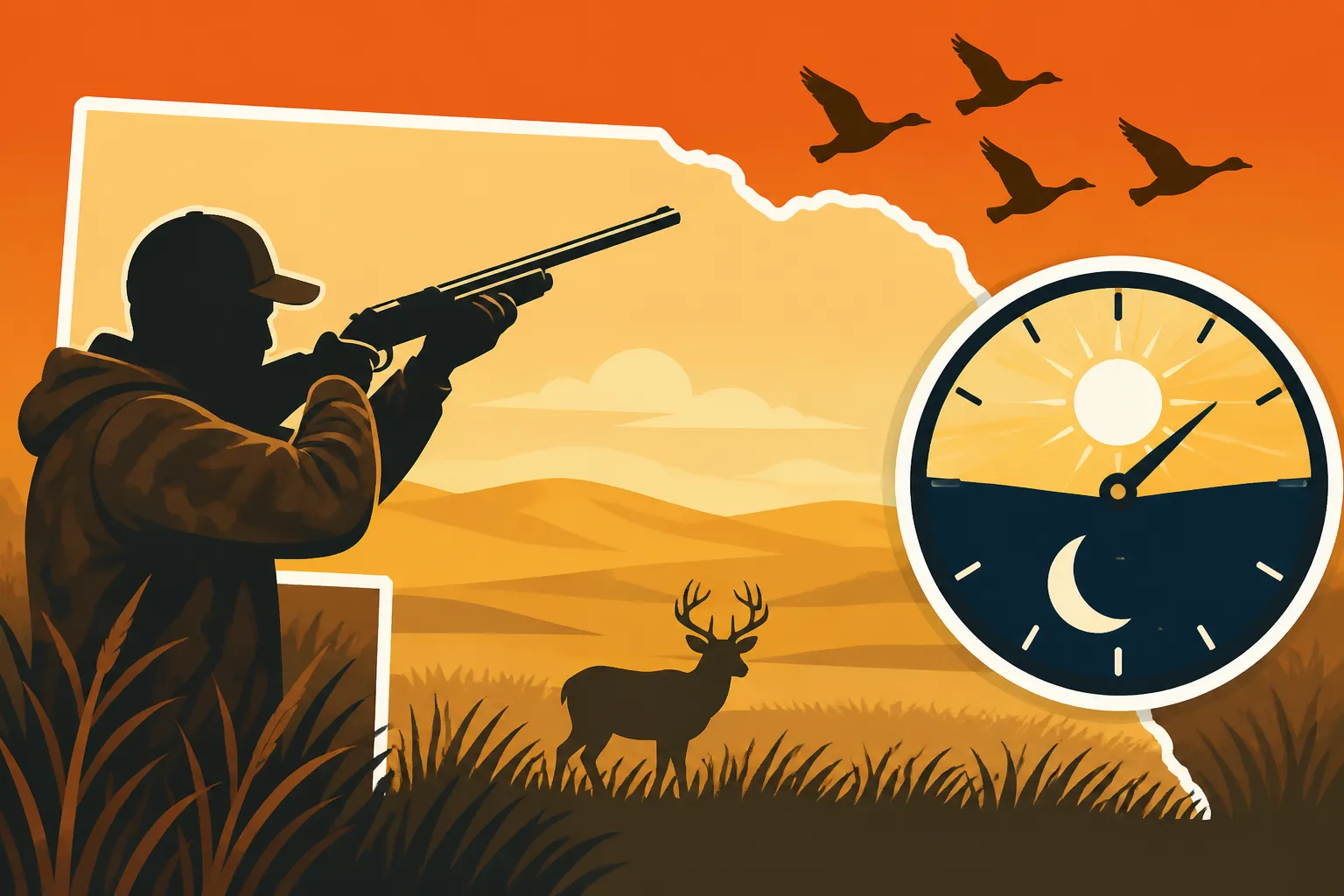
For the vast majority of big game and upland bird hunting in Nebraska, the legal shooting hours revolve around a simple, yet often misunderstood, timeframe: one-half hour before sunrise to one-half hour after sunset. This isn't just a suggestion; it's a strict boundary. The intent behind this rule is to promote fair chase and give animals a natural advantage during those low-light transition periods when they are most active. Imagine trying to identify antler points or distinguish a rooster pheasant from a hen in near darkness – it’s not only difficult but also highly unethical and unsafe.
To figure out these times, you can't just guess or rely on your phone's general weather app. Sunrise and sunset times vary depending on your exact location within Nebraska and, of course, change every single day of the year. For example, sunrise in Omaha will be different than in Scottsbluff on the same day. These times are officially defined by the U.S. Naval Observatory and are specific to civil twilight. You'll need to know the official sunrise and sunset for your particular hunting area on the day you plan to hunt. Missing this seemingly small detail can lead to inadvertently hunting outside legal hours.
Why Precision Matters: Legal Consequences and Ethical Hunting
Let's be blunt: violating legal shooting hours isn't a minor infraction. It's a serious offense that the Nebraska Game and Parks Commission takes very seriously. If you're caught shooting outside the legal window, you could face hefty fines that quickly add up, the confiscation of your harvested game, and potentially the suspension or revocation of your hunting privileges. Imagine planning a trip, investing in gear, taking time off work, and then having it all stripped away for being a few minutes early or late. It’s a devastating scenario that's entirely avoidable.
Beyond the legal ramifications, there's a profound ethical component. The "fair chase" principle is a cornerstone of responsible hunting. Hunting during periods of low light puts game animals at an unfair disadvantage, making it easier to harvest them without proper identification or a clear shot. This can lead to wounded animals that are never recovered, or accidentally harvesting an illegal animal (like a doe during a buck-only season, or a protected species). Adhering to legal shooting hours is a testament to your respect for the wildlife, the land, and the hunting tradition itself. It reinforces the image of hunters as conservationists, not opportunists.
Diving Deeper: Specific Species and Seasonal Nuances
While the "half-hour" rule is a solid baseline, Nebraska hunting isn't a one-size-fits-all endeavor. Different species and specific seasons come with their own unique wrinkles in the legal shooting hour regulations. Understanding these distinctions is paramount to a successful and legal hunt.
Deer and Antelope: Consistent Across Seasons, But Watch the Clock
For deer and antelope hunters in Nebraska, you'll generally find consistency across the different seasons. Whether you're chasing whitetails or mule deer during Nebraska's nine-day firearm deer season, drawing a bow during Nebraska Archery and Muzzleloader Deer Permits that stretches for months, or carrying a smoke pole in December, the standard one-half hour before sunrise to one-half hour after sunset rule applies. This simplifies things somewhat, but doesn't diminish the need for precision.
The challenge, especially during longer seasons, is remembering that sunrise and sunset times shift considerably from September through January. What was legal shooting light in early September for archery antelope over water will be vastly different than when you're hunting mule deer in the Nebraska Pine Ridge in late October or late-season antlerless hunting in December. Always cross-reference the official times for your specific location daily. It's a small step that prevents a big headache.
Upland Game and Small Game: Simpler Rules, But Still Critical
Hunting Nebraska's diverse upland birds—pheasants, quail, grouse—along with small game like rabbits and squirrels, generally follows the same core "half-hour" before sunrise to "half-hour" after sunset rule. This holds true for walking Nebraska pheasant cover with a dog in a milo field or working sharptails and prairie chickens on foot across the Sandhills.
The beauty of upland hunting is often the full daylight experience, but those first and last legal minutes can be incredibly productive, especially if birds are moving from roosting cover to feeding areas or vice versa. Just like with deer, knowing the exact times for your location is crucial. While the pressure to identify a legal animal might not be as intense as a trophy buck, misidentifying a hen pheasant in low light is still a violation and an ethical misstep.
Waterfowl and Migratory Birds: The Trickiest Timing of All
This is where things can get truly complicated, and where many hunters unfortunately make mistakes. Waterfowl and other migratory birds (like doves, rails, and snipe) have their own specific set of rules when it comes to legal shooting hours. Typically, the rule for most waterfowl hunting is also one-half hour before sunrise, but the closing time can be at sunset, not a half-hour after. This means a shorter legal shooting window in the evening.
Furthermore, Nebraska has specific zones and special early seasons that come with their own clock. For instance, the early teal season might have slightly different start dates or bag limits that also impact when you can shoot. When you're setting a goose spread in harvested corn or working decoy spreads for Rainwater Basin geese, you absolutely need to consult the current Nebraska waterfowl seasons and zones regulations. The Nebraska Light Goose Conservation Order Tactics during the spring migration also have unique rules, often allowing hunting until a specific later time after sunset, and even at night in some scenarios. Always, always check the current year's waterfowl guide for these crucial details, as they can change annually.
Predators and Furbearers: When the Sun Goes Down, Some Hunting Begins
One significant exception to the general daylight rule is the hunting of certain predators and furbearers. Species like coyotes, bobcats, raccoons, and opossums can often be hunted both day and night in Nebraska, though specific regulations apply. Night hunting for predators is a unique challenge that requires specialized equipment and an even greater emphasis on safety and identification.
If you're planning on Coyote Calling on Winter Grassland after dark, you'll need to understand the rules regarding artificial lights, calibers, and any specific permits required. For instance, while you can hunt coyotes at night, there are often restrictions on light sources or the use of night vision or thermal optics. Always consult the Nebraska Hunting Guide for the specific species you intend to pursue at night, as these rules are strictly enforced and critical for ensuring public safety and ethical practices. This is an area where detailed knowledge is not just an advantage, but a necessity.
Tools and Best Practices for Staying Compliant
In today's connected world, there's no excuse for guessing at legal shooting hours. Technology has made it incredibly easy to stay informed, and combining that with smart scouting and consistent checking of official sources will keep you compliant.
Harnessing Technology: Apps and Digital Resources
Gone are the days when you had to print out a tiny chart from the newspaper or guess based on the weather report. Modern technology puts precise legal shooting hours right at your fingertips. Many hunting apps, like those from GoHunt, integrate real-time sunrise and sunset data specific to your GPS location. This is an absolute game-changer. You simply open the app, it triangulates your position, and tells you exactly when legal shooting begins and ends for that day. It takes all the guesswork out of the equation.
Beyond dedicated hunting apps, general mapping and navigation tools often have sunrise/sunset features. When you're navigating using Electronics a Nebraska Hunter Actually Needs, make sure your chosen tool has this capability. Always confirm the app is pulling from official U.S. Naval Observatory data or directly from a state wildlife agency feed. While fantastic, remember that technology is a tool, not a substitute for common sense or verifying current regulations. Always have a backup plan, whether it’s a printed chart or simply checking the official Nebraska Game and Parks Commission website before heading out. The Nebraska Public Access Atlas mobile app also often includes helpful regulatory information for specific public lands.
Scouting Smart: Pre-Season Prep for Time Management
Effective scouting isn't just about finding game sign; it's also about understanding the timing of game movement in relation to legal shooting hours. Spend time observing your hunting area before the season opens. Watch how deer move in and out of bedding areas at dawn and dusk. Note where pheasants roost and feed. This pre-season work helps you understand when the animals are likely to be in a shootable position during legal hours, rather than hoping for a lucky break.
If you're utilizing trail cameras, be mindful of Trail Camera Rules on Nebraska Public Land and use them to gather data on game movement patterns. A picture of a big buck at 5:45 AM doesn't mean you can shoot him at that time if legal shooting starts at 6:10 AM. It simply tells you where he'll likely be when legal shooting hours begin. Understanding these patterns allows you to position yourself effectively to be ready when the clock officially strikes "go."
Always Double-Check: Official Sources and Current Regulations
I cannot stress this enough: always double-check the current Nebraska hunting regulations. While guides like this one provide a general overview, regulations can and do change. The Nebraska Game and Parks Commission (NGPC) publishes an annual hunting guide that is the definitive source for all rules, including legal shooting hours. You can pick up a physical copy wherever hunting licenses are sold, or download the most current version from the NGPC website.
Before every hunt, especially if it's been a while since you last went, take a few minutes to review the specific regulations for your target species and unit. Don't rely on what you "heard" or what was true five years ago. Staying current is your responsibility as a hunter, and it's the simplest way to avoid unintended violations.
Special Situations and What to Remember
Beyond the standard operating procedures, there are a couple of specific scenarios that often bring up questions for hunters regarding legal shooting hours. Being prepared for these makes for a more confident and less stressful hunting experience.
Youth Hunts and Mentored Opportunities
Nebraska offers fantastic opportunities for youth hunters, and these mentored hunts are crucial for introducing the next generation to our traditions. Generally, youth hunts for deer, turkey, and other game species follow the same legal shooting hours as the regular adult seasons. This provides a consistent learning environment and prevents confusion. However, it's always wise for the mentoring adult to confirm these details in the current hunting guide.
The focus during these mentored hunts is often on education, safety, and the overall experience, rather than solely on harvesting. Ensuring strict adherence to legal shooting hours teaches young hunters the importance of respect for the rules and ethical hunting practices right from the start.
Retrieving Game After Hours: What's Permitted?
This is a common and often stressful situation for hunters. You make a good shot on a deer or an antelope right at the edge of legal shooting light, and the animal runs off into thick cover. Now it's past legal hours, and you're faced with the dilemma: do you pursue immediately, or wait until morning?
Nebraska regulations are generally quite clear: it is legal to track and retrieve wounded game after legal shooting hours, but it is NOT legal to possess a firearm or bow while doing so, unless it is unloaded and cased, or if you are not actively hunting. This means you can go look for your animal, but you cannot carry your hunting weapon in a manner that suggests you are still hunting. Your weapon must be secured, unloaded, and ideally cased.
If you believe the animal is severely wounded and needs immediate recovery, or if you're tracking onto private land where you don't have permission, it is always best practice to contact the Nebraska Game and Parks Commission law enforcement or a local conservation officer as soon as possible. They can advise you on the best course of action, and in some cases, may even assist or provide specific permission to carry a weapon for a short period if safety is a concern. Always prioritize humane recovery and compliance. Understanding protocols for Field Dressing and Cooling Game in Warm Weather is also critical once the animal is recovered, regardless of the time.
Nebraska Hunting Hour Overview
To help you keep track, here's a general overview of shooting hours for common game categories in Nebraska. Remember, always consult the current NGPC Hunting Guide for precise, up-to-date information for your specific location and season dates.
| Game Category | General Legal Shooting Hours | Specific Notes / Exceptions |
|---|---|---|
| Big Game (Deer, Antelope) | 1/2 Hour Before Sunrise to 1/2 Hour After Sunset | Applies to Archery, Firearm, and Muzzleloader seasons. Times vary daily by location. |
| Upland Birds (Pheasant, Quail, Grouse) | 1/2 Hour Before Sunrise to 1/2 Hour After Sunset | Applies to general upland seasons. |
| Small Game (Rabbit, Squirrel) | 1/2 Hour Before Sunrise to 1/2 Hour After Sunset | Consistent throughout the season. |
| Waterfowl (Ducks, Geese) | 1/2 Hour Before Sunrise to Sunset | Closing time is at sunset, not 1/2 hour after. Check specific zone regulations. |
| Light Goose Conservation Order | 1/2 Hour Before Sunrise to 1/2 Hour After Sunset (or later) | Special rules may allow hunting until midnight or beyond in specific circumstances. Check current regs carefully. |
| Wild Turkey | 1/2 Hour Before Sunrise to Sunset | Closing time is at sunset, not 1/2 hour after. Applicable to Spring and Fall seasons. |
| Predators (Coyote, Bobcat) | Day and Night | Check specific rules for night hunting, light sources, weapon restrictions, and furbearer permits. |
This table provides a quick reference, but the golden rule remains: verify with the official NGPC regulations annually.
Disclaimer
The information provided in this guide is for general informational purposes only and is not legal advice. Hunting regulations, including legal shooting hours, are subject to change. Hunters are solely responsible for knowing and abiding by all current Nebraska Game and Parks Commission rules and regulations. Always consult the most recent official Nebraska Hunting Guide or the NGPC website for the definitive and up-to-date legal requirements before hunting.