Trail Camera Rules on Nebraska Public Land
Figuring out where you can and can't place a trail camera on public land in Nebraska can feel like navigating a legal minefield, especially when you’re just trying to get a leg up on scouting those elusive whitetails or mule deer. Many hunters wonder if their high-tech scouting tools are even allowed in certain areas, and the last thing anyone wants is a run-in with conservation officers or a fellow hunter over a misunderstanding. This guide is here to untangle the specifics of trail camera regulations on Nebraska's public hunting grounds, helping you use your gear effectively and ethically.
Understanding the Landscape: Public Land Categories and General Rules
Nebraska offers a variety of public land types, and while the general rules for trail cameras are fairly consistent across the board, it's vital to know the nuances of where you're setting up. We're talking about everything from sprawling Wildlife Management Areas (WMAs) to the vast Open Fields and Waters (OFW) tracts, and even federally managed lands like the National Grasslands. The overarching goal for all these lands is to provide recreational opportunities while protecting natural resources, and camera use falls under that umbrella.
Defining "Public Land" for Hunters in Nebraska
When we talk about public land in Nebraska, we're referring to areas managed by state and federal agencies, often for the specific purpose of public recreation, including hunting. This includes Nebraska Game and Parks Commission (NGPC) Wildlife Management Areas, State Recreation Areas (SRAs) that allow hunting, portions of State Parks, National Forest lands, National Grasslands like the Oglala, and even certain U.S. Army Corps of Engineers properties along rivers. Then there's the unique Nebraska's Open Fields and Waters Program, which provides access to private lands through agreements with landowners, making them "publicly accessible" for hunting, albeit with specific rules.
The critical distinction is that these lands are managed under different sets of rules, even if they all fall under the general "public" designation. For instance, a WMA managed by the state might have slightly different regulations or restrictions than a federal refuge or a tract enrolled in the OFW program. Hunters have a responsibility to know the specific rules for the area they intend to hunt, and that extends to where and how they place their trail cameras. Ignoring these distinctions can lead to frustration, or worse, citations.
The Role of the Nebraska Game and Parks Commission
The Nebraska Game and Parks Commission is the primary authority when it comes to hunting regulations on state-managed public lands. They publish the annual hunting guide, manage The Nebraska Public Access Atlas, and oversee everything from deer tags to upland bird seasons. Their regulations are designed to ensure fair chase, promote ethical hunting, and conserve wildlife populations. When it comes to trail cameras, their stance is generally that they are allowed on most public lands unless specifically prohibited.
This means that while there isn't a blanket ban on trail cameras across all public lands, you won't always find a specific rule allowing them either. Instead, you'll often find rules about things like leaving equipment unattended, defacing property, or constructing permanent blinds. These broader rules are what often govern how a trail camera can or cannot be used. It's a subtle but important point: absence of a specific camera rule doesn't always mean anything goes. It often means existing rules apply.
Specific Regulations for Trail Cameras on Nebraska Public Lands
Nebraska has specific rules regarding trail cameras, particularly on state-managed lands. These regulations are designed to prevent litter, protect habitat, and ensure fair access for all users. It's not just about what you can do, but also how you must do it to stay within the bounds of the law.
General Prohibition on Attaching to Trees and Poles
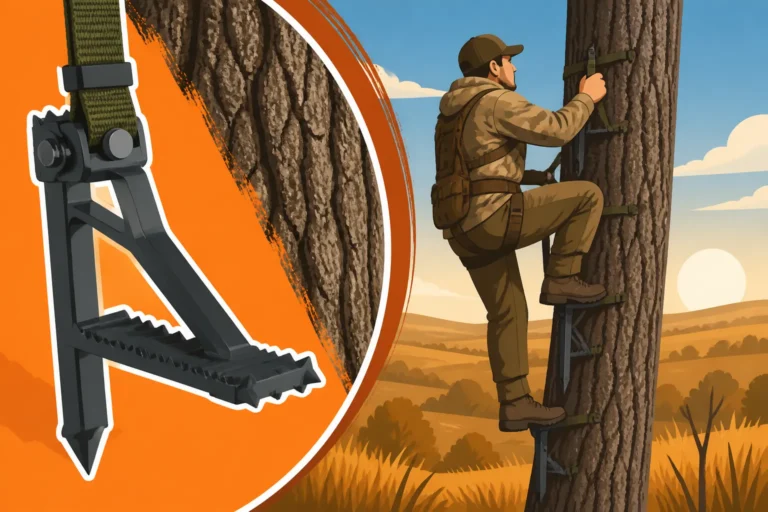
This is a big one and a common point of confusion for hunters. Generally, on state-managed public lands (like WMAs and State Parks/SRAs), it is not permissible to attach anything to trees, posts, or other vegetation with screws, nails, or any other method that would damage the plant. This rule is aimed at preserving the natural environment and preventing damage to public property.
What this means for your trail camera is that you can't use screw-in camera mounts. You can't nail a camera to a tree. Even straps, while seemingly harmless, are often scrutinized if they are left on a tree for extended periods and could potentially girdle or otherwise harm the tree's growth. The spirit of the rule is "leave no trace," and causing damage to public land property, even if unintentional, is a violation. Hunters need to be hyper-vigilant about this particular rule, as it's easy to overlook when you're focused on getting the perfect angle.
Restrictions on Leaving Property Unattended
Another significant regulation that impacts trail camera use is the rule against leaving personal property unattended for extended periods. On many public lands, items like treestands, ground blinds, and yes, trail cameras, must be removed within a specific timeframe after the hunting season closes, or even daily in some specific cases. This rule helps prevent litter, allows for land management activities, and ensures that everyone has a fair chance at scouting and hunting spots.
Imagine a situation where a camera is left out all year. It could be damaged by weather, vandalized, or become an eyesore. More importantly, it can give one hunter a perceived advantage over others if they're constantly monitoring a spot year-round. While the exact timeframe can vary, it's always best to check the specific regulations for the WMA or public area you're hunting. Often, it's something like 10 days after the close of the season, but some areas might require daily removal. This is a common point of frustration for hunters who want to scout off-season, but it's a rule designed to keep public access fair.
Special Rules for Cellular Cameras
The rise of cellular trail cameras, which transmit images directly to your phone, adds another layer of consideration. While the general rules about attachment and unattended property still apply, the intent behind certain regulations can sometimes be tested by these new technologies. For example, the debate over "fair chase" often comes up with real-time scouting tools. However, as of now, Nebraska doesn't have a specific blanket prohibition on the use of cellular trail cameras on public land, provided they adhere to the existing rules.
This means if you're using a cellular camera, you still cannot screw it into a tree on a WMA, and you still need to adhere to unattended property timelines. The advantage of a cellular camera is that you don't have to disturb a potential hunting spot to check your SD card, which is a huge benefit for reducing human scent and pressure. However, it doesn't exempt you from ethical considerations or the fundamental rules of public land use. Always remember that even if the technology is advanced, the old rules of respect for the land and fellow hunters still apply. For more details on these devices, you might want to read Cellular Cameras and Season Restrictions.
Best Practices and Ethical Considerations for Camera Use
Beyond the explicit rules, there's an unspoken code of conduct when using trail cameras on public land. These best practices are rooted in respect for the environment, other hunters, and the animals themselves. Adhering to them not only keeps you on the right side of ethical hunting but also helps preserve a positive image for all hunters.
Avoiding Damage to Trees and Habitat
Since direct attachment to trees using screws or nails is generally prohibited on state-managed public lands, hunters must get creative. The most common and accepted method for securing a trail camera is using a non-damaging strap, often wrapped around a tree. However, even with straps, you need to be mindful. Choose straps that are wide and flat to minimize pressure on the tree bark, and ensure they are not overtightened. The goal is to secure the camera without girdling the tree or creating an entry point for disease.
When selecting a location, consider natural features like downed logs, large rocks, or even small, thin saplings that won't be harmed by a strap. Some cameras come with mounts that clamp onto a T-post, which you might be able to discreetly place in an open area, provided it's removed with the camera. The key is to think "low impact." If you can set your camera up without leaving any lasting mark on the environment, you're on the right track. This commitment to the land is part of what makes Nebraska hunting so special.
Respecting Other Hunters and Their Space
Public land means shared access, and that extends to your trail cameras. The last thing any hunter wants is to stumble upon a fellow hunter's camera that feels like it's infringing on their space, or worse, feels like it's being used to "spy" on them. While cameras are primarily for scouting wildlife, their placement should always consider other human users of the land.
Ethically, this means placing cameras in discreet locations where they are unlikely to be tampered with or become a nuisance to others. Avoid high-traffic areas or obvious funnels where multiple hunters might converge. If you encounter another hunter's camera, leave it be. It's a courtesy that we all hope to receive. Over-saturating an area with cameras can also create a perception of overcrowding or competition, which detracts from the shared experience of public land hunting. Remember, a good hunting experience is built on mutual respect, and that includes respect for gear and space.
Preventing Theft and Vandalism
Unfortunately, trail camera theft and vandalism are real concerns on public land. Leaving expensive electronics unattended, even discreetly, always carries a risk. While you can't eliminate the risk entirely, there are steps you can take to make your cameras less appealing targets.
Consider using security boxes and locking cables, which make it harder for casual thieves to walk off with your gear. Concealment is also key – try to place cameras off main trails and in natural cover. Camouflage patterns help them blend in. Some hunters even engrave their name and phone number on cameras, or use GPS tracking features if available. While the Nebraska Game and Parks Commission and law enforcement do their best to investigate theft, it's often difficult to recover stolen equipment. Proactive measures, like those you'd use for any valuable item left in the wild, are your best defense.
Navigating Common Challenges and Misconceptions
The world of public land hunting is full of complexities, and trail cameras often find themselves at the center of many discussions. Clearing up common misunderstandings can save you a lot of grief and ensure your time afield is focused on hunting, not headaches.
When "No Damage" Means No Screws
It's common for hunters to use screw-in camera mounts on private land where they have permission from the landowner. The problem arises when this practice is carried over to public land, where regulations often explicitly prohibit damaging trees or vegetation. The "no damage" rule is a fundamental principle of public land management, designed to keep these natural spaces pristine for everyone.
This distinction is crucial. Just because you can use a certain mounting method on private ground doesn't mean it's permissible on public. Always err on the side of caution. If you're unsure if a particular mounting method causes damage, assume it does and find an alternative. Straps are generally the safest bet, but even then, consider the long-term impact on the tree. A good rule of thumb is to ask yourself if someone walking by months later would know you were there. If the answer is yes because of visible damage, you're likely violating the rule.
Understanding "Unattended Property" Timelines
The timelines for removing unattended property can vary, which adds to the confusion. For example, some Nebraska Wildlife Management Area Rules might state that stands or blinds must be removed daily, while others allow them to be left for a week or even longer after the season closes. Trail cameras generally fall under these same guidelines. Not all public lands are treated equally, and ignorance of the specific rules is rarely an acceptable defense.
Before you set out, always consult the current Public Access Atlas or the specific WMA regulations for the area you plan to hunt. These resources, often available online or at Game and Parks offices, will detail any restrictions on leaving equipment. Many hunters find tools like the GoHunt app incredibly useful for pinpointing specific public land boundaries and even checking relevant regulations in real-time or planning their scouting routes. Understanding these timelines is not just about avoiding a ticket; it's about ensuring fair access for all. For instance, if you leave a camera out indefinitely, you're effectively "claiming" that spot, which goes against the spirit of shared public resource use.
The Debate Around Fair Chase and Technology
Trail cameras, especially cellular models, often spark lively debates about fair chase. Some hunters feel that real-time information about animal movement gives an unfair advantage, akin to live baiting or using drones. However, for now, Nebraska's regulations generally focus on the physical placement and impact of the camera, rather than the technology itself. The legality of using a camera is largely separate from the ethics of how that information is used.
While the law might not prohibit you from receiving instant notifications, ethical hunters often ponder where the line is drawn. Using a cellular camera to scout while you're at work, then rushing to a stand immediately after seeing a buck, is perfectly legal. However, some consider it less in the spirit of "fair chase" than traditional scouting. Each hunter must draw their own line, but it’s worth noting that regulations could evolve as technology advances. As always, use good judgment and remember that hunting is about more than just filling a tag; it's about the experience and respect for wildlife. You can learn more about scouting on pressured public land by checking out Where Cameras Help on Pressured Ground.
A Quick Glance at Trail Camera Do's and Don'ts on Nebraska Public Land
Here’s a simple table to help clarify some of the key points when considering trail camera use on Nebraska public land:
| Action / Consideration | Do's | Don'ts |
|---|---|---|
| Mounting | Use non-damaging straps (wide, flat) | Screw, nail, or damage trees/vegetation |
| Use T-posts with approved clamps (if permissible for the area) | Leave permanent mounting fixtures behind | |
| Placement | Conceal cameras in natural cover, off main trails | Place in obvious, high-traffic areas where they might be tampered with |
| Respect other hunters' space and privacy | Point cameras at obvious human travel routes or other hunters' setups | |
| Timeframes | Know specific public land rules for unattended property removal | Leave cameras out indefinitely or past legal removal dates |
| Remove cameras promptly after season closes | Abandon broken or unwanted cameras | |
| Identification | Consider marking with contact info (name/phone) | Leave cameras completely anonymous, making recovery difficult if lost/stolen |
| Security | Use security boxes and locking cables | Assume your camera is safe without any theft deterrents |
| Information Gathering | Use data to understand animal patterns and plan hunts | Use as a tool to harass wildlife or other hunters |
| Research | Consult the Public Access Atlas and specific WMA rules | Assume all public lands have the same rules regarding cameras |
| Use mapping tools like GoHunt to verify property lines | Guess if you're on public or private land when placing a camera |
Ultimately, being a responsible hunter means doing your homework, understanding the spirit of the regulations, and being a good steward of Nebraska's incredible natural resources. Using your trail camera wisely can be a fantastic scouting tool, but it starts with respect for the rules and the land.
Disclaimer
This article is for general informational purposes only and does not constitute professional advice. Laws, prices and regulations vary by location and change over time. Consult a qualified professional for guidance on your specific situation.