.308 Versus .270 in Open Country
Choosing the right rifle caliber for hunting in Nebraska, especially when you're facing vast open country, can feel like a really high-stakes decision. Many hunters agonize over whether the tried-and-true .308 Winchester or the flat-shooting .270 Winchester is the better choice for their next deer or antelope hunt. This guide is here to walk you through the practical considerations, ballistics, and real-world implications of both calibers, helping you make a confident decision that suits your hunting style and the unique challenges of Nebraska's diverse landscapes.
The .308 Winchester: A Dependable Workhorse for Versatility and Control
The .308 Winchester has earned its reputation as a global favorite for a reason. It's incredibly versatile, reliable, and performs admirably in a huge variety of hunting scenarios. When you're thinking about a caliber that can handle everything from a whitetail in a river bottom to a mule deer in the Sandhills, the .308 is often one of the first that comes to mind.
Ballistics and Practical Range for Nebraska Deer
When we talk about ballistics for the .308, we're generally looking at bullet weights that range from 150 to 180 grains. With a 150-grain bullet, you can expect muzzle velocities often in the neighborhood of 2,800 feet per second, delivering plenty of energy for deer-sized game. A 165-grain or 180-grain bullet will typically be a bit slower but carries more momentum and often performs exceptionally well on larger deer or even elk if the shot is placed well.
For Nebraska deer hunting, the .308 Winchester offers a very practical and effective range. Out to 300 yards, and even extending to 400 yards with practice and good shot placement, it's a highly capable round. Imagine you're hunting whitetails in the thick cedar draws of central Nebraska. A shot might be relatively close, say 100-150 yards, where the .308's energy transfer is immediate and decisive. Now picture yourself glassing a mule deer across a wide-open section of the Sandhills. A 300-yard shot is certainly within the .308's ethical limits, especially if you've done your homework on bullet drop and wind compensation. It might not be the flattest shooter, but its consistent performance and substantial energy delivery make it a superb choice. You'll want to review topics like Zeroing a Rifle for Open Country to be fully prepared.
Ammunition Availability and Cost Considerations
One of the often-overlooked benefits of the .308 Winchester is the sheer abundance and variety of ammunition available. Go into almost any sporting goods store, and you'll find shelves stocked with .308 ammo from various manufacturers, offering a wide range of bullet types and weights suitable for everything from varmints to large game. This widespread availability means you can usually find quality hunting loads, and perhaps just as importantly, more affordable practice ammo.
For many hunters, the ability to practice regularly without having to take out a second mortgage is a huge plus. The more rounds you put downrange, the more proficient and confident you become with your rifle. This consistency in practice directly translates to more ethical shot placement in the field. This widespread availability can be a critical factor, especially if you're not planning your hunting trip months in advance. It's always a good idea to research and stock up on your preferred hunting loads, but with the .308, you're rarely left scrambling. Resources like GoHunt often have reviews and comparisons of different ammunition types, which can be invaluable when making your selection.
Recoil and Shooter Comfort in the Field
Another significant advantage of the .308 Winchester is its manageable recoil. While it's certainly not a "soft-shooting" round, the recoil impulse is generally much milder than many larger magnum calibers. This makes it a more comfortable rifle to shoot, both at the range during practice sessions and when that crucial moment arrives in the field.
Lower recoil contributes directly to better shooting. A comfortable shooter is a more accurate shooter. If you're flinching or anticipating heavy recoil, your accuracy will suffer. This is especially true for newer hunters, youth hunters, or anyone who is sensitive to recoil. Being able to quickly reacquire your target for a follow-up shot, if necessary, is also made easier with a more manageable recoil. On a chilly November morning in Nebraska, after a long stalk, that comfortable recoil might be the difference between a clean shot and a missed opportunity. This comfort fosters confidence, and a confident hunter is a safer, more ethical hunter.
The .270 Winchester: A Flat-Shooting King for Open Plains
Stepping into the realm of the .270 Winchester, you're looking at a caliber with a legendary reputation for being incredibly flat-shooting. This characteristic makes it a darling of open-country hunters, especially those who regularly face longer shots across vast prairies or wide-open agricultural fields.
Ballistics and Extended Range Performance
The .270 Winchester typically pushes 130-grain to 150-grain bullets at impressive velocities, often exceeding 3,000 feet per second with 130-grain projectiles. This higher muzzle velocity is the secret to its flat trajectory. What does that mean for a Nebraska hunter? Less bullet drop over longer distances.
Imagine you're hunting mule deer in the expansive landscapes of the Nebraska Panhandle. You spot a buck at 350 yards, a distance where a .308 would require a noticeable holdover. With a .270, that same shot might only demand a minimal adjustment, or even a point-blank hold if you've zeroed appropriately for open country. This flatter trajectory simplifies range estimation and reduces the margin for error, which can be incredibly reassuring when facing those truly long shots. For details on how to set up your rifle, check out Rifle Setups for Nebraska's Open Country. The .270 truly shines when every yard counts, offering a level of precision at extended distances that is hard to beat for its recoil level.
Wind Drift and Trajectory Advantages
While velocity is fantastic for minimizing bullet drop, it also plays a critical role in mitigating wind drift, which is an ever-present factor on the Nebraska plains. The faster a bullet travels, the less time it spends in flight, and thus, the less time the wind has to push it off course. The .270's higher velocity gives it a distinct advantage here.
Consider hunting during a typical breezy fall day in Nebraska. A steady 10-15 mph crosswind can push a slower bullet several inches off target at 300-400 yards. The .270, with its increased speed, will experience less wind deflection compared to a .308 with a similar bullet design. This isn't to say you can ignore the wind entirely—far from it! Wind Direction on Open Nebraska Prairie Stands is always a critical factor. However, the .270 provides a slight buffer, giving you a bit more forgiveness in challenging conditions. This can be particularly important when stalking pronghorn on open grasslands, where cover is minimal and the wind seems to always be blowing.
Bullet Selection for Deer and Antelope
The .270 Winchester is a fantastic choice for both whitetail and mule deer, as well as pronghorn antelope. For deer, a 130-grain or 150-grain premium hunting bullet will deliver excellent terminal performance. Many hunters prefer the 130-grain for its slightly flatter trajectory, while the 150-grain offers a bit more punch and can be a good choice if you anticipate shots on larger-bodied mule deer.
When hunting pronghorn, their relatively smaller body size and the typically long-range shots often lend themselves perfectly to the .270's attributes. A 130-grain bullet, designed for controlled expansion, will fly true and deliver plenty of energy to cleanly harvest an antelope without excessive meat damage. There are also specialized bullets designed for even greater long-range accuracy and controlled expansion, which can further enhance the .270's capabilities for those truly extended shots common in wide-open country. Looking up specific bullet weights, like Bullet Weight for Windy Conditions, can help you fine-tune your load.
Making the Choice: Factors Beyond Ballistics
While ballistics charts and velocity figures are important, the truth is that choosing between a .308 and a .270 for Nebraska hunting involves much more than just numbers. Your personal comfort, experience, and the specific type of hunting you plan to do should weigh heavily in your decision.
Hunter Skill Level and Experience
Let's be real: the best caliber in the world won't make a poor shot a good one. A hunter's skill level and experience are often far more critical than a few hundred feet per second difference in bullet speed. If you are new to hunting or sensitive to recoil, the .308's milder kick might allow you to practice more consistently and develop better shooting habits. A hunter who is comfortable and confident with their rifle will always shoot better, regardless of what's stamped on the barrel.
Conversely, an experienced hunter who regularly practices at extended ranges and understands ballistics and windage might fully leverage the .270's flatter trajectory. It’s about matching the tool to the craftsman. If you find yourself flinching with heavier recoil, or if you don't practice shooting beyond 200 yards, the marginal ballistic advantages of the .270 might be lost. Focus on what you can shoot accurately and consistently. As many pros on platforms like GoHunt will tell you, confidence behind the trigger is paramount.
Specific Hunting Scenarios in Nebraska
Nebraska offers a diverse array of hunting terrains, and while both calibers are versatile enough for all of them, one might have a slight edge in certain situations.
- River Bottoms and Eastern Nebraska Timber: In the dense cover of eastern Nebraska's river bottoms or the scattered timber of the central part of the state, shots are often much closer, typically under 150 yards. Here, the .308's slightly heavier bullet options and excellent energy transfer at close range are more than sufficient. Its shorter barrel options are also often handier in thick brush. For hunting these areas, consider tactics like Still-Hunting Nebraska Cedar Draws or River-Bottom Whitetail Hunting in Eastern Nebraska.
- The Sandhills and Western Plains: When you're in the vast, rolling Sandhills or the open plains of western Nebraska, long shots on mule deer or pronghorn are much more common. Here, the .270's flatter trajectory truly shines. Minimizing holdover errors on a distant buck across a blowout can be a game-changer. For this kind of hunting, check out Spot-and-Stalk Mule Deer in the Nebraska Sandhills or Stalking Pronghorn Across Open Nebraska Ground.
- Pine Ridge Escarpment: The broken terrain of the Pine Ridge presents a mix of close-quarters timber and open canyons. Both calibers can work, but again, if you anticipate glassing and shooting across canyons at longer distances, the .270 might offer a slight confidence boost.
Rifle Weight and Portability
While technically a rifle can be chambered in either, it's worth noting that the .308 Winchester is frequently found in shorter, lighter rifle platforms due to its more efficient powder burn in shorter barrels. If you're planning on long hikes across Nebraska public ground, often miles from your vehicle, a lighter rifle can make a big difference by the end of the day.
However, modern rifle manufacturing allows for lightweight options in both calibers. It often comes down to the specific rifle model you choose rather than an inherent weight difference between the calibers themselves. A well-balanced rifle that you can carry comfortably all day and swing quickly to acquire a target is often more valuable than a marginal ballistic advantage.
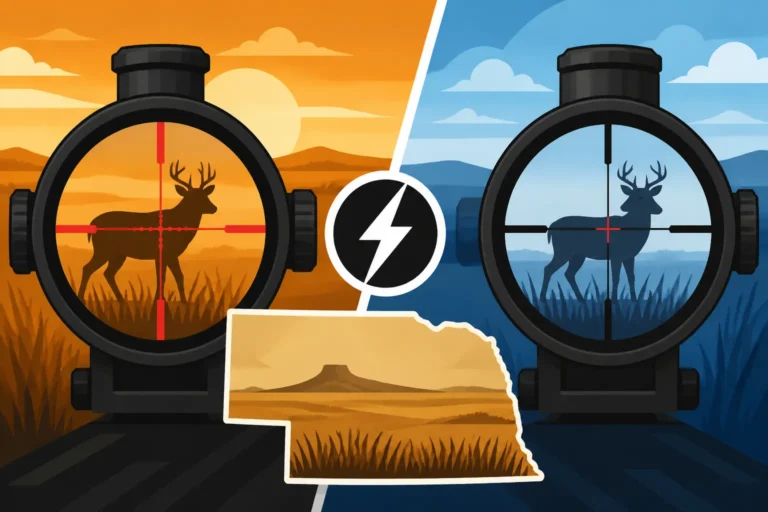
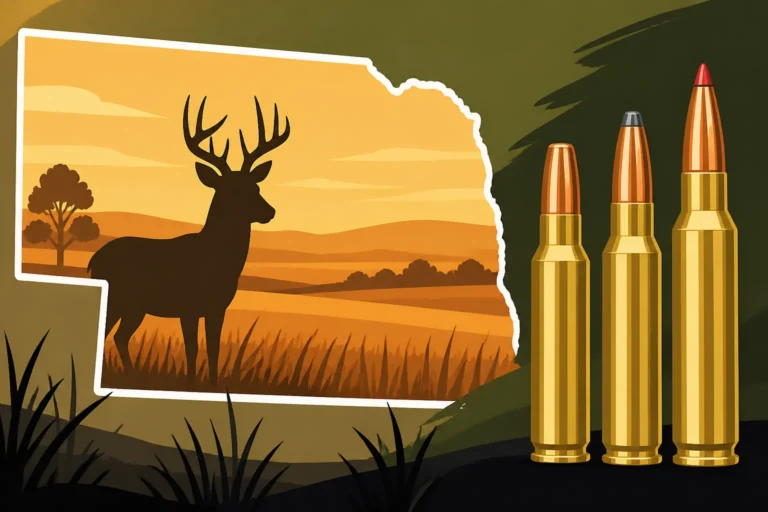
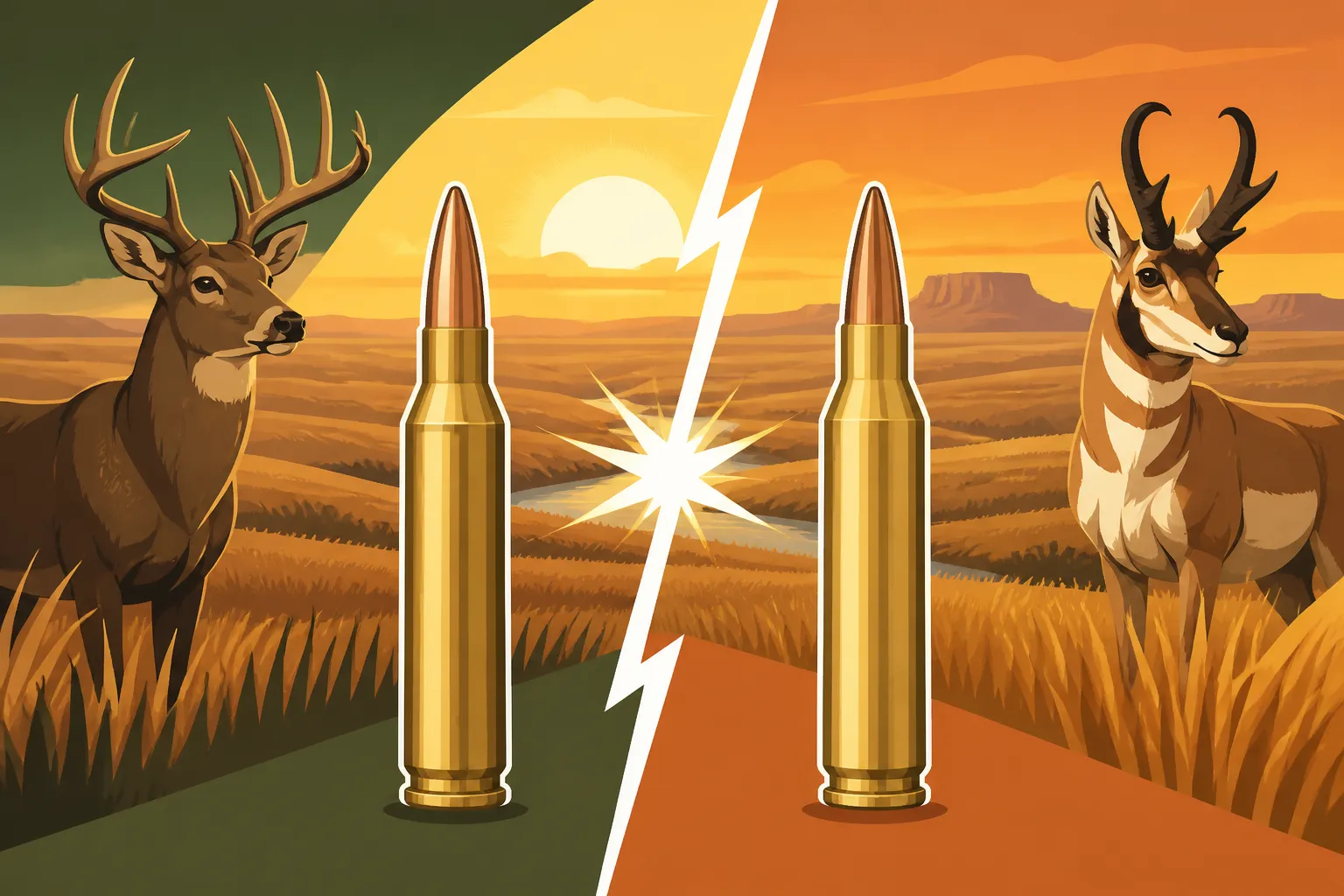
Here's a quick comparison to help visualize the key differences:
| Feature | .308 Winchester | .270 Winchester |
|---|---|---|
| Typical Bullet Weight | 150-180 grains | 130-150 grains |
| Muzzle Velocity (150gr) | ~2,800 fps | ~3,000 fps (130gr) |
| Trajectory | Moderate arc, more drop at long range | Flatter, less drop at long range |
| Wind Drift | Good, but slightly more susceptible to wind | Very good, less susceptible due to higher velocity |
| Recoil | Moderate, generally very manageable | Moderate, slightly sharper than .308 |
| Ammunition | Widely available, excellent variety, often affordable | Widely available, good variety, often a bit more costly |
| Ideal Range (for most hunters) | Up to 350-400 yards | Up to 400-500 yards (with practice) |
| Best for Nebraska | Versatile, good for timber and open country | Excellent for open country, long-range plains shots |
Real-World Applications and Nebraska Success
Ultimately, both the .308 Winchester and the .270 Winchester are exceptionally capable hunting cartridges. Thousands of deer and antelope are harvested cleanly in Nebraska every year with both. The "best" choice really boils down to your individual hunting style, confidence, and how you prepare.
Adapting to Nebraska's Diverse Terrain
Nebraska's hunting opportunities are incredibly diverse. You might be still-hunting deep ravines for whitetails in the morning and glassing open CRP fields for mule deer in the afternoon. The beauty of both the .308 and the .270 is their adaptability. A .308 will certainly take a mule deer in the Sandhills, and a .270 is perfectly adequate for a whitetail in an eastern Nebraska woodlot.
The key is understanding your rifle's capabilities with your chosen ammunition. What are your effective ethical limits with your setup? How much does your bullet drop at 300, 400, or even 500 yards? How do you account for wind? The answers to these questions are far more impactful than a simple caliber debate. Many hunters use the tools on GoHunt to compare ballistic data for various loads, helping them prepare for different scenarios in different units, whether they are hunting Pine Ridge Any Deer Draw Odds or Calamus West Any Deer Draw Odds.
Practice, Confidence, and Ethical Shots
No matter which caliber you choose, consistent practice is non-negotiable. Spend time at the range, shooting from various positions (prone, kneeling, off a bipod or shooting sticks) that mimic real-world hunting scenarios. Understanding your rifle's performance, especially for Rifle Ranges Realistic on the Nebraska Prairie, is crucial. Practice ranging targets, estimating wind, and making quick, confident decisions.
Confidence in your equipment and your abilities leads to ethical shot placement, which is the cornerstone of responsible hunting. A hunter who knows their limits and has practiced extensively with their rifle, whether it's a .308 or a .270, will make cleaner, more humane kills. Don't fall into the trap of thinking a more powerful or flatter-shooting caliber will compensate for a lack of practice. Invest in range time, know your rifle, and you'll be successful no matter which of these fantastic calibers you choose for your next Nebraska adventure. Always ensure you are prepared for Field Dressing and Cooling Game in Warm Weather or other situations where quick action is required.
Disclaimer
This article is for general informational purposes only and does not constitute professional advice. Laws, prices and regulations vary by location and change over time. Consult a qualified professional for guidance on your specific situation.