Cellular Cameras and Season Restrictions
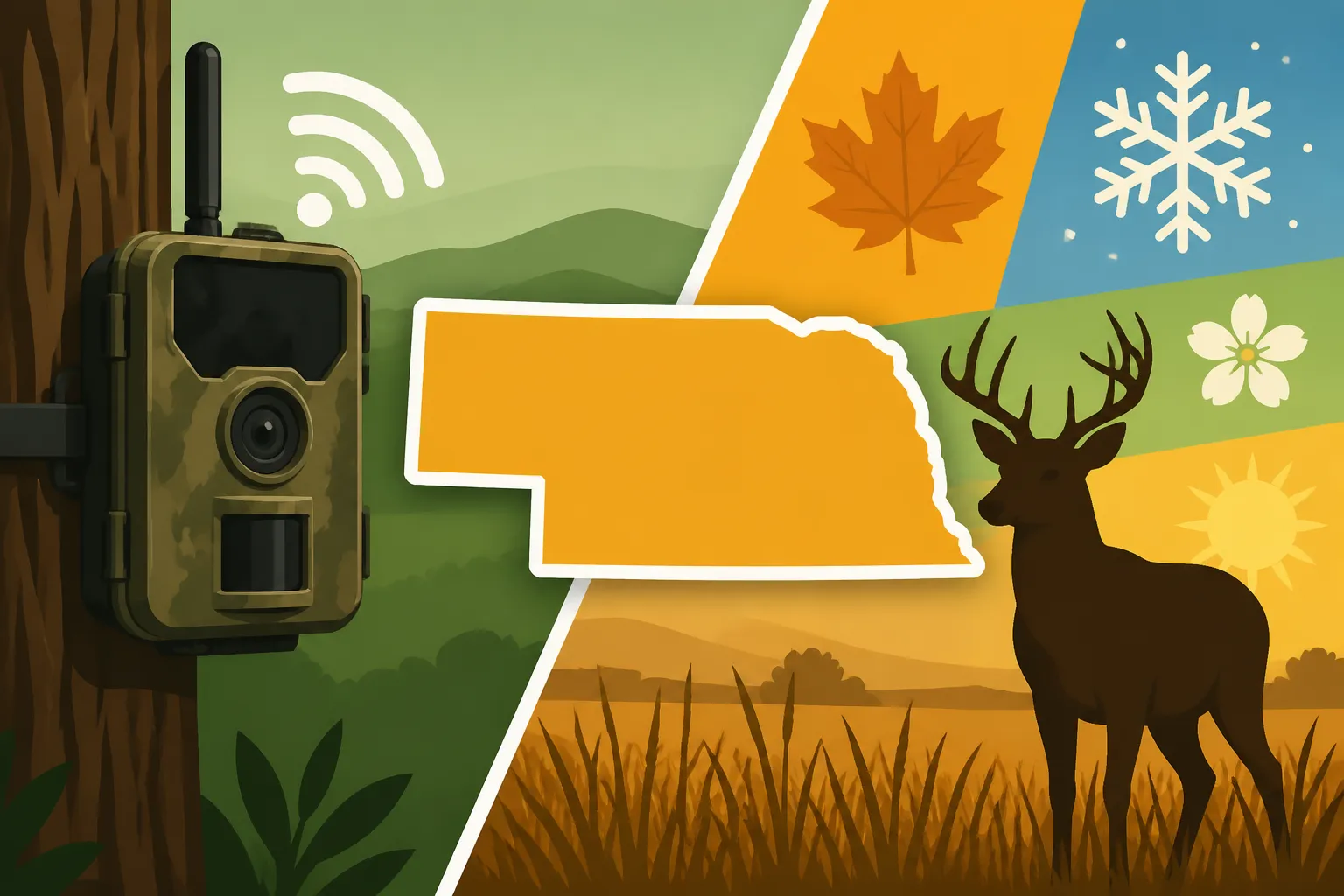
One of the trickiest balancing acts for modern hunters in Nebraska is trying to leverage all the incredible technology available without crossing lines set by regulations or, just as importantly, ethical boundaries. Cellular cameras, in particular, have introduced a whole new layer of complexity to the hunting landscape. Many of us appreciate the convenience of getting real-time intel on game movement, but understanding exactly where you can deploy these devices, especially on public land, and how their use might intersect with season restrictions can feel like navigating a minefield. This guide is here to help you unravel the often-confusing rules and unspoken ethics surrounding cellular cameras in Nebraska, so you can hunt confidently and responsibly.
Understanding Nebraska's Cellular Camera Regulations
Nebraska, like many states, has been working to adapt its hunting regulations to keep pace with rapidly advancing technology. Cellular trail cameras, which transmit images or videos wirelessly to your phone or computer, present a unique challenge to the traditional concept of fair chase and equal access, especially on public lands. It's not always black and white, and what might seem like a simple piece of scouting equipment can quickly put you on the wrong side of the law if you're not careful.
The Core Rule: Trail Cameras on Public Land
The primary concern with cellular cameras, particularly on public ground like state wildlife management areas or Open Fields and Waters tracts, revolves around the concept of "unattended" equipment and real-time surveillance. While specific regulations can sometimes be broad, the general intent often prohibits the use of devices that allow a hunter to receive immediate, real-time information about game movement from a remote location. Think about it: if you're sitting at home getting hourly updates on a buck hitting a scrape on public land, then driving straight there to intercept him, it changes the entire dynamic of the hunt.
Traditional trail cameras, which store images on an SD card that you physically retrieve, are generally viewed differently because they don't provide that instant feedback. You have to put in the legwork to check them, and the information is retrospective. Cellular cameras, however, eliminate that delay. This difference is key. Regulations aim to prevent an unfair advantage and ensure that all hunters on public land have a reasonably equitable chance. Always consult the latest Nebraska Wildlife Management Area Rules or the most recent Public Access Atlas for specific language regarding trail cameras on certain properties. Some public lands might have outright bans on any unattended cameras, cellular or otherwise, while others might focus specifically on the "transmission" aspect.
Private Land Versus Public Land Distinctions
The rules typically become much more flexible when you're hunting on private land where you have permission. On your own property, or on land where you have secured landowner permission, the use of cellular cameras is generally not restricted by state wildlife agencies. Here, the concerns shift from public access and fair chase to your personal ethical considerations and any agreements you have with the landowner.
For many hunters, cellular cameras on private ground are an invaluable tool for inventorying deer, monitoring food plots, or understanding travel corridors without disturbing the area. It allows you to stay out of the deer's bedroom until the moment you're ready to hunt, minimizing human intrusion. However, even on private land, it's essential to consider the spirit of the hunt. Are you still actively scouting, or are you simply reacting to a notification? This is a personal decision, but one worth pondering. Using an app or mapping tool like GoHunt can be incredibly helpful for clearly delineating private versus public boundaries, ensuring that any camera you deploy is on legal ground. Always double-check Nebraska's Posted-Land and Trespass Rules to understand the nuances of land access.
The Gray Areas and Evolving Technology
The technological advancements in cellular cameras often outpace the ability of regulatory bodies to write clear, unambiguous rules. This creates "gray areas" that can leave hunters scratching their heads. For example, what if a cellular camera is set to only send a daily digest of images, rather than real-time alerts? Is that still considered "real-time surveillance" if you're getting information from earlier that day while you're hunting later that afternoon? What about cameras that simply notify you that an animal has triggered the camera, without sending the image itself?
These are the kinds of questions that arise from the rapid evolution of technology. While there might not be explicit language for every scenario, it's generally best to err on the side of caution, especially on public land. The overarching intent of the regulations is to prevent hunters from having an unfair technological advantage that removes the skill and effort of traditional scouting and tracking. When in doubt, it's always wise to contact Nebraska Game and Parks directly for clarification on a specific scenario or piece of equipment. Ignoring the spirit of the law can lead to fines, permit revocation, or even more serious penalties.
Specific Season Restrictions and Ethical Considerations
Beyond the general legality of using cellular cameras, their application can also be intertwined with specific hunting seasons and, perhaps more significantly, the ethical principles that guide responsible hunting. Nebraska hunters pride themselves on fair chase, and cellular cameras can sometimes challenge that tradition.
General Hunting Season Impact
While a cellular camera might be legally deployed on private land, its use during actual hunting seasons is where many ethical and even some regulatory questions arise. The concern isn't necessarily about the camera itself, but how the real-time information it provides is used while hunting. For example, if you're bowhunting a specific area during Nebraska's Four-Month Archery Deer Season, and a cellular camera sends you an alert that a mature buck just walked by your stand location a mile away, and you immediately pack up and move to intercept him, many would argue that this goes against the spirit of fair chase.
Similarly, during Nebraska's Nine-Day November Firearm Deer Season, if a hunter is getting constant updates on deer movement in a field, it could allow them to precisely time their hunt in a way that provides an undue advantage. These are not always explicitly illegal actions, particularly on private land, but they certainly invite scrutiny from the hunting community. The act of scouting and patterning animals is a fundamental part of hunting, and real-time data from cellular cameras can, for some, diminish the challenge and satisfaction derived from that effort.
The Spirit of Fair Chase
The concept of "fair chase" is a cornerstone of ethical hunting. It implies that the hunter should not have an unfair advantage over the animal, and that the animal should have a reasonable chance to escape. For many, real-time information from cellular cameras on the exact location and movement of game fundamentally compromises this principle. It can transform hunting from a pursuit of skill, knowledge, and patience into a more reactive, immediate transaction.
Consider the effort involved in traditional scouting: walking miles, reading sign, enduring harsh weather, and spending countless hours in the field just to try and predict animal movement. A cellular camera, transmitting data straight to your phone, can bypass a significant portion of this effort. While technology can undoubtedly aid in scouting, when it crosses into providing real-time target acquisition, it raises legitimate questions about what constitutes "hunting" versus merely "harvesting." Hunters using mapping resources from GoHunt for scouting often understand the importance of truly knowing the terrain and game patterns, which is a different endeavor than simply receiving a notification.
Impact on Wildlife and Other Hunters
The widespread use of cellular cameras, particularly if allowed on public land, could also have unintended consequences for both wildlife and the hunting experience of others. If every hunter had eyes on every deer movement via cellular cameras, it could lead to increased pressure on specific animals or areas. Deer, already accustomed to human presence, might become even warier, shifting patterns and making traditional hunting methods even more challenging.
Furthermore, it creates an uneven playing field on public ground. A hunter without a cellular camera, relying on traditional scouting and woodsmanship, might feel severely disadvantaged compared to one receiving constant, live updates. This could foster resentment and detract from the communal aspect of public land hunting. Even on private land, if multiple hunters in a party are using cellular cameras, it could lead to rapid, almost instantaneous movements to intercept animals, potentially disrupting natural patterns. This isn't about shunning technology entirely, but understanding its place and potential ramifications within the hunting ecosystem.
Best Practices for Using Cellular Cameras Responsibly in Nebraska
Given the complexities and evolving nature of regulations and ethics, it's crucial for any hunter considering cellular cameras in Nebraska to adopt a responsible and well-informed approach. This means doing your homework, adhering to regulations, and always prioritizing the spirit of fair chase.
Researching Current Regulations (Every Year!)
This cannot be stressed enough: laws and regulations change. What was permissible last year might not be this year, and what applies to one type of public land might not apply to another. Before you deploy any trail camera, especially a cellular model, do your annual homework.
- Official Sources Are Your Best Friend: Always refer to the most current Nebraska Game and Parks Commission hunting guide and regulations. These are usually available online through their official portal. Don't rely solely on what you heard from a buddy or saw in an online forum.
- Specific Land Designations: Be aware that different public land designations may have different rules. For example, a National Forest or Grassland might have different camera rules than a state Wildlife Management Area or an Open Fields and Waters tract.
- Contact Them Directly: If you're unsure about a specific situation or piece of equipment, don't hesitate to call your local Nebraska Game and Parks office or email them. Getting clarification directly from the source can save you a lot of headaches, fines, and potential legal trouble down the road. This is especially important for rules around Trail Camera Rules on Nebraska Public Land.
Ethical Deployment and Respect for Others
Even where legally permitted, consider the ethical implications of your cellular camera use.
- Public Land Etiquette: If using traditional (non-cellular) trail cameras on public land where allowed, strive for minimal impact. Conceal your camera well, don't place it in obvious or high-traffic areas, and certainly don't trespass or damage vegetation. The same goes for cellular models, should regulations ever permit them more broadly. Remember that others are sharing that space, and their hunting experience is just as valid as yours. For tips on managing access, check out Planning a Hunt From the Public Access Atlas.
- Avoid Over-Pressuring: Constant monitoring and rapid responses to cellular camera alerts can put excessive pressure on game animals, particularly mature bucks or bulls. Consider using cellular cameras more for inventory and long-term pattern analysis rather than immediate strike missions, especially as seasons approach. The goal is to pattern animals, not to chase them based on real-time pings.
- Transparency with Landowners: If you're hunting private land, discuss your use of cellular cameras with the landowner. Ensure they are comfortable with your methods and that you're not inadvertently creating any issues for them or their property. This openness helps maintain good relationships and secures future hunting opportunities.
- Mapping Tools: Using mapping applications, perhaps integrated with tools like GoHunt, can help you understand precise property lines and avoid accidental deployment on land where cameras are restricted or where you don't have permission. This proactive approach shows respect for both the land and other hunters.
Alternatives and Traditional Scouting
While cellular cameras offer distinct advantages, don't underestimate the power of traditional scouting methods.
- Traditional Trail Cameras: If the real-time aspect of cellular cameras is a concern for you ethically or legally, consider using traditional trail cameras. They still provide valuable intel on game movement, patterns, and inventories, but require you to put in the effort to physically check them. This delay often feels more aligned with the spirit of fair chase for many hunters. You can learn a lot from a good SD card, even without instant notification.
- Boots on the Ground: Nothing truly replaces scouting with your own eyes and feet. Walking river bottoms for River-Bottom Whitetail Hunting in Eastern Nebraska or glassing the plains for Spot-and-Stalk Mule Deer in the Nebraska Sandhills teaches you about terrain, wind, thermals, and subtle changes in game behavior that a camera simply can't capture. It builds a deeper connection to the land and the animals. Scouting Nebraska Public Ground Before Opening Day is still the gold standard.
- Learning Game Habits: Focus on understanding why deer are moving in certain ways – what food sources they're hitting, where they're bedding, how wind direction influences their travel. This deeper knowledge, gained through observation and experience, will make you a more adaptable and successful hunter, regardless of technology. Knowing What Changes in Nebraska After the Corn Comes Off will always be more valuable than just knowing a deer was there five minutes ago.
Frequently Asked Questions About Cellular Cameras in Nebraska
Let's tackle some common questions surrounding cellular cameras in the Cornhusker State.
| Feature / Aspect | Traditional Trail Camera | Cellular Trail Camera |
|---|---|---|
| Data Transmission | Stores images/videos on an SD card (no transmission). | Transmits images/videos wirelessly (cell service). |
| Real-time Info | No; data retrieved manually after the fact. | Yes; can provide instant alerts/updates. |
| Public Land Legality | Generally permissible, but check specific WMA rules. | Often restricted due to real-time transmission. |
| Private Land Legality | Generally permissible, widely used. | Generally permissible, widely used. |
| Interaction with Game | Minimal human disturbance during setup/retrieval. | Allows monitoring with minimal human presence. |
| Cost | Typically lower upfront and no subscription fees. | Higher upfront cost, often requires monthly plan. |
| Scouting Approach | Retrospective, requires physical visits to gather data. | Proactive, allows remote monitoring and quick adaptation. |
| Ethical Concerns | Generally lower ethical concerns. | Higher ethical concerns regarding fair chase. |
Q: Can I put a cellular camera on Nebraska public hunting land?
A: Generally, no. Nebraska regulations, like those in many states, often prohibit the use of devices that transmit images or data in real time on public hunting lands. This is to maintain fair chase and ensure equal access for all hunters. Always verify the most current regulations with Nebraska Game and Parks for specific public areas, as rules can vary.
Q: Are there any specific seasons where cellular cameras are explicitly banned?
A: The ban is typically tied to the type of land (public vs. private) and the function of the camera (real-time transmission), rather than specific hunting seasons. So, if a cellular camera is banned on public land, it's banned during all hunting seasons on that land. On private land, its use is generally permissible year-round, but ethical considerations during hunting seasons still apply.
Q: What about a camera that just notifies me an animal is there, but doesn't send the picture?
A: This falls into a gray area that the regulations might not explicitly cover yet. The spirit of the law often targets the "real-time intelligence" aspect. Even a notification could be argued to provide an unfair advantage by giving you immediate knowledge of animal presence without requiring physical scouting. Again, when in doubt, consult Nebraska Game and Parks directly.
Q: Is it okay to use cellular cameras on my own private property?
A: Yes, typically. On private land where you have permission to hunt, state regulations regarding real-time transmission usually do not apply. You're free to use cellular cameras to monitor game, understand patterns, and enhance your scouting efforts, within your own ethical framework.
Q: How can I stay updated on Nebraska's camera rules?
A: The best way is to regularly check the official Nebraska Game and Parks Commission website for their current hunting guides and regulations. They publish new guides annually, and any changes in technology-related rules would be found there. Signing up for their email updates can also be beneficial.
Disclaimer
This article is for general informational purposes only and does not constitute professional advice. Laws, prices and regulations vary by location and change over time. Consult a qualified professional for guidance on your specific situation.