Batteries in Nebraska Winter Cold
There's nothing quite like heading out on a crisp Nebraska winter morning, full of anticipation, only to have your crucial hunting electronics sputter and die a few hours in. Whether it's your GPS unit going dark when you're trying to navigate a new piece of public ground, your heated vest turning stone cold in the deer stand, or your trail cameras failing to capture that elusive buck you've been monitoring, dead batteries in the cold are a universal frustration for hunters. This guide is all about understanding why cold weather saps your power and, more importantly, how to keep your essential gear running reliably through the biting chill of a Nebraska winter.
The Frigid Reality: Why Cold Weather Kills Your Batteries
Nebraska winters can be unforgiving, with temperatures plunging well below freezing for extended periods. While you might bundle up in layers and rely on a warm thermos, your electronic devices are facing a silent, chemical battle against the cold. Understanding this enemy is the first step in defeating it.
The Science Behind Cold-Weather Drain
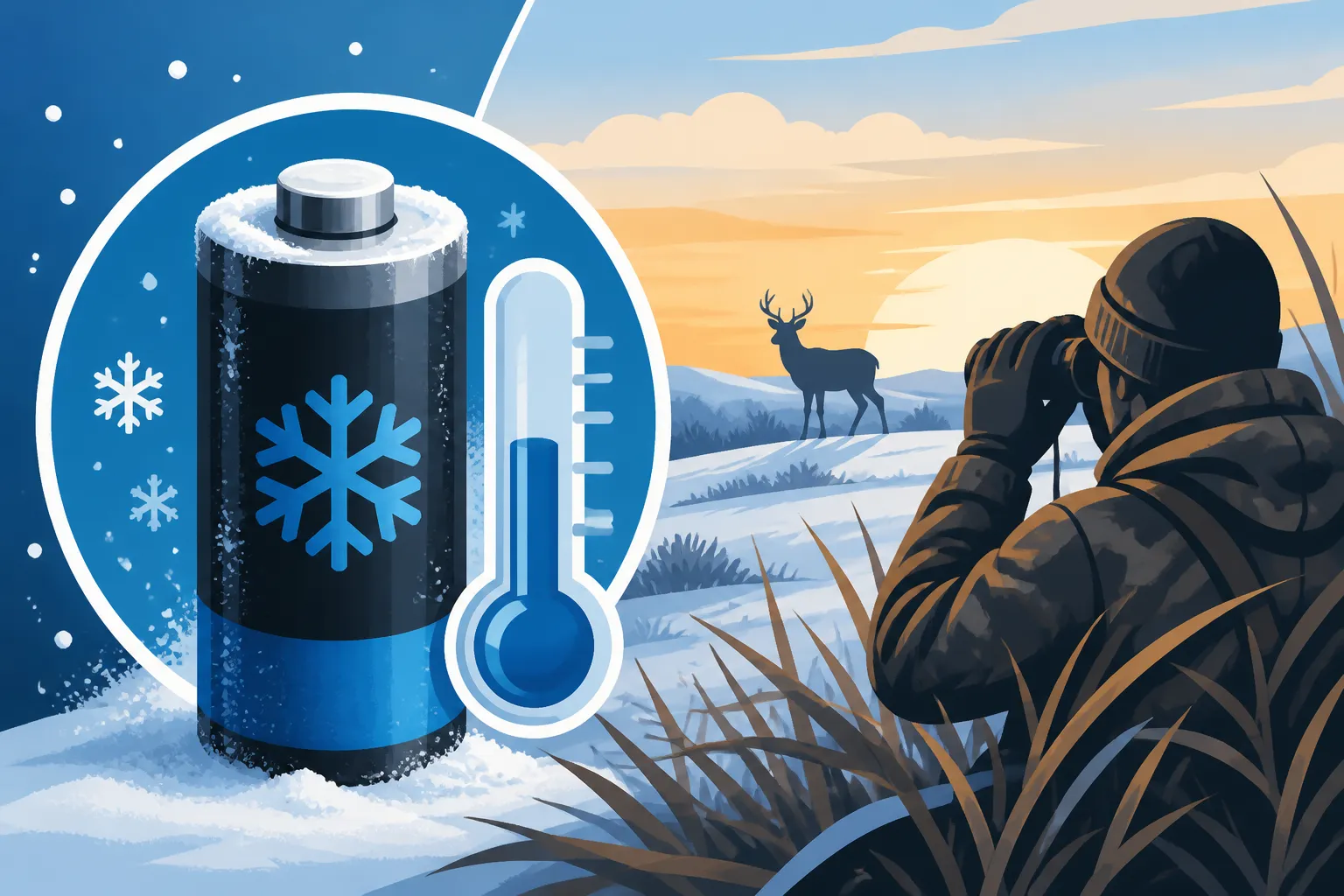
At its heart, a battery is a miniature chemical reaction in a box. Inside, charged particles move between electrodes, generating an electrical current. When temperatures drop, these chemical reactions slow down significantly. Think of it like molasses trying to flow through a pipe – everything becomes sluggish. This slowdown leads to increased internal resistance within the battery, meaning it has to work harder to deliver the same amount of power. The voltage drops, and the battery's capacity, or how much energy it can store, effectively shrinks.
Different battery types react to cold in varying ways. Standard alkaline batteries, common in many household devices, are particularly susceptible. Their performance can plummet dramatically in freezing temperatures, often losing a significant portion of their usable life. Rechargeable nickel-metal hydride (NiMH) batteries also suffer, though perhaps not as severely as alkalines. Lithium-ion (Li-ion) batteries, often found in smartphones and dedicated power banks, tend to fare better, but even they experience reduced efficiency and capacity in extreme cold. Lithium primary batteries (non-rechargeable) are generally the best performers in truly frigid conditions, designed to maintain a more stable voltage even when the mercury drops. Knowing this difference is key when stocking up for a late-season hunt.
Common Hunting Scenarios Where Batteries Fail
We've all been there, haven't we? The classic scenario is checking a trail camera after a solid week of sub-zero temperatures. You pop open the case, and the battery indicator is flashing red, or worse, completely blank. All those potential deer sightings, lost to the cold. Or picture this: you've finally settled into your treestand after a pre-dawn hike, the wind is howling, and you hit the button on your heated vest, only to feel nothing. That warmth you were counting on to keep you comfortable through your Cold Weather Sitting Strategy is gone, just when you need it most.
It's not just the big-ticket items. Your handheld GPS unit, vital for navigating Scouting Nebraska Public Ground Before Opening Day or simply finding your way back to the truck in the dark, can suddenly display a low battery warning at a critical moment in a deep draw. A rangefinder might become unresponsive just as that Sandhills buck steps out at 300 yards. And if you're out predator calling, trying to bring in a coyote on a frigid morning, a dying e-caller can be the difference between success and a frustrating silence. The inconvenience isn't just a minor annoyance; it can impact your safety, your success, and frankly, your enjoyment of the hunt.
Strategic Solutions for Battery Survival in Nebraska's Winter
Facing a Nebraska winter, you can't just hope your batteries will hold up. You need a strategy. This involves making smart choices about the batteries you use and adopting practical habits to keep them performing in the cold.
Choosing the Right Batteries for Cold
When you're gearing up for cold-weather hunting, not all batteries are created equal. This is where a little upfront knowledge can save you a lot of headache later.
Lithium vs. Alkaline: The Cold-Weather Showdown
For any critical device that uses standard AA or AAA batteries, make the switch to lithium primary batteries (the non-rechargeable kind, often labeled "Ultimate Lithium" or similar). While they cost more, their performance in cold temperatures is far superior to alkaline. They maintain a higher, more stable voltage, meaning your devices will run longer and more reliably when it's freezing. For items like your GPS, headlamp, or rangefinder, this isn't just a convenience; it's a necessity. If you're looking for gear recommendations, many trusted resources, like what you might find on GoHunt's gear reviews, emphasize the importance of battery type for extreme conditions.
Rechargeable batteries, specifically NiMH (like Eneloops), can work, but they require more active management. They lose charge faster in the cold when not in use, and their capacity is significantly reduced. They're best kept warm until immediately before use and are ideal for items with a consistent power draw where you can cycle them out for fresh, warm ones. Lithium-ion rechargeable batteries, often built into devices like power banks, heated apparel, or some GPS units, perform better than NiMH but still benefit greatly from insulation.
A Quick Comparison of Battery Types
| Battery Type | Cold Weather Performance | Cost | Best Use Cases in Winter Hunting |
|---|---|---|---|
| Lithium Primary | Excellent | Highest | GPS, Rangefinders, Headlamps, Critical Trail Cams |
| Lithium-Ion (Rech.) | Good | High | Power Banks, Heated Apparel, Modern Handheld Devices |
| NiMH (Rech.) | Fair (with management) | Moderate | Devices needing frequent changes, kept warm before use |
| Alkaline | Poor | Lowest | Least critical items, or if kept very warm until use |
Practical On-the-Go Tactics to Preserve Power
Once you have the right batteries, it’s all about how you manage them in the field. Every degree warmer helps preserve their life and output.
First and foremost, always carry spare batteries, and keep them warm! This means stashing them deep in an inside pocket of your jacket, perhaps even tucked into a pouch with a chemical Hand Warmers That Last a Full Sit. Your body heat is your best friend here. When a device starts to falter, you can quickly swap in a pre-warmed set. This strategy can double or triple your effective run time for devices like headlamps or GPS units.
For devices you can't easily swap batteries in and out of, like some heated vests or e-callers, focus on insulation. If your rangefinder comes with a soft case, use it. For a GPS unit, you might even consider wrapping it in a piece of spare cloth or a thick sock if it’s not actively in use. The goal is to slow down the rate at which the battery's internal temperature drops to match the ambient air. Even a few degrees can make a noticeable difference in performance.
When it comes to power banks, essential for charging phones or other USB-powered devices, treat them like your spare batteries. Keep them in an inside pocket. You can even find insulated pouches designed specifically for power banks, which can be a game-changer for extending their usability on a truly frigid day.
Protecting Your Trail Cameras and Remote Devices
Trail cameras are particularly vulnerable to battery drain in winter because they're often left exposed for extended periods. The cold constantly works against their internal power supply.
One of the most effective strategies is to use external battery packs. Many trail camera models have ports for connecting an external 6V or 12V battery. These larger batteries have more capacity and, when housed in an insulated box or even buried slightly at the base of a tree, can resist the cold much better than the smaller internal AA batteries. Make sure you check your local Trail Camera Rules on Nebraska Public Land or Cellular Cameras and Season Restrictions if you're using cellular models, as regulations can vary.
Consider the placement of your cameras, too. A camera tucked deep into a cedar thicket will generally experience less extreme temperature fluctuations than one exposed on an open field edge. If possible, plan for seasonal rotation of your camera locations, moving them to more sheltered spots for the coldest months. And during the winter, increase the frequency of your battery checks. Don't wait a month; plan to swap batteries every couple of weeks, or even weekly if temperatures are consistently brutal. When purchasing new trail cameras, it's worth checking GoHunt reviews or similar sources to see if they highlight cold-weather battery performance as a feature. Some brands offer models specifically designed with better cold-weather resistance.
Gear-Specific Battery Management for Nebraska Hunters
Different hunting electronics have different power demands and require tailored battery management strategies. What works for a headlamp might not be enough for a heated vest.
GPS, Rangefinders, and Two-Way Radios
These are often your lifelines in the field. A GPS unit ensures you know where you are, helps you navigate Entry and Exit Routes on Flat Farm Ground, and keeps you from wandering onto private land. A rangefinder is crucial for ethical shot placement, especially in Nebraska's often wide-open country. Two-way radios are invaluable for communicating with hunting partners, especially when executing a Two-Person Deer Drives on Small Timber or walking birds.
For these devices, always use lithium primary AA/AAA batteries. Their consistent voltage output is vital for the precise electronics in these units. Carry at least one, if not two, complete spare sets. Keep these spares in a warm, inside pocket. When your device starts showing a low battery warning, swap them out quickly. Consider a GPS unit or rangefinder that uses easily replaceable batteries over one with an integrated rechargeable battery, as swapping out a fresh, warm set is often faster and more reliable than trying to power cycle or warm up an internal battery. Apps on your phone can serve as a backup, but remember that your phone's battery will also drain rapidly in the cold, so a dedicated GPS Units Versus Phone Apps approach is often best.
Heated Apparel and Electric Calls
Heated vests, gloves, and socks can make a miserable day in a treestand tolerable, potentially extending your sit and increasing your chances of success. However, they are significant power consumers. Most heated apparel uses proprietary lithium-ion battery packs.
The key with these is to understand their power draw. Running a vest on high all day will drain the battery much faster than running it on a low setting, or only turning it on when you feel a chill. Prioritize its use: save the high setting for those critical hours at dawn and dusk, or when you're truly shivering. Always start with a fully charged battery pack. If you're planning an all-day sit in severe cold, consider investing in a second battery pack if your vest supports it. Keep any spare packs in your warmest inner pocket until needed. When you are doing something active like Coyote Calling in Nebraska Winter, you might not need the heated gear constantly, but once you set up for a sit, it becomes invaluable. For electric calls, especially if you're broadcasting over a long period, larger external 12V batteries are often the best bet, ideally kept insulated in a small cooler or backpack.
Flashlights and Headlamps
Winter days are short in Nebraska, and you'll often be walking in and out in the dark. A reliable source of light is non-negotiable for safety and efficiency. Night Hunting Rules for Predators in Nebraska allow it in some cases, so proper lighting is even more crucial.
Again, lithium primary batteries are the top choice for your primary headlamp. Have a backup headlamp or a small, powerful flashlight in your pack, also with fresh lithium batteries. Headlamps with multiple brightness settings allow you to conserve battery life by using lower lumen outputs for general walking and saving the high beam for blood trailing or spotting distant landmarks. Keeping your spare batteries warm is particularly important for headlamps; a cold battery will significantly dim your light output. Before every hunt, quickly test your headlamps and ensure fresh batteries are installed.
Long-Term Battery Care and Storage
Your battery strategy isn't just about what happens in the field; it's also about how you treat your batteries when they're not in active use. Proper storage and maintenance can extend their overall lifespan and ensure they're ready when hunting season rolls around.
Proper Storage for Off-Season and Spares
When you're packing away your hunting gear for the off-season, or simply storing spare batteries, don't just toss them in a box. Environmental factors, particularly temperature, play a big role in their longevity.
The ideal storage temperature for most batteries is room temperature, away from extreme heat or cold. Heat can accelerate the chemical degradation of batteries, while prolonged cold storage can lead to a gradual loss of capacity. Always remove batteries from devices when storing them for extended periods. This prevents issues like corrosion from battery leakage, which can permanently damage your valuable electronics. Nothing stings more than pulling out a perfectly good trail camera only to find corrosion from a forgotten alkaline battery.
For rechargeable batteries, it's a good practice to charge them to about 50-70% before long-term storage, and then perform a "top-off" charge every few months. This prevents them from deep discharging, which can reduce their overall lifespan. When purchasing batteries in bulk, especially lithium primaries, ensure you're rotating your stock. Use the older batteries first and replenish with fresh ones, paying attention to any "best by" dates. GoHunt and other outdoor gear retailers often provide guidance on extending the life of your gear, including battery care, so it’s always a good idea to check their resources.
Trouble-shooting and Maintenance Tips
Even with the best batteries and storage practices, issues can arise. Knowing how to troubleshoot and maintain your batteries can save you a hunt.
If a device isn't powering on, first check the battery contacts. Sometimes, a thin layer of corrosion or dirt can prevent a good electrical connection. A pencil eraser or a cotton swab with a tiny bit of rubbing alcohol can gently clean these contacts. Always make sure the device is off and the batteries are removed before cleaning.
Never mix old and new batteries, or different brands, in the same device. This can lead to uneven discharge, potentially causing leakage or even overheating. If a battery feels hot to the touch or shows any signs of bulging, dispose of it immediately and responsibly.
Finally, be mindful of environmental disposal. Batteries contain chemicals that are harmful if released into the environment. Many communities have recycling programs for batteries. Never just toss them in the trash; seek out proper disposal methods to protect our wild spaces, which we all cherish as hunters. By combining smart battery choices with diligent in-field and off-season care, you'll be well-prepared to face anything a Nebraska winter throws your way.
Disclaimer
This article is for general informational purposes only and does not constitute professional advice. Laws, prices and regulations vary by location and change over time. Consult a qualified professional for guidance on your specific situation.