Cold Weather Sitting Strategy
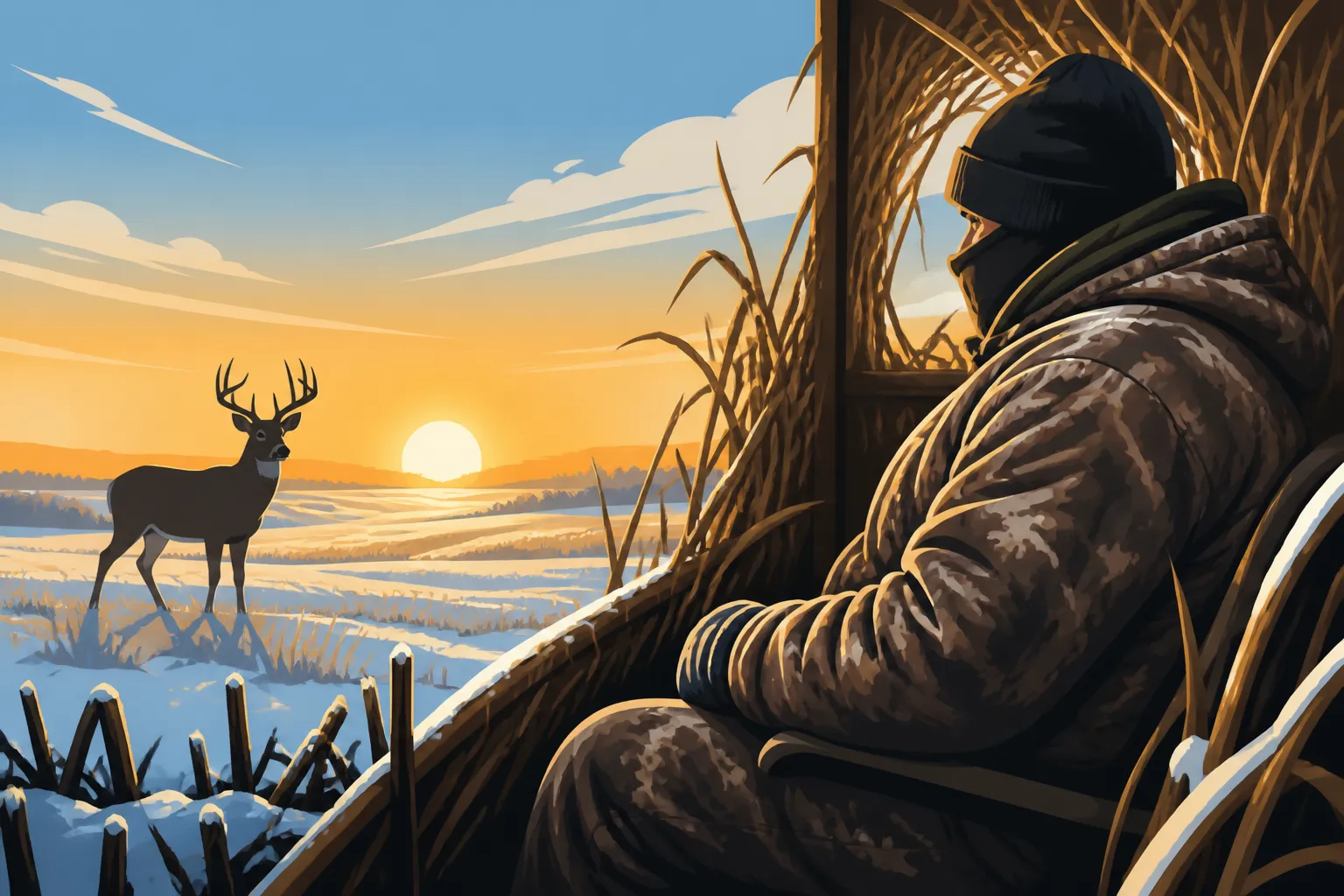
There's nothing quite like the biting cold of a Nebraska winter when you're trying to sit still on a deer stand or in a blind. The wind whips, the temperature plummets, and suddenly, what was a beautiful morning hunt can turn into an exercise in miserable endurance. This guide is all about helping you conquer that chill, sharing proven strategies and gear choices to keep you warm, comfortable, and focused during those crucial cold-weather sits, so you can extend your time in the field and increase your chances of success.
Understanding Nebraska's Winter Chill and What It Means for Hunters
Nebraska winters are no joke, and if you've spent any time out in the elements trying to punch a tag, you already know this. We're talking about brutal wind chills that slice through thin layers, bone-numbing temperatures, and often, damp conditions or even deep snow. The state's open plains and river bottoms offer little respite from the elements, making effective cold-weather strategy paramount. Ignoring these factors can quickly turn a hopeful day into a shivering retreat.
The Role of Wind and Humidity
It's not just the mercury reading that dictates how cold you feel; wind and humidity are huge players, especially in Nebraska. A 20-degree day with a 20 mph wind can feel like zero or even below, drastically increasing the rate at which your body loses heat. This windchill factor is your silent enemy. Open fields, creek crossings, and even slightly elevated positions become wind tunnels, and if your clothing isn't specifically designed to block that wind, you'll be chilled to the bone in no time. Think about those long sits on a fence line or waiting out a buck in a shelterbelt; the wind never seems to let up.
Humidity also plays a sneaky role. While dry cold feels harsh, damp cold penetrates. When there's moisture in the air, or if you start to sweat under your layers, that moisture acts as a conductor, pulling heat away from your body much faster. This is why staying dry, both from external precipitation and internal perspiration, is absolutely critical. You might feel warm hiking into your spot, but if you arrive drenched in sweat, that moisture will turn icy once you sit still, making for a truly miserable experience.
Common Misconceptions About Staying Warm
Many hunters, especially those new to Nebraska's extreme cold, fall prey to a few common misconceptions. One is simply piling on too many bulky layers of cotton. Cotton might feel soft, but once it gets wet, it loses almost all its insulating properties and takes forever to dry. It's the enemy of cold-weather comfort. Another mistake is neglecting insulation from the ground up. You can have the warmest parka, but if your feet are freezing because your boots aren't up to snuff or you're sitting directly on a cold metal stand, the rest of your body will quickly follow suit.
Another oversight is underestimating the importance of heat retention before you get cold. It's much easier to stay warm than to get warm once you're already shivering uncontrollably. This means dressing appropriately from the moment you leave the truck, even if it feels a little too warm during the walk in, and having backup plans for maintaining heat throughout your sit. You need to be proactive, not reactive, when dealing with Nebraska's winter temperatures.
Mastering the Art of Layering for Success
Layering isn't just a buzzword; it's a scientific approach to keeping your body at a comfortable temperature, allowing you to adapt to changing conditions and activity levels. In Nebraska, where temperatures can swing wildly from morning to midday, and a short walk can generate significant body heat, a well-thought-out layering system is your best friend.
The Foundation: Base Layers that Perform
Your base layer is the closest thing to your skin, and its primary job is to manage moisture. Forget cotton; for cold weather, you need materials that wick sweat away from your body while still providing a touch of warmth. Merino wool and synthetic blends are the undisputed champions here. Merino wool is incredible because it's soft, naturally odor-resistant, and insulates even when damp. Synthetics, like polyester, are also excellent at wicking, dry quickly, and are often more budget-friendly.
When choosing your base layer, consider its weight. A lightweight base might be fine for a brisk November morning, but for a frigid December sit, you'll want a mid-weight or even a heavy-weight base layer. Brands like Sitka, First Lite, and Kuiu offer excellent base layer options designed specifically for hunters, but even a good quality athletic base layer from a sporting goods store can make a world of difference. Remember, the goal is to keep your skin dry, which is the first step in staying warm.
The Core: Insulating Mid-Layers
Once your base layer is handling moisture, your mid-layers are all about trapping warm air close to your body. This is where you build your thermal insulation. Fleece, down, and synthetic puffies are the go-to choices. Fleece is versatile, breathable, and relatively inexpensive, making it a great everyday mid-layer. However, it can be bulky. Down is incredibly warm for its weight and highly compressible, but it loses its insulating properties if it gets wet. Synthetic insulation, on the other hand, performs well even when damp, making it a more reliable choice in unpredictable Nebraska weather.
You might wear one or two mid-layers depending on the temperature. For example, a thinner fleece vest over your base, topped with a heavier puffy jacket, gives you incredible flexibility. As you walk into your spot, you might shed the puffy, then put it back on once you're settled in. This ability to add or subtract insulation is key to preventing overheating and subsequent chilling. This is also where you might think about your lower body; don't just focus on your torso. Insulated bibs or pants can serve as both a mid-layer and an outer layer for your legs, keeping those crucial muscle groups warm.
The Shell: Outer Layers for Protection
Your outer layer, or shell, is your shield against the elements. Its job is twofold: to block wind and repel moisture. Even if it's not actively raining or snowing, a good windproof and water-resistant (or waterproof) outer layer is non-negotiable in Nebraska. Many hunting-specific outer layers are designed with quiet fabrics, so you can move without spooking game. Look for features like durable water repellent (DWR) finishes, taped seams, and adjustable cuffs and hoods to seal out drafts.
For long sits, a heavily insulated, windproof, and waterproof parka and bib system is often the best choice. Brands often refer to these as their "late-season" or "expedition" lines. These aren't designed for active hiking but for extreme warmth while stationary. When selecting your outer layer, ensure it's large enough to comfortably accommodate all your base and mid-layers without compressing them, as compression reduces insulation. Consider a versatile piece of gear like a good pair of insulated bibs that can handle everything from a brisk autumn evening to the deep cold of a late-season hunt for Nebraska Muzzleloader Deer Tactics in December The right shell can literally be the difference between a successful, comfortable hunt and an early exit.
Fueling Your Body and Mind for the Cold
Beyond clothing, what you put into your body and how you approach the mental game of enduring cold are just as critical. Many hunters overlook these aspects, but they can be the hidden keys to extending your sit and maintaining focus.
The Power of Nutrition and Hydration
Your body is a furnace, and to keep that furnace burning hot, you need to provide it with the right fuel. In cold weather, your body expends more energy just to maintain its core temperature. This means you need more calories. Pack high-energy, easy-to-eat snacks that provide sustained energy, not just a quick sugar rush. Think trail mix, energy bars, nuts, dried fruit, and even a good quality sandwich. Avoid sugary drinks or anything that might lead to a crash.
Hydration is also absolutely vital, yet it's often neglected in cold weather because you don't feel as thirsty as in summer. Dehydration impairs your body's ability to regulate temperature, making you more susceptible to the cold. Drink plenty of water or warm, non-caffeinated beverages. A good thermos filled with hot coffee (though be mindful of caffeine's diuretic effect) or, even better, hot tea or broth can be a game-changer. It provides internal warmth and helps you stay hydrated. On a long Muzzleloader Deer Hunting in Nebraska in December sit, sipping warm liquid can be a morale booster as much as a physical one.
The Mental Game of Enduring the Chill
Hunting in cold weather is as much a mental challenge as it is a physical one. If you go into it dreading the cold, you're already at a disadvantage. Instead, cultivate a positive mindset. Focus on the beauty of the winter landscape, the quiet stillness of the woods, or the anticipation of a deer appearing. Distraction can also be helpful; silently run through your shot process, plan your next move, or simply observe the subtle movements of the forest.
Having a clear objective and a willingness to stay out longer can push you through discomfort. Remind yourself that the deer are out there, potentially moving more during cold snaps to find Late-Season Food Sources in Nebraska Visualization techniques can also work wonders – imagine yourself making a perfect shot, field dressing your deer, or hauling it back to the truck. This mental engagement keeps your mind off the cold and on the task at hand. Just be sure to listen to your body and know when it's genuinely time to call it a day for safety.
Essential Gear Beyond Clothing
While a good layering system is fundamental, there's an entire arsenal of gear designed to keep you warm during those long, cold sits. Don't overlook these crucial items; they can significantly enhance your comfort and overall success.
Portable Heaters and Warming Devices
For serious cold-weather hunting, a portable heater can be a game-changer, especially in a ground blind. Small propane heaters like those from Mr. Heater are incredibly popular. They kick out a surprising amount of warmth, making a ground blind feel like a cozy cabin. Just be sure to use them safely, ensure proper ventilation, and always have extra fuel. For tree stand hunters or those who prefer something more portable, chemical hand warmers and toe warmers are absolute essentials. I usually stash a few extra in my pockets, ready to activate when the chill really sets in. Some hunters even use rechargeable heated vests or seat cushions for an extra boost of core warmth.
Another great option is a large foot muff, often insulated with synthetic fill or down. Your feet are often the first to get cold because of reduced blood flow when sitting still. A good pair of Insulated Boots for a Firearm Season Sit coupled with warm socks and then nestled inside a heated foot muff can be a game-changer. Brands like GoHunt often review various gear, and their recommendations for winter hunting gear can provide valuable insights into what works best for serious hunters facing extreme conditions.
Insulating the Ground Up
Think about where you're sitting. A cold metal treestand or direct contact with frozen ground can suck heat out of your body faster than you realize. A quality seat cushion made from closed-cell foam is a must-have for any treestand. It provides a barrier against the cold and adds comfort. For ground blind hunting, a thick foam pad or even a small insulated rug can make a huge difference, not just for your rear but for your feet as well.
If you're still-hunting or sitting on the ground, consider a small, lightweight sit pad that you can easily deploy. It's amazing how much difference a half-inch of foam can make when you're perched on a frozen log or a patch of snow. Even a simple piece of cardboard under your feet in a ground blind can help prevent heat loss. Every little bit of insulation from the ground or your stand matters.
Hands, Feet, and Head: The Critical Extremities
Your hands, feet, and head are where you lose the most heat, and if they get cold, the rest of you will soon follow.
- Hands: A good layering system applies here too. Thin, touch-screen compatible liner gloves allow for dexterity. Over these, wear a pair of insulated, windproof gloves or, better yet, mittens, which keep your fingers together for more warmth. Hand warmers tucked into your gloves or a hand muff are fantastic additions. For serious cold, a hand muff with an integrated heating element can be a lifesaver.
- Feet: This is often the hardest battle. Start with quality wool or synthetic socks that wick moisture. Avoid cotton at all costs. Layering socks can work, but avoid making your boots too tight, which restricts blood flow. Your boots themselves need to be rated for extreme cold and be waterproof. Look for high grams of Thinsulate or similar insulation. Brands like Schnee's, Kenetrek, and Irish Setter make boots specifically for cold-weather hunting. When planning for a hunt on Deep Snow and Deer Movement knowing your footwear is up to the task is crucial.
- Head: A good insulated hat or balaclava is non-negotiable. You lose a significant amount of heat through your head. A balaclava offers full face and neck protection, which is invaluable in biting Nebraska winds. If you're wearing an orange vest for Orange Requirements for Archers in November make sure your hat doesn't interfere with its visibility.
Always bring extra Hand Warmers That Last a Full Sit and a second pair of dry socks. If your feet get wet, swapping out socks can instantly improve your comfort and stave off potential issues. When it comes to planning your gear, looking at resources like GoHunt's gear lists for different conditions can give you excellent ideas for what to pack.
Cold Weather Gear Checklist
To help you get ready for your next frigid outing, here's a basic checklist of cold weather gear recommendations. Remember, adjust based on the exact forecast and your personal tolerance for cold.
| Category | Essential Items | Pro Tips & Considerations |
|---|---|---|
| Base Layers | Merino wool or synthetic long underwear (top & bottom) | Match weight to anticipated temps. Avoid cotton! Ensure snug but not restrictive fit for optimal wicking. |
| Mid-Layers | Fleece jacket/pants, insulated puffy jacket (down or synthetic) | Layer for flexibility. Down for dry cold, synthetic for damp. Make sure layers aren't too bulky under outer shell. |
| Outer Layers | Windproof, waterproof, insulated parka and bibs/pants | Critical for blocking Nebraska wind. Choose quiet fabric. Ensure size allows for layering without compression. |
| Headwear | Insulated hat (beanie or trapper), balaclava/neck gaiter | Cover all exposed skin. Balaclava offers superior face protection against windchill. |
| Handwear | Thin liner gloves, insulated gloves or mittens, hand muff | Mittens are warmer than gloves. Keep a spare pair of liners. Consider Hand Warmers That Last a Full Sit inside. |
| Footwear | Wool or synthetic socks (multiple pairs), insulated, waterproof boots | Ensure boots are rated for severe cold. Don't overtighten to allow blood flow. Consider heated socks for extreme cold. |
| Seating/Ground | Insulated seat cushion for treestand, foam pad for ground blind | Prevent heat loss through conduction. Even a small pad makes a huge difference. |
| Warmers | Chemical hand/toe warmers, body warmers, portable propane heater (for blinds) | Heaters for blinds need ventilation. Chemical warmers are great for pockets, boots, and gloves. |
| Hydration/Fuel | Insulated thermos (hot liquids), high-calorie snacks, water bottles | Stay hydrated to help regulate body temperature. Pack easy-to-eat, energy-dense foods. |
| Electronics | Fully charged phone, GPS, power bank, extra batteries | Cold drains batteries fast. Keep devices close to your body. Consider a hunting app like GoHunt for navigation and maps. |
| Safety | First-aid kit, whistle, small flashlight/headlamp, knife, fire starter | Always be prepared for emergencies, especially when hunting remote areas or in challenging conditions. |
This comprehensive approach to cold-weather sitting strategy, combining proper layering, nutrition, the right gear, and a strong mental game, will dramatically improve your comfort and success rate when hunting in Nebraska's winter months. You'll be able to stay on stand longer, focus better, and ultimately, increase your odds of punching that tag.
Disclaimer
Hunting is an inherently dangerous activity. Always prioritize safety, adhere to all Nebraska Game and Parks Commission regulations, and understand local weather conditions. The information provided here is for educational purposes and should not replace professional guidance or personal judgment. Be aware of the risks of hypothermia and frostbite in cold weather and know when to seek warmth and shelter.