Insulated Boots for a Firearm Season Sit
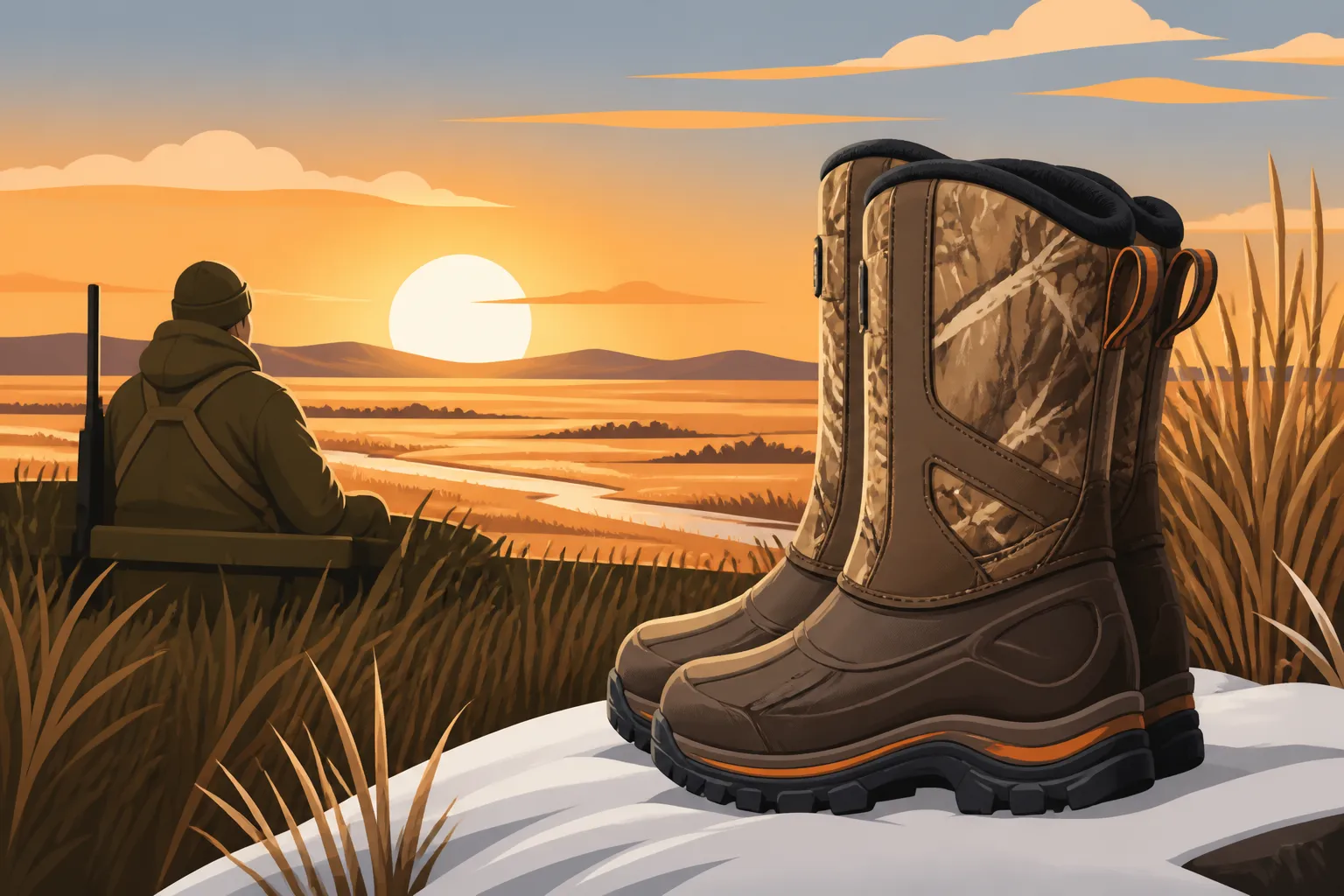
There's nothing quite like the crisp air of a Nebraska autumn, but when that calendar page flips to November, especially during the firearm deer season, that crispness can turn into a biting, relentless cold that seeps right into your bones. For many hunters, the biggest battle isn't with the deer, but with keeping their feet warm during those long, stationary hours on a stand. This guide is all about equipping you with the knowledge to conquer cold feet and make your firearm season sits enjoyable and productive.
The Unseen Battle: Why Cold Feet Ruin a Nebraska Firearm Season Hunt
You've spent months scouting, setting up stands, and practicing your shot. The day arrives, you're nestled into your perfect spot before dawn, and then it starts. That subtle chill in your toes, slowly creeping up your feet, eventually becoming an unbearable ache. It’s a common story in Nebraska, and it's a surefire way to sabotage even the most promising hunt.
The Brutal Reality of Nebraska November and December Weather
Nebraska's firearm deer season, typically in November, can throw a real curveball at hunters. One day it might be relatively mild, allowing for lighter layers, but the next could bring a brutal cold front, strong winds, or even an unexpected dusting of snow. December, when muzzleloader season is in full swing, is often even more unforgiving. The ground is typically frozen solid, acting as a giant cold sink just waiting to suck the warmth right out of your boots. Sitting motionless for hours in a treestand or ground blind means your body isn't generating much heat, making you highly susceptible to the cold.
This isn't just about feeling a little chilly; it's about enduring hours where the cold penetrates everything, making it impossible to focus. The wind, especially in open country, can be relentless, cutting through even seemingly robust gear. Imagine being perched in a stand near a cornfield edge, the wind howling across the harvested stalks, and you're trying to stay focused on a deer trail, but all you can think about is the numbness spreading through your toes. It’s a frustrating reality for many, and it's why proper preparation, starting with your feet, is non-negotiable for anyone serious about hunting in Nebraska's cold. For hunters planning their approach, checking resources like Nebraska Firearm Deer Season Dates can help anticipate these conditions.
Beyond Discomfort: The Impact of Cold Feet on Hunting Success
When your feet get cold, it’s not just a minor inconvenience; it's a major distraction that can directly impact your ability to hunt effectively. Your body's natural response to extreme cold is to shunt blood flow from your extremities to your core organs to protect them. This means your hands and feet get even colder, faster. The discomfort quickly escalates to shivering, which makes holding a rifle steady incredibly difficult. Every twitch, every adjustment you make to try and warm up, every shift in your stand as you stomp your feet, creates movement and noise that can alert wary deer.
Patience, a hunter's greatest virtue, evaporates when you're battling the cold. You might find yourself cutting your sit short, abandoning a prime location just to seek warmth. Or, you might feel compelled to get down and walk around, potentially spooking game you never even knew was close. Imagine seeing that buck of a lifetime emerge from the timber, but your hands are shaking, your feet are aching, and your mind is screaming "warmth!" instead of focusing on the shot. This is why addressing cold feet is paramount; it allows you to maintain the stealth, focus, and endurance required for a successful hunt, especially when implementing a Cold Weather Sitting Strategy. Don't let a seemingly small detail like cold feet derail your entire season.
Decoding Insulated Boots: What to Look for in a Nebraska Hunting Boot
Choosing the right insulated boots for Nebraska's firearm season isn't as simple as grabbing the warmest pair off the shelf. There's a science to staying warm, and it involves understanding insulation ratings, waterproofing, fit, and overall construction. Investing in good boots is investing in your comfort, your patience, and ultimately, your success in the field.
Insulation Ratings: Finding Your Warmth Sweet Spot
Insulated hunting boots are typically rated by "grams" of Thinsulate or similar synthetic insulation. This number indicates the density of insulation within the boot. Generally, the higher the gram rating, the warmer the boot, but there's a trade-off with bulk and mobility.
- 200-400 grams: These are often considered "light" insulation. They're suitable for early season hunts, mild cold, or if you're doing a lot of walking where your body will generate heat. For purely stationary sits in November or December, this might not be enough unless you're layering extremely well or have excellent circulation.
- 600-800 grams: This is a good mid-range for many Nebraska firearm season conditions. It offers a balance of warmth and reasonable mobility. If you're walking a decent distance to your stand but still plan to sit for several hours, this range can be a sweet spot.
- 1000-1200 grams: Now we're getting serious. These boots are designed for colder temperatures and more prolonged stationary periods. For hunters who plan to sit for most of the day in freezing conditions, this is often a minimum recommendation. They will be bulkier, but the warmth is often worth the trade-off.
- 1600-2000+ grams: These are the heavyweights, built for extreme cold and extended periods of inactivity. If you're planning an all-day sit in single-digit temperatures, especially during Nebraska Muzzleloader Deer Tactics in December, or if you tend to get cold easily, boots in this range are your best bet. Be aware that these can be quite bulky and heavy for walking, so they are best suited for situations where you have minimal movement.
When considering insulation, remember that everyone's tolerance to cold is different. What works for one hunter might not work for another. Also, factor in your activity level. If you're doing a lot of still-hunting or short drives, you might not need as much insulation as someone who plans to Hanging a Stand on a Cornfield Edge for six hours straight. Tools like the gear section on GoHunt can offer useful insights into different boot options and their insulation levels, helping you compare various brands and models designed for cold weather.
Waterproofing and Breathability: The Dynamic Duo
Insulation is only part of the equation; waterproofing is equally, if not more, critical for staying warm in Nebraska's variable fall and winter conditions. A wet foot is a cold foot, no matter how much insulation your boot has. Snow, slush, dew-covered grass, and mud are common during firearm season, and your boots need to be a fortress against moisture.
Look for boots with a reliable waterproof membrane, such as Gore-Tex, eVent, or proprietary brand equivalents. These membranes prevent external water from entering the boot while theoretically allowing some internal moisture (sweat vapor) to escape. This "breathability" is crucial because if your feet sweat and that moisture gets trapped, it will cool down and make your feet just as cold as if external water had seeped in. It’s a delicate balance that quality boot manufacturers strive to achieve.
When evaluating waterproofing, consider not just the material but also the construction. Are the seams sealed? Is the tongue gusseted high enough to prevent water intrusion when crossing shallow puddles or walking through deep snow? A boot might claim to be waterproof, but if water can easily enter through a poorly designed opening, it's effectively useless. Think about where you hunt; navigating Hunting a Frozen Nebraska River Bottom demands serious waterproofing, while the drier Sandhills might allow for slightly less robust protection. A truly waterproof and breathable boot will keep your feet dry from both the outside and the inside, ensuring the insulation can do its job effectively.
Fit, Support, and Traction: Don't Forget the Fundamentals
Beyond warmth and dryness, the fit, support, and traction of your insulated boots are critical for comfort and safety in the field. A poorly fitting boot can negate all the benefits of good insulation and waterproofing.
- Fit: Your boots should be snug but not tight. You need enough room to wear a quality pair of wool socks, possibly even a thin liner sock underneath, without compressing your foot. Compression restricts blood flow, and restricted blood flow leads to cold feet. Try on boots with the actual socks you plan to wear while hunting. Wiggle your toes; if they feel cramped, the boots are too small. Conversely, too much room allows your foot to slide, causing blisters and instability. Remember that feet can swell slightly throughout the day, so trying boots on later in the day can be beneficial.
- Support: Nebraska's hunting terrain, even in seemingly flat farm country, can be uneven. Frozen furrows, rocky creek beds, and slippery grass demand good ankle support to prevent twists and turns. A sturdy shank in the sole provides stability and helps reduce foot fatigue during long walks to and from your stand, or when navigating rough ground while Reading Sign on a Nebraska Sandhills Two-Track. Good support also translates to better posture and less strain on your knees and back over a long day.
- Traction: The outsole of your insulated boots should feature aggressive lugs designed to grip in mud, snow, and on icy surfaces. A slick sole on a freezing November morning is a recipe for disaster. Look for deep, multi-directional tread patterns that shed debris easily. Rubber compounds designed to stay flexible in cold temperatures will offer better grip. This is especially important when climbing into a treestand or traversing steep banks. Don't compromise on traction; a slip and fall can end your hunt, or worse, cause a serious injury.
Optimizing Your Foot System: More Than Just the Boots
While a good pair of insulated boots is the foundation, achieving truly warm and comfortable feet during a long sit in Nebraska's cold requires a holistic approach. It's about building a "foot system" where each component works together to maximize warmth and manage moisture.
The Power of Layering Socks
Just as you layer your clothing for your core, layering your socks is key to keeping your feet warm and dry. This strategy allows you to adapt to changing conditions and provides superior moisture management.
- Base Layer (Liner Sock): Start with a thin, moisture-wicking liner sock made of synthetic material or merino wool. The primary job of this layer is to pull sweat away from your skin, preventing it from cooling and making your feet cold. Merino wool is an excellent choice as it wicks moisture and retains warmth even when damp. Avoid cotton liners at all costs; cotton absorbs moisture and holds it against your skin, quickly leading to cold feet.
- Mid Layer (Insulating Sock): Over your liner sock, put on a thicker, insulating sock. Again, merino wool is a top performer here due to its warmth-to-weight ratio and ability to regulate temperature. Synthetic blends can also work well. The thickness of this sock will depend on the boot's insulation rating and how cold the weather truly is. Ensure this mid-layer sock isn't so thick that it creates a tight fit inside your boots, as this will restrict blood flow and make your feet colder. The goal is warmth without compression.
Properly layered socks create air pockets that trap warmth, much like the insulation in your jacket. The liner handles moisture, while the outer sock provides bulk insulation. Always bring an extra pair of dry socks to the stand. If your feet get sweaty on the walk in, changing into a fresh, dry pair once you're settled can make a huge difference in comfort and warmth for the duration of your sit. This strategy complements your overall Layering for a Nebraska November Sit.
Boot Care and Storage for Longevity
Your insulated boots are an investment, and proper care will ensure they last for many seasons to come, performing optimally every time you hit the woods. Neglecting them can lead to premature wear, loss of waterproofing, and diminished insulation.
After each hunt, especially if you've been in muddy or wet conditions, take a few minutes to clean your boots. Remove any caked-on mud or debris from the exterior using a brush and water. Pay special attention to the seams and around the sole where dirt can accumulate and potentially compromise waterproofing. Once clean, the most critical step is drying them thoroughly. Never force-dry your boots with direct heat, as this can damage materials like leather and waterproof membranes. Instead, remove the insoles and open the boots up as much as possible. You can use a boot dryer with gentle, circulating air, or stuff them with newspaper to absorb moisture. Replace the newspaper frequently until the boots are completely dry inside and out.
Periodically, you'll want to reapply a waterproofing treatment, especially for leather boots. These treatments help maintain the outer layer's water repellency, which in turn helps the internal waterproof membrane do its job more effectively and keeps the boot from saturating and becoming heavy. Store your boots in a cool, dry place out of direct sunlight during the off-season. Avoid storing them in extreme heat or cold, as this can degrade materials over time. Regular maintenance will keep your insulated boots in top hunting shape year after year.
Real-World Scenarios and Practical Tips
Beyond the gear itself, a few practical habits can dramatically improve your foot warmth on those cold Nebraska hunts.
- Avoid Overheating on the Walk-In: This might sound counterintuitive, but one of the quickest ways to get cold feet on stand is to sweat profusely on your walk to the blind. If you're walking a considerable distance, consider wearing a lighter pair of boots for the trek and changing into your heavily insulated boots once you reach your stand. Or, wear your insulated boots but walk at a slow, deliberate pace to minimize sweating. Once you start sweating, that moisture will inevitably lead to cold when you stop moving.
- Chemical Warmers Are Your Friends: For those truly brutal days, a pair of chemical toe warmers can be a game-changer. These small, air-activated packets stick to the top or bottom of your socks (read the instructions for placement) and provide hours of gentle heat. They are excellent insurance against the biting cold, especially if you tend to get cold feet easily. Carry a couple of extra pairs in your pack.
- Insulate from the Ground Up: If you're hunting from a ground blind or sitting directly on the ground, remember that the frozen earth will relentlessly sap heat. Bring a small, insulated mat or foam pad to place under your feet. Even a piece of old carpet or a folded foam seat cushion can make a noticeable difference. For elevated stands with metal grates, a rubber mat can break the conductive cold transfer. Every little bit of insulation helps maintain your precious body heat. Consider using resources like GoHunt to research and compare these accessories, finding options that fit your specific hunting style and local conditions. A comprehensive setup is key to ensuring you are warm from head to toe, especially when you consider other elements like Wind-Blocking Outerwear for the Plains.
Choosing the Right Boots for Specific Nebraska Firearm Seasons
Nebraska's firearm seasons aren't a monolithic block of cold. The conditions can vary significantly from early November to late December, and your boot choice should reflect these nuances to ensure maximum comfort and effectiveness.
Early to Mid-November Sits (Still Cold, Less Extreme)
The early and mid-part of Nebraska's November firearm deer season, which typically spans about nine days, can be a mixed bag. You might have days with mild temperatures in the 40s or 50s, but it's just as likely to dip into the 20s and 30s with significant wind. Snow is always a possibility. For these conditions, you need a versatile boot that offers ample warmth for stationary periods but isn't overly bulky for moderate walking.
- Insulation Recommendation: Boots with 400 to 800 grams of insulation are often the sweet spot here. A 600-gram boot, for example, provides a good balance. It's warm enough for a morning sit where temperatures might start below freezing, but it won't be an oppressive burden if you need to still-hunt for a bit, or if the day warms up unexpectedly.
- Key Features: Focus on robust waterproofing to handle any sudden snow squalls or dew-covered fields. Good ankle support and traction are also vital, as the ground can be a mix of dry earth, mud, or frozen uneven terrain. These boots are excellent if your hunting style involves getting to your stand before daylight, sitting for a few hours, then perhaps making a short move or even helping with a small deer drive on Two-Person Deer Drives on Small Timber. They offer enough warmth for the static hunt, but don't hinder movement when the opportunity arises.
Late November/December Deep Freeze Sits
As November progresses into December, especially for those participating in the muzzleloader season or late antlerless hunts, the cold in Nebraska typically becomes far more intense and persistent. This is when the phrase "deep freeze" truly applies. Sub-freezing temperatures, often in the teens or single digits, are common, and the wind chill can push effective temperatures much lower. This is not the time to compromise on foot warmth.
- Insulation Recommendation: For these extreme conditions and prolonged stationary periods, you should be looking for boots with 1000 to 2000 grams of insulation. A 1200-gram or 1600-gram boot is ideal for all-day sits in truly bitter cold. These boots are specifically designed to keep your feet warm when your activity level is minimal, which is exactly what happens during most late-season deer hunting. They are generally bulkier and heavier, but the trade-off for warmth is absolutely worth it.
- Key Features: Maximum insulation is paramount. Ensure the waterproofing is impeccable, as melting snow or ice can easily seep into compromised boots. The fit should still allow for proper sock layering without constriction. For pure stand hunting, the mobility aspect takes a backseat to warmth. You might also consider boots with extra-thick soles that provide an additional barrier against the frozen ground, further preventing heat loss from below. When you're spending long hours in a stand during the late season, whether you're after a specific buck or taking advantage of Late-Season Antlerless Hunting in Nebraska, the warmth provided by these heavy-duty boots is critical for maintaining focus and comfort. Don't underestimate the severity of late-season cold; your feet will thank you for choosing the appropriate footwear.
Insulation Levels and Recommended Use Cases
Here's a quick overview to help you decide which insulation level might be right for your next Nebraska firearm season hunt:
| Insulation Level | Typical Temperature Range (Fahrenheit) | Primary Activity | Nebraska Season/Conditions | Key Consideration |
|---|---|---|---|---|
| 200-400 Grams | 30s to 50s | Active Hunting | Early Nov, Mild Days | Good for walking, less for sitting |
| 600-800 Grams | 20s to 40s | Mixed (Sit/Walk) | Mid-Nov Firearm Season | Versatile for variable conditions |
| 1000-1200 Grams | 0s to 30s | Stationary Sit | Late Nov, Dec Muzzleloader | Excellent for longer sits |
| 1600-2000+ Grams | Sub-zero to 20s | Extreme Sit | Deep Dec Freeze, Extreme Cold | Maximum warmth, bulkier |
Remember, these are general guidelines. Your personal tolerance for cold, the amount of wind, and the duration of your sit will influence your ideal choice.
Conquering cold feet during Nebraska's firearm season isn't just about comfort; it's about extending your time in the field, maintaining your focus, and ultimately increasing your chances of success. Investing in the right pair of insulated, waterproof boots, coupled with a smart sock layering system and practical tips, will make a world of difference. Don't let the bitter Nebraska cold chase you out of the woods before that big buck steps out. Prepare your feet, stay warm, and enjoy every moment of your hunt.
Disclaimer
This article is for general informational purposes only and does not constitute professional advice. Laws, prices and regulations vary by location and change over time. Consult a qualified professional for guidance on your specific situation.