Where Mule Deer Feed at First Light
There’s nothing quite like the hopeful chill of a Nebraska morning, the kind that makes your breath plume in the dim light, as you anxiously await the first hint of sun. But that excitement can quickly turn to frustration if you’re not seeing any movement, especially when you’re out specifically for mule deer. These intelligent creatures are masters of their environment, and understanding their dawn routines is crucial to a successful hunt. This guide is all about peeling back the layers on where Nebraska mule deer tend to be when that first light breaks, helping you put the puzzle pieces together for a better chance afield.
Understanding Mule Deer Feeding Behavior at Dawn
Mule deer aren't just wandering aimlessly when the sun barely begins to kiss the horizon. Their movements, especially at first light, are highly patterned, driven by ancient instincts and the immediate needs of their bodies. If you can tap into these patterns, you’ll start seeing the landscape through a different lens, recognizing those subtle cues that tell you where a buck might be taking his breakfast.
The Circadian Rhythm of Mule Deer
Think of mule deer as creatures of routine, much like us, but their schedules are dictated by survival. The period around dawn and dusk represents a critical window for them. This low-light period offers the perfect balance: enough visibility to navigate and feed, but not so much light that they become easy targets for predators. They're typically moving from bedding areas to feeding grounds, or vice versa, maximizing their caloric intake when they feel safest and the temperatures are often most comfortable.
This crepuscular activity means that as soon as the sky begins to lighten, even before the sun crests the horizon, mule deer are often already on the move. They utilize that precious pre-dawn gloom to slip into prime feeding spots, browsing or grazing with a heightened sense of awareness. Missing those first 30 minutes of shooting light because you're still walking to your spot can mean missing the entire show, as many mule deer will often fill up quickly and then retreat to secure bedding cover as the day brightens and human activity increases.
Preferred Forage and Habitat Correlation
What a mule deer eats directly influences where it will be at first light. Unlike their whitetail cousins who are often heavy browsers, mule deer are more opportunistic, utilizing a wide variety of forbs, grasses, and browse depending on the season and what's available. This adaptable diet means they'll often be found in transitional areas where different types of vegetation meet, offering a diverse buffet.
In the spring and early summer, they might be keying in on tender green shoots and wildflowers in open grasslands. As the season progresses into fall, their diet often shifts to more woody browse, agricultural crops, and even acorns where available. If you know what's in season and what the deer prefer, you can narrow down your search. For instance, if winter wheat fields are just popping up, or if native grasses have been recently rained on and are producing fresh growth, those areas become immediate hot spots for a first-light meal. This intimate knowledge of available forage in conjunction with specific habitat types is key to understanding their movements.
Prime First-Light Feeding Zones in Nebraska
Nebraska's diverse landscapes, from the rolling Sandhills to the rugged Pine Ridge and expansive agricultural fields, all offer unique opportunities for mule deer, and consequently, unique challenges and rewards for hunters. Knowing these distinct zones and how mule deer utilize them at dawn can dramatically increase your scouting and hunting efficiency.
Sandhills Blowouts and Grassland Edges
The Nebraska Sandhills are an iconic landscape, and for mule deer, they offer vast, unpressured habitat. At first light, mule deer in the Sandhills often gravitate toward the edges of those massive, undulating grasslands and the unique features known as blowouts. Blowouts are naturally occurring depressions or eroded areas, often shaped by wind, that can harbor different vegetation and provide a measure of cover. They create subtle microclimates and can hold more tender forbs or browse than the surrounding uniform grass.
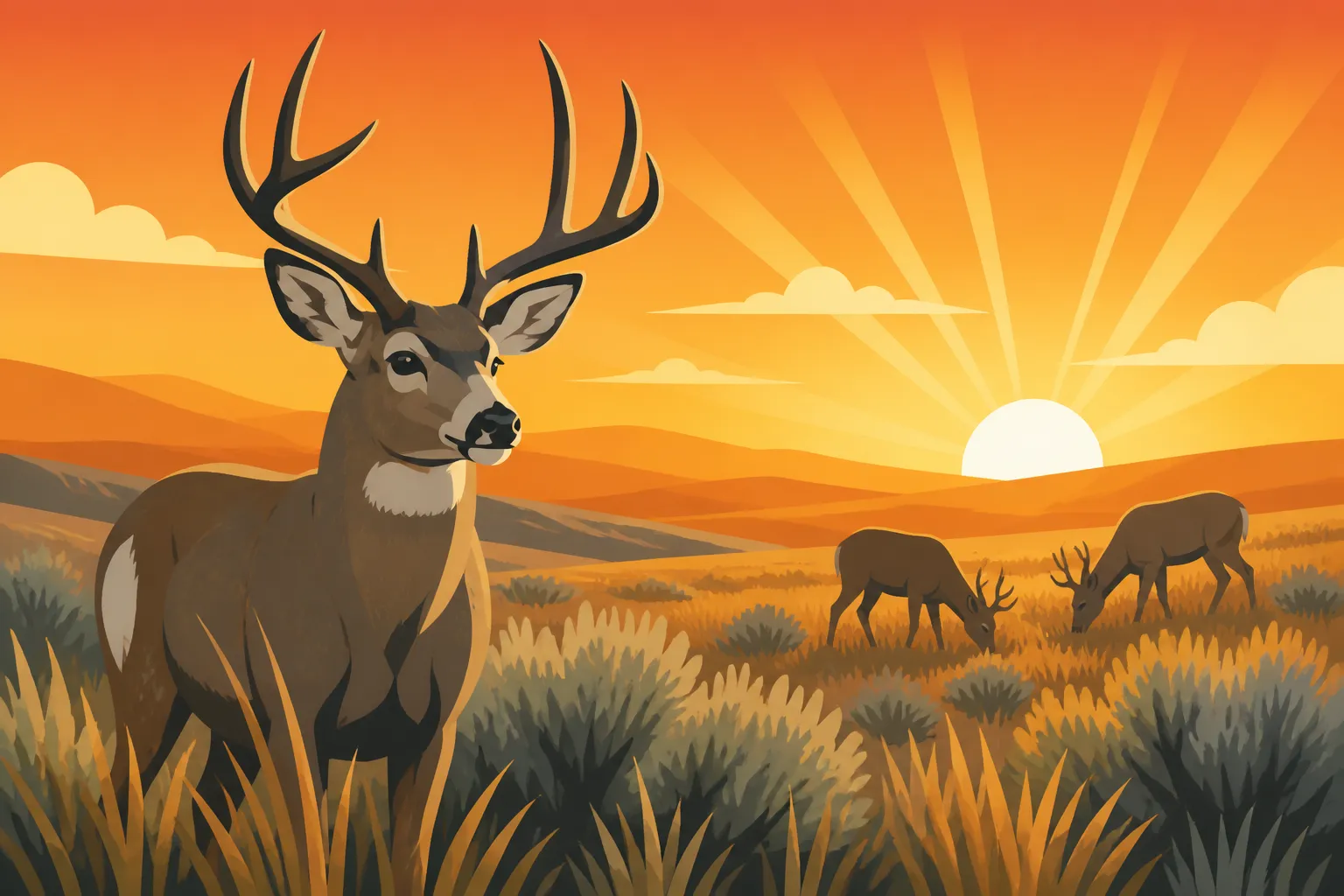
Deer will use these spots to feed because they can quickly duck into the contours for concealment if danger arises. Picture a big mule deer buck slowly working his way up out of a deep blowout, silhouetted for just a moment against the brightening eastern sky, before dipping back down to nibble on some forbs. These edges, where the tall prairie grasses meet a slight swale or a sandy rise, also offer excellent visibility, allowing deer to scan for threats while they feed. It’s also often easier to Glassing Sandhills Blowouts for Mule Deer from a distance into these areas, which is your best bet for finding animals in such vast country.
Pine Ridge Valleys and Forest Interfaces
Venturing northwest to the Pine Ridge, the landscape dramatically shifts from rolling grass to rugged canyons, ponderosa pine forests, and rocky outcrops. Here, mule deer behavior at first light is influenced by the topography and the presence of timber. They will often be found feeding in the valleys and at the interfaces where the dense pine forests meet more open meadows or agricultural fields.
The timber provides essential bedding cover, especially during colder months, and deer will move out from these secure areas into the more open, food-rich zones as dawn breaks. Look for draws and smaller valleys that funnel deer out of the pines and into areas with a mix of palatable browse or native grasses. These spots offer quick escape routes back into the security of the forest. Understanding Hunting Mule Deer in the Nebraska Pine Ridge demands patience and often a good pair of binoculars to pick apart the shadowy edges where deer transition from thick cover to feeding areas. The thermals in these areas are also a huge factor, often rising as the sun warms the canyon walls, meaning you need to be aware of how your scent is traveling.
Agricultural Field Perimeters
While mule deer are often associated with wilder, more remote landscapes, they are highly adaptable and will readily exploit agricultural resources, particularly in certain parts of Nebraska. At first light, you’ll frequently find them feeding along the perimeters of fields, especially those planted with winter wheat, alfalfa, or even corn stubble after the harvest. These crops offer a high-calorie, readily available food source that can be irresistible, particularly in the late season when natural forage is scarce.
Deer might browse the fresh growth of winter wheat, munch on remaining alfalfa, or pick through harvested cornfields for dropped kernels. The edges of these fields, especially near a creek bottom, a shelterbelt, or a small timber patch, act as vital transition zones. Deer feel relatively safe feeding near these covers, knowing they can quickly retreat into the trees or thick brush if disturbed. Hunting these areas requires careful planning of entry and exit routes, as deer are often acutely aware of activity near agricultural fields. Knowing Late-Season Food Sources in Nebraska can be a game-changer when targeting these resourceful deer.
Strategies for Locating First-Light Mule Deer
Finding mule deer at first light is less about luck and more about strategic planning, patient observation, and the smart use of technology. Hunters who consistently find success often have a methodical approach that combines pre-season diligence with on-the-ground execution.
Pre-Season Scouting and Trail Camera Use
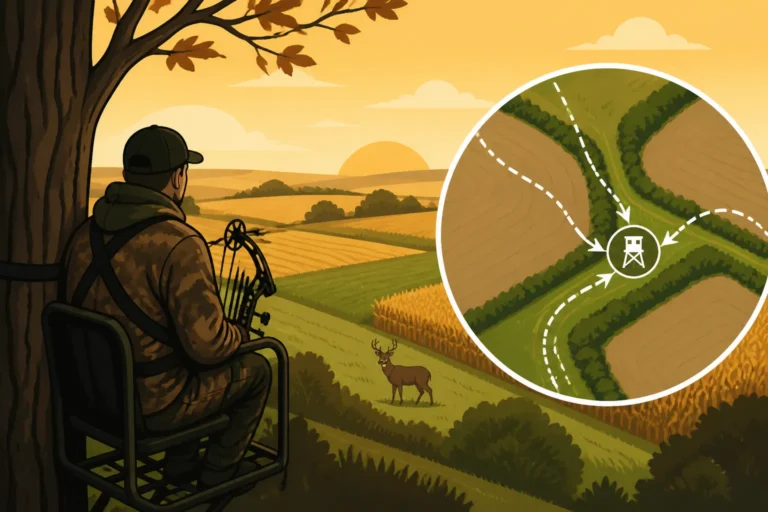
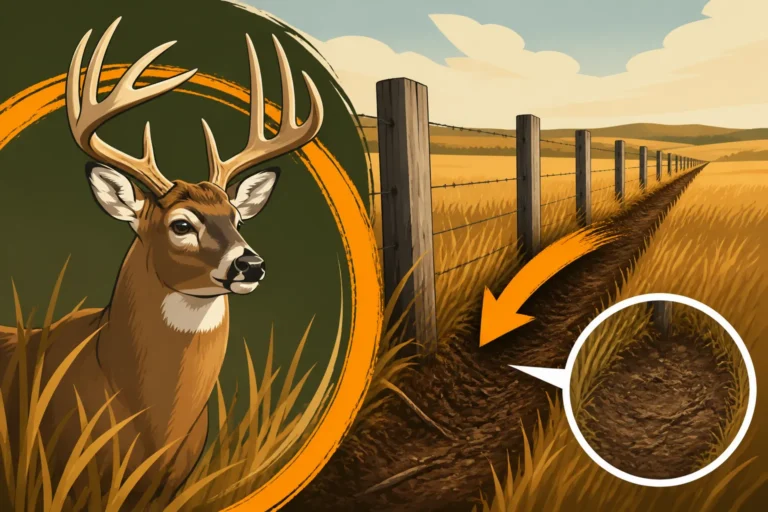
Effective mule deer hunting begins long before opening day. Pre-season scouting is your secret weapon, allowing you to learn the land without the pressure of an active hunt. This means spending time in your chosen hunting areas, looking for trails, rubs, scrapes, and bedding areas. Pay close attention to pinch points, saddles, and benches that connect bedding cover to potential feeding zones. Understanding these travel corridors will tell you where deer are likely to be moving at dawn.
Trail cameras, strategically placed, can be invaluable tools during this phase. They provide objective data on deer movement patterns, including what time deer are entering and exiting feeding areas. If you're seeing consistent activity an hour before sunrise on a particular field edge, that's a prime first-light spot. Platforms like GoHunt offer incredible mapping resources that allow you to overlay private and public land boundaries, topography, and even vegetation types, helping you pinpoint likely areas for camera placement and scouting efforts. Remember, placing cameras in the right spots and checking them efficiently is key to getting the intel you need. To understand more about getting the most out of your cameras, check out our guide on Where Cameras Help on Pressured Ground.
Effective Glassing Techniques at Dawn
In open country like much of Nebraska’s mule deer habitat, your optics are arguably your most important tool. Effective glassing at dawn is an art form that takes practice. Don't just scan; dissect the landscape. Start by systematically breaking down a large area into smaller, manageable sections. Use a good pair of binoculars – 10×42 or 12×50 are excellent choices for open country, and you can learn more about Binocular Power for the Sandhills in our other articles. A spotting scope mounted on a tripod is also indispensable for picking apart distant shadows and confirming whether that "rock" is actually a bedded buck.
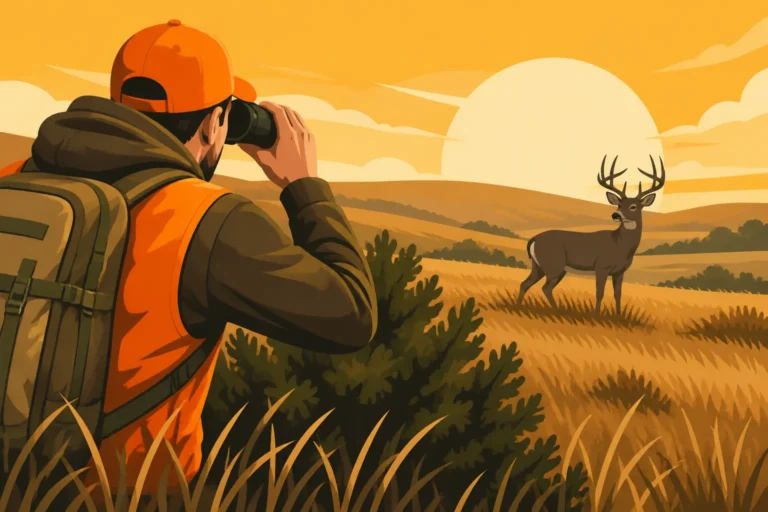
At first light, focus your attention on the transition areas: the fringes of cover, the bottom of draws, and the edges of fields. Look for movement, yes, but also for horizontal lines that break up the natural verticality of grass and trees. Often, you'll spot a deer by a flick of an ear, a swish of a tail, or the slight glint of an antler before you see the whole animal. The changing light can play tricks on your eyes, so be patient and spend significant time behind the glass in each spot.
Approaching Feeding Areas Undetected
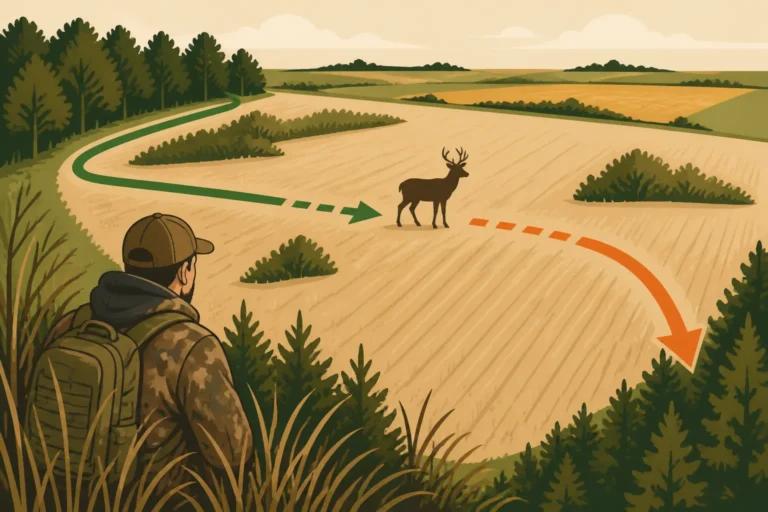
Once you’ve identified a potential feeding area or even spotted a deer at first light, the challenge shifts to making an undetected approach. This is where the wind becomes your absolute commander. Mule deer have an incredible sense of smell, and any misplaced scent will send them packing long before you get within range. Always, always, play the wind. This often means taking a longer, more circuitous route to get to your desired position.
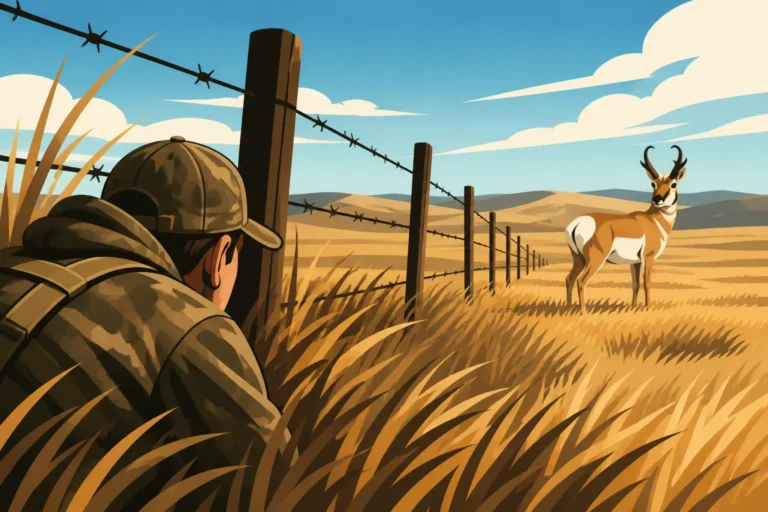
Beyond the wind, terrain is your friend. Utilize every rise, every ditch, every cluster of cedars to mask your approach. Move slowly, deliberately, and only when the deer are looking away or have their heads down feeding. If the terrain is completely flat and open, a ground blind might be your best option for concealment, set up well in advance. Understanding Wind and Thermals in the Sandhills is not just about glassing; it's critical for planning your stalk from the moment you step out of the truck. Remember, patience is paramount. Rushing a stalk almost always ends in failure.
Common Challenges and Troubleshooting
Even with the best planning and execution, mule deer hunting at first light in Nebraska presents its own set of unpredictable variables. From the presence of other hunters to sudden shifts in weather, successful hunters are those who can adapt and troubleshoot on the fly.
Pressure from Other Hunters
Nebraska’s public lands, while vast and offering incredible opportunities for Mule Deer in the Nebraska Sandhills and Panhandle, can also see significant hunter pressure, especially during the firearm season. Mule deer, being highly intelligent and wary animals, quickly learn to associate human activity with danger. If an area sees heavy pressure, especially early in the morning, deer may shift their feeding patterns, choosing to feed even earlier in the pre-dawn darkness or abandoning open areas for thicker cover immediately as light breaks.
When facing pressure, you’ll need to adjust your strategy. This might mean getting into your spot even earlier, hiking further than others are willing to go, or targeting less obvious feeding areas. Sometimes, the deer will simply move to private land adjacent to public ground. However, often they will seek out small, overlooked pockets of cover on public land that other hunters ignore. Think about less accessible terrain, deep draws, or dense pockets of timber that offer security even during daylight hours. Utilizing mapping tools to identify these often-missed sanctuaries can be crucial.
Changing Weather Patterns
Nebraska weather can be notoriously unpredictable, and sudden changes can have a dramatic impact on mule deer feeding behavior at first light. A warm front might encourage them to linger longer in open areas, while a severe cold front or a blizzard will send them seeking shelter and conserving energy. If temperatures drop significantly overnight, deer might feed more heavily and quickly in the early morning to fuel their bodies against the cold, then retreat to sun-warmed slopes to bed.
Conversely, a sudden warm spell could push them into shadier, cooler feeding spots or cause them to feed primarily during the night, bedding down earlier in the morning. Heavy winds, a common occurrence on the Nebraska plains, can make deer nervous. They might seek sheltered valleys or the leeward side of hills to feed, making them harder to spot. Always keep a close eye on the forecast and be prepared to adjust your tactics. Being adaptable to the elements is a cornerstone of effective Spot-and-Stalk Mule Deer in the Nebraska Sandhills, allowing you to maximize your chances no matter what Mother Nature throws at you.
Here's a quick look at how feeding behavior can shift across mule deer habitats:
| Habitat Type | Typical First Light Feeding Behavior | Preferred Forage | Key Hunter Strategy |
|---|---|---|---|
| Sandhills Grasslands/Blowouts | Move from bedding in deep draws/ridges to grass/forb-rich blowouts. | Native grasses, forbs, occasional browse. | Extensive glassing from elevated positions. Long, patient stalks. Utilize mapping tools like GoHunt. |
| Pine Ridge Valleys/Interfaces | Emerge from ponderosa pines into meadows or canyon bottoms. | Woody browse (e.g., ponderosa pine needles, shrubs), forbs, grasses. | Focus on transition zones. Understand thermals. Patience in dense cover. |
| Agricultural Field Perimeters | Feed on crop residue, winter wheat, or alfalfa near cover. | Corn stubble, winter wheat, alfalfa, soybeans. | Careful entry/exit. Hunt wind. Identify nearby cover for bedding. |
| River Bottoms (Western NE) | Move along river edges, out of thick riparian cover into openings. | Willows, cottonwoods, various forbs, grasses. | Hunt travel corridors. Use natural funnels. |
No matter where you choose to hunt, understanding the nuances of mule deer behavior at first light is paramount. It’s a game of observation, patience, and adapting to the land. With these insights, you're better equipped to step into the Nebraska dawn with confidence. You may also want to consider your Rifle Setups for Nebraska's Open Country to ensure you're prepared for the shots you might get on these magnificent animals. And remember, Optics for Glassing the Nebraska Sandhills are your best friend.
Disclaimer
Hunting involves inherent risks, and conditions in the field can change rapidly. Always prioritize safety, adhere to all Nebraska Game and Parks Commission regulations, and obtain appropriate permits and landowner permissions before hunting. The information provided here is for educational purposes and should not replace official hunting regulations or professional guidance.