Deer Drives on Small Nebraska Timber
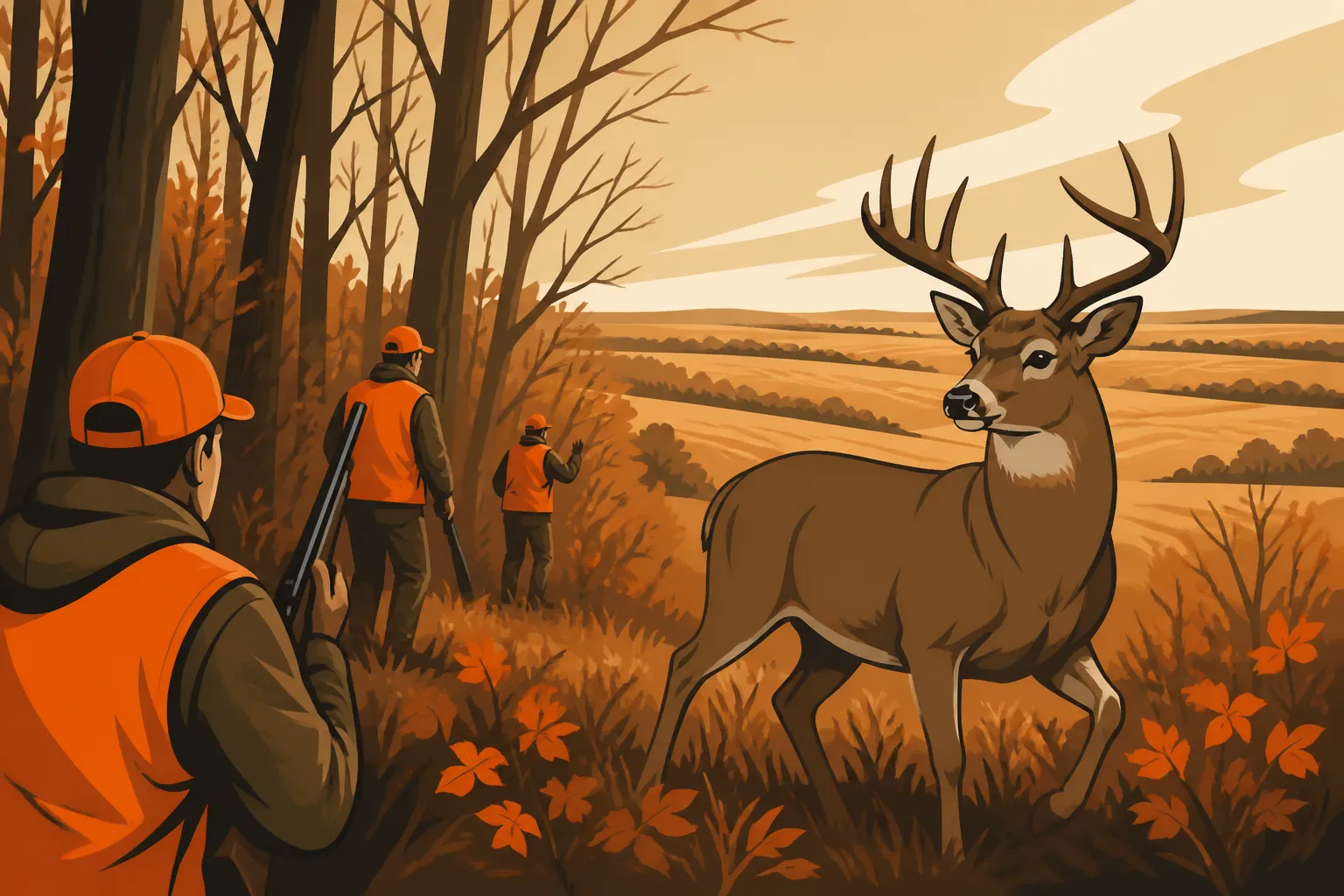
Hunting small pockets of timber in Nebraska for deer can feel like an exercise in futility. You know the deer are there, tucked into those dense cedar draws, isolated woodlots, or tangled creek bottoms, but getting them to move out predictably for a shot often seems impossible. Too many times, hunters just charge through, blowing deer out of the county and leaving everyone frustrated. This comprehensive guide will equip you with the knowledge and tactics to execute strategic, effective deer drives in smaller Nebraska timber, turning those challenging spots into successful hunting opportunities.
Understanding Small Timber Dynamics in Nebraska
Successfully driving deer in Nebraska's smaller timber blocks begins with a deep understanding of what these areas are and how deer utilize them. These aren't vast forests, but rather crucial pockets of cover that often serve as bedding areas or transitional zones for deer.
What Defines "Small" Timber in a Hunting Context?
When we talk about "small timber" in Nebraska, we're not talking about sprawling national forests. Instead, imagine those irregular, often overlooked patches of trees: the 5 to 50-acre woodlots bordering crop fields, the narrow strips of timber hugging a meandering creek, dense cedar thickets on a hillside, or even a well-established shelterbelt. These smaller blocks are characterized by their limited size and often their isolation from larger forested areas. For deer, they represent crucial islands of refuge in an otherwise open agricultural landscape or rangeland.
These smaller tracts present a unique set of challenges for hunters. Deer can often quickly escape these areas without offering a shot, especially if the pressure is applied incorrectly. Their escape routes might be very limited and predictable, or surprisingly diverse, leading them into adjacent fields, ditches, or even back around the drivers. Human scent becomes a much larger factor in smaller areas, as it can quickly saturate the entire cover block. Deer behavior in these smaller havens is often a reflection of pressure; they learn quickly where to hide and how to evade detection, often bedding in the densest, most impenetrable cover available within the block and using specific, well-worn travel lanes to move within and out of the timber.
Why Deer Drives Work (and Often Fail) in These Areas
Deer drives, when executed correctly, exploit a deer's natural instinct to avoid perceived threats by moving towards what they believe is safety. The psychological aspect for deer is key: a slow, steady push can encourage them to walk or trot out, rather than crashing blindly through cover. This works particularly well in smaller timber because the boundaries are clear, and deer often have a mental map of their preferred escape routes. However, drives often fail due to several common pitfalls.
One of the biggest mistakes is having too many drivers, or drivers moving too fast and making too much noise too quickly. This sends deer into a full-blown panic, causing them to bust out wildly, often out of range or in an unpredictable direction. Poor stand placement is another major culprit; if the standers aren't positioned correctly on anticipated escape routes, the deer will simply slip by. Furthermore, failing to account for wind direction can doom a drive before it even starts, as deer will pick up human scent and often circle back or head directly into the wind, away from standers. Drives are most effective in specific conditions: cold weather often makes deer more reluctant to leave cover, post-harvest when remaining cover is reduced, during the rut when bucks are actively moving, or when targeting pressured deer that are already seeking dense refuge.
Essential Pre-Drive Scouting and Planning
Before a single boot hits the ground, the success of your deer drive in small Nebraska timber hinges on meticulous planning and thorough scouting. This isn't just about showing up; it's about understanding every nuance of the land and the deer that inhabit it.
Mapping Out the Escape Routes and Funnels
The very first step in planning a successful drive is to understand where deer will go when pressured. This means identifying every potential escape route and funnel within and around your chosen timber block. Tools like GoHunt mapping software or OnX Hunt are absolutely invaluable here. You can spend hours digitally scouting, marking natural terrain features that influence deer movement. Look for creek beds, which often serve as natural highways for deer. Fence lines, especially older ones with gaps or low spots, can funnel deer into predictable crossing points. Terrace benches in hilly terrain offer elevated travel corridors. Densely overgrown ditches provide hidden avenues of escape. Pay close attention to thicker vegetation patches and any subtle elevation changes, as these can provide cover or a visual barrier that deer will exploit.
By marking these features on your map, you can begin to predict deer movement under pressure. Remember, deer will always follow the path of least resistance. In a drive, they'll seek out the quickest, safest way to get away from the perceived threat. This might mean slipping into adjacent thicker cover, following a creek for a mile, or even darting across a short section of open field to reach another timber block. If you're targeting a linear feature like a Shelterbelt Between Nebraska Fields, consider how deer will exit the ends or if they'll try to slip out the sides and parallel the drivers. Understanding these patterns is critical for strategically placing your standers and guiding your drivers.
Assessing Wind Direction and Hunter Safety Zones
Wind direction is, without exaggeration, the single most critical factor for any deer drive. Deer rely heavily on their sense of smell to detect danger. If your drivers or standers are positioned upwind of a deer's escape route, that deer will smell you long before it's in range, often circling back or changing direction entirely. Always plan your drive so that standers are downwind of the anticipated deer movement, catching the deer as they approach, hopefully unaware of the hunters. Drivers should generally push with the wind, or slightly quartering to it, pushing deer towards the downwind standers.
Safety is paramount and must be discussed before every drive. Identify your "safety zones" – areas where shots are absolutely prohibited due to proximity to roads, houses, livestock, or other hunters. Clearly define the shooting lanes for each stander, ensuring they have a safe backdrop for any shot they take. Establish clear communication methods for your team: two-way radios are ideal, but whistles or pre-arranged hand signals can work for smaller, closer groups. Before the drive, confirm everyone knows where all other hunters are positioned. Also, keep in mind specific regulations for hunter visibility; if you're hunting during the Nebraska firearm season overlap, remember the Orange Requirements for Archers in November that apply to everyone in the field, even if you're bowhunting. This visibility ensures drivers and standers can spot each other, adding another layer of safety.
Roles and Responsibilities of Your Drive Team
A successful deer drive is a team effort, and every member plays a vital role. Clear understanding of responsibilities, combined with effective communication, is what transforms a chaotic push into a strategic operation.
The Drivers: Strategic Movement and Noise Control
The drivers are the engines of the operation, tasked with moving deer from their sanctuary to the waiting standers. The most crucial concept for drivers in small timber is the "slow, methodical push," rather than a frantic dash. Imagine nudging deer, not stampeding them. This encourages deer to walk or trot, making them calmer and offering better shot opportunities for standers. Drivers should maintain consistent spacing, usually determined by the density of the cover. In thick cedar draws, you might need drivers closer together to ensure no deer slip through undetected. In more open timber, a wider spread might suffice.
Making consistent noise is important to keep deer moving, but it shouldn't be constant shouting. Softly talking, tapping a stick against trees, or using a "clapper" can be effective. The goal is to make the deer feel pressured, but not panicked. Always emphasize safety: drivers must know the general location of the standers and never shoot in their direction or towards any identified safety zones. As drivers move through the timber, they should also be observant, looking for fresh tracks, rub lines, or beds that indicate deer activity. This kind of active engagement, similar to Still-Hunting Nebraska Cedar Draws, helps in predicting deer movement even during the drive.
The Standers: Positioning for Shots and Safety
The standers have arguably the most critical role: they are the ones positioned to intercept the deer as they exit the timber. Their positioning must be meticulously planned. Ideally, standers should be downwind of the anticipated escape routes, allowing deer to approach without detecting their scent. They should be near natural funnels, pinch points, or obvious trails that deer are likely to use when pressured. Elevation can be a huge advantage; a stander in a treestand has a better vantage point and their scent is dispersed more effectively. However, in areas without suitable trees, a well-concealed Ground Blinds in Open Nebraska Country can be just as effective, especially if brushed in properly.
Concealment is key for standers. Wearing good camouflage and breaking up your silhouette against natural cover will make you less detectable. Standers need to understand their shooting lanes thoroughly, identifying potential shot opportunities while always ensuring a safe backdrop. This includes knowing what's beyond the deer, not just the deer itself. Patience is another virtue for standers; deer might not immediately break cover, and some might try to circle back or hold tight until the very last moment. Standers must be ready to quickly and accurately make a shot, as opportunities can be fleeting. It's a role that demands constant vigilance and readiness.
Designating a Drive Coordinator and Communicating Effectively
Every successful drive needs a leader – a drive coordinator who understands the land, the plan, and the capabilities of the team. This person is responsible for the pre-drive briefing, which is a non-negotiable step. During this briefing, the coordinator will outline everyone's specific role, their exact route (for drivers) or stand location (for standers), the pre-determined safety zones, and the target animals (e.g., antlerless-only permits, or specific buck criteria). They should also review communication protocols.
Effective communication isn't just about setting up radios; it's about using them responsibly and clearly during the drive. The coordinator should regularly check in with drivers to track their progress and with standers to relay any observed deer movement. This real-time information can allow for quick adjustments to the plan if deer aren't behaving as expected. Furthermore, utilizing mapping platforms like GoHunt isn't just for scouting; the coordinator can share the planned routes and stand locations directly to team members' phones, ensuring everyone has the same visual reference. This can significantly reduce confusion and enhance safety, allowing all hunters to be aware of each other's positions throughout the drive.
Executing the Drive: Tactics for Success
Once the planning is done and roles are assigned, it's time to put boots on the ground. However, execution isn't a one-size-fits-all approach. Knowing when to apply different tactics and understanding environmental factors can dramatically increase your chances of success.
The "Soft Push" vs. "Hard Push" Approach
The method you choose for your drive largely depends on the size of your group, the density of the timber, and your objective. A "soft push" is typically employed by smaller groups, perhaps two to four hunters. The idea is to move slowly, quietly, and methodically, making just enough noise to encourage deer to move, but not enough to panic them. The goal is often to subtly nudge deer out of their bedding areas, hoping they will walk or trot calmly to the standers. This approach is excellent for targeting specific deer, such as a known buck, or for encouraging deer to move into a particular funnel without blowing them out of the area entirely. It requires more patience from drivers and more precise placement of standers. This is effective in smaller, isolated pockets of cover where deer might try to sneak back through the drivers if they aren't pressured uniformly.
Conversely, a "hard push" involves a larger group of drivers, moving more aggressively and making more consistent noise. This approach is designed to clear dense cover thoroughly, ensuring that any deer bedded deep within are forced to move. It's often used in larger, thicker blocks of timber where deer might otherwise hold tight or try to slip by unseen. While it can result in deer busting out faster, it's effective for ensuring no deer are left behind. The key with a hard push is to maintain discipline in the line of drivers and ensure standers are positioned for fast-paced action. For instance, if you're doing Two-Person Deer Drives on Small Timber, you'll likely lean towards a soft push, carefully orchestrating your movements. The choice depends on the specific situation, but always prioritize safety over aggression.
Timing and Environmental Factors
The time of day can significantly impact the success of your drive. Mid-morning, after deer have settled into their bedding areas following their nocturnal feeding, is often an ideal time. They are typically relaxed and more predictable in their movements than at first light or dusk when they are actively feeding. Late afternoon can also be effective, pushing deer towards evening food sources. Environmental factors play a huge role too. Post-harvest strategies become critical once the corn and beans are off the fields. What Changes in Nebraska After the Corn Comes Off is that deer lose vast amounts of cover and are forced into the remaining timber, making drives in those areas much more productive.
Cold weather and snow are also huge allies for deer drivers. When temperatures drop, deer become more reluctant to leave the thermal cover of dense timber, making them easier to push. Snow also quiets the woods, allowing drivers to be heard more clearly, and makes tracking a shot deer much simpler. Furthermore, deer movement patterns can become more predictable in snow as they conserve energy. Consider how these conditions might influence your chosen drive method – a soft push might be more effective in deep snow where deer move slower, or a hard push might be necessary to dislodge them from a thick snow-covered bedding area.
Post-Drive Strategies and Follow-Up
The drive doesn't end when the last deer is seen or the last shot is fired. After the drivers have pushed through, it's crucial for standers to wait quietly for a period. Sometimes, deer that have been bumped will circle back, or they might pause just outside the timber, trying to figure out if the threat has passed. This momentary hesitation can offer a second chance. Patience is key.
If a deer is shot, immediate tracking protocols must be initiated. Mark the exact spot where the deer was standing or where it was last seen. Note the direction of travel and look for any immediate signs like blood, hair, or broken branches. Even if it looks like a clean hit, always assume you need to track. After any shot, all hunters should converge at the point of impact to begin blood trailing, especially if it's nearing dark. Good tracking practices ensure an ethical recovery.
Finally, a post-drive debriefing is invaluable for future success. Gather your team and discuss what worked well and what didn't. Did the deer use the anticipated escape routes? Were the standers in the right spots? Did the drivers maintain good spacing and noise control? Learning from each experience, whether successful or not, refines your tactics for the next hunt. Using GoHunt or other mapping apps, you can even mark where deer were seen, their escape routes, and recovery points, building a valuable database for future drives in that same timber block.
Specific Scenarios for Small Timber Drives
Nebraska's "small timber" comes in many forms, each presenting unique challenges and opportunities for deer drives. Adapting your strategy to the specific type of cover is crucial for success.
River Bottoms and Creek Corridors
River bottoms and creek corridors are classic deer country in Nebraska, even the smaller ones. These linear strips of timber, often choked with cottonwoods, cedars, and thick brush, provide excellent cover and travel routes for deer. However, they also present challenges for drives due to their often winding nature and varied topography, which can include steep banks, sloughs, and water crossings. Deer have a tendency to follow the drainage, using the natural contours and cover of the river or creek bed as their primary escape route.
When driving these areas, standers should be strategically placed on benches overlooking the main drainage, or at known crossing points where deer might naturally hesitate before entering open ground. Look for areas where the timber narrows or where a side ditch funnels into the main channel. Drivers should try to maintain a consistent line, being mindful of the water and any deeper channels. A good strategy can be to push downwind, or quartering to the wind, as deer will often try to use the wind to their advantage. For insights into how deer move in these specific environments, consider reading up on Still-Hunting a Snow-Covered River Bottom, as the principles of deer movement in these areas apply equally to drives.
Isolated Woodlots and Farmstead Cover
Isolated woodlots, those standalone blocks of timber surrounded by fields, or patches of cover around old farmsteads, are often highly pressured spots. Deer in these areas become incredibly savvy, learning to hold tight or exploit tiny weaknesses in a drive. Because these spots are often small, deer know every inch of them. Maximizing concealment for standers is absolutely vital here. Deer entering or exiting these woodlots will be on high alert. Standers should be in treestands if possible, or in very well-brushed-in ground blinds, focusing on commanding views of the edges where deer are most likely to break cover.
Focusing on any small "fingers" of cover, fence rows, or even overgrown ditches that connect the isolated woodlot to larger timber or other cover is key. Deer will often use these subtle connections to escape, hoping to remain unseen. Driving these smaller, often L-shaped or irregular woodlots requires drivers to move methodically, ensuring they don't leave any pockets where deer can circle back. Safety is also a heightened concern around farmsteads; always confirm there are no residences, livestock, or farm equipment in the line of fire. These highly pressured deer might also have unique bedding patterns, making it worth researching Where Nebraska Whitetails Bed in Row-Crop Country for more localized insights.
Shelterbelts and Field Edges
Shelterbelts, those linear plantings of trees designed to break the wind, and the edges of larger timber blocks are relatively simple to drive due to their predictable, elongated shape. Deer will often bed deep within a shelterbelt or along the thickest part of a timber edge. When pushed, deer in these areas tend to either skirt the edges of the cover, trying to remain just inside, or they will try to double back on the drivers.
The most effective strategy for these linear covers is to place standers at both ends of the shelterbelt or timber edge, as well as at any strategic crossing points or gaps. Drivers should walk through the length of the cover, making consistent noise to push the deer towards the waiting standers. Sometimes, a single driver can push a narrow shelterbelt effectively. Be prepared for deer to burst out quickly from the ends. If you have enough drivers, having a couple walk the outside edges, just a bit ahead of the main line, can help prevent deer from slipping out the sides. It's a straightforward approach, but one that requires drivers and standers to be in sync. For more specific advice on hunting these areas, reviewing tips for Hunting a Shelterbelt Between Nebraska Fields can provide valuable context.
Safety, Ethics, and Regulations
Beyond the tactical execution, the bedrock of any responsible hunting activity, especially a group effort like a deer drive, lies in unwavering adherence to safety, ethical practices, and Nebraska's hunting regulations. These aren't just rules; they are commitments to each other, to the game we pursue, and to the future of hunting.
Prioritizing Hunter Safety and Communication
The single most important aspect of a deer drive is hunter safety. This cannot be stressed enough. Before the hunt, every single team member must be aware of where every other hunter is positioned. This means knowing the exact stand locations, the planned routes of the drivers, and any potential areas where hunters might converge. Clear and consistent communication throughout the drive is critical. Use radios effectively, but keep transmissions concise and to the point. Confirming that all hunters know the boundaries of the drive and any "no-shoot" zones is essential to prevent accidents.
Perhaps the most critical safety rule is absolute target identification before the shot. Never shoot at sound or movement alone. Always positively identify your target as a deer, and then identify what kind of deer (buck or doe) if your permit requires it. Also, be fully aware of your backdrop. Ensure that beyond your target, there is a safe area where your bullet or arrow will not pose a risk to other hunters, dwellings, or livestock. Reviewing the legal Nebraska Legal Shooting Hours is also a good practice, ensuring you're only taking shots within legal light. This constant vigilance and commitment to safety protect not only your team but also the integrity of the sport.
Ethical Considerations and Respect for Game
Responsible hunting extends beyond legality; it delves into ethics and respect for the animals we pursue. This means only taking ethical shots within your comfortable and practiced range, aiming for a quick, humane harvest. Avoid marginal shots that are likely to wound an animal without quickly dispatching it. After a shot, the ethical obligation is to track that animal thoroughly and diligently until it is recovered. No matter how confident you are in your shot, always follow up. A wounded animal left unrecovered is a profound ethical failure.
Understanding bag limits and permit requirements is also an ethical responsibility. Only harvest what you are legally allowed to take, and never exceed those limits. Treat every animal with respect, both in the field and after the harvest. This includes proper Field Dressing and Cooling Game in Warm Weather (or cold weather) to ensure the meat is handled well and not wasted. Ethical hunting is about more than just taking game; it's about the entire experience, from preparation to recovery, and showing profound respect for the wildlife and the natural world.
Nebraska Regulations for Deer Hunting and Drives
Before heading into the field, every hunter must be intimately familiar with Nebraska's specific hunting regulations. This includes understanding the permit you hold – whether it's an any-deer, antlerless-only, or unit-specific permit. Know what species and sex you are legally allowed to harvest. Pay close attention to blaze orange requirements during firearm seasons; even if you are bowhunting, if you are afield during an open firearm season, you must comply with the blaze orange regulations.
Furthermore, ensure you understand the tagging and checking rules for deer. Nebraska has specific requirements for immediately tagging a harvested deer and reporting it within a certain timeframe. Failing to comply can result in fines and loss of privileges. Always review the current Nebraska Game and Parks regulations guide, as rules can change annually. It is your responsibility to be informed. Familiarize yourself with the specifics of Nebraska Deer Tagging and Checking Rules to ensure you're always operating within the law. Responsible hunters are informed hunters, and knowing the regulations ensures a legal and enjoyable experience for everyone involved.
Deer Drive Planning Checklist for Small Timber
| Category | Item | Notes |
|---|---|---|
| Pre-Hunt Prep | Review Permits & Regulations | Ensure all hunters have valid permits, stamps, and understand specific unit/species rules. |
| Scout Timber & Surroundings | Identify primary bedding areas, escape routes, funnels, and potential stand locations. | |
| Map Drive Plan | Use GoHunt or similar app to mark driver paths, stander positions, and safety zones. Share with team. | |
| Check Weather & Wind Forecast | Plan drive direction relative to wind; avoid extreme winds that make shots difficult. | |
| Assemble Team & Assign Roles | Confirm drivers, standers, and a coordinator. Discuss expectations. | |
| Safety Briefing | Review All Hunter Locations | Everyone must know where every other hunter is (drivers & standers). |
| Define Safety Zones & Backdrops | Clearly mark areas where shots are prohibited (roads, houses, property lines, other hunters). | |
| Establish Communication Protocols | Radios, whistles, hand signals – test before the drive. | |
| Emphasize Target Identification | Absolutely no shooting at sound or movement. Positive ID of target and clear shot lane. | |
| Blaze Orange Compliance | Ensure all hunters meet Nebraska's square inch requirements during firearm seasons. | |
| Execution Phase | Driver Pacing & Noise Control | Maintain slow, methodical pace; consistent, moderate noise; push deer, don't panic them. |
| Stander Concealment & Readiness | Remain still, quiet, and ready. Be aware of surroundings and anticipate deer movement. | |
| Coordinator Oversight & Adjustments | Monitor progress, communicate deer sightings, make real-time adjustments if needed. | |
| Post-Shot Protocol | Mark spot, note direction of travel, initiate tracking promptly. | |
| Post-Drive Debrief | Discuss Successes & Lessons Learned | Review what worked/didn't; use insights for future drives. |
| Update Maps with Observations | Mark deer trails, beds, or escape points for future reference on GoHunt. | |
| Meat Care & Processing | Properly field dress and cool harvested game. |
Disclaimer
Hunting involves inherent risks, including injury and death. Always prioritize safety, understand and follow all local, state, and federal hunting regulations, and ensure you are proficient with your chosen hunting equipment. This guide provides general information and recommendations and should not replace professional instruction or official regulation review.