Where Nebraska Whitetails Bed in Row-Crop Country
Finding where those elusive Nebraska whitetails bed down in the vast, often flat, row-crop country can feel like trying to find a needle in a haystack. It’s a common frustration for hunters, especially when the fields are stripped bare, leaving deer with seemingly nowhere to hide. This guide is here to unravel the mysteries of whitetail bedding behavior in agricultural landscapes, providing you with actionable insights to locate deer and increase your success, whether you're hunting private land or navigating public access.
Understanding the Whitetail's Needs in Row-Crop Habitat
Whitetail deer, despite their adaptability, have fundamental needs that dictate their bedding choices, especially in the relatively open and human-dominated row-crop areas of Nebraska. They're constantly balancing security, comfort, and proximity to food and water. Understanding these core requirements is the first step in predicting where they'll decide to lay their heads.
The Ever-Present Need for Security Cover
In row-crop country, dense security cover is often at a premium, making the few available spots highly attractive. Whitetails are prey animals, and their survival hinges on their ability to avoid detection. This means they seek out locations that offer visual obstruction, a good vantage point to detect threats, and escape routes. Think about what a deer "sees" from its perspective – they're looking for anything that breaks up their outline and provides a sense of concealment from predators, including us hunters. This could be a thicket of multi-flora rose, a stand of cedars, or even just taller, thicker grass.
Sometimes, what looks like sparse cover to us from a truck might be a fortress to a deer hunkered down. They often use subtle changes in topography, like a slight dip in the ground or a small rise, to their advantage, allowing them to see without being seen. When you're scouting, it's crucial to think like a deer and get down on their level to truly appreciate what constitutes "good" cover. Even a single large cedar or a dense plum thicket in the middle of an otherwise open field can be a prime bedding spot if it offers enough security.
Seeking Comfort from the Elements
Beyond security, whitetails are also looking for comfort from Nebraska's often harsh weather. This means bedding to escape biting winds, baking summer sun, or heavy snow. During hot weather, they'll gravitate towards shade, often on north-facing slopes or in the shadows cast by timber edges or even large hay bales. A cooler, breezy spot can be a lifesaver when temperatures soar. Conversely, when the bitter Nebraska winds howl and snow piles up, deer seek thermal cover. South-facing slopes that catch the sun's rays, dense cedar thickets, or deep draws can provide crucial protection from the cold.
Consider a late-season hunt in December. Deer aren't just looking for a place to hide; they're looking for a place to conserve energy and stay warm. A dense stand of evergreens, like eastern red cedars, traps heat and blocks wind far better than bare deciduous trees. Even a small patch of these can hold several deer during cold snaps. Knowing how deer adapt to comfort needs across seasons can dramatically narrow down your search.
Proximity to Food and Water Sources
While security and comfort are paramount for the bedding location itself, whitetails rarely bed far from their primary resources: food and water. In row-crop areas, food is often abundant, especially before harvest. Deer might bed just inside the timber edge, a short stroll from a standing cornfield. After the harvest, they might shift their bedding closer to food plots, winter wheat, or even leftover waste grain if pressure allows.
Water, too, plays a critical role. Deer need to drink, and while they can get some moisture from forage, reliable water sources like creeks, ponds, or even irrigation ditches will always draw them in. Therefore, prime bedding areas are often situated within a reasonable distance of these necessities. If you're looking at a map on your GoHunt app, identify areas where dense cover, a reliable water source, and recent food sources converge. These intersection points are often gold mines for bedding sign. An ideal spot might be a cedar thicket bordering a creek, with a cornfield just over the rise.
Common Bedding Locations in Nebraska's Agricultural Landscape
Nebraska's row-crop country presents a unique set of challenges and opportunities for whitetail hunters. Deer adapt by utilizing specific habitat features that offer the best combination of security, comfort, and resource access. Pinpointing these common bedding locations is key to successful hunting.
Timbered River Bottoms and Creek Beds
Perhaps the most classic bedding areas in Nebraska's agricultural zones are the timbered river bottoms and creek beds. These linear strips of deciduous trees, often mixed with cedars, provide consistent cover in a largely open landscape. Whitetails feel incredibly secure in these environments, especially where the timber is mature and dense. The topography itself – with steep banks, oxbows, and thick underbrush – offers natural barriers and concealment. Deer will often bed on subtle rises within the timber, giving them an elevated position to survey their surroundings, or tucked into thickets along the water's edge.
During the rut, these river bottoms become major travel corridors, making nearby bedding areas even more valuable. Bucks will cruise these areas looking for does, and does will seek sanctuary here. Learning to read a cedar draw for deer movement can be incredibly beneficial. Focus on areas where the timber widens or where tributaries feed into the main waterway, as these often create pockets of particularly dense cover. If you find a thick, gnarly patch of timber along a river, chances are good deer are calling it home.
Shelterbelts and Field Edges
Shelterbelts, those long rows of trees planted by farmers to break the wind, are absolute magnets for whitetails in open country. While they might seem obvious, many hunters overlook their potential beyond just a travel corridor. Deer will bed within the thicker shelterbelts, particularly those with multiple rows of evergreens or dense brushy undergrowth. They offer excellent linear cover and often border prime food sources. Hunting a shelterbelt between Nebraska fields can be incredibly effective, especially if you position yourself downwind.
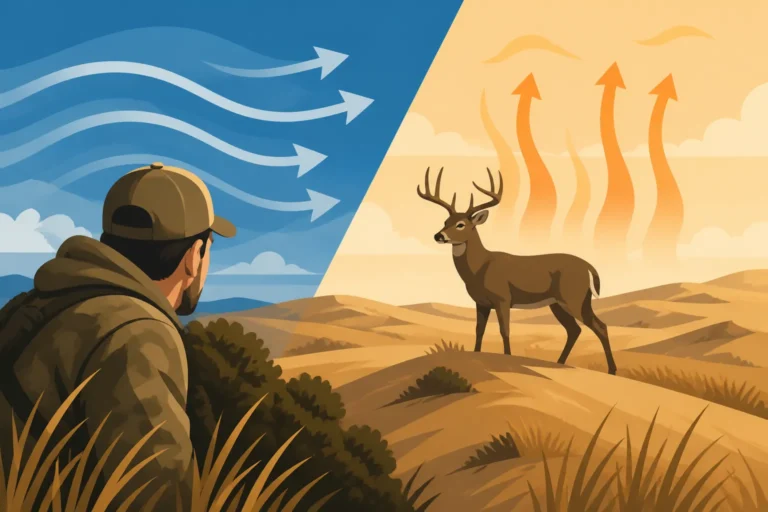
Field edges, especially those bordering timber, CRP fields, or tall grass, are another prime bedding location. Deer don't always venture deep into the timber to bed; sometimes, they'll hunker down just inside the treeline, using the edge itself for concealment. This is particularly true if the field edge offers a favorable wind direction. A common scenario sees deer bedding along the edge of a cornfield, allowing them to quickly enter the standing crop for feeding or escape into the timber. Setting up on a cornfield edge requires careful attention to wind and thermals.
Standing Crop Fields Before Harvest
This one might sound counterintuitive to new hunters, but before the combines roll, standing corn, milo, or even soybeans offer some of the densest, most expansive bedding cover available in row-crop country. A mature cornfield is a whitetail fortress – offering complete visual obscurity, excellent thermal protection, and an immediate food source. Deer will bed deep within these fields, sometimes for days on end, only emerging at night or during periods of low pressure.
Hunting standing corn before harvest is a unique challenge. You can't see the deer, and they have the ultimate advantage. However, understanding that they are in there is crucial. Look for well-worn trails leading into the standing crop from timber edges or water sources. Pay attention to subtle topographical features within the field itself, like small rises or low spots, where deer might choose to bed. The key here is not to push too hard into these areas but to identify their entry and exit points, or to hunt the edges. Once the crop comes off, these bedding strategies change entirely, as we'll discuss later.
CRP and Tall Grass Habitats
Conservation Reserve Program (CRP) fields, with their acres of tall, thick grasses and sometimes interspersed shrubs, are increasingly important bedding grounds for Nebraska whitetails. These areas offer both security and thermal cover, particularly beneficial in open landscapes where traditional timber might be scarce. Deer can virtually disappear in chest-high switchgrass or native prairie mixes. They'll create "beds" by trampling down a small area, often on a slight rise or in a low spot, using the surrounding vegetation for concealment.
The challenge with CRP is its sheer size and uniform nature. Unlike a timber edge, there isn't always an obvious "hot spot." This is where detailed scouting and tools like the Public Access Atlas, often accessed through an app like GoHunt, become invaluable. Look for subtle changes in grass height, small pockets of brush, or areas with denser vegetation that might offer better protection. Also, consider the wind direction on open Nebraska prairie stands; deer will often bed with the wind at their back, watching their downwind side for predators. These open country bedding areas often mean deer feel safer seeing threats from a distance rather than being completely concealed in thickets.
Seasonal Shifts and Weather Impacts on Bedding Behavior
Just when you think you have whitetail bedding figured out, the calendar pages turn, or a weather front rolls in, and everything changes. Understanding how deer adapt their bedding choices to different seasons and prevailing weather conditions is critical for staying ahead of them.
Early Season Adaptations to Heat and Pressure
Nebraska's archery season often kicks off in early September, and those first few weeks can be scorching. During this period, whitetails prioritize staying cool and avoiding biting insects. Their bedding choices will reflect this. You'll find them gravitating towards dense, shady cover, often near water. Think deep, dark timber on north-facing slopes, thick creek bottoms that stay damp, or even shaded edges of standing crop fields. Anywhere with a slight breeze or cooler air will be preferred.
Pressure also plays a significant role. With hunters re-entering the woods, deer quickly become more nocturnal and seek out the most secluded, inaccessible bedding areas. They'll often choose bedding sites that provide multiple escape routes or offer a distinct advantage, like bedding with the wind in their face and their back to a natural barrier. In areas with significant hunting pressure, deer will become incredibly adept at avoiding human contact, often slipping away long before you even know they're there. This means your entry and exit routes on flat farm ground need to be meticulously planned to avoid bumping deer out of their beds.
Mid-Season and Rut-Driven Bedding
As fall progresses into October and November, temperatures cool, and the rut begins to kick into gear. This period sees a significant shift in bedding behavior, especially for bucks. While does will still seek security and comfort, bucks become more mobile and their bedding choices are heavily influenced by their pursuit of estrous does. They might bed closer to known doe bedding areas, or even temporarily bed down in less secure spots if it keeps them close to a hot doe.
During the pre-rut and peak rut, bucks might bed in slightly more exposed areas, like a small island of cover in a field or even a fenceline, just to keep an eye on activity. They're willing to take more risks. However, they'll still gravitate towards areas offering at least some cover, like the edge of a cedar draw or a thick shelterbelt. They might even bed down in the same areas as does, particularly if the cover is excellent and there's less hunting pressure. Understanding when the whitetail rut peaks in Nebraska is crucial for anticipating these shifts.
| Season | Typical Bedding Location Examples | Primary Driving Factors |
|---|---|---|
| Early Season | Shady timber, deep creek bottoms, dense standing crops | Heat, insect pressure, low hunting pressure |
| Mid-Season | Timber edges, thick shelterbelts, CRP, near doe bedding | Security, proximity to food, early rut activity |
| Rut | Near doe bedding areas, small islands of cover, creek edges | Doe proximity, increased movement, moderate pressure |
| Late Season | Dense cedar thickets, south-facing slopes, deep draws | Cold, wind protection, food source proximity, high pressure |
| Post-Harvest | Remnant timber, shelterbelts, deepest CRP, isolated cover | Reduced cover, increased pressure, cold |
Late Season and Post-Harvest Bedding Shifts
Perhaps the most dramatic shift in bedding behavior occurs after the crops are harvested and winter sets in. What changes in Nebraska after the corn comes off is profound. The vast, secure "fortresses" of standing corn disappear, leaving deer exposed. At this point, deer become masters of finding the remaining pockets of cover. They will concentrate in the densest timber, thickest shelterbelts, and most secluded CRP fields. Thermal cover becomes paramount, so south-facing slopes and thick evergreens are prime real estate.
Hunting pressure is also typically at its highest during the firearm season and subsequent late archery/muzzleloader seasons, further pushing deer into the most inaccessible areas. They will use even the smallest patches of brush, deep ravines, or creek bends to escape detection. This is when Still-Hunting Nebraska Cedar Draws or focusing on Two-Person Deer Drives on Small Timber can be effective, as deer are often bunched up in these remaining cover patches. Pay close attention to subtle terrain features and the thickest parts of any remaining cover. Their survival depends on finding protection from both the elements and hunters.
Scouting and Approaching Whitetail Bedding Areas
Knowing where deer generally bed is one thing; actually finding those specific beds and approaching them effectively is another. It requires meticulous scouting, careful planning, and an understanding of how to minimize your impact.
Reading Sign and Utilizing Technology for Scouting
Effective scouting is the bedrock of locating bedding areas. Start by looking for heavy trails leading into and out of suspected cover. These trails will often be more defined as deer repeatedly use the same routes. Look for tracks, droppings, and rubbed trees or scrapes, especially during the pre-rut and rut. Finding fresh tracks entering a thicket in the morning, and none exiting, is a strong indicator that deer are bedded inside.
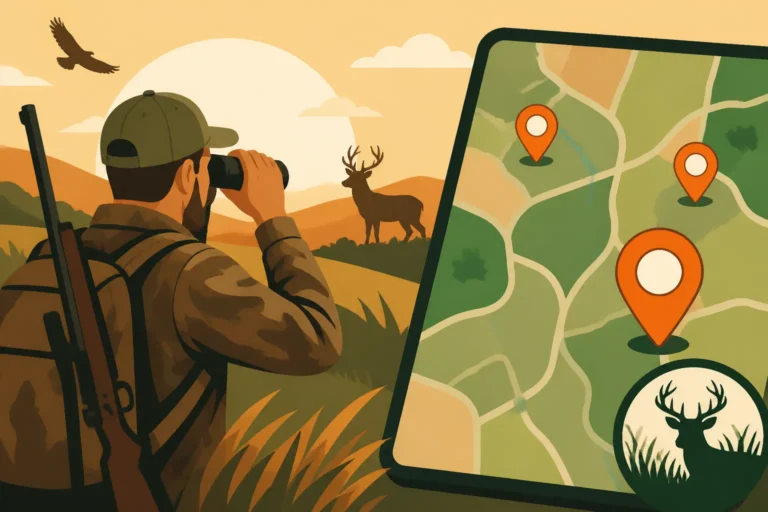
Technology can be an immense help. Applications like GoHunt provide aerial imagery, public/private land boundaries, and topographical maps, allowing you to identify potential bedding cover without ever stepping foot on the ground. Use these tools to mark likely areas, plan your approach, and identify escape routes. OnX Hunt is another excellent app for this, allowing you to layer different map views. When scouting Nebraska Public Ground Before Opening Day, these apps are indispensable for finding overlooked pockets of cover. Remember that deer often bed where they feel safe, so areas with dense cover, broken topography, and limited human access are prime candidates.
Strategic Entry and Exit Routes
Once you've identified a potential bedding area, your approach is paramount. The biggest mistake a hunter can make is to bust deer out of their beds on the way to a stand. This educates the deer and makes them even harder to hunt. Always plan your entry and exit routes meticulously, prioritizing stealth and wind direction. Approach from downwind or crosswind, using natural terrain features like creek beds, ditches, or hedgerows for concealment.
If you're hunting an edge or a pinch point near bedding, make sure your approach doesn't take you directly through or too close to where you suspect deer are resting. Think about how the deer will react if they hear or smell you. They'll almost always retreat to thicker cover or use a pre-determined escape route. Your goal is to intercept them before they know you're there. This might mean taking a longer, more circuitous route to your stand or blind. For detailed strategies, review guides on Entry and Exit Routes on Flat Farm Ground.
Setting Up for Success Near Bedding
The goal isn't to walk right into a bedding area and jump a deer, but to set up near it in a way that allows you to intercept deer as they move to or from their beds. This means identifying staging areas just outside the primary bedding cover. Deer will often linger in these areas before heading out to feed or after returning from a feeding foray.
A treestand or ground blind can be effective, but placement is crucial. Consider prevailing winds, sun position, and the deer's likely travel patterns. You want to be downwind, with good cover, and positioned to get a shot as deer transition. Don't be afraid to experiment with different setups. Sometimes, the best spot might be a natural funnel point that deer use when exiting bedding, or a subtle terrain feature that forces them past your stand. Always consider a deer's natural caution. They are masters of their environment, and the slightest mistake on your part can send them to a new bedding area far from your hunting zone.
Disclaimer
Hunting is an inherently risky activity. This guide provides information for educational purposes only. Always consult and adhere to all current Nebraska Game and Parks Commission regulations, statutes, and local ordinances before engaging in any hunting activities. Ensure you have the proper licenses, permits, and landowner permission. Safety should always be your top priority.