Orange Requirements for Archers in November
It can feel like a real headache trying to keep up with all the regulations when you’re out in the field, especially when seasons overlap. For archers in Nebraska, one of the biggest points of confusion often revolves around blaze orange requirements, particularly as November rolls around and the firearm deer season opens. This guide is here to untangle those rules, clarify when and why you need to wear orange as an archer, and help you stay safe and compliant throughout your hunt.
The Core Nebraska Blaze Orange Mandate
Nebraska's hunting regulations are designed to keep everyone safe, and a big part of that safety comes down to visibility. While some of the rules might seem complex at first glance, they generally follow a clear logic, especially when it comes to blaze orange.
General Requirements for Firearm Hunters
Let's start with the baseline: for anyone hunting big game with a firearm in Nebraska, wearing blaze orange is not just a suggestion, it's a legal requirement. This rule kicks in during the nine-day November firearm deer season, and also applies during other firearm seasons like antelope or elk. The rationale is simple and critically important: distinguish humans from game animals to prevent tragic accidents. When hunters are using high-powered rifles, being clearly visible to every other person in the woods or fields is paramount.
The regulation typically specifies a minimum amount of blaze orange, often referred to as "400 square inches," that must be conspicuously displayed on the head, chest, and back. Think of it as wearing a bright orange hat and a vest. This ensures that no matter which way you're facing, or what kind of cover you're near, another hunter should be able to spot you easily. This requirement is in place for a good reason – to dramatically reduce the risk of accidental shootings. It's a proactive measure that has proven incredibly effective in safeguarding hunters.
Specific Rules for Archery Hunters Throughout the Season
Now, here's where the nuance comes in for us bowhunters. For the vast majority of Nebraska's archery deer season, which stretches for four months, you are not required to wear blaze orange. If you're out in September, October, or most of December and January, you can wear your preferred camouflage from head to toe. This exemption makes perfect sense for archery, where stealth and concealment are absolutely essential to get within bow range of a deer. Your ability to blend into the environment is key to a successful stalk or an effective ambush from a treestand.
However, the archery season is long and overlaps with various other hunting seasons. This overlap, particularly in November, is where archers need to pay very close attention to the rules. The intent behind the general archery exemption is to allow bowhunters to practice their craft with the necessary element of surprise. But when other hunting methods, especially those involving firearms, come into play, the safety dynamic changes, and with it, the orange requirements.
Archery in November: The Overlap Conundrum
November in Nebraska is a special time for deer hunters. It's when the whitetail rut often peaks, and it also brings the state's popular nine-day firearm deer season. This creates a critical overlap period where archers need to be acutely aware of their legal obligations regarding blaze orange.
When Archers Absolutely Must Wear Blaze Orange
The most crucial detail for Nebraska archers to remember is this: if you are bowhunting during the nine-day November firearm deer season, you are legally required to wear blaze orange. This is non-negotiable, even if you are strictly an archery hunter and have no intention of carrying a firearm. The rule is in place because of the increased number of hunters in the field and the presence of firearms. You might be tucked away in your favorite stand, diligently bowhunting, but other hunters will be moving through the landscape with rifles, and your visibility becomes paramount for everyone's safety.
This period typically falls in the second or third week of November. You can find the exact dates for Nebraska's Nine-Day November Firearm Deer Season in the current hunting guide. It's important to mark these dates on your calendar, set reminders, and make sure your orange gear is packed. Failing to wear blaze orange during this specific window can result in a citation, but more importantly, it compromises your safety and the safety of others. Even if you're on private land where you rarely see another hunter, the rule still applies. It’s about being seen in a landscape where firearm hunting is actively occurring.
Proper Placement and Amount of Orange
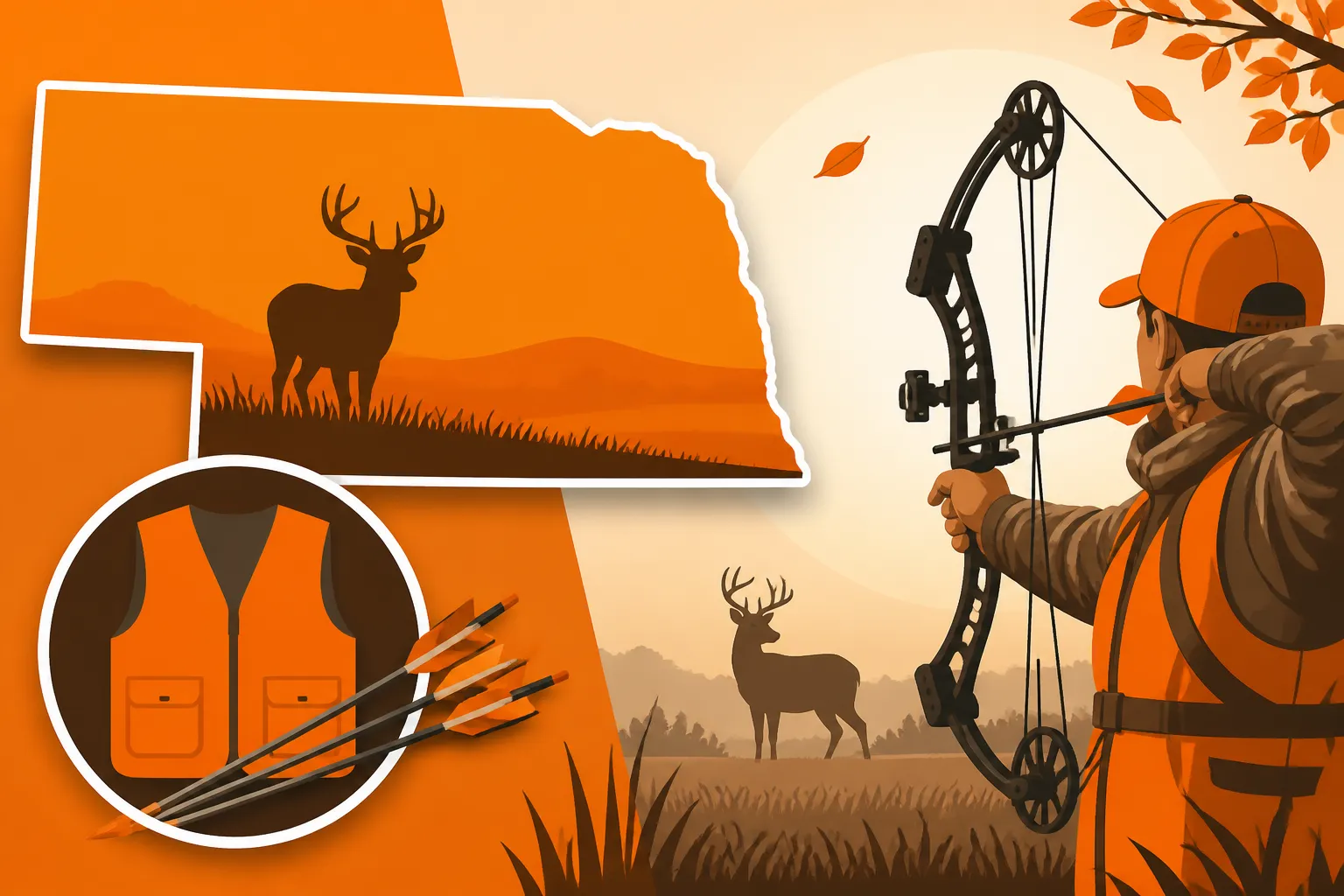
Nebraska's regulations are quite specific about the amount and placement of blaze orange when it's required. The standard rule is that hunters must display at least 400 square inches of blaze orange on their head, chest, and back. This isn't just a random number; it's calculated to ensure maximum visibility from all angles. This means a blaze orange hat and a blaze orange vest or jacket are typically necessary. A small patch on your backpack isn't going to cut it.
When you're out there Bowhunting Through the November Firearm Season, it’s not enough to just have the orange. It needs to be visible. If you're wearing a big backpack, make sure your orange vest goes over it. If you have a camo jacket, ensure the orange is the outermost layer. For hunters in a treestand, consider a safety harness with integrated orange, or at least a vest that covers your upper torso from multiple directions. Even if you're using a ground blind, you still need to wear orange when entering or exiting the blind, and it’s a good practice to hang an orange panel on the outside of your blind, especially if it’s an enclosed model. For a deeper dive into the specifics, you can check out details on Nebraska Blaze Orange Square Inches.
Situational Awareness and Practical Considerations
Hunting during this overlap period demands heightened situational awareness. The woods and fields that felt quiet and solitary in October will likely have more activity from fellow hunters. Even if you're diligently working a scrape line or waiting patiently in a Choosing a Treestand Site on Nebraska Farmland, the presence of other hunters means you need to adjust your approach.
Using a good mapping app, such as GoHunt, can be invaluable during this time. It allows you to visualize public and private land boundaries, identify potential access points for other hunters, and be more aware of your surroundings. While you might be focusing on deer movement, it’s critical to also be mindful of human movement. When heading to or from your stand, especially in low light, wearing an additional piece of orange, like a brightly colored bandana or even turning on a headlamp with a red-light setting, can further enhance safety. Remember, the goal isn't just legal compliance, but truly ensuring you're seen. For those considering Using a Ground Blind on Nebraska Public Ground, placing orange markers around your blind can also be a wise move, alerting others to your presence.
| Hunting Method / Season | Blaze Orange Required? | Minimum Square Inches | Exceptions / Notes |
|---|---|---|---|
| Archery Deer (Sept-Oct) | No | N/A | Stealth is key, minimal hunter conflict. |
| Archery Deer (Nov Firearm Overlap) | YES | 400 sq. inches | Hat & vest required. High hunter density. |
| Archery Deer (Dec-Jan) | No | N/A | After firearm season, back to stealth. |
| Firearm Deer Season | YES | 400 sq. inches | All firearm hunters must wear. |
| Waterfowl Hunting | No | N/A | Specific camo rules apply. |
| Predator Hunting | No (often discouraged) | N/A | Stealth required, but use caution. |
| Fall Turkey (Firearm) | YES (depends on area) | 400 sq. inches | Check specific regulations for area. |
Dispelling Myths and Enhancing Safety
The discussion around blaze orange often brings up common questions and even a few persistent myths, especially concerning how deer perceive it. Understanding the science and going beyond just the legal minimum can significantly enhance your safety and hunting experience.
How Deer Perceive Blaze Orange
One of the most common concerns archers have about wearing blaze orange is that it will spook deer. This worry stems from a very human perspective of color. However, scientific research has extensively shown that deer see color differently than humans do. Deer are dichromatic, meaning they primarily see colors in the yellow-blue spectrum. They lack the red-sensitive cones in their eyes that humans (who are trichromatic) possess. This means colors like red and orange appear as duller shades of gray or brown to a deer, blending into the natural background more than they would to a human eye.
So, while that vibrant orange vest screams "hunter!" to your buddy, to a deer, it looks more like a muted, indistinct blob against the landscape. What does spook deer is movement, sound, and scent. A stationary archer, even one wearing blaze orange, is far less likely to be detected by a deer than a moving hunter in full camo who isn't paying attention to the wind. You can be confident that following the Orange Rules That Apply During Archery Season during the November overlap won't compromise your hunt, assuming you're practicing good woodsmanship. Many successful archers consistently harvest deer while wearing required orange during firearm season.
Beyond the Law: Voluntary Safety Practices
While the law dictates when you must wear blaze orange, thinking beyond the legal requirements can significantly enhance your safety, especially on public lands or during times of increased hunter activity. Even if it's outside the mandatory November firearm season, if you're scouting or still-hunting through thick cover, especially on a busy weekend, wearing some form of orange is a smart move. It's a simple, proactive step that can prevent misunderstandings and accidents. This holds true for the entirety of Nebraska's Four-Month Archery Deer Season, not just November.
Consider using GoHunt's mapping features not just for finding game, but for understanding pressure points and planning safer routes on public land. When you're out with a group, having everyone wear some orange, even if not legally required, creates a visible "team" that is easily identifiable to one another and to other hunters. Always communicate your movements and locations with your hunting partners. Safety isn't just about following rules; it's about fostering a culture of awareness and responsibility in the field. This also extends to general hunting practices, such as ensuring you have your Nebraska Habitat Stamp and Hunter Education requirements met.
Staying Informed with Current Regulations
Hunting regulations, while often consistent, can and do change from year to year. New rules might be implemented, or existing ones modified based on wildlife management needs, safety concerns, or legislative action. It is every hunter's responsibility to stay informed about the most current regulations for the specific season and game species they are pursuing. Ignorance of the law is never a valid excuse.
The best source for up-to-date information is always the Nebraska Game and Parks Commission (NGPC) website or their annual hunting guides. These resources provide precise dates, unit boundaries, bag limits, and all safety requirements, including blaze orange specifics. Digital tools like the GoHunt app often integrate state regulations and provide invaluable mapping layers that show public lands and management units. Regularly checking these resources before you head out, especially if you haven't hunted a particular season in a while, is a critical part of being a responsible hunter. Knowing the rules, from Nebraska Deer Tagging and Checking Rules to specific blaze orange mandates, ensures your hunt is both enjoyable and compliant.
Disclaimer
The information provided in this guide is for general informational purposes only and does not constitute legal advice. Hunting regulations in Nebraska are subject to change, and it is the responsibility of each hunter to consult the official Nebraska Game and Parks Commission regulations prior to any hunting activity. Always confirm current dates, requirements, and laws directly with the Nebraska Game and Parks Commission to ensure compliance.