Filling a Second Nebraska Deer Permit
It can feel like a real triumph to fill your primary deer tag in Nebraska, but then you’re faced with a new challenge: what to do with that second permit. Many hunters find themselves with an additional antlerless tag or a second "any-deer" permit, and the thought of heading back out into colder weather or pressured public land can be daunting. This guide will walk you through strategies and considerations for effectively filling that second Nebraska deer permit, turning a perceived chore into another rewarding hunting opportunity.
Understanding Your Second Permit Options in Nebraska
Before you even think about tactics, it’s crucial to understand what kind of second permit you hold and what that means for your hunting opportunities. Nebraska offers a variety of permits that can serve as excellent second tags, primarily focused on antlerless deer, which are vital for herd management and provide fantastic venison.
Common Second Permit Types
Often, hunters will purchase an antlerless-only permit as their second tag, particularly in areas where deer populations are high or specific herd management goals are in place. These can be unit-specific, meaning they are only valid in certain deer management units, or sometimes more broadly available. For example, you might have a Statewide Whitetail Doe permit, which offers a lot of flexibility for hunting antlerless whitetails across much of the state, or a specific River Antlerless permit for particular river corridors. These permits are designed to help control the population, reduce crop damage, and provide more hunting opportunities. If you're looking into these options, understanding the nuances of the various Nebraska Antlerless-Only Deer Permits is key.
Another common scenario is an "any-deer" permit that allows you to harvest either an antlered or antlerless deer. While many hunters prioritize filling their antlered tag first, an "any-deer" permit still open allows you the flexibility to take an antlerless deer if the opportunity arises. This is particularly useful if you’re trying to stock the freezer or simply want to extend your time afield without the pressure of finding a trophy buck. The key is to be prepared to shift your mindset from "trophy" to "harvest" when pursuing that second permit.
Why Second Permits Are Important for Management
Nebraska Game and Parks actively manages deer populations to maintain a healthy balance between the deer herd, habitat, and human interests, especially agricultural producers. Often, these second permits, particularly antlerless ones, are issued to help achieve specific population objectives within various units. For example, units with high deer densities, like some in eastern Nebraska's rich agricultural country or river bottoms, often have more readily available antlerless permits. These Nebraska's Extra Antlerless Opportunities are not just for fun; they're a critical tool in keeping the ecosystem healthy and mitigating conflicts. By filling these tags, you're not just putting meat in your freezer, you're actively contributing to responsible wildlife management. It’s a win-win, really.
Strategic Timing and Scouting for Success
Filling a second deer permit often means hunting later in the season, after the initial firearm rush, or during specific extended seasons. This timing brings its own set of challenges and opportunities, demanding a shift in your scouting and hunting approach.
Post-Rut and Late-Season Considerations
Once the primary firearm season ends in November, and especially after the whitetail rut winds down, deer behavior changes significantly. Food and cover become the dominant drivers of deer movement. Bucks are often recovering from the rigors of the rut, and all deer are looking to replenish fat reserves before winter sets in. This makes identifying key Late-Season Food Sources in Nebraska absolutely critical. Think about standing crops like corn or milo, leftover acorns, winter wheat fields, or even brassicas if you're on private land with food plots. These locations become magnets, especially during colder periods.
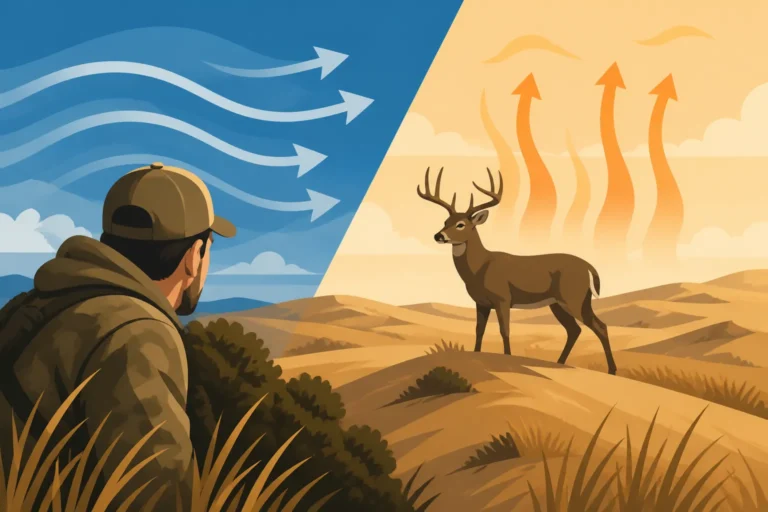
You'll also notice deer becoming much more wary. They've been pressured for weeks, sometimes months, and their natural instincts for survival are heightened. This means you need to be extra diligent about minimizing your scent, reducing noise, and choosing entry and exit routes that don't spook deer. Forget the aggressive rut-hunting tactics; late-season hunting demands patience and stealth.
Adapting Your Scouting to Changing Conditions
Effective scouting for a second permit often requires a fresh look at the landscape. Snow cover, if present, can be your best friend. It highlights deer trails, bedding areas, and feeding patterns like nothing else. You can quickly identify active travel corridors between bedding and feeding, making your stand or blind placement much more strategic. However, even without snow, you need to be looking for fresh tracks, droppings, and browsed vegetation around those critical food sources.
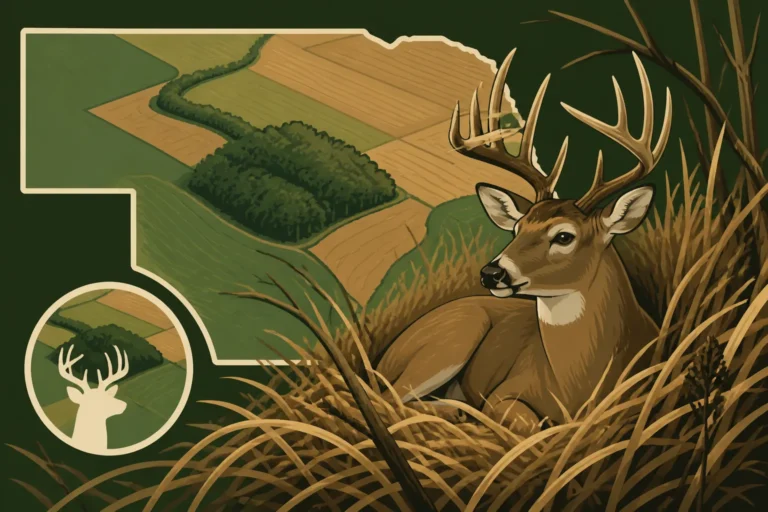
Consider the thermal advantages that certain cover types offer in colder weather. South-facing slopes, dense cedar thickets, and deep river bottoms provide crucial protection from wind and cold, becoming prime bedding areas. Pay attention to how Deep Snow and Deer Movement can funnel deer into specific, protected areas, making them easier to locate. Utilizing tools like topographic maps, aerial imagery, and even services like GoHunt for land ownership and habitat analysis can help you identify these pockets of prime late-season deer habitat before you ever step foot in the field. This digital scouting can save you countless hours of walking in cold conditions.
Effective Strategies for Late-Season Deer Hunting
The methods you employ for filling a second permit need to be tailored to the late-season conditions, often emphasizing low-impact approaches and patience.
Still-Hunting and Stand Placement
Still-hunting can be incredibly effective when targeting a second permit, especially in areas with good cover like timbered river bottoms or thick cedar draws. The idea is to move slowly, deliberately, and quietly, pausing frequently to observe your surroundings. This allows you to cover ground, but at a pace where you're actively hunting, not just walking. Focus on moving into the wind or crosswind, using terrain features to your advantage. This technique is particularly well-suited for Still-Hunting Nebraska Cedar Draws where deer will often bed down for warmth and security.
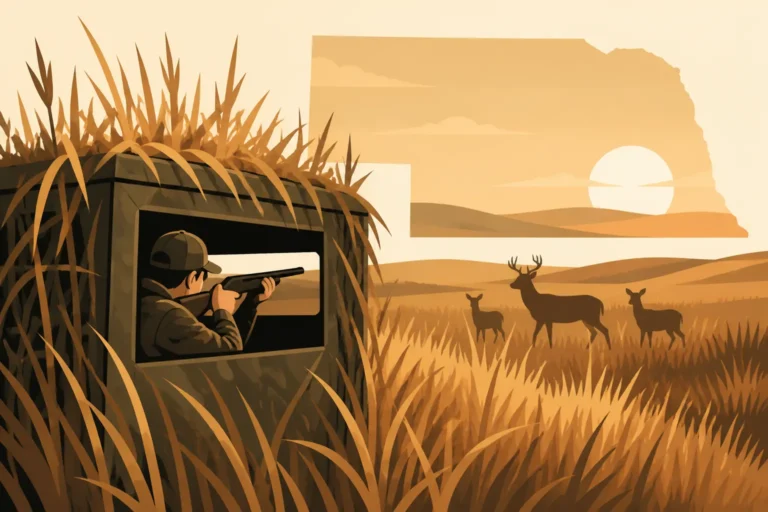
For stand placement, think about pinch points between bedding and feeding areas, especially those offering thermal cover. With less foliage, deer can see much further, so concealment is paramount. Ground blinds can be fantastic for late-season hunting, offering warmth, concealment, and the ability to move small amounts without being detected. They're especially useful when hunting Using a Ground Blind on Nebraska Public Ground where permanent stands might not be allowed or practical. Look for natural cover to brush them in further. Consider a thermos of coffee or hot chocolate; late-season sits can be long and cold, and comfort helps with patience.
Drive Hunting and Pushing Cover
In certain scenarios, particularly when hunting smaller parcels of timber or denser cover on private land, a small, organized deer drive can be an excellent way to push deer out to waiting hunters. This isn't about running deer wildly but rather slowly and deliberately moving through cover to encourage deer to move naturally along escape routes. Two or three hunters can be very effective in this. One or two "drivers" walk through the cover, while others are strategically positioned on exit routes or natural funnels. This is a common tactic for Two-Person Deer Drives on Small Timber, often resulting in an antlerless deer presenting a clean shot opportunity. Communication is key, as is a thorough understanding of the terrain and deer escape routes. Always prioritize safety, especially when driving deer.
Maximizing Your Chances on Public and Private Land
Whether you’re on public ground or have secured private land access, the approach to filling that second tag needs to be smart and adaptable.
Navigating Public Access Areas
Public lands in Nebraska, including Wildlife Management Areas (WMAs) and Open Fields and Waters (OFW) tracts, can hold deer late into the season, but they often face higher pressure. Scouting Nebraska Public Ground Before Opening Day is always ideal, but if you're coming back for a second tag, you'll need to look for areas that may have been overlooked or are harder to access. This means being willing to walk further, deeper into tracts, or through tougher terrain. Deer on pressured public land will quickly learn to use dense cover or hidden pockets to escape hunters.
Look for areas with thick thermal cover, isolated patches of standing crops, or hard-to-reach creek bottoms. These are often where deer will "yard up" in winter, concentrating their numbers for warmth and food. When considering public ground, utilizing the Nebraska Public Access Atlas or digital mapping tools like GoHunt is invaluable. They help you identify parcel boundaries, access points, and terrain features that might concentrate deer. Don't be afraid to think outside the box; sometimes the less obvious, harder-to-reach spots are the ones that hold deer that have eluded other hunters. Remember, patience on public land is even more important as deer are constantly on alert.
Ethical Considerations and Post-Harvest Protocols
No matter where you're hunting or what permit you're filling, ethical hunting practices are paramount. This includes taking clean, ethical shots and being prepared for recovery. In colder late-season conditions, deer might not bleed as much, making blood trailing more challenging. Having a good tracking light, knowing how to interpret subtle sign, and being persistent are critical. If you're successful, remember Nebraska’s tagging and reporting requirements. Every deer harvested, including those taken on a second permit, must be properly tagged and reported. Additionally, be aware of Nebraska CWD Sampling for Hunters if you're in a CWD management zone; this is important for herd health monitoring. Proper field dressing and cooling of the animal, even in cold weather, ensure the meat is of the highest quality for your freezer.
| Permit Type | Typical Availability | Best Use Case | Season Focus |
|---|---|---|---|
| Statewide Whitetail Doe | Good, especially post-draw | Flexible for late-season meat hunts | Archery, Muzzleloader, Late Firearm |
| River Antlerless | Varies by unit | Concentrated hunting in specific river corridors | Archery, Muzzleloader, Late Firearm |
| Antlerless-Only (Unit Specific) | Varies greatly by unit | Targeting overpopulated local herds | Archery, Muzzleloader, Late Firearm |
| Any-Deer (Open) | Depends on initial permit | Opportunity for either buck or doe, often late-season | Archery, Muzzleloader |
| January Antlerless | Limited units, check regulations | Post-holiday, cold weather hunting for does | Firearm, Muzzleloader |
Filling a second deer permit in Nebraska is a great way to extend your season, practice your skills, and put more venison on the table. By understanding your permit options, adapting your scouting and hunting strategies to the late-season conditions, and respecting the land and wildlife, you can turn that second tag into another successful hunt. For more detailed information, consider exploring resources on Hunting Nebraska Deer After the Firearm Season and Late-Season Antlerless Hunting in Nebraska. Happy hunting!
Disclaimer
The information provided in this guide is for general informational purposes only and does not constitute legal advice. Hunting regulations and seasons in Nebraska are subject to change. Always consult the official Nebraska Game and Parks Commission regulations and publications for the most current and accurate information before planning any hunting activity.