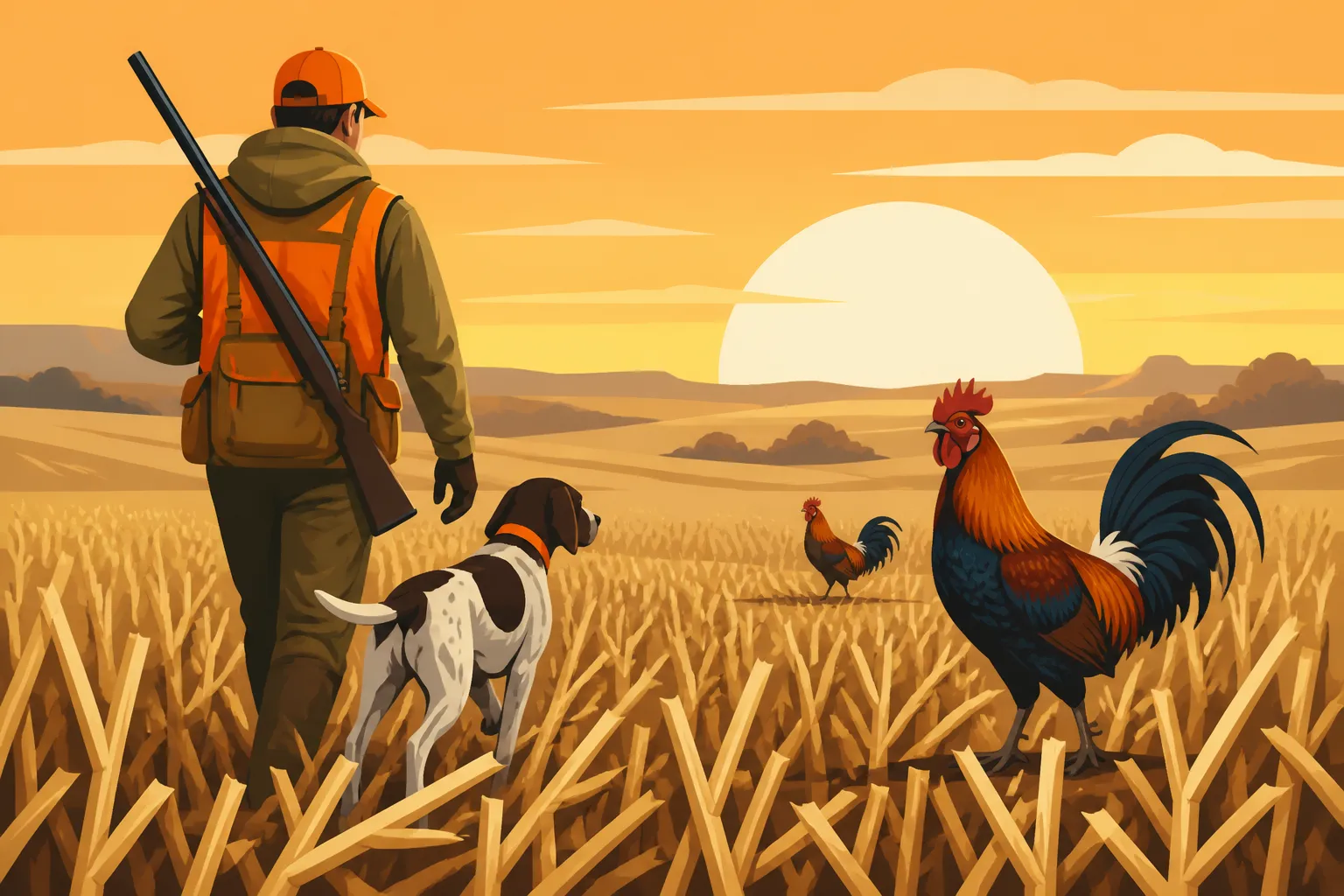
Walking Milo Stubble for Roosters
There's nothing quite like the rush of a rooster pheasant erupting from dense cover, especially when you've painstakingly walked the field yourself. But walking milo stubble for pheasants in Nebraska can be both incredibly rewarding and incredibly frustrating. Those wily roosters know how to use the cover to their advantage, often flushing far out of range or simply disappearing. This guide will dive deep into how to effectively hunt milo fields, covering everything from understanding their unique habitat appeal to the best gear and tactics to put more birds in your vest.
Understanding Milo Stubble as Prime Pheasant Habitat
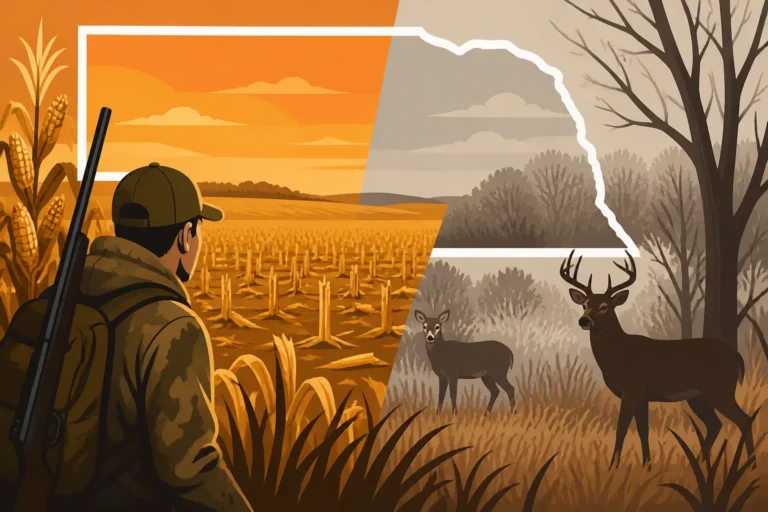
Milo, also known as grain sorghum, creates a fantastic environment for pheasants, offering a trifecta of food, cover, and thermal protection. If you've ever tried to push through a mature milo field, you know it's a jungle, even after harvest. This density is exactly what makes it so appealing to ringnecks, especially when other cover types might be sparse or hunted hard.
Why Roosters Love Milo
Roosters are smart birds, and they gravitate toward areas that offer them a sense of security and readily available sustenance. Milo stubble, especially fields left standing late into the season or fields with a lot of residual grain, checks all these boxes. The strong, thick stalks provide excellent visual screening from predators, both aerial and ground-based. A pheasant can hunker down in a milo row and feel virtually invisible.
Beyond concealment, milo fields are a buffet. The dropped grain offers a high-energy food source that is vital for pheasants, particularly as temperatures drop and other food becomes scarce. This is why you'll often find birds using these fields not just for shelter, but as primary feeding grounds throughout the day. The structure of the plants also creates small microclimates, shielding birds from harsh winds and even offering some thermal protection during cold snaps. Think of it as a natural fortress with a built-in pantry. If you're scouting, look for fields that aren't completely picked clean, where there's still plenty of waste grain on the ground. These are the fields that will hold birds consistently.
Reading the Cover: What to Look For
Not all milo stubble is created equal, and understanding how to "read" a field can significantly improve your success. The key is to identify areas within the field that offer superior cover or strategic escape routes. Often, the densest parts of a milo field are near the edges, especially those bordering ditches, shelterbelts, or other thick cover. These transition zones provide a safe haven for birds to move into and out of the field.
Pay close attention to changes in terrain or cover density. A slight dip, a patch of thicker-than-average stubble, or even areas where the combine might have left more standing stalks or missed a few rows can concentrate birds. These irregularities offer just enough extra concealment to make a pheasant feel secure. Also, consider the field's relationship to water sources or other food plots. If a milo field is adjacent to a creek, a cattail slough, or a standing cornfield, birds will use the milo as a staging area or a daytime loafing spot, especially if it offers easy access to those other resources. Utilizing tools like the GoHunt app can really help here, as you can often use satellite imagery to identify these distinct cover changes or nearby water sources even before you step foot in the field. Understanding these nuances is crucial for developing an effective hunting strategy. When you're in the field, look for visual signs like droppings, tracks, or dusting bowls, which are clear indicators that birds are actively using that specific area.
Essential Gear and Strategy for Walking Milo
Successful pheasant hunting in milo stubble often boils down to preparation and a methodical approach. It's tough walking, and if you don't have the right gear and a solid plan, you'll burn out quickly and probably miss out on opportunities.
Footwear and Clothing for the Stubble
Walking through milo stubble is a workout, and it can be brutal on your lower legs and feet. You need sturdy, comfortable boots with good ankle support. Look for boots that are waterproof and have tough uppers, as the stiff milo stalks can rub and abrade softer materials. Many hunters swear by snake boots or high-laced upland boots for this type of cover, as they offer extra protection against cuts and scrapes from the stubble, which can be surprisingly sharp. Make sure your boots are well broken in to avoid blisters, especially on those long walks.
For clothing, brush pants or chaps are an absolute must. Denim or canvas pants simply won't cut it against the constant abrasion of the stalks. Dedicated brush pants, often made of durable nylon or reinforced with tough facings, will protect your legs from cuts, scrapes, and burs. Layering is also important, as you'll often start a hunt in cool morning air but warm up quickly once you start moving. A good base layer, a warm but breathable mid-layer, and a tough, blaze orange outer shell are ideal. Remember, safety first: Nebraska requires a certain amount of orange visibility, and a good blaze orange cap and vest are non-negotiable. An upland vest with a game bag and plenty of pockets for shells, water, and other essentials is highly recommended. You'll thank yourself for having enough water capacity on those longer walks.
Shotgun and Shot Selection
Choosing the right shotgun and ammunition can make a big difference when hunting in milo. While many gauges will work, a 12-gauge or 20-gauge shotgun is most common for pheasants. The 12-gauge offers a bit more payload for those longer flushing shots, but a 20-gauge can be lighter and easier to carry over miles of walking. For more details on this decision, you might want to read about the "Best Shotgun Gauge for Nebraska Pheasants." What's more critical is how you set up your choke. In dense milo, birds often hold tight, leading to close-range flushes. However, those that do break cover might be trying to put distance between you and them quickly.
Many hunters opt for a more open choke like Improved Cylinder (IC) or Modified (Mod) for the first shot, especially if you're walking birds up and expect closer flushes. If you have a double barrel or an over/under, running IC and Modified is a great combo. For single-barrel pump or semi-automatic shotguns, a Modified choke is a good all-around choice. You can find more specific advice on this in articles like "Choke Choice for Walking Birds."
When it comes to shot size, number 4, 5, or 6 lead shot are popular choices. In the early season, when birds might hold tighter and aren't as heavily feathered, 6s can be effective. As the season progresses and roosters become tougher and more wary, moving up to 4s or 5s can provide the extra knockdown power needed. Keep in mind that some public lands or specific areas may require nontoxic shot, so always check local regulations before heading out.
Working the Field: Tactics for Solo or Small Groups
How you walk a milo field fundamentally impacts your success. Pheasants are notorious for running, and they'll often try to slip out the end of a field or hug the edges to escape. Your goal is to push them into an area where they feel cornered or are forced to flush within range.
For solo hunters, this means being methodical. Don't rush. Walk slowly, pausing frequently. Those pauses often make nervous birds flush, thinking the danger has passed. Try to walk into the wind if possible, as it helps carry your scent away from the birds and can help them hold tighter. Zig-zagging through the field, rather than just walking straight lines, can also help cover more ground and flush birds hiding in different rows. Pay extra attention to the thickest cover, depressions, and field edges. If you're hunting without a dog, which is entirely possible, understanding tactics like those discussed in "Hunting a Pheasant Field Without a Dog" will be invaluable.
When hunting with a small group (2-4 hunters), you can be much more effective. The ideal strategy is to block off potential escape routes. Have one or two hunters walk the thickest cover, pushing birds towards the end of the field or towards other hunters positioned strategically. "Blockers" can position themselves quietly at the downwind end of the field or along an adjacent fenceline, ready for birds trying to run out. The walkers should maintain a steady, even line, ensuring they cover the width of the field. Communication is key, especially if you're working a large area. Using two-way radios can be a game-changer to coordinate movements and alert each other to flushes or bird movement. No matter the group size, always know where your fellow hunters are and maintain safe shooting lanes.
Common Challenges and Troubleshooting
Hunting milo stubble isn't always easy, and you'll undoubtedly face some hurdles. But with a little foresight and the right approach, you can overcome many of these common frustrations.
Dealing with Wind and Wary Birds
Nebraska is known for its wind, and it can be a real adversary when pheasant hunting, particularly in open milo fields. Strong winds make it harder for pheasants to hear you approaching, but it also makes it harder for you to hear them flush. More importantly, it can make birds incredibly wary, encouraging them to run rather than fly. They'll use the wind to their advantage, often flushing into it to gain altitude quickly or flying low with the wind at their back to escape.
When the wind is howling, try to hunt fields that offer some natural protection, like those bordered by large tree lines or deep draws. If you have to hunt an open field, try to approach and walk into the wind. This forces birds to flush into the wind, making their initial flight slower and often giving you a better shot opportunity. It also helps contain their scent, which can make them hold tighter for you or your dog. Pay extra attention to areas of "Reading Cover After a Nebraska Wind," as wind currents can make certain parts of a field more appealing to birds seeking shelter. Another tactic is to adjust your walking speed. On really windy days, a slower, more deliberate pace can make birds nervous enough to flush before they can run too far.
Wary birds are another common challenge, especially later in the season after they've been pressured. These roosters have a PhD in evasion. They'll run out the end of a field, hide in the smallest patch of cover, or flush at extreme ranges. To combat this, you need to be unpredictable. Don't always walk in straight lines. Mix up your pace, throw in unexpected pauses, and occasionally double back. If you have a small group, try to pinch the ends of the field, effectively blocking their escape route. Using the GoHunt app to study the field layout and surrounding cover beforehand can help you anticipate where birds might try to escape. If you're consistently flushing birds out of range, consider altering your approach to cut off their escape path earlier.
Post-Hunt Care and Regulations
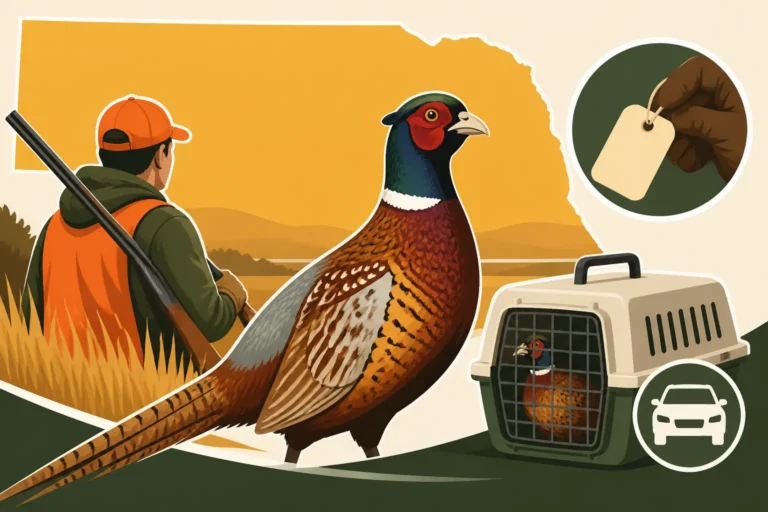
Once you've successfully harvested a rooster from the milo, the work isn't quite done. Proper field care is essential, especially if you plan to eat the bird or get it mounted. In Nebraska, like many places, you'll need to make sure you adhere to "Pheasant Tagging and Transport Rules in Nebraska." This typically involves leaving a head or wing attached for identification purposes during transport.
Cooling the bird quickly is important, especially on warmer days. If you have a game vest, hang the bird in the game bag where it can get some air circulation. As soon as possible, clean the bird and get it on ice. Even in cooler weather, keeping birds cool will help preserve the meat quality. A quick field dressing, removing the entrails, can also help cool the bird from the inside out. For birds you plan to mount, special care is needed to avoid damaging the feathers.
Always be sure to report your harvest if required by the state. This data is crucial for wildlife agencies like the Nebraska Game and Parks Commission to manage pheasant populations effectively. Also, review the "Nebraska Pheasant Daily Bag Limit" and possession limits before heading out to ensure you stay within legal bounds. Being a responsible and ethical hunter extends beyond the shot; it encompasses all aspects of the hunt, including care for the game and adherence to all regulations.
| Shot Size | Best Use Case for Milo Stubble | Advantages | Disadvantages |
|---|---|---|---|
| No. 6 Lead | Early season, tight-holding birds, close flushes. | Dense pattern, good for close-range head/neck shots. | Less kinetic energy for longer shots, may wound wary late-season birds. |
| No. 5 Lead | All-around excellent choice, good for early to mid-season. | Good balance of pattern density and knockdown power. | May still struggle with very long shots on tough birds. |
| No. 4 Lead | Late season, wary birds, longer flushing distances. | Higher kinetic energy, better penetration on tough birds. | Less dense pattern, requires more precise aiming at close range. |
| No. 3 Steel | Required on some public lands, good for late season. | Environmentally friendly (nontoxic). | Lighter than lead, requires larger shot size for equivalent energy, can pattern differently. |
Disclaimer
Please remember that hunting regulations and conditions can change. Always consult the official Nebraska Game and Parks Commission regulations before planning any hunt. This guide is for informational purposes only and should not replace legal state guidelines.