Quail Coveys in Nebraska Shelterbelts
There's nothing quite like the explosive flush of a bobwhite quail covey, but finding those elusive birds, especially in the vastness of Nebraska, can feel like searching for a needle in a haystack. Many hunters get frustrated, walking miles of promising cover only to come up empty-handed. This guide is here to cut through that frustration, focusing specifically on how to locate, understand, and effectively hunt quail coveys tucked away in Nebraska's vital shelterbelts.
Understanding Nebraska's Bobwhite Quail and Their Habitat Needs
Before you can truly hope to fill your game bag, you need to understand the creature you're after. Bobwhite quail are not just any birds; they are masters of concealment, tiny bundles of nervous energy that rely entirely on their habitat for survival. Nebraska's landscape presents unique challenges, making certain habitat features absolutely critical.
The Critical Role of Shelterbelts for Quail Survival
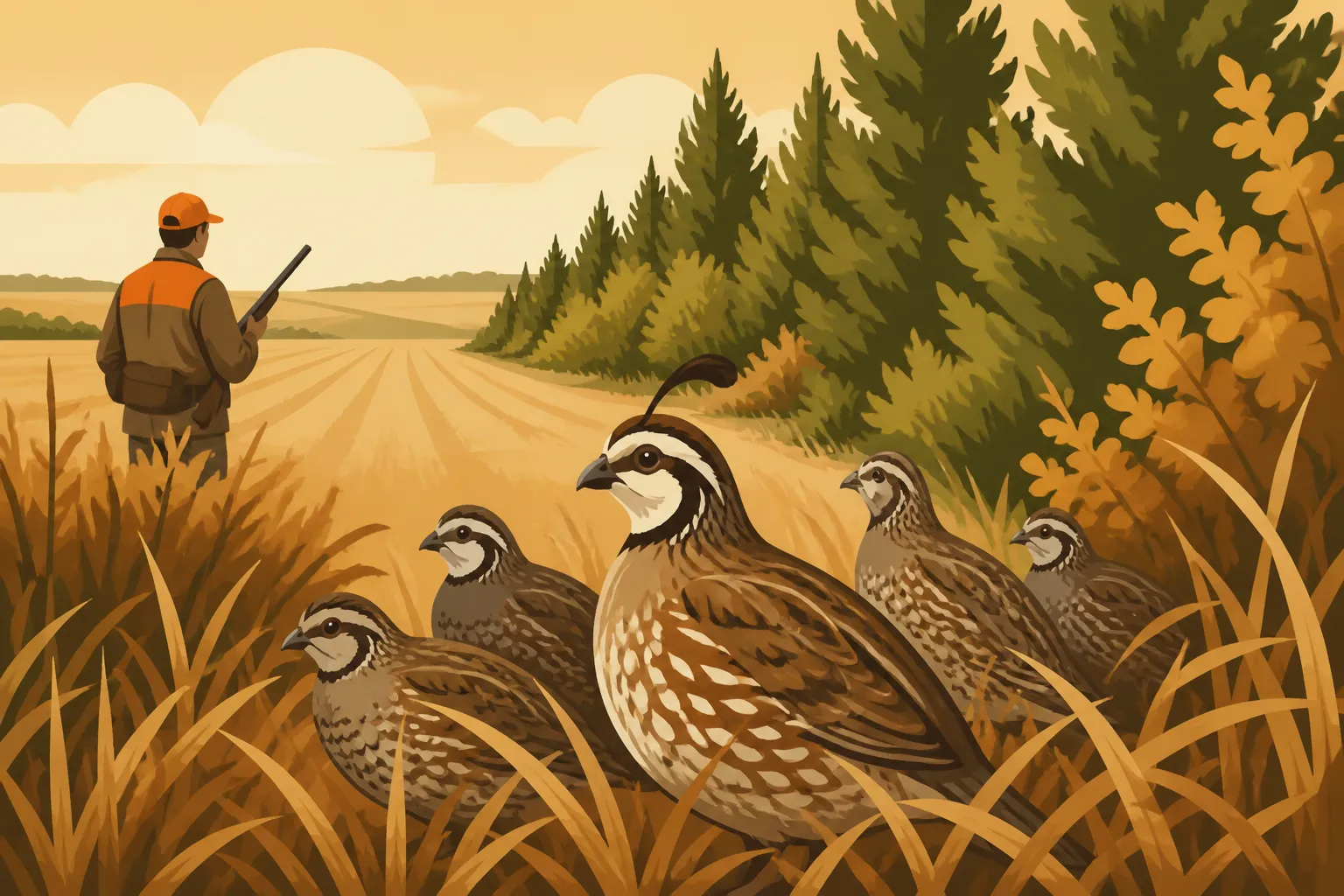
When we talk about quail in Nebraska, shelterbelts are often the unsung heroes of their existence. These linear plantings of trees and shrubs, often seen bordering farm fields or property lines, are far more than just windbreaks. For bobwhite quail, they are fortresses, cafeterias, and nurseries all rolled into one. Think about it: a small bird, barely larger than your fist, needs constant protection from aerial predators like hawks and ground-based threats like coyotes and domestic cats. A dense shelterbelt provides that crucial overhead and lateral cover, creating a safe zone where quail can loaf, escape, and feel secure.
Beyond predator protection, shelterbelts offer vital thermal regulation. Nebraska winters can be brutal, with bitter winds and deep snows. A thick shelterbelt acts as a natural windbreak, reducing wind chill and providing insulation that can literally be the difference between life and death for a covey huddled together. Conversely, during scorching summer days, the shade provided by taller trees and dense shrubs offers respite from the oppressive heat. These multi-purpose corridors also serve as nesting sites, with the lower branches and undergrowth providing concealment for hens to lay their eggs and raise their broods. Without these vital shelterbelts, many of Nebraska's quail populations would struggle immensely to persist, highlighting their invaluable role in the ecosystem.
Beyond the Trees: Essential Components of Quality Quail Habitat
While shelterbelts are paramount, they aren't a standalone solution. For a shelterbelt to truly become a quail magnet, it needs to interact with other critical habitat components, creating what habitat managers call the "edge effect." Imagine a dense shelterbelt meeting a field of native grasses or a brushy fenceline. This transition zone is where quail thrive, utilizing the dense cover of the shelterbelt for security while venturing just far enough into the adjacent habitat to find food and nesting material.
Native grass stands, particularly those with a diverse mix of forbs (broad-leafed plants), are incredibly important. These areas provide excellent nesting cover in the spring and early summer, protecting eggs and young chicks from predators. They also harbor a rich insect population, which is crucial protein for growing quail chicks. Adjacent croplands, especially those with waste grain or weedy margins, offer a consistent food source throughout the fall and winter. Quail are primarily seed-eaters, and the seeds from sunflowers, ragweed, or spilled corn and milo can sustain them through tough times. Even subtle elements like dusting bowls—small, shallow depressions where birds "bathe" in loose soil to clean their feathers—can indicate active quail use. A good quail hunter isn't just looking at the trees; they're analyzing the entire mosaic of cover and food sources around those trees. For a deeper dive into the specific habitat needs in eastern Nebraska, check out our guide on Bobwhite Quail in Eastern Nebraska.
Strategies for Locating Quail Coveys in Shelterbelts
Successfully finding quail isn't about aimlessly wandering; it's about smart scouting and understanding how these birds use the landscape. Nebraska's terrain, with its mix of agriculture and wild spaces, means you need a focused approach.
Pre-Season Scouting: Reading the Landscape for Quail Sign
The groundwork for a successful quail hunt begins long before opening day. Pre-season scouting is about becoming a detective, piecing together clues that point to active coveys. Start with good maps—digital mapping tools like GoHunt are invaluable for this. You can overlay property lines with satellite imagery to identify promising shelterbelts, especially those with dense, diverse plantings that offer a mix of evergreens and deciduous shrubs. Look for shelterbelts that are adjacent to known food sources like corn or milo fields, or near areas of undisturbed native grass. Don't forget to consult resources like the Nebraska Public Access Atlas to find accessible hunting grounds that fit this criteria.
Once you're on the ground, switch to full detective mode. Look for physical signs: quail tracks, which are distinct and three-toed, often found in dusty paths or along the edges of fields. Droppings can indicate recent activity, as can dusting bowls—small, shallow depressions in loose soil where quail will "dust bathe" to clean their feathers. During early morning or late evening, especially in the weeks leading up to the season, listen intently for the distinctive "bob-white!" whistle of a cock quail or the social "covey call" that birds use to re-group. Pay attention to how environmental factors, such as the impact of Quail Winter Kill in Hard Years or even how Spring Rain and Pheasant Nesting might affect bird populations, as these can influence where you find birds.
Hunting Techniques for Working Shelterbelt Cover
When it comes to actually hunting a shelterbelt, a well-thought-out strategy is crucial. These linear strips of cover can be challenging to hunt effectively, but with the right approach, they can be incredibly productive. The absolute best tool you can have is a good bird dog. Whether it's a pointer that locks up on scent, allowing you to walk in for the flush, or a flushing dog that systematically works the cover, a canine partner dramatically increases your success rate. Without a dog, you'll need to be much more methodical and patient, perhaps even considering techniques for Retrieving Birds Without a Dog if you're hunting solo.
Always try to work the shelterbelt into the wind if possible. Quail rely heavily on their sense of smell, and working against the wind helps your dog (or you) pick up scent more effectively. Your pace should be slow and deliberate, allowing enough time for birds to hold tight before flushing. If you're hunting with partners, communicate constantly. One common and effective tactic for longer shelterbelts is to have a "blocker" at the downwind end, while one or two hunters and their dogs systematically walk through the cover. This can push birds towards the blocker, setting up opportunities. Pay particular attention to the ends of the shelterbelt and any dense patches or gaps, as these are often preferred holding areas.
Effective Hunting Approaches and Gear Considerations
Hunting quail in Nebraska's shelterbelts requires a specific set of skills and the right gear to ensure success and safety. The covey rise is a thrilling, albeit brief, moment, and being prepared for it is paramount.
Tactics for Flushing and Shooting in Dense Cover
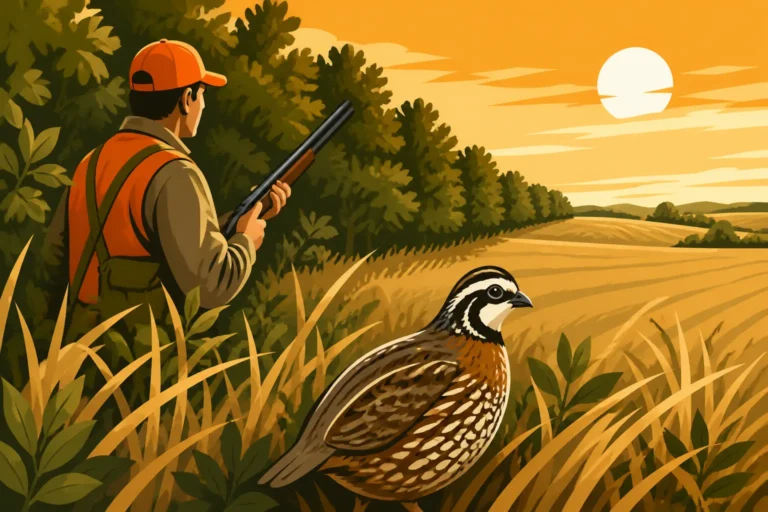
The moment of truth in quail hunting is the covey rise. Unlike pheasants that might flush singly or in small groups, a quail covey explodes as one, sending a dozen or more birds into the air simultaneously. This can be startling, and it's easy to rush your shot. The key is to approach the suspected covey location slowly and deliberately, ensuring you're ready for the flush. When the covey does explode, pick a single bird, swing through it, and make a clean shot. Don't try to "shoot into the brown mass"; that rarely works. Practicing Covey Rise Shooting Discipline is crucial here.
Once the initial covey rise has scattered the birds, the hunt isn't over. In fact, many experienced quail hunters find the best shooting comes from working singles. Scattered birds will often hold much tighter than the original covey, offering more deliberate shot opportunities. Mark where the birds land and methodically work those areas. If you have a good pointing dog, this is where they truly shine. Always be mindful of your hunting partners' locations and establish clear shooting lanes, especially in dense cover where visibility can be limited. Safety is always the number one priority. Furthermore, understanding appropriate shot placement, similar to what's described in Shot Placement on a Rising Rooster, will improve your chances of ethical, clean kills.
Essential Gear for Nebraska Quail Hunters
Having the right gear makes a huge difference in comfort, safety, and success when chasing quail in Nebraska. First and foremost, let's talk about shotguns. A lightweight, fast-handling shotgun in 12, 20, or even 28 gauge is ideal. You'll be doing a lot of walking, and a heavy gun can quickly become a burden. Considerations like Shotgun Weight on a Long Prairie Walk are very real. Open chokes, like improved cylinder or skeet, are generally preferred for the close-quarters flushes you'll encounter in dense shelterbelts. As for ammunition, smaller shot sizes like 7.5 or 8 are perfect for bobwhites, offering a dense pattern for these smaller birds.
Beyond the firearm, blaze orange is non-negotiable for safety. Nebraska mandates specific requirements, so make sure you meet the Nebraska's 400-Square-Inch Orange Rule with an orange vest, hat, or both. A good upland vest with plenty of game and shell pockets, plus a water bladder for yourself and your dog, is essential. Durable brush pants are a must to protect against thorns, briars, and abrasive cover. Finally, reliable navigation tools are key. While your phone's GPS can work, a dedicated GPS unit or a robust hunting app like GoHunt on your phone ensures you always know where you are, where you've been, and where you're going, which is especially helpful when working unfamiliar public land.
Preserving the Future of Nebraska Quail Hunting
The future of quail hunting in Nebraska, like many upland bird pursuits, hinges on thoughtful conservation and responsible hunting practices. We've seen fluctuations in quail numbers over the years, and it's up to all of us to contribute to their sustainability.
Habitat Improvement and Conservation Efforts
Nebraska's bobwhite quail populations have faced their share of challenges, including habitat loss and harsh winters, leading to events like Quail Winter Kill in Hard Years. Recognizing this, habitat improvement is the cornerstone of quail conservation. Private landowners, in particular, play a crucial role. By managing shelterbelts to enhance their density and diversity, planting native grasses and forbs, and establishing food plots, they can create pockets of prime quail habitat. This often involves specific types of native plantings that provide year-round cover and food, such as plum thickets, cedars, and various seed-producing weeds.
Government programs also support these efforts, often incentivizing landowners to enroll acres in conservation practices that benefit upland birds. While much attention often goes to pheasants, programs like the Conservation Reserve Program (CRP) directly benefit quail by providing essential nesting and brooding cover. Understanding the role of programs like CRP, as detailed in CRP Acres and Nebraska Bird Numbers, and broader initiatives such as What the Berggren Plan Set Out to Do, gives a clearer picture of the landscape-scale efforts that support not just pheasants, but also the bobwhite quail that share much of the same habitat. These efforts ensure that shelterbelts and the areas around them remain viable for generations of quail to come.
Ethical Hunting Practices and Regulations
Responsible hunting goes hand-in-hand with conservation. Ethical hunting practices ensure a positive image for hunters and contribute directly to the health of the resource. Always obtain proper permission before hunting private land, and respect landowner wishes meticulously. Know your state's hunting regulations, including bag limits and season dates. Always refer to the official game and parks guide for current information on Nebraska Quail Season Dates.
Another critical aspect of ethical hunting is shot selection and retrieval. Only take shots you're confident in, and always make every effort to recover downed birds. This is where a good dog is invaluable, but even without one, marking the fall and systematically searching the area is your responsibility. Proper field dressing and cooling of your harvest ensure the meat is handled respectfully and safely. By adhering to these principles, hunters not only enjoy a rewarding experience but also contribute positively to the future of Nebraska's quail, ensuring that the thrill of a covey rise can be experienced by hunters for years to come.
Here's a quick look at how habitat elements contribute to a thriving quail covey:
| Habitat Element | Primary Benefit for Quail | Secondary Benefits | Key Features |
|---|---|---|---|
| Shelterbelt | Escape & Thermal Cover | Nesting, Roosting | Dense trees/shrubs, multi-row |
| Native Grass | Nesting & Brood Rearing | Insect Food Source | Mix of tall grasses & forbs, undisturbed |
| Cropland Edge | Winter Food Source | Travel Corridor | Waste grain, weedy borders |
| Brushy Draw/Fenceline | Travel & Escape Cover | Roosting | Thorny shrubs, dense undergrowth |
| Water Source | Hydration | Insect Attraction | Dew, puddles, fleshy fruits |
Disclaimer
Please remember that hunting regulations, seasons, and permit requirements can change. Always consult the latest Nebraska Game and Parks Commission regulations before planning any hunting trip. This guide is for informational purposes only and should not be considered a substitute for official legal documents or professional advice.