Nebraska’s 400-Square-Inch Orange Rule
The rustle of autumn leaves, the crisp snap of cold air, and the anticipation of a hunt are all hallmarks of Nebraska's diverse hunting seasons. But for many, especially those new to hunting or coming from other states, the rules around blaze orange can feel like a tangled thicket. It's not just about wearing some orange; Nebraska has a specific "400-square-inch" requirement that can leave hunters scratching their heads about what truly qualifies. This guide will cut through the confusion, explaining exactly what the 400-square-inch rule means, when it's mandatory, and how you can ensure you're compliant and safe in the field.
Decoding Nebraska's 400-Square-Inch Blaze Orange Requirement
The term "400 square inches of blaze orange" might sound like something straight out of a geometry textbook, and it can definitely feel intimidating to figure out in practice. It's a precise measurement, and understanding its implications is the first step to staying legal and, more importantly, safe during your Nebraska hunts.
The Literal Interpretation of the Law
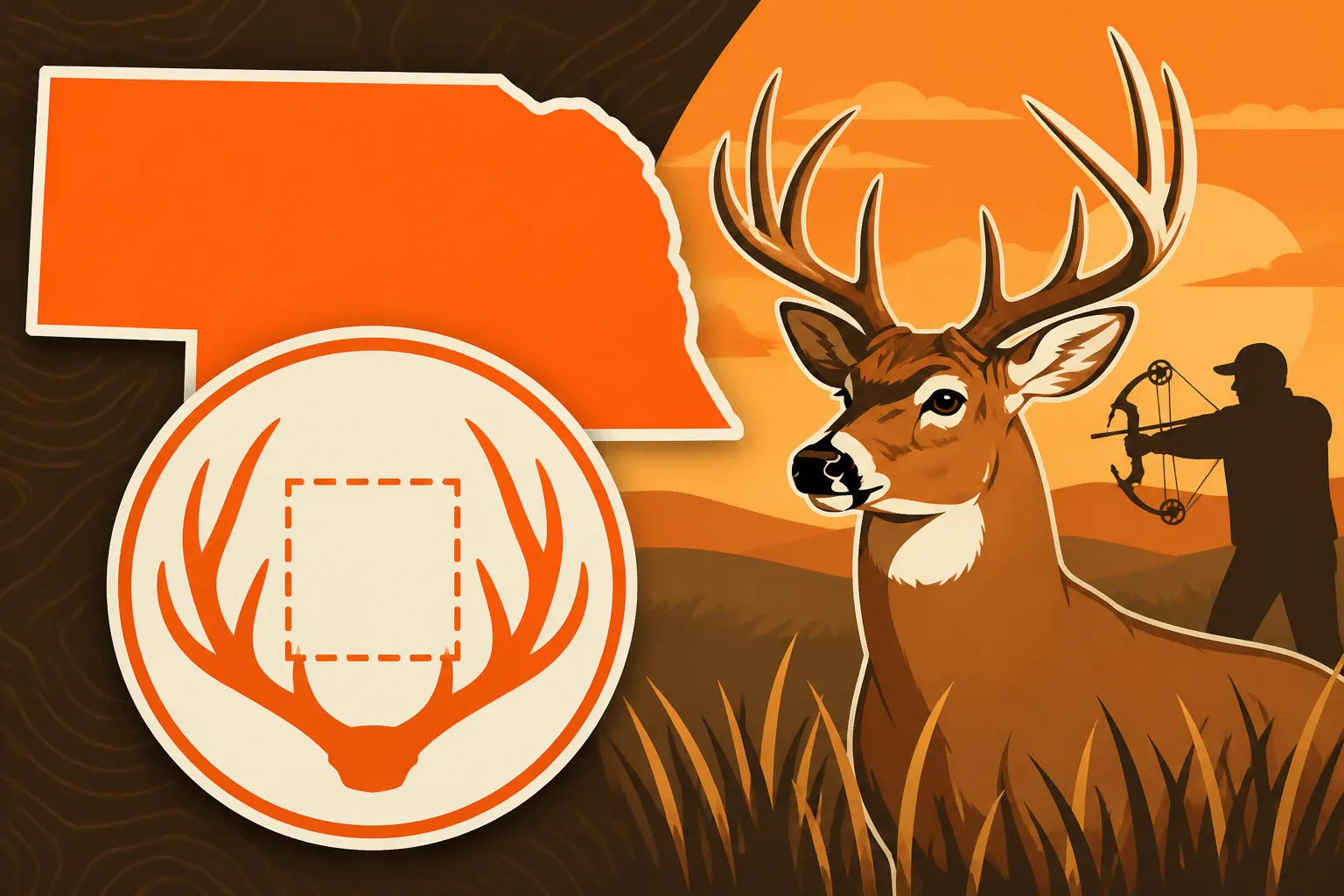
When the Nebraska Game and Parks Commission states "400 square inches of blaze orange," they mean a cumulative surface area of that distinct, bright safety color. This isn't just a suggestion; it's a legal requirement during specific seasons. Many hunters mistakenly believe that a simple blaze orange baseball cap is sufficient. While a hat is a great start and highly recommended, it almost never meets the 400-square-inch minimum on its own.
Think about it this way: a typical baseball cap brim is about 7 inches wide and maybe 3 inches deep, offering roughly 21 square inches of frontal area. The dome of the hat adds a bit more, but you'd be hard-pressed to get much over 100 square inches total, even with a full wrap-around design. To reach 400 square inches, you're generally looking at something much more substantial, like a full vest. A common blaze orange vest, covering your torso from shoulders to waist, easily exceeds this requirement, often providing upwards of 500-700 square inches, depending on size. The intent behind this specific measurement is to make you unmistakably visible to other hunters, minimizing the risk of a tragic accident in the field.
Why 400 Square Inches? Visibility in Nebraska's Diverse Landscapes
Nebraska is a state of incredible contrasts when it comes to hunting environments. We have the wide-open, rolling Sandhills where visibility stretches for miles, but also dense river bottoms choked with cottonwoods and cedar thickets, and vast expanses of row crops. The 400-square-inch rule isn't an arbitrary number; it's designed to ensure a hunter is highly visible across this varied terrain, whether they're actively moving, sitting still, or just transitioning to their hunting location.
In the thick cover of an eastern Nebraska river bottom, for instance, a small patch of orange might be easily obscured by foliage. But 400 square inches, spread across a vest, offers a much larger target for another hunter to see, especially if they're moving through dense timber or performing Deer Drives on Small Nebraska Timber. Out in the vastness of the Sandhills, where distances are deceiving, that significant block of orange makes you identifiable as a human hunter much sooner than a small patch would. This proactive measure accounts for both the close-quarters, limited visibility scenarios and the long-range challenges of the plains. It's about ensuring that even a quick glance or a brief break in cover provides enough visual information for another hunter to register your presence and avoid mistaking you for game.
When the Orange Comes Out: Required Seasons and Situations
Understanding what 400 square inches means is one thing, but knowing when you absolutely must wear it is equally critical. Nebraska's regulations are clear, but the nuances, especially during overlapping seasons, can trip up even experienced hunters.
Mandatory Wear During the Firearm Deer Season
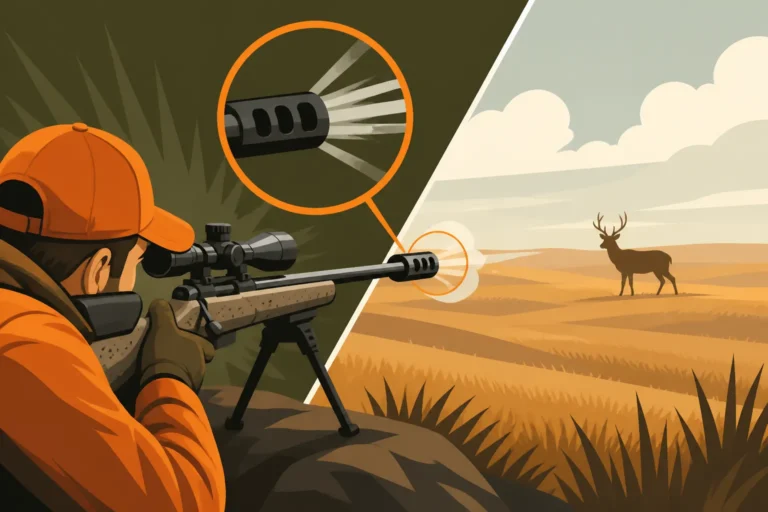
This is the big one, the period when blaze orange becomes absolutely non-negotiable for almost everyone in the field. During Nebraska's general Nebraska Firearm Deer Season Dates, which typically runs for nine days in November, any person hunting deer with a firearm must wear 400 square inches of blaze orange material on their head, chest, and back. This isn't just for deer hunters; it applies to anyone hunting any species with a firearm during this specific period. So, if you're out chasing pheasants, squirrels, or calling coyotes during the firearm deer season, you are still required to don that orange.
The reasoning here is pure safety. The firearm deer season sees an enormous influx of hunters into the field, many of whom are covering ground, driving deer, or simply sitting in stands. The increased hunter density, combined with the power of modern firearms, necessitates maximum visibility. It's a rule designed to protect everyone, ensuring that every hunter is easily distinguishable from game animals, even in low light or challenging conditions. Ignoring this rule isn't just a violation; it's a serious safety lapse that could have severe consequences for yourself or others.
The Tricky Overlap: Archery and Muzzleloader Seasons
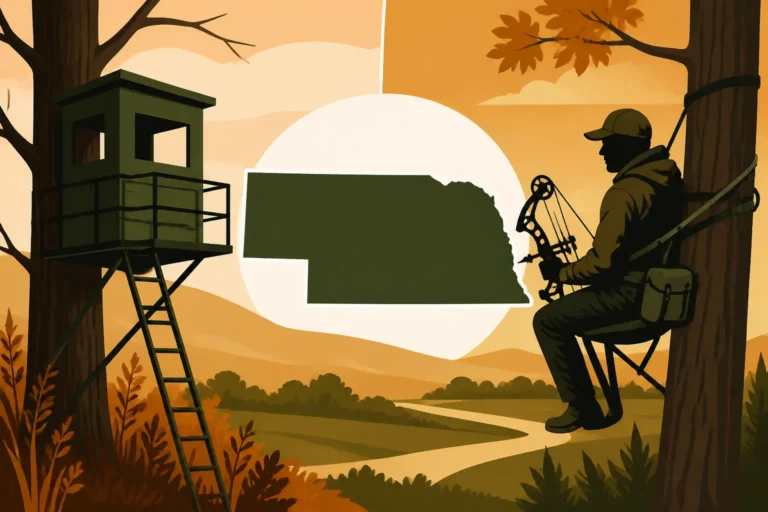
Here's where many hunters, particularly bowhunters, get confused. Nebraska's archery deer season is wonderfully long, often spanning from September into January. However, during any portion of the archery season that overlaps with a firearm deer season (like the general November rifle season or the later December muzzleloader season), archers and muzzleloader hunters are also required to wear 400 square inches of blaze orange. This is a critical point that often gets overlooked.
For instance, Bowhunting During Nebraska's November Firearm Season means that while you might be stalking quietly with your bow, you still need to be brightly visible. Your stealth comes from your movement and scent control, not from blending in visually with your surroundings. The same applies to muzzleloader hunters in December. Even though they are using primitive firearms, the active presence of other firearm hunters, even if they're specific Muzzleloader Deer Hunters in Nebraska in December, means the blaze orange rule is in effect. You can learn more about these specific requirements under Orange Rules That Apply During Archery Season. It's a reminder that safety overrides the traditional camouflage preference for bowhunters when other types of firearms are in play.
Small Game, Predators, and Other Hunting Activities
The 400-square-inch blaze orange rule isn't exclusive to deer hunters during the firearm season. If you are hunting any species with any legal weapon during any of the established firearm deer seasons, you must meet the blaze orange requirement. This includes:
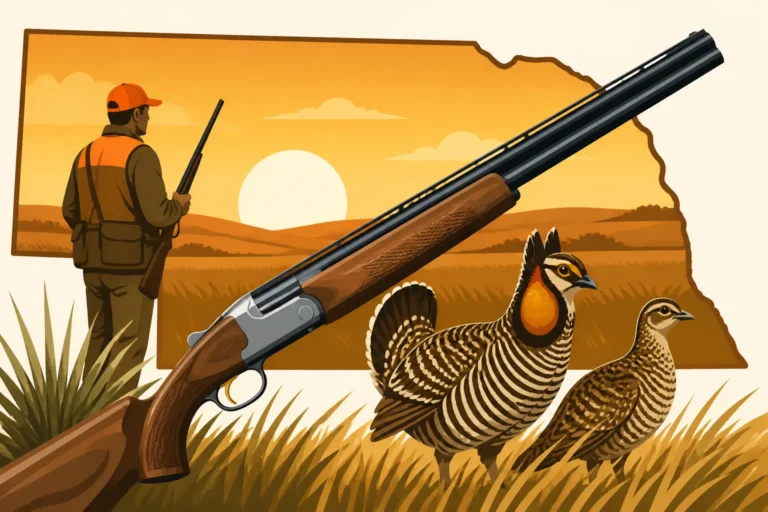
- Upland Bird Hunters: If you're out walking cornfields or grass for pheasants and quail, and it happens to be during the nine-day November firearm deer season, you need to be wearing your orange. This is especially important for upland hunters who often move through areas where deer hunters might be present.
- Small Game Hunters: Chasing rabbits or squirrels during an open firearm deer season? Blaze orange is required.
- Predator Hunters: Calling coyotes or foxes during the firearm deer season? You need 400 square inches of orange.
The key takeaway is that it's not about what you're hunting, but when you're hunting. If a firearm deer season is active, and you're afield, the blaze orange rule applies. Even if you're just Walking Nebraska Pheasant Cover With a Dog during the November gun season, your visibility is paramount. Always check the current regulations for the specific dates of all overlapping seasons to ensure compliance. Platforms like GoHunt can be incredibly useful for quickly cross-referencing season dates and understanding regulation overlaps, helping you stay informed before you ever step foot in the field.
Navigating the Exemptions and Common Missteps
While the general rule for blaze orange during firearm deer seasons is broad, there are specific exemptions, and unfortunately, many common misunderstandings. Knowing both can keep you legal and safe.
When Blaze Orange Isn't Required
Not every hunting scenario in Nebraska requires blaze orange. There are definite times when camouflage or other attire is appropriate, and even necessary, for the success of your hunt.
Firstly, during archery-only deer seasons when no firearm deer season is open, archers are not required to wear blaze orange. This applies to the early portion of the Nebraska Archery Deer Season Dates in September and October, and any late archery seasons that fall outside of the general firearm or muzzleloader periods. During these times, traditional camouflage is typically worn to maximize concealment while bowhunting. Similarly, waterfowl hunters are almost always exempt from blaze orange requirements, as their success depends entirely on blending into their environment to decoy ducks and geese. You'll see layouts blinds, natural cover, and specialized camo patterns, not bright orange. Lastly, turkey hunters also operate without blaze orange. Wild turkeys have keen eyesight and can easily spot bright colors, making camouflage crucial for calling in wary gobblers during spring or fall seasons. For these specific hunts, the focus shifts from being highly visible to being completely concealed.
Common Misunderstandings and How to Avoid Them
Even with clear rules, misconceptions about blaze orange persist. These misunderstandings can lead to violations, but more importantly, they create dangerous situations in the field.
One of the most frequent errors is the belief that a blaze orange hat alone is sufficient. As we discussed, 400 square inches is a substantial amount of material, far more than a typical hat provides. While a hat is a good addition to your orange attire, it rarely meets the minimum requirement on its own. Hunters must ensure they have a vest or other garment that covers the majority of the 400 square inches on their torso. Another common pitfall is thinking, "I'm on private land, so the rules don't apply to me." Nebraska's blaze orange regulations are statewide, applying equally to private and public land during the mandated seasons. The safety of all hunters, regardless of property boundaries, is the paramount concern. A third mistake involves assuming the rule only applies to deer hunters. This is incorrect. If any firearm deer season is open, the rule generally applies to anyone hunting any species with a legal weapon. This means a squirrel hunter or a pheasant hunter needs orange just as much as a deer hunter during those specific overlap periods. Always consult the official Nebraska hunting guide each year to confirm current regulations, as they can sometimes change. Being prepared, perhaps with a quick check on a platform like GoHunt for current regulations, can save you from an avoidable error.
Practical Strategies for Wearing Blaze Orange Effectively
Simply owning a blaze orange vest isn't enough; you need to wear it strategically to maximize its protective benefits. It's about ensuring you're seen from all angles and maintaining visibility throughout your hunt.
Choosing the Right Gear for Maximum Impact
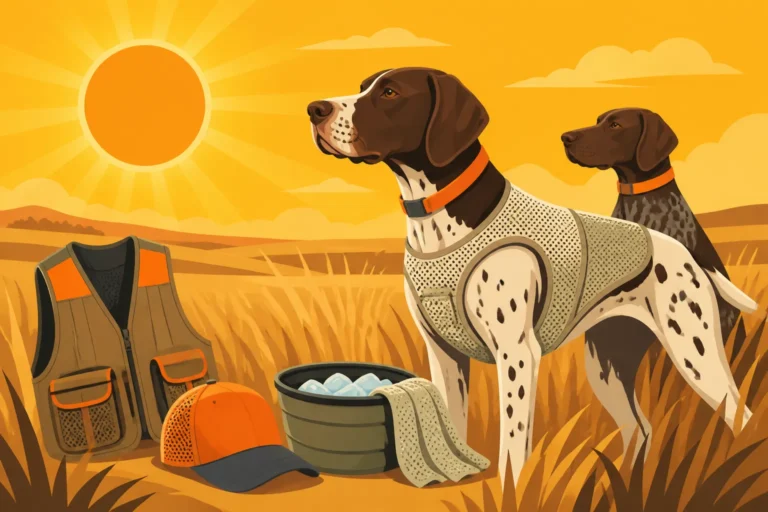
When it comes to meeting Nebraska's 400-square-inch rule, choosing the right gear is key. The most straightforward and common solution is a blaze orange hunting vest. These vests are designed specifically to meet or exceed the square inch requirement, covering your torso front and back. They come in various styles: lightweight mesh vests for early season comfort, heavier fabric vests with pockets for upland hunting, and even vests designed to fit over existing hunting jackets. For upland bird hunters, vests like those discussed in Upland Vests and Blaze Orange offer the required visibility while also providing practical storage for shells, game, and water.
While a vest is often the primary piece, combining it with a blaze orange hat is an excellent practice. Though a hat alone won't hit the 400-square-inch mark, it significantly enhances visibility, especially when your torso might be obscured by brush or terrain. Some hunters opt for outerwear with integrated blaze orange panels, such as hunting jackets or rain gear that features large sections of permanent orange. This can be convenient, but always double-check that the integrated orange genuinely adds up to the 400 square inches needed for compliance. Remember, the goal isn't just to be "a little bit orange" but to present a clear, unmistakable human profile to anyone else in the field.
Strategic Placement for All-Around Visibility
The effectiveness of blaze orange isn't just about the quantity; it's also about its placement on your body. To achieve maximum safety, you want to be visible from as many angles as possible. A vest is great because it covers your chest and back, which are typically the largest surface areas. However, think about situations where your back might be turned to another hunter, or you might be bending over. A blaze orange hat ensures some visibility from above and helps define your head, which is often the first thing glimpsed above brush.
Consider your movements in the field. If you're still-hunting through timber, your orange should be prominent. If you're sitting in a ground blind or a tree stand, position yourself so the orange is visible to potential approaching hunters. For those wearing a backpack, ensure your vest is worn over the pack, or that the pack itself has sufficient blaze orange panels, to prevent the pack from obscuring your required orange coverage. Some hunters even attach small blaze orange strips to their bow cases or rifle slings during transit to and from stands, adding another layer of visual identification. The principle is simple: make it as difficult as possible for another hunter to not see you.
Integrating Blaze Orange with Camouflage
Many hunters, especially those pursuing deer, are concerned that wearing blaze orange will scare away game. This is a common misconception, particularly for deer hunting. Deer vision is dichromatic, meaning they see in two primary colors, generally blue and yellow. They lack the red-green cones that allow humans to see a wide spectrum of colors, including vibrant orange. To a deer, blaze orange likely appears as a muted, dull yellow or gray against the natural backdrop, often indistinguishable from browns and grays in the environment. It doesn't "glow" or stand out to them in the same way it does to human eyes.
This biological reality means you can confidently wear your required blaze orange vest directly over your camouflage clothing without fear of alarming deer. In fact, many successful hunters do this routinely. Your ability to remain undetected by deer relies far more on factors like scent control, minimizing movement, and selecting a good stand location than it does on wearing full camouflage during periods when orange is mandated. So, don't sacrifice safety for a perceived advantage with game that simply doesn't perceive color in the same way we do. Focus on effective concealment from deer through other means, while maintaining maximum visibility to human hunters with your blaze orange. GoHunt provides useful information on deer biology and behavior, which can further reinforce why this strategy works.
Beyond the Orange: Comprehensive Hunter Safety in Nebraska
While the 400-square-inch blaze orange rule is a cornerstone of hunter safety in Nebraska, it's just one piece of a much larger puzzle. True safety in the field comes from a combination of education, preparation, awareness, and respectful conduct.
Hunter Education as the Foundation
The most crucial element of hunter safety, even before donning that orange vest, is comprehensive hunter education. Nebraska, like many states, has mandatory hunter education requirements, especially for younger hunters or those born after a certain date. This foundational training, highlighted in resources like Nebraska Hunter Education Age Requirement and Nebraska Habitat Stamp and Hunter Education, covers far more than just blaze orange.
Hunter education instills the core tenets of safe firearm handling (S.A.F.E.T.Y: Safe muzzle direction, Always treat every gun as loaded, Finger off the trigger, See your target and beyond, Excuse yourself from horseplay, Transport responsibly, Yield to common sense). It teaches target identification – not just what your target is, but what's beyond it. It emphasizes awareness of your zone of fire, understanding how bullets travel, and the importance of properly identifying your game before pulling the trigger. Blaze orange is a vital visual cue, but education provides the mental framework for responsible decision-making in every hunting situation. Without this fundamental understanding, even the brightest orange can't guarantee safety.
Communication, Planning, and Courtesy in the Field
Being a safe hunter also means being a considerate and responsible member of the hunting community. This involves clear communication, thorough planning, and demonstrating courtesy to others sharing the landscape. Before heading out, especially to public lands or areas known for high hunter density, it's wise to let someone know your hunting location and expected return time. This simple act can be a lifesaver in case of an emergency.
Utilize tools like the Nebraska Public Access Atlas or mapping applications, which can be found through resources like GoHunt, to scout potential hunting spots. Understanding property boundaries, public access points, and terrain features can help you anticipate where other hunters might be. If you encounter other hunters in the field, a friendly wave or a brief chat about your plans can prevent misunderstandings and enhance overall safety. Respecting private property, even if you have permission, and being mindful of neighboring landowners is also key. When engaging in group activities like Deer Drives on Small Nebraska Timber, explicit communication about everyone's position, direction of travel, and safe shooting lanes is absolutely paramount. These simple acts of planning and courtesy contribute significantly to a safer and more enjoyable experience for everyone involved.
Leveraging Technology and Mindset for Enhanced Safety
In today's hunting world, technology can play a significant role in enhancing safety, but it's always secondary to a safety-first mindset. GPS devices and smartphone apps are invaluable for knowing your exact location, tracking your movement, and identifying property lines – preventing accidental trespassing. Platforms like GoHunt often integrate detailed mapping features that can show public land boundaries, private land ownership, and even topographical information, all of which are critical for safe navigation and planning, especially when considering Wind Direction on Open Nebraska Prairie Stands or choosing safe routes.
However, no technology can replace constant vigilance and a responsible mindset. Always identify your target positively and be absolutely certain of what is beyond it before taking a shot. Be aware of your surroundings, listen for sounds of other hunters, and pay attention to changing weather conditions. Cold Weather Sitting Strategy and understanding other environmental factors are also crucial components of safety. Carry a well-stocked first-aid kit, and understand basic survival skills. Your blaze orange makes you visible, but your decision-making and preparedness are what ultimately keep you, and those around you, safe in the diverse and often challenging hunting environments of Nebraska.
Summary of Blaze Orange Requirements
Here's a quick overview of when blaze orange is generally required in Nebraska. Remember to always consult the current year's official Nebraska Game and Parks regulations for the most up-to-date and complete information.
| Season/Activity | Blaze Orange Required? | Specifics/Exceptions |
|---|---|---|
| Firearm Deer Season (e.g., November rifle season) | YES (400 sq. inches on head, chest, and back) | Applies to all hunters afield (deer, small game, predators, etc.) regardless of what they are hunting, if a firearm deer season is active. |
| Archery Deer Season (during firearm overlap) | YES (400 sq. inches on head, chest, and back) | When the archery season overlaps with any firearm deer season (rifle or muzzleloader), archers must wear orange. Refer to When Nebraska Archers Must Wear Orange for specific dates. |
| Muzzleloader Deer Season (during firearm overlap) | YES (400 sq. inches on head, chest, and back) | When the muzzleloader season overlaps with any other firearm deer season, muzzleloader hunters must wear orange. |
| Archery-Only Deer Season (no firearm overlap) | NO | During periods when only archery deer season is open, blaze orange is not required. Camouflage is typically used. |
| Turkey Hunting | NO | Turkey hunters rely on camouflage for calling in birds and are exempt. |
| Waterfowl Hunting | NO | Waterfowl hunters use blinds and camouflage for concealment and are exempt. |
| Small Game/Predator Hunting | YES (if overlapping with firearm deer season) | If you are hunting small game (pheasants, rabbits, etc.) or predators during an active firearm deer season, you must wear 400 sq. inches of blaze orange. |
| Small Game/Predator Hunting | NO (if no firearm deer season is active, but still recommended) | If no firearm deer season is active, blaze orange is not legally required for small game or predator hunting, but wearing some visible color is always a good safety practice, especially when multiple hunters may be in the field. |
| Blaze Orange Square Inches | 400 square inches | This refers to the cumulative surface area of the material. A hat alone is usually insufficient. A vest is the most common way to meet this. See Nebraska Blaze Orange Square Inches for more details on the specific measurement and what counts. |
Disclaimer
This article is for general informational purposes only and does not constitute professional advice. Laws, prices and regulations vary by location and change over time. Consult a qualified professional for guidance on your specific situation.