Bow Draw Weight for Nebraska Whitetails
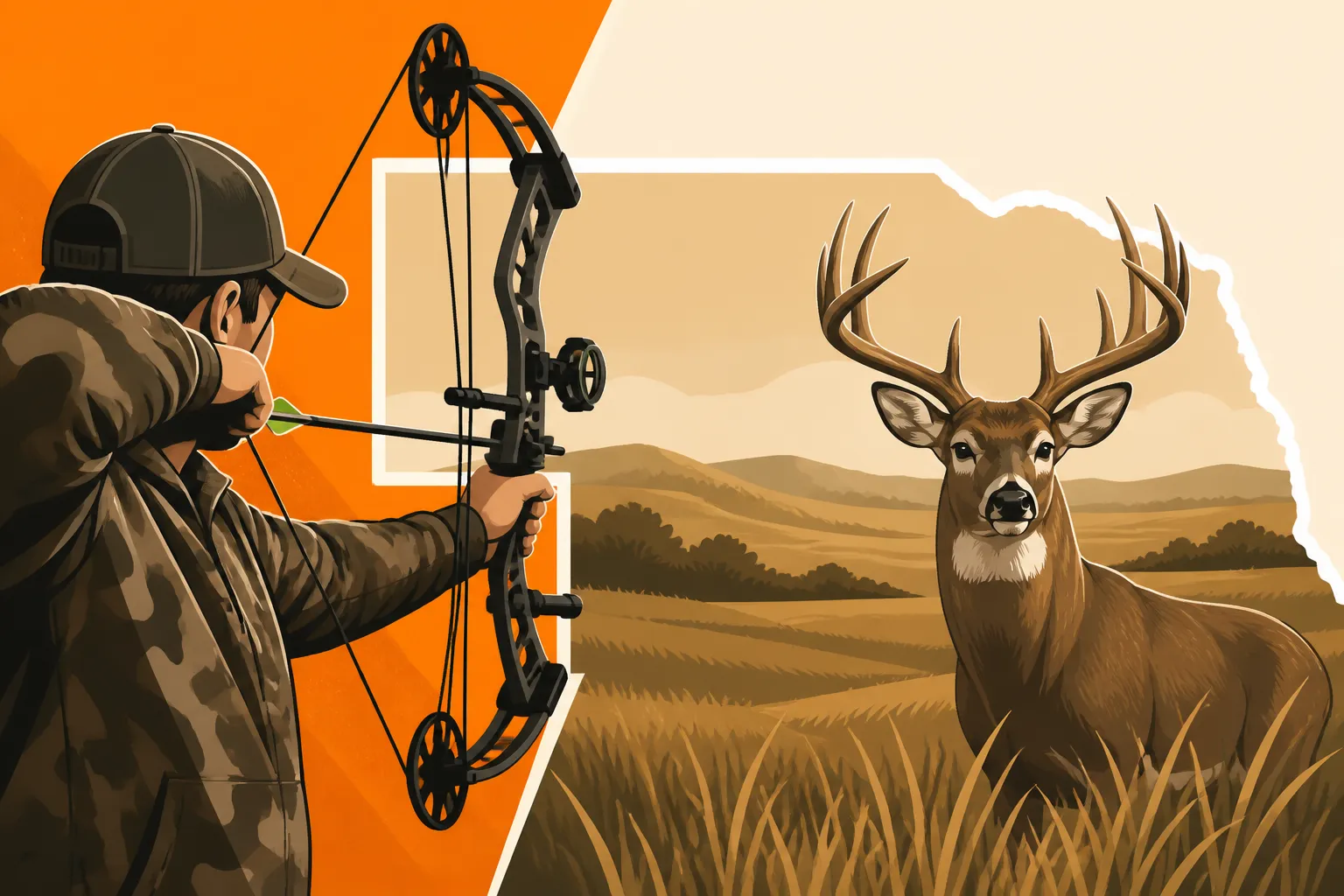
It's easy to get caught up in the numbers and specifications of bowhunting gear, especially when you're looking to hit the timber or stalk the edges of a cornfield for a Nebraska whitetail. One of the most common dilemmas archers face revolves around draw weight: how much is enough, and how much is too much? This guide will dive deep into understanding bow draw weight, helping you find the perfect balance for effective and ethical hunting in Nebraska's diverse landscapes.
What is Bow Draw Weight and Why It Matters for Nebraska Whitetails
Draw weight, in its simplest form, is the amount of force, measured in pounds, required to pull your bowstring back to its full draw length. For compound bows, this peak weight is reached somewhere in the middle of the draw cycle, before "let-off" kicks in, reducing the holding weight. Recurve and longbows, on the other hand, have a draw weight that continuously increases as you pull back. Understanding this fundamental concept is crucial, not just for comfort and accuracy, but for the ethical harvest of game.
The Physics of Power and Penetration
Think of draw weight as the engine of your archery setup. The higher the draw weight, generally speaking, the more kinetic energy and momentum your arrow will carry downrange. This energy is vital for driving your broadhead through the hide, muscle, and bone of a whitetail deer to reach vital organs. An arrow that lacks sufficient energy or momentum risks only superficial penetration, leading to wounded animals and heartbreaking recovery efforts. We all want a clean, ethical harvest, and that starts with having enough power behind your shot.
It’s not just about the raw power, though. The efficiency with which your bow transfers that energy to the arrow, combined with the arrow's weight and broadhead choice, all play a role in penetration. A heavier arrow, even with a slightly lower draw weight, can often achieve better penetration than a lighter arrow shot from a higher draw weight bow, due to momentum. It's a system, not just one number. This is especially true when you consider the sometimes dense muscle and bone structure of a mature Nebraska buck.
Comfort, Accuracy, and Shot Consistency
While power is important, it's virtually useless if you can't consistently put your arrow where it needs to go. This is where comfort and accuracy become paramount. If your draw weight is too heavy, you'll struggle to pull the bow back smoothly, hold it steadily at full draw, and execute a clean release. This leads to shaky aiming, poor form, and ultimately, inconsistent shots. Imagine trying to hold a 70-pound bow steady for 30 seconds while a big buck is slowly turning, giving you a quartering-away shot opportunity. If you're physically straining, your pin will wobble, and your shot placement will suffer.
A draw weight that you can comfortably manage allows you to focus on your form, breathing, and shot execution without fighting the bow. This translates directly into tighter groups on the target range and, more importantly, precise shot placement in the field. Remember, an arrow placed perfectly with a moderate draw weight is far more effective than a poorly placed arrow from a maximum draw weight bow. This applies whether you're tucked into a ground blind near Grand Island or perched in a Choosing a Treestand Site on Nebraska Farmland location.
Finding Your Personal Sweet Spot: Factors for Optimal Draw Weight
Determining the "right" draw weight isn't a one-size-fits-all equation. It's a deeply personal decision influenced by a combination of physical attributes, hunting scenarios, and ethical considerations. What works for one hunter might be completely wrong for another, even if they're pursuing the same game.
Your Physical Strength and Endurance
The most obvious factor is your personal strength. Can you draw your bow back smoothly, without undue strain, and hold it at full draw for at least 30 seconds? Can you do this multiple times in a row without fatigue? Can you do it from an awkward position, like twisted in a treestand or kneeling behind a cedar bush, especially if it's cold or you've been sitting for hours? These are critical questions. Drawing a bow repeatedly during a practice session at home is one thing; doing it silently, smoothly, and under pressure with a trophy whitetail standing at 20 yards is entirely another.
For compound bow users, even with let-off, the initial draw cycle requires significant muscle engagement. If you're shaking or struggling, your muscles will fatigue quickly, leading to poor accuracy. For traditional archers, where there is no let-off, consistent strength throughout the entire draw is even more crucial. It's always better to shoot a slightly lighter bow accurately and comfortably than to fight a heavy bow and risk poor shots. Consider your age, fitness level, and any past injuries that might affect your ability to handle heavy weights.
Hunting Style and Terrain
Nebraska offers a diverse range of hunting environments, from the dense river bottoms of eastern Nebraska to the open Sandhills and broken timber pockets. Your typical hunting style and the terrain you frequent should absolutely influence your draw weight decision.
| Hunting Style/Terrain | Typical Shot Distance | Draw Weight Recommendation | Considerations |
|---|---|---|---|
| Thick River Bottoms | Short (10-30 yards) | Moderate to Lower | Quick, close-range shots. Easier draw for awkward angles. |
| Open Farmland Edges | Mid-range (20-40 yards) | Moderate to Higher | Potential for slightly longer shots. Still need comfortable draw. |
| Sandhills Bluffs/Draws | Longer (30-50+ yards) | Moderate to Higher | Can require more kinetic energy for longer shots, but accuracy is paramount. |
| Ground Blind Hunting | Varies | Moderate to Lower | Drawing from seated position can be challenging. Smooth, quiet draw is key. |
| Treestand Hunting | Varies | Moderate to Lower | Drawing from an elevated, sometimes awkward, position benefits from comfort. |
| Spot-and-Stalk | Varies, often longer | Moderate to Higher | Requires sustained stamina, quick follow-up shots. Accuracy at distance. |
If you're primarily hunting thick river bottom whitetails where shots are typically under 20 yards, a slightly lower draw weight that allows for quick, silent, and smooth drawing from cramped positions (like in a Ground Blinds in Open Nebraska Country setup) might be ideal. On the other hand, if you're often Glassing the Nebraska Sandhills for Mule Deer and might take slightly longer shots across open country, a higher draw weight might seem appealing for the added arrow speed and penetration. However, the accuracy penalty of struggling with a heavy bow almost always outweighs the theoretical benefits of extra speed. Think about where you hunt most often and what those specific shot scenarios demand. Platforms like GoHunt can be incredibly useful here, allowing you to scout terrain and anticipate potential shot distances and cover, helping you dial in your gear before you even step foot in the field.
Game Animal and Ethical Considerations
For whitetail deer, regulations in Nebraska specify a minimum draw weight for archery equipment to ensure humane and ethical harvesting. It's important to always check the most current regulations from the Nebraska Game and Parks Commission, as these can change. However, as a general guideline, many states have a minimum of 40 pounds for deer hunting, and Nebraska falls within similar ranges for ethical hunting. This minimum is in place to ensure your arrow has enough energy to effectively penetrate the vitals of an average-sized deer.
Exceeding the minimum is often a good idea, as it provides a buffer. But there's a point of diminishing returns. An average adult whitetail can be cleanly harvested with a bow set in the 50-65 pound range, assuming good broadhead selection and accurate shot placement. Going much higher than this, say into the 70s or 80s, primarily benefits those with exceptional strength and form, or those hunting larger, tougher game than whitetails. For a typical Nebraska whitetail, the sweet spot for many experienced hunters is often around 60 pounds, offering a great balance of power, speed, and manageability.
Common Misconceptions About High Draw Weight
In the world of archery, there's a persistent myth that "more is better" when it comes to draw weight. Many new hunters, and even some seasoned ones, feel pressured to shoot the heaviest bow they can physically draw, believing it automatically makes them a better or more effective hunter. This simply isn't true, and chasing excessive draw weight can actually hinder your success and compromise ethical hunting practices.
The Speed Demon Trap
It's natural to want a fast bow. A faster arrow means less time in the air, which theoretically translates to less deer movement during the shot, and a flatter trajectory. While a higher draw weight can contribute to faster arrow speeds, the gains often aren't as significant as perceived, and they come at a cost. Pushing your bow's draw weight to its absolute maximum, beyond your comfortable ability, usually results in a dramatic decrease in accuracy and consistency.
Think about it: an arrow traveling 10 or 20 feet per second faster won't matter if it's off by several inches because you flinched or torqued the bow during the shot. Most modern bows, set at a manageable draw weight (say, 50-65 pounds for a compound), will launch an arrow fast enough for typical whitetail hunting distances, especially with proper arrow tuning. Focus on accuracy first, and speed will follow naturally within your comfortable range. Chasing speed at the expense of accuracy is a trap that leads to frustration and potentially wounded game.
The "Manliness" Factor
Unfortunately, there's often an unspoken pressure, especially among male hunters, to shoot a high draw weight as a measure of strength or manliness. This outdated notion needs to be debunked. Bowhunting is about precision, patience, and ethical execution, not a weightlifting competition. A hunter who can draw a 55-pound bow smoothly and put an arrow through a deer's heart at 30 yards is infinitely more effective and ethical than someone struggling to muscle back a 70-pound bow only to make a poor shot.
Your draw weight should be a reflection of your capability, not your ego. Women, youth, and hunters with physical limitations often achieve incredible success with lighter draw weights because they prioritize smooth form and accurate shooting. Don't let perceived social pressure dictate your equipment choices. Focus on what makes you a confident and deadly accurate archer. The deer won't know or care what your draw weight is; they'll only know if your arrow hit its mark.
Premature Fatigue and Missed Opportunities
Shooting a bow that is too heavy for you will lead to rapid muscle fatigue. This isn't just a problem on the practice range; it's a huge issue in the field. Imagine you've been sitting in a stand since dawn on a crisp November morning, When the Whitetail Rut Peaks in Nebraska is in full swing. A buck finally steps out, but he's cautious, requiring you to hold at full draw for an extended period, or perhaps you need to draw and let down multiple times as he moves in and out of cover. If your muscles are already burning from an over-heavy bow, your chances of making a clean shot plummet.
Fatigue also impacts your ability to perform multiple shots, which might be necessary for follow-up practice or if you're taking more than one deer on a permit, such as an antlerless tag. Choosing a draw weight that allows you to remain fresh and ready for critical moments in the field is a far more strategic approach. It's about sustainable performance, not just peak strength in a controlled environment.
Practical Steps to Test and Adjust Your Bow's Draw Weight
Once you understand the principles behind draw weight, the next step is to practically apply that knowledge to your own setup. It’s an iterative process that involves self-assessment, careful adjustment, and consistent practice. Don't just set it and forget it; regularly check that your draw weight still feels right for you.
Start Lower and Work Your Way Up
When setting up a new bow, or even re-evaluating an existing one, it's always wise to start at a lower draw weight setting. Most modern compound bows have a wide range of adjustment, typically 10-15 pounds down from the peak weight. Begin at the lower end of this spectrum. For example, if your bow has a peak weight of 70 pounds, start at 55 or 60 pounds. This allows you to comfortably get used to the bow's feel, balance, and draw cycle.
Once you can consistently draw the bow smoothly, hold it steady for 30 seconds without trembling, and execute a clean shot with good form, then you can incrementally increase the weight by a few pounds. Turn the limb bolts clockwise in half-turn increments, making sure to adjust both the top and bottom limbs equally to maintain proper tiller. After each adjustment, shoot a few arrows, paying close attention to how your body feels. The goal is to find the heaviest weight you can shoot comfortably and accurately, not simply the heaviest weight you can muscle back. This methodical approach will prevent injury and build good habits.
The "Cold Draw" Test
A great way to gauge if your draw weight is truly manageable is the "cold draw" test. Imagine you've been sitting in a cold treestand for three hours on a chilly morning. Your muscles are stiff, and your adrenaline isn't pumping yet. Can you still draw your bow smoothly and silently without jerking or struggling?
To simulate this, try drawing your bow after a period of rest, or first thing in the morning before any strenuous activity. You should be able to draw it back to full draw without elevating your bow arm, without lifting your shoulders, and without any excessive noise or jerky movements. If you struggle during this "cold draw," your draw weight is likely too heavy. This test is crucial for Nebraska hunters, especially during late season hunts when Cold Weather Sitting Strategy becomes important and cold muscles are common. Remember, in a hunting situation, you often won't have time to "warm up" your muscles.
Utilizing a Pro Shop and Coaching
While self-testing is valuable, nothing beats the experienced eye of a professional. A good archery pro shop can be an invaluable resource. They have specialized scales to accurately measure your draw weight, and more importantly, they can observe your form and immediately identify any issues that might indicate an excessive draw weight. They can also ensure that your bow's draw length is properly set, which is just as crucial as draw weight for accuracy and comfort.
Consider asking an experienced archery coach or a reputable pro shop technician to watch you shoot. They can offer objective feedback and guidance, helping you fine-tune your setup. Don't be embarrassed if they suggest lowering your draw weight; a good pro understands that accuracy trumps brute strength every time. They can help you with a variety of technical aspects from Bow Draw Weight for Nebraska Whitetails to Arrow Weight for Windy Conditions.
Ethical and Legal Considerations for Bow Draw Weight in Nebraska
As bowhunters, we have a profound responsibility to the animals we pursue and to the integrity of the sport. This responsibility extends directly to our equipment choices, including draw weight. Beyond personal capability, there are established ethical and legal standards we must adhere to.
Nebraska's Minimum Draw Weight Requirements
Nebraska, like many states, has specific regulations governing archery equipment for big game hunting. These regulations are designed to ensure that hunters use equipment capable of inflicting a quick, humane death. While specific numbers can change, generally, for compound bows, there is a minimum draw weight, and for traditional bows, there's usually a minimum draw weight and/or arrow length. It is absolutely critical that every bowhunter checks the current Nebraska Game and Parks Commission hunting guide for the exact, up-to-date requirements before heading afield. Failing to meet these minimums could result in legal penalties and, more importantly, a higher risk of wounding an animal.
Currently, if you're targeting deer, the minimum draw weight for most bows is typically in the low 40s (pounds), with recurves often having a slightly higher minimum at a standard draw length. However, merely meeting the minimum isn't always enough to be ethical. The minimum is a floor, not a ceiling. It’s imperative that your setup, combined with your skill, can consistently and humanely harvest the animal you’re pursuing. A good general practice is to aim for a draw weight that is comfortably above the minimum, allowing for variations in shot angle, arrow flight, and deer size.
The Importance of Shot Placement, Not Just Power
While adequate draw weight is a piece of the ethical hunting puzzle, it's far from the only piece, or even the most important one. Unwavering accuracy and precise shot placement are the ultimate determinants of an ethical harvest. Even with the highest draw weight possible, a poorly placed shot can lead to a long, agonizing tracking job and a lost animal. Conversely, a well-placed shot from a moderately weighted bow is quick and humane.
Spend countless hours on the practice range, ensuring you can consistently group your arrows into a tight cluster at various distances you expect to shoot in the field. Practice from different positions – standing, kneeling, from a treestand, simulating real hunting scenarios. Focus on knowing your limits. If you can only consistently hit a pie plate at 30 yards, then 30 yards is your maximum ethical range, regardless of your draw weight. Your bow’s power gives you the capability, but your skill provides the precision.
Broadhead Selection and Arrow Weight Synergy
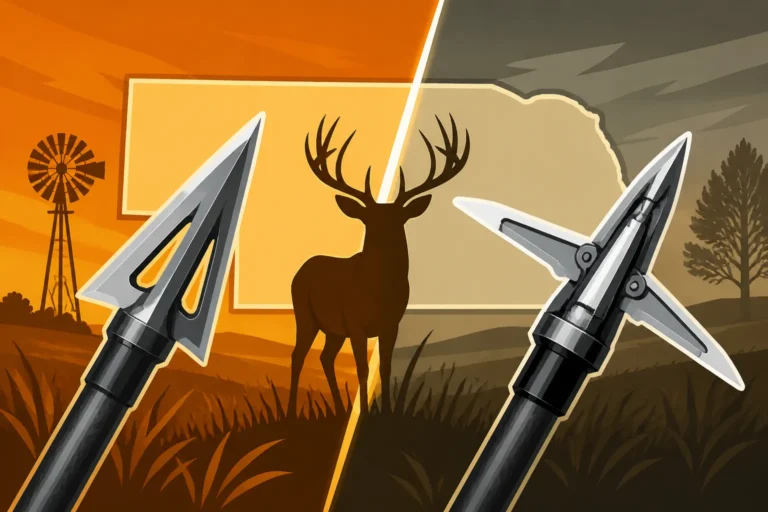
The final piece of the penetration puzzle is your broadhead and arrow combination. Even with an optimal draw weight, a poorly designed broadhead or an excessively light arrow can compromise penetration. For Nebraska whitetails, a sharp, durable broadhead that is designed for deep penetration is paramount. Mechanical broadheads are popular for their flight characteristics, but ensure they deploy reliably and have sturdy blades. Fixed-blade broadheads are known for their robust design and consistent penetration, especially for larger game or if bone might be encountered.
Pairing your broadhead with a properly weighted arrow is also key. Many hunters find that a total arrow weight between 400 and 500 grains offers an excellent balance of speed, kinetic energy, and momentum for deer-sized game. A heavier arrow carries more momentum, which is crucial for busting through bone. It's the synergy of your draw weight, arrow weight, and broadhead selection that ultimately ensures sufficient penetration for a quick, ethical kill. For example, knowing if you'll be Hunting Mule Deer in the Nebraska Pine Ridge or River-Bottom Whitetail Hunting in Eastern Nebraska could influence your arrow and broadhead choice based on anticipated shot angles and the density of cover.
Ultimately, choosing the right bow draw weight for hunting Nebraska whitetails isn't about bragging rights or maxing out your equipment. It's about finding the perfect balance between manageable strength, unwavering accuracy, and ethical power. By understanding your physical capabilities, considering your hunting style, and adhering to legal and ethical standards, you'll be well on your way to a successful and responsible bowhunting season.
Disclaimer
This article is for general informational purposes only and does not constitute professional advice. Laws, prices and regulations vary by location and change over time. Consult a qualified professional for guidance on your specific situation.