When the Whitetail Rut Peaks in Nebraska
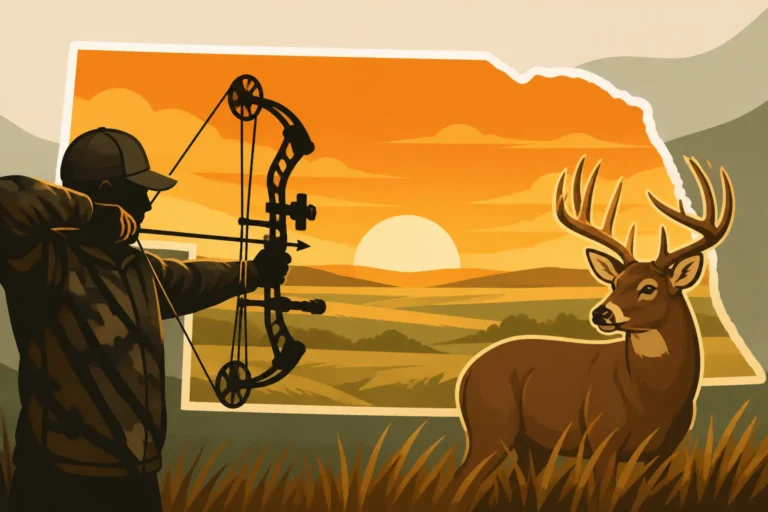
The annual whitetail rut is perhaps the most anticipated time of year for deer hunters in Nebraska, offering a window of increased activity and opportunity that often feels elusive. It’s a period shrouded in a bit of mystery and frustration, especially when the weather isn't cooperating or you feel like you've missed the boat. This comprehensive guide aims to peel back the layers of the Nebraska whitetail rut, helping you understand its true timing, what influences it, and how to maximize your hunting success when it's at its peak.
Understanding the Nebraska Whitetail Rut Cycle
The rut isn't a single day; it's a dynamic, month-long process with various stages. For many hunters, "the rut" simply means bucks are chasing does, but the biological reality is far more intricate and predictable than the often-fickle perception from a treestand.
The Biological Triggers of the Rut
At its core, the whitetail rut is governed by photoperiod—the amount of daylight in a 24-hour cycle. As the days shorten in the fall, a deer's brain registers this change, triggering a cascade of hormonal responses. This internal clock is remarkably consistent year after year, regardless of temperature swings, moon phases, or even what your local deer are doing on any given Saturday. Does come into estrus when their bodies are primed for breeding, and bucks, in turn, become driven by these hormonal shifts.
While an unseasonably warm spell in November might make it feel like the rut is "off" because deer aren't moving as much in daylight, rest assured, those biological mechanisms are still ticking along right on schedule. The deer are simply adapting their movement patterns to conserve energy or avoid heat stress, often moving more at night or during cooler parts of the day. It's not that the rut isn't happening; it's just happening in a way that’s harder for us to observe.
Dispelling Rut Myths and Misconceptions
If you've spent any time in a deer camp or on hunting forums, you've likely heard a host of theories about the rut: "It's a late moon this year, so the rut will be late!" or "It's too warm, the rut won't kick off until we get a good cold front!" These are common frustrations, and it’s easy to believe them when you're not seeing the action you expect.
However, scientific research overwhelmingly shows that the primary breeding window for whitetails is incredibly consistent, largely unaffected by lunar cycles or short-term weather fluctuations. While a cold front can certainly increase daylight movement, making deer more visible and thus making the rut feel more intense, it doesn't actually shift the timing of when does become receptive or when bucks are physiologically ready to breed. The biological peak of the rut, when the majority of does are bred, happens within a fairly tight window each year, no matter what.
Pinpointing the Peak Rut in Nebraska
While individual deer activity varies, the collective breeding cycle in Nebraska's whitetails reaches its crescendo in a predictable timeframe. Understanding this window is crucial for planning your most effective hunting days.
The "Traditional" Peak Period
In Nebraska, the peak of the whitetail rut typically occurs in the first two weeks of November, often centering around November 7th to 14th. This is the period when the highest percentage of does are in estrus and breeding activity is at its maximum. During this time, bucks are no longer just "seeking" does; they are actively pursuing, chasing, and tending to receptive does. This intense period of breeding means that even mature bucks, who might be ghosts the rest of the year, are often caught up in the frenzy and become more vulnerable to hunters.
You'll observe bucks moving throughout the day, sometimes covering significant ground in search of does. In Eastern Nebraska's river bottom country or the central Platte River Valley, where deer densities can be higher, this can feel like an all-out marathon. Even in the more open agricultural lands of the state or the cedar draws of central Nebraska, the increased movement will be noticeable. The key is to be in the woods as much as possible during this window.
Pre-Rut Activity and What to Look For
Before the peak breeding begins, we enter the exciting "pre-rut" phase, usually from late October through the first few days of November. This is when bucks are actively establishing dominance, rubbing trees, and creating numerous scrapes. They're ramping up their search, filled with anticipation, but most does aren't quite ready to breed yet.
During the pre-rut, you'll start to see increased daylight movement as bucks begin to seriously look for the first receptive does. Look for fresh rubs on trees, especially larger ones, and a sudden proliferation of active scrape lines along travel corridors or fencerows. This transition from focusing primarily on food to being obsessed with finding does is a critical shift. Hunters often have great success during this phase by targeting these active scrape lines or rattling and grunting to challenge a buck’s territorial instincts. If you want to dive deeper into this exciting period, check out our guide on Hunting the Pre-Rut in Late October.
Post-Peak Rut and Secondary Activity
Just because the peak breeding period passes doesn't mean the opportunities dry up. The rut has a lingering effect, and understanding these later stages can extend your success well into the late season.
The November Firearm Season Overlap
Nebraska's firearm deer season, which typically opens in mid-November, often aligns perfectly with the tail end of the primary rut or immediately follows its peak. While many of the prime does might have been bred, there are always some late breeders, and bucks are still actively searching for them. This means that hunters participating in Nebraska's Nine-Day November Firearm Deer Season often still encounter plenty of rutting behavior, including chasing and seeking.
Hunting pressure from the firearm season can certainly alter deer movement patterns, pushing deer into thicker cover, but the biological drive remains strong. For those who choose to continue Bowhunting Through the November Firearm Season, adapting your tactics to account for both rut activity and increased hunter presence is key. Bucks might become more nocturnal or move more cautiously, but their instinct to find does is still a powerful motivator.
Factors Influencing Local Rut Intensity
While the biological peak of the rut is remarkably consistent statewide, the intensity you perceive on your specific hunting ground can vary significantly due to local factors.
- Deer Density: Areas with higher deer populations, like the river bottoms in eastern Nebraska, might appear to have a more frantic, drawn-out rut simply because there are more deer moving around.
- Buck-to-Doe Ratio: A balanced buck-to-doe ratio (closer to 1:1) often results in a more intense and condensed rut. With more competition, bucks are more aggressive and active in their pursuit. In areas with skewed ratios (many more does than bucks), the rut might feel less intense as bucks don't have to work as hard to find receptive does, or the breeding period might be spread out as bucks breed multiple does over a longer timeframe.
- Hunting Pressure: High hunting pressure can make even a peak rut feel subdued. Deer will move less in daylight, retreating to thick cover. This doesn't mean the rut isn't happening; it just means the deer are adapting to survive. Using tools like the GoHunt app to find less pressured public land or analyzing harvest data can give you an edge in understanding how deer behave in different areas.
- Habitat: Open country like the Sandhills might see bucks covering vast distances, making their movements harder to pattern than bucks in smaller, timbered creek bottoms in eastern Nebraska. Understanding how deer use the specific habitat you're hunting is crucial. For instance, knowing Where Nebraska Whitetails Bed in Row-Crop Country can inform your stand placement during the rut.
Strategies for Hunting Nebraska's Peak Rut
When the rut is on, your strategy should shift to capitalize on the bucks' single-minded focus: finding does. This often means abandoning food sources and focusing on travel corridors, bedding areas, and potential doe congregations.
Capitalizing on Increased Movement
During the peak rut, bucks are constantly on the move, covering ground in search of does. This means your best strategy often involves tactics that put you in their path or actively draw them in.
- Calling: Rattling antlers and using grunt calls can be incredibly effective during the pre-rut and early peak. Bucks are eager to assert dominance and investigate sounds of other deer. Aggressive rattling sequences, mimicking two bucks fighting, can draw in curious or territorial bucks. Pair this with a few deep grunt calls, and you can create a convincing scenario. If you're in thick cover, like the river timber, a short, sharp grunt might be all you need. Learn more about effective calling in our guide to Rattling and Grunting in Nebraska's Rut and specific techniques for Grunt Calls in Thick River Timber. Don't forget decoying a Nebraska whitetail buck can also add realism to your setup!
- Stand Placement: Instead of focusing solely on food plots or agricultural fields, shift your stand locations to natural funnels, pinch points, and travel corridors between known bedding and feeding areas, or even just high-traffic areas where does are likely to be. Ridge lines, saddles, creek crossings, and field edges are prime locations. Consider setting up on a Setting Up on a Terrace Bench or along a fenceline where deer naturally travel. Bucks will cruise these areas scent-checking for does.
- Still-Hunting/Cruising: In some larger timber blocks or along river bottoms, quietly still-hunting through thick cover can be productive, especially during the middle of the day when bucks are often pushing does or seeking refuge. Move slowly, pause frequently, and use your optics to scan ahead.
Scouting and Adaptability During the Rut
Even with the rut's predictability, scouting remains paramount. Real-time information about deer activity will always trump generic advice.
- Trail Cameras: Trail cameras become invaluable during the rut. They can confirm increased daylight activity, show you which bucks are cruising an area, and help identify active scrape lines. Pay attention to how deer move through an area, especially with changing wind directions. Using cameras effectively can be a game-changer, particularly on public ground where deer might be pressured. Find out more about Where Cameras Help on Pressured Ground.
- Observe and Adapt: Don't be afraid to move your stand if the activity isn't where you expect it. A fresh rub line or a hot scrape can indicate a new area of focus. If you're seeing bucks chasing does in a specific area, that's where you need to be. The rut is dynamic; what worked yesterday might not work today.
- Consider Tools like GoHunt: Modern hunting tools, such as the GoHunt platform, can provide detailed maps, public land boundaries, and even historical harvest data for specific units in Nebraska. While it won't tell you exactly when a specific buck will walk by, it can help you identify high-potential areas, plan Entry and Exit Routes on Flat Farm Ground, and understand the lay of the land, giving you a distinct advantage in scouting and decision-making during the rut. Remember, understanding Wind Direction on Open Nebraska Prairie Stands is always critical.
- Hunt All Day: During the peak of the rut, bucks can move at any time. Don't limit yourself to just morning and evening hunts. Many big bucks are taken during the midday hours when other hunters are out of the woods. Pack a lunch, bring plenty of water, and commit to long sits.
| Rut Phase | Approximate Dates (Nebraska) | Key Buck Behavior | Hunting Strategy Focus |
|---|---|---|---|
| Pre-Rut | Late October – Nov 5-7 | Increased rubbing, scraping, aggressive seeking | Hunt scrapes, funnels, call (rattling, grunting) aggressively |
| Peak Rut | Nov 7-14 | Active chasing, tending, breeding, highest movement | Hunt travel corridors, doe bedding areas, all-day sits, calling |
| Post-Peak Rut | Nov 15 – Late November | Seeking late-estrus does, some tending | Continue to hunt travel routes, secondary scrapes, food sources if slowed |
Disclaimer
Please note that hunting regulations, season dates, and permit requirements in Nebraska can change. Always consult the most current Nebraska Game and Parks Commission regulations before planning any hunting trip. This guide is for informational purposes only and does not supersede official state regulations.