Bowhunting Nebraska’s Four-Month Archery Season
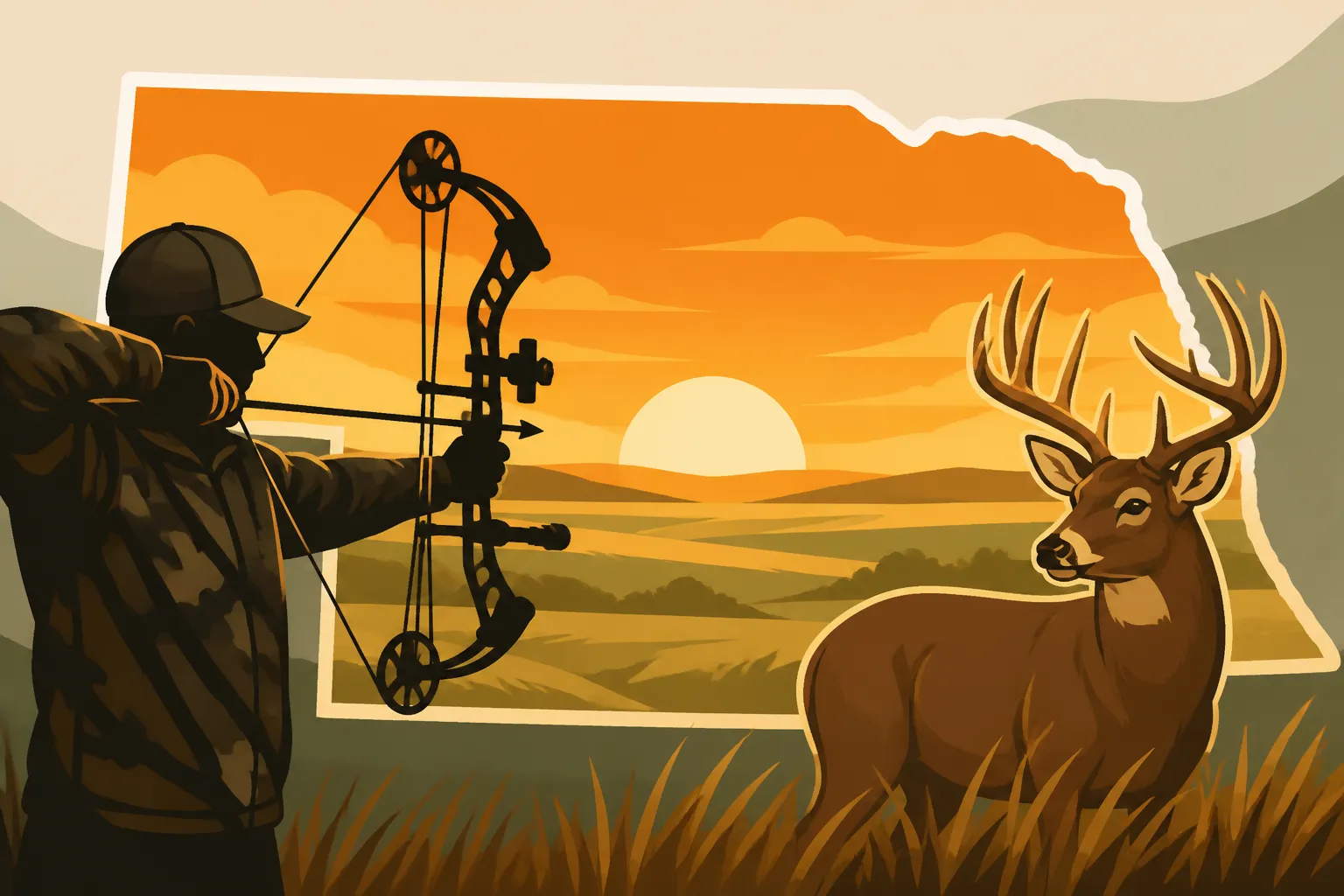
There’s nothing quite like the anticipation of a new deer season, but for many bowhunters, the thought of a short, high-pressure season can be a real buzzkill. Nebraska, however, offers a truly incredible opportunity with its sprawling four-month archery season. If you've ever felt rushed or like you missed out on key phases of the rut, this guide is designed to walk you through how to maximize every moment of bowhunting Nebraska’s extensive archery season, from the sweltering early days to the frigid late-season pursuits.
Understanding Nebraska's Unique Archery Season
Nebraska's archery deer season is a true gem in the heartland, stretching from early September all the way into January. This incredibly long season provides bowhunters with a diverse range of conditions and deer behaviors to navigate, offering opportunities that many other states simply can't match. It’s not just a season; it's an evolving hunting landscape that changes dramatically with the calendar, demanding adaptability and a keen understanding of deer patterns.
The Sheer Length and What It Means
Imagine having four full months to pursue whitetails and mule deer with your bow. This extended timeframe means you're not just hunting a specific week or two; you're hunting through early fall patterns, the entire spectrum of the rut, and the challenging but often rewarding late winter. This is a massive advantage, especially for those who cherish the strategic game of bowhunting. It allows for multiple trips, chances to recover from mistakes, and the flexibility to adapt your approach as the deer transition through their seasonal routines. You can scout extensively during one phase, hunt for a bit, then pull back, reassess, and return with fresh tactics. This kind of flexibility is a luxury, enabling a much more relaxed and ultimately more fulfilling hunting experience compared to shorter, more frantic seasons.
The length also means you'll witness the full annual cycle of deer behavior unfold. From bachelor groups still clinging together in early September to the frantic chasing and breeding of the rut in November, and finally to the winter yarding and survival patterns of January, every phase presents its own unique set of challenges and opportunities. You'll learn to interpret everything from velvet sheds to rub lines appearing overnight, and the subtle shifts in how deer move and feed under different conditions. This deep immersion into the deer's world over such a long period truly hones a hunter's skills and understanding, making you a more patient and effective bowhunter.
Key Dates and Overlaps
The Nebraska archery season officially kicks off in early September, usually around the 1st, and continues all the way through December 31st or even into early January, depending on the year's calendar. This expansive window is broken down into several distinct phases that dictate deer behavior and, consequently, your hunting strategy. The early season covers September and much of October, characterized by warmer weather and deer still heavily focused on summer food sources. This is a time for patterning deer on their way to and from feeding areas.
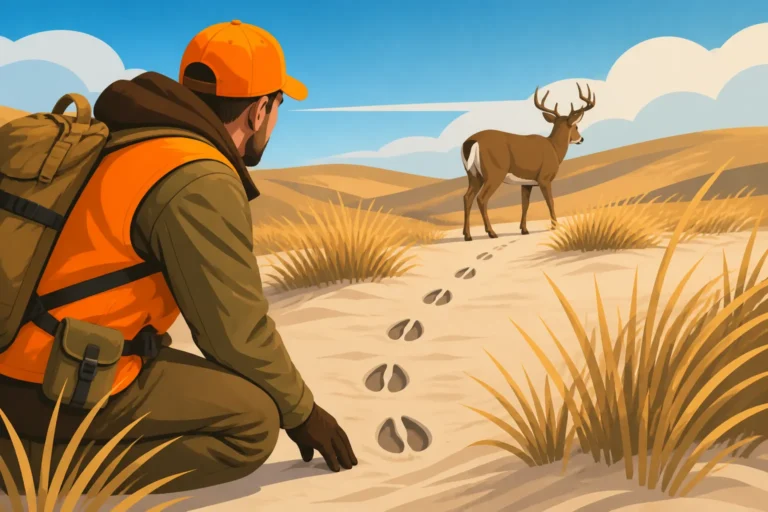
As October progresses into November, you hit the pre-rut and then the peak rut, which is arguably the most exciting time for bowhunters. During this period, deer activity explodes as bucks become more active in their search for does. This is when strategic calling, rattling, and decoying tactics really shine. However, a critical element to be aware of is how Nebraska's Archery Deer Season Overlaps the Rut with the state's nine-day firearm deer season, typically in mid-November. This overlap introduces new challenges, including increased hunting pressure and specific requirements for wearing hunter orange. Understanding these regulations, such as the need for Orange Requirements for Archers in November, is crucial for safety and compliance.
Finally, the season winds down through December and into January, transforming into a late-season hunt. By this point, deer are often back on predictable patterns, heavily focused on primary food sources to build up reserves for winter. The cold weather makes for challenging hunts, but it can also concentrate deer, offering some of the best opportunities for those willing to brave the elements. Each of these phases demands a different mindset and approach, making Nebraska's archery season a dynamic and rewarding experience for those who prepare for its many faces.
Early Season Strategies: August and September
The start of Nebraska's archery season in early September can feel like a contradiction – we're thinking about deer hunting, but it often feels more like summer. The heat, the lush green foliage, and the still-present agricultural bounty shape deer behavior dramatically. Successfully navigating this period requires a focus on core needs: food, water, and shade. Forget about rut activity; this is about understanding summer patterns before they shift.
Hot Weather and Food Sources
When the September sun beats down on the Nebraska plains and river bottoms, deer, much like us, are looking for comfort. This means they'll be moving less during daylight hours and staying closer to reliable water sources and shaded bedding cover. Temperatures can easily climb into the 80s or even 90s, especially in the western parts of the state like the Sandhills. This high heat makes deer nocturnal for much of their feeding activity, so targeting morning and evening movements becomes paramount. Water sources, whether they're stock tanks, muddy wallows, natural springs, or the edges of a slow-moving creek, become magnetic hubs of activity.
Food sources are abundant in early fall. Alfalfa fields are still green and highly palatable, attracting deer consistently. Soybeans, while starting to yellow, still offer nutrition. And, of course, the edges of cornfields are prime real estate, providing both food and dense cover. Deer will often stage in thicker cover right at the field edge before venturing out to feed under the cover of darkness. Your scouting should focus on identifying these consistent food-to-bedding travel corridors, always with an eye on the nearest water. Remember that deer are still in their summer patterns, meaning bachelor groups of bucks might still be together, and does will be with their fawns. These patterns are generally more predictable than the chaotic movements of the rut, making them prime for early season success if you can manage the heat and choose your ambush point wisely.
Stand Placement and Scent Control in Summer Conditions
Effective early-season bowhunting in Nebraska absolutely hinges on impeccable stand placement and meticulous scent control, especially with the persistent warm weather. Deer are incredibly sensitive to human odor, and warm, humid air carries scent farther and holds it longer. You need to think about prevailing winds not just for the shot, but for your entry and exit. Placing a stand downwind of a deer's primary travel route between bedding and feeding is fundamental. In denser river bottom timber or near thick shelterbelts, look for natural funnels or pinch points where deer are naturally constricted. On more open farmland, consider the edges of standing corn or tall grass waterways.
Scent control needs to be a religion during these warmer months. This goes beyond just spraying down. It means washing your hunting clothes in scent-eliminating detergents, storing them in airtight containers, showering with scent-free soap before a hunt, and even being mindful of what you eat and drink. Avoid walking through areas where deer are likely to travel on your way to and from your stand, and consider using waders or rubber boots to minimize ground scent. Furthermore, the early season heat poses challenges for meat care. Should you connect with a deer, prompt Field Dressing and Cooling Game in Warm Weather is critical to preserve the meat, so having a plan for quick retrieval and cooling is just as important as your hunting strategy. The key is to be as invisible and odorless as possible, reducing any signals that might alert a wary deer to your presence in their summer sanctuary.
The Pre-Rut and Peak Rut: October and November
This is the time of year that most bowhunters live for – the weeks leading up to and including the whitetail rut. In Nebraska, October and November transform the deer woods, injecting a palpable excitement and often leading to some of the season's most memorable encounters. Deer behavior shifts from predictable feeding patterns to a frantic search for mates, offering unique windows of opportunity.
Reading Deer Sign and Scrapes as Activity Increases
As October progresses, the first signs of the pre-rut begin to emerge, and any experienced bowhunter knows to pay close attention. Bucks are shedding their velvet, gaining energy, and starting to feel the urge to breed. This is when rubs and scrapes appear, acting like billboards and social media posts for the deer world. Rubs, where bucks strip bark from trees with their antlers, tell you where they're traveling and how often. A fresh rub line, especially one featuring larger trees, indicates a dominant buck is actively working the area. These are often made on travel corridors between bedding and feeding, or along property boundaries.
Scrapes are even more telling. They're typically a patch of disturbed earth where a buck has pawed away leaves, urinated, and left scent from glands on his forehead and preorbital glands on an overhanging branch (the "licking branch"). These are communication hubs, attracting other deer, both bucks and does. As the pre-rut intensifies, scrapes will become more numerous and active. Look for them on field edges, along old logging roads, or in areas of transition cover. Finding a "community scrape" – one that's consistently visited by multiple deer – is like hitting the jackpot. Setting up overlooking an active scrape line, especially with favorable wind conditions, can put you right in the action as bucks check these vital communication points, often during daylight hours, looking for does.
Calling and Decoying Tactics
Once the pre-rut kicks into high gear and continues through the peak rut, calling and decoying become incredibly effective tools for a Nebraska bowhunter. During this time, bucks are covering ground, driven by hormones, and are more susceptible to sounds and visual stimuli that suggest competition or a receptive doe. For auditory tactics, mastering different vocalizations can be a game-changer. Grunt calls can pique a buck's curiosity, mimicking another buck or a seeking doe. Aggressive rattling sequences, simulating two bucks fighting, can draw a dominant buck in like a moth to a flame, especially if he thinks he can break up a fight and claim a doe. We dive deeper into these specific techniques in our guide on Rattling and Grunting in Nebraska's Rut.
Decoying adds a visual element that can be irresistible to a rutting buck. A well-placed buck decoy, facing away from your position to present a non-threatening posture, can challenge a dominant buck to come investigate or confront what he perceives as an intruder. Using a doe decoy can draw in a curious buck looking for love. The key with decoys is proper placement, understanding wind direction, and being ready for a swift shot when a buck commits. We cover the intricacies of how to use a decoy effectively in our resource on Decoying a Nebraska Whitetail Buck. Success with both calling and decoying relies on reading the situation, understanding the phase of the rut, and knowing when to be aggressive and when to be subtle. The excitement of calling in a mature buck with your bow in hand is an experience few hunters ever forget.
Navigating the Firearm Season Overlap
One of the most significant considerations for bowhunters in Nebraska is the overlap of the archery season with the nine-day November firearm deer season. This period, typically falling in the middle of November, coincides with what is often the peak of the whitetail rut. While it can be incredibly productive, it also dramatically changes the hunting landscape. The influx of rifle hunters on public and private lands creates increased pressure, which can push deer into thicker cover and make them more nocturnal during daylight hours. However, this pressure can also work to an archer's advantage, as deer pushed by rifle hunters might move through areas they wouldn't normally frequent, presenting unexpected shot opportunities.
Safety is paramount during this overlap. Nebraska regulations require specific hunter orange attire for archers during the firearm season to ensure visibility. You'll need to wear at least 400 square inches of blaze orange on your head, chest, and back. This rule is designed to make you easily identifiable to rifle hunters, even when you're perched in a treestand or tucked into a ground blind. Understanding all the Orange Requirements for Archers in November is non-negotiable. Beyond safety, strategically planning your hunts during this period is key. Many bowhunters opt to focus on public lands that are less accessible to rifle hunters, or hunt during the weekdays when pressure might be lower. Others embrace the chaos, setting up on known escape routes or tight funnels where deer might be pushed by distant hunting activity. It's a challenging but potentially highly rewarding time, demanding vigilance, safety, and a keen eye for deer movement. For a deeper dive into tactics during this intense period, check out our guide on Bowhunting Through the November Firearm Season.
Late Season Challenges: December and January
As the calendar turns to December and then finally to January, Nebraska's archery season enters its final, often most demanding, phase. The landscape transforms with colder temperatures, shorter days, and the possibility of snow. While many hunters have packed up their gear, the late season offers unique opportunities for the persistent and well-prepared bowhunter. Deer have recuperated from the rigors of the rut, and their primary focus shifts entirely to survival and replenishing fat reserves.
Cold Weather Gear and Endurance
Successfully bowhunting in the late season means confronting Nebraska's often brutal winter weather head-on. Temperatures can plummet, and biting winds can make even a short sit unbearable without the right gear. Layering is not just a suggestion; it's a survival strategy. Start with moisture-wicking base layers to pull sweat away from your body, preventing chills. Add insulating mid-layers, such as fleece or down, for warmth. Your outer shell needs to be windproof and waterproof, offering protection against the elements. Good quality, insulated boots are non-negotiable, as cold feet can quickly end a hunt. Hand warmers, insulated muffs, and balaclavas are also crucial to maintain warmth and comfort during long, stationary periods.
Beyond the gear, late-season bowhunting tests your mental and physical endurance. Days are short, and the best deer movement often occurs during the coldest parts of the day. This means early mornings and late afternoons, requiring you to be in your stand well before legal shooting light and stay until last light. Staying focused and still in freezing conditions takes practice and discipline. Packing hot drinks, high-energy snacks, and having a realistic expectation of how long you can comfortably sit will aid in your success. For more detailed insights on how to stay warm and effective, consult our guide on Cold Weather Sitting Strategy. It's not just about enduring the cold; it's about staying comfortable enough to remain alert and make a precise shot when the opportunity finally presents itself.
Focusing on Food and Thermal Cover
In the late season, deer behavior becomes much more predictable, driven by the instinct to survive the winter. Their primary focus shifts almost entirely to finding quality food sources and thermal cover to conserve energy. The once-abundant green fields of summer are now barren, forcing deer to concentrate on remaining high-energy options. Standing corn, if still present, becomes a magnet, offering both calories and excellent bedding cover from the elements. Grain fields like milo or bean stubble can also be hot spots, especially if deer can glean dropped kernels. Additionally, late-season food plots designed with winter-hardy forage like brassicas or winter wheat can be absolute deer magnets. Understanding Late-Season Food Sources in Nebraska is crucial for finding where deer will consistently gather.
Thermal cover is equally important. When temperatures drop and the wind howls, deer seek out dense conifers, thick cedar draws, or even deep river bottom timber to escape the biting cold. These areas, particularly south-facing slopes that catch what little winter sun there is, provide critical shelter and allow deer to conserve precious body heat. Often, deer will bed in these thickets during the day, emerging late in the afternoon to feed and then retreating back for the night. Identifying these prime bedding areas and the most efficient travel routes to and from preferred food sources is the backbone of late-season bowhunting success. Our resource on Where Deer Yard Up in a Nebraska Winter provides more context on these critical winter habitats, helping you pinpoint high-traffic areas. By pinpointing the intersection of prime food and thermal cover, you can increase your odds significantly, as deer movement becomes concentrated and more daylight-oriented out of sheer necessity.
Permits, Regulations, and Scouting
Before you even think about setting foot in Nebraska with your bow, it's essential to understand the administrative side of hunting: permits, regulations, and how to effectively scout. The Nebraska Game and Parks Commission (NGPC) provides comprehensive guidelines, and familiarizing yourself with them is not just about compliance; it's about maximizing your hunting opportunities.
Acquiring Your Archery Permit
Obtaining the correct permit is the foundational step for bowhunting in Nebraska. For archery deer, you'll typically be looking for an Archery Deer Permit. These permits are generally available over-the-counter and are not subject to the same lottery draw system as some of the more limited firearm or special big game permits. However, it's always wise to check the Nebraska Game and Parks Commission website well in advance of the season to confirm availability, pricing, and any changes to the regulations. Non-residents, in particular, should be aware of specific fees and any caps that might apply, although archery deer permits are usually more accessible than those for other species or methods.
When you purchase your permit, it's critical to understand the specific unit or statewide designation. Nebraska offers various permit types, including statewide archery permits that allow you to hunt any deer management unit open to archery, and sometimes unit-specific permits. Always double-check the legal species (whitetail, mule deer, or either sex) and the number of deer allowed per permit. For a comprehensive breakdown of the various options and what they entail, our guide on Nebraska Archery and Muzzleloader Deer Permits provides all the necessary details to ensure you select the permit that best suits your hunting plans. Remember, responsible hunting starts with being legally compliant and fully understanding the terms of your permit.
Public vs. Private Land Strategies
Nebraska offers a mix of public and private land hunting opportunities, and a successful bowhunting strategy often involves navigating both. Public lands, including Wildlife Management Areas (WMAs), National Forests, National Grasslands, and lands enrolled in the Open Fields and Waters (OFW) program, provide excellent access, but they also tend to receive more hunting pressure, especially during the rut and firearm seasons. For public land, success often comes down to scouting diligently and being willing to walk farther or hunt harder than the next guy. Identifying overlooked corners, thick cover areas, or pockets of unpressured deer on public ground is key. Our guide on Scouting Nebraska Public Ground Before Opening Day offers invaluable tips for doing just that, emphasizing the importance of preseason legwork.
Private land, on the other hand, can offer less pressure and higher deer densities, but securing access is the main hurdle. Building relationships with landowners is often the best approach, whether through personal connections, door-knknocking, or seeking out reputable outfitters. Always respect landowner wishes, communicate clearly, and leave the land better than you found it. While private land can offer a more exclusive experience, it requires a different set of skills to gain entry. Many hunters choose a hybrid approach, using public land for early and late season hunts and reserving private land for peak rut if access is available. Regardless of your choice, a thorough understanding of trespass laws and ethical hunting practices is paramount.
Using Technology for Scouting
In today's hunting world, technology has become an indispensable tool for scouting, especially when tackling a long, diverse season like Nebraska's archery hunt. Forget the days of blindly walking miles hoping to stumble upon sign. Modern mapping apps and data resources can give you a massive head start, allowing you to "scout from your couch" and prioritize your physical scouting efforts. Platforms like GoHunt provide incredibly detailed maps, layering satellite imagery, topo maps, land ownership boundaries, and even historical burn data or vegetation types. This allows you to identify potential bedding areas, likely travel corridors, water sources, and pinch points long before you ever set foot in the field.
By leveraging these digital tools, you can analyze a new area, mark potential stand locations, and plan your entry and exit routes with precision, minimizing disturbance once the season starts. For example, if you're targeting early season deer near agricultural fields, you can use GoHunt to pinpoint small woodlots or creek bottoms adjacent to corn or alfalfa that might serve as bedding cover. For late-season hunts, you can look for dense conifer stands offering thermal cover, or unharvested crop fields that will attract deer. These tools also allow you to identify public land boundaries, school trust lands, and Open Fields and Waters tracts, helping you avoid accidental trespass and plan your hunts more effectively, particularly on remote or less familiar terrain. Combining digital reconnaissance with boots-on-the-ground scouting is the most efficient way to break down large areas and develop a successful bowhunting strategy across Nebraska's vast and varied landscape.
CWD and Carcass Transport Rules
One critical aspect of modern deer hunting, and particularly relevant for a state like Nebraska, is understanding Chronic Wasting Disease (CWD) and the associated carcass transport regulations. CWD is a neurological disease affecting deer, elk, and moose, and it's present in various areas across Nebraska. As responsible hunters, we play a crucial role in monitoring its spread and minimizing risks. The Nebraska Game and Parks Commission provides up-to-date information on CWD detection areas and often requests hunters to submit samples from harvested deer for testing. Participating in these voluntary sampling efforts helps wildlife managers track the disease and make informed decisions.
Beyond sampling, there are strict rules regarding carcass transport, especially if you plan to leave the state or move a deer from a CWD management zone into another area. Generally, only deboned meat, capes (without skull plate), antlers (without brain matter), and clean skull plates are allowed to be transported out of CWD-positive areas. The brain and spinal cord are the highest-risk tissues for CWD transmission, so hunters are usually required to leave these parts at the kill site or at a designated carcass disposal site. This might mean field dressing your deer thoroughly and potentially deboning it if you're far from home or planning to cross state lines. Always check the most current NGPC regulations before your hunt to ensure you are compliant with all CWD-related rules to prevent unintentional spread of the disease.
Gear and Setup for Success
A four-month archery season in Nebraska means you'll encounter a vast range of conditions, from sweltering heat to bitter cold, and everything in between. Your gear needs to be versatile, durable, and reliable enough to perform throughout this dynamic period. From your primary weapon to your optics and shelter, every piece plays a critical role in your success and comfort.
Bow and Arrow Considerations for the Season Length
Your bow is, of course, the heart of your archery setup. For Nebraska's diverse terrain and conditions, reliability and accuracy are paramount. Whether you prefer a traditional recurve, a compound bow, or hunt under Nebraska's Crossbow Rules and Use in Nebraska, ensure your equipment is well-tuned and sighted in. A long season means more opportunities for practice, but also more chances for wear and tear. Regular maintenance, including waxing your string, checking cams, and inspecting your arrows for damage, is crucial. For compound bowhunters, consider a setup that offers a good balance of speed and kinetic energy to ensure clean, ethical kills on both whitetails and the potentially larger-bodied mule deer you might encounter, especially in the Sandhills or Pine Ridge areas.
Arrow selection is equally important. While carbon arrows are standard, consider their weight and FOC (front of center) for different scenarios. Heavier arrows generally penetrate better and are less affected by wind, which can be a significant factor on the open Nebraska plains. Broadheads are another critical choice. Fixed Versus Mechanical Broadheads each have their proponents. Fixed blades offer reliability and deep penetration, while mechanicals can provide a larger cutting diameter upon impact, potentially leading to better blood trails. Regardless of your choice, ensure your broadheads are razor-sharp and fly true with your field points. Our guide on Bow Draw Weight for Nebraska Whitetails offers insights into appropriate power levels, but ultimately, consistent accuracy at various ranges, from close-quarters timber shots to longer shots on open ground, is what truly matters over a season this long.
Optics and Rangefinding for Varied Terrain
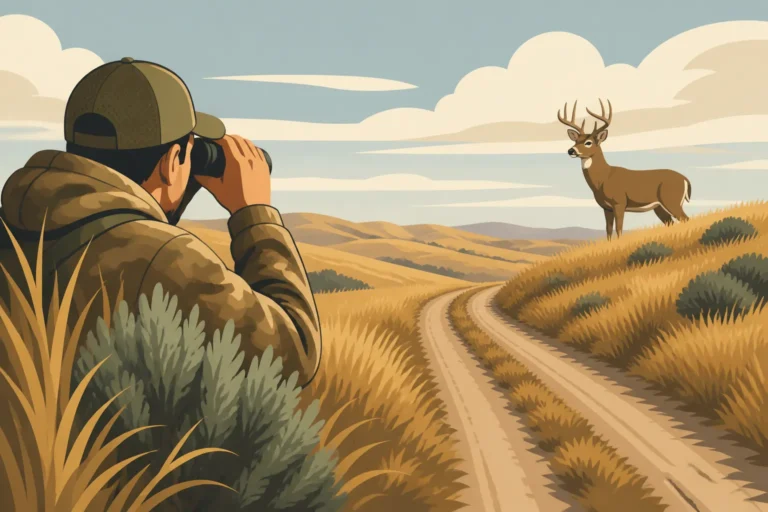
Nebraska's hunting landscapes vary wildly, from dense river bottom timber to wide-open Sandhills prairies. Your optics need to be adaptable to these conditions. A good pair of binoculars is essential for spotting deer at a distance, particularly in open country where deer might be several hundreds of yards away. For general bowhunting, a 10×42 binocular is often a versatile choice, providing sufficient magnification without being too heavy or difficult to hold steady. In the expansive Sandhills, some hunters might opt for 12x or even 15x binoculars, often paired with a tripod, to cover vast amounts of ground efficiently.
However, for bowhunting, the most critical optical tool after your binoculars might be a reliable rangefinder. In archery, judging distance accurately is non-negotiable for ethical shots. Modern laser rangefinders provide instant, precise measurements, often with angle compensation features that are invaluable when shooting from a treestand or up/down a slope. Given the varied terrain, from flat cornfields to rolling hills, having confidence in your range is paramount. Whether it's a stand setup in a timber block or a ground blind on a vast prairie, knowing the exact distance to key landmarks or potential shooting lanes is crucial for making a quick, clean shot when a deer steps into range. Some bow sights even integrate rangefinding capabilities directly, offering another layer of efficiency in the field.
Blinds and Treestands for Different Environments
Choosing the right concealment method is essential for bowhunting success, and Nebraska's varied habitats demand flexibility. In the dense river bottom timber and smaller woodlots of eastern Nebraska, a treestand is often the preferred choice. It gets you above a deer's primary line of sight and helps disperse your scent. When Choosing a Treestand Site on Nebraska Farmland, factors like wind direction, sun position, and proximity to bedding and feeding areas are critical. Climbing stands, hang-ons, and ladder stands all have their place, but portability and stealth are key, especially on public land. Saddle hunting has also gained popularity for its lightweight and versatile nature, allowing hunters to adapt to various tree types and angles.
However, not all Nebraska hunting areas offer suitable trees. In the open plains, Sandhills, or near agricultural fields where mature trees are scarce, a ground blind becomes indispensable. A well-brushed-in pop-up blind can offer excellent concealment and warmth during colder late-season hunts. When setting up in open country, concealing your blind's silhouette is vital. Our guide on Ground Blinds in Open Nebraska Country provides detailed advice on how to effectively brush in a blind, anchor it against the notorious Nebraska winds, and position it for optimal shot opportunities. Some hunters even create natural blinds from cedars, tall grasses, or hay bales. The key is to match your concealment method to the environment, ensuring you remain undetected by the keen eyes and noses of Nebraska's deer.
Overcoming Common Bowhunting Obstacles
Nebraska's four-month archery season, while incredibly rewarding, presents a series of challenges that can test even the most seasoned bowhunter. From managing your scent in fluctuating temperatures to adapting to the unpredictable plains weather, success often hinges on your ability to overcome these common obstacles with smart planning and execution.
Managing Scent in Fluctuating Temperatures
Scent control is a year-round battle for bowhunters, but it becomes particularly complex with Nebraska's wide temperature swings throughout the archery season. Early September can feel like summer, with high humidity and sweat exacerbating scent issues. Warm air holds and disperses scent more readily, making meticulous scent hygiene absolutely critical. This means not just using scent-eliminating sprays, but showering with scent-free soap, washing all hunting clothes in specialized detergents, and storing them in airtight bags or containers. Even your diet can impact your scent, so be mindful of strong-smelling foods before a hunt.
As the season progresses into the colder months of late fall and winter, scent management doesn't become less important, just different. While cold air might not carry scent as widely as warm, humid air, deer's noses are still incredibly sensitive. Furthermore, the layers of clothing you wear can trap and release scent as your body temperature fluctuates. Focusing on playing the wind perfectly becomes even more paramount. Even a slight thermal drift or shift in wind direction can betray your presence. Using cover scents or ozone generators can be part of your strategy, but they should never be a substitute for meticulous cleanliness and an unwavering commitment to hunting with the wind in your favor. Always anticipate how your scent might travel downwind and across thermals, and position yourself accordingly.
Adapting to Weather Changes
Nebraska weather is legendary for its unpredictability. Over a four-month archery season, you could experience anything from 90-degree heat and oppressive humidity in September to blizzards, sub-zero temperatures, and gale-force winds in January. Adapting to these rapid and dramatic weather changes is crucial for both comfort and success. Early season hunts might require light, breathable clothing, plenty of water, and strategies for dealing with mosquitoes or ticks. Unexpected thunderstorms can pop up quickly, necessitating good rain gear.
As you move into October and November, you'll need to be prepared for crisp mornings and warm afternoons, often requiring layering systems that allow you to add or shed clothing throughout the day. The notorious Nebraska wind can be a constant factor, making windproof outer layers essential, even on milder days. When winter truly sets in during December and January, proper insulation, hand warmers, and even insulated ground pads for treestands become necessities. Heavy snow can change deer movement patterns dramatically, pushing them to specific food sources or thermal cover. Rain or melting snow can also impact shot opportunities by altering sound and visibility. Always check the forecast leading up to and during your hunt, and pack an extra layer or piece of gear you think you might not need. Being caught unprepared for a sudden cold front or strong winds can quickly turn a promising hunt into a miserable experience.
Dealing with Hunting Pressure
While Nebraska offers a long archery season, it doesn't mean you'll have the woods entirely to yourself. Hunting pressure, particularly on public lands or easily accessible private parcels, can be a significant obstacle, especially during the rut and the firearm season overlap. Deer quickly adapt to pressure, becoming more nocturnal, skittish, and prone to bedding in the thickest, most inaccessible cover. This means your tactics need to evolve beyond simply sitting over a food plot.
To combat pressure, consider scouting lesser-known or harder-to-reach public lands. Often, the farther you're willing to walk from the nearest parking area, the less pressure you'll encounter. Utilizing mapping applications like GoHunt can help identify these overlooked pockets, as you can analyze satellite imagery for remote bedding cover or unpressured corridors. Hunting weekdays instead of weekends can also significantly reduce pressure. On private land, communicating with the landowner about other hunters and coordinating efforts can help. Furthermore, think about how pressure from adjacent properties might influence deer movement onto your hunting ground, creating unexpected opportunities as deer seek refuge. Learning to still-hunt or conduct quiet, small-scale deer drives with a trusted partner in thick cover can also be effective when deer are holed up. Patience, adaptability, and a willingness to put in extra effort to find those less-pressured sanctuaries are key to consistently finding deer throughout Nebraska's four-month archery season.
| Season Phase | Primary Deer Behavior | Key Strategy | Essential Gear Considerations |
|---|---|---|---|
| Early Season | Predictable patterns; bachelor groups; heavy feeding | Focus on food-water-bedding travel routes; scent control | Lightweight, breathable clothing; plenty of water; bug spray; game bags |
| Pre-Rut | Increased buck activity; rubs/scrapes appear; seeking | Aggressive calling/decoying; scouting fresh sign | Grunt/rattle calls; buck/doe decoy; scent elimination gear |
| Peak Rut | Intense chasing/breeding; bucks highly mobile | Ambush points near doe bedding; calling/decoying; safety | Hunter orange (during firearm overlap); full scent control; rangefinder |
| Late Season | Focus on survival; food & thermal cover are critical | Target primary food sources & thick bedding; patience | Heavy layering; insulated boots; hand/foot warmers; hot drinks |
Disclaimer
Hunting is an inherently dangerous activity. Always prioritize safety, understand and follow all Nebraska Game and Parks Commission regulations, and obtain necessary permits. This guide provides general information and should not replace official regulations or professional instruction. Be aware of your surroundings, practice ethical hunting, and respect wildlife and private property.