Hunting Nebraska Turkeys in Late Season
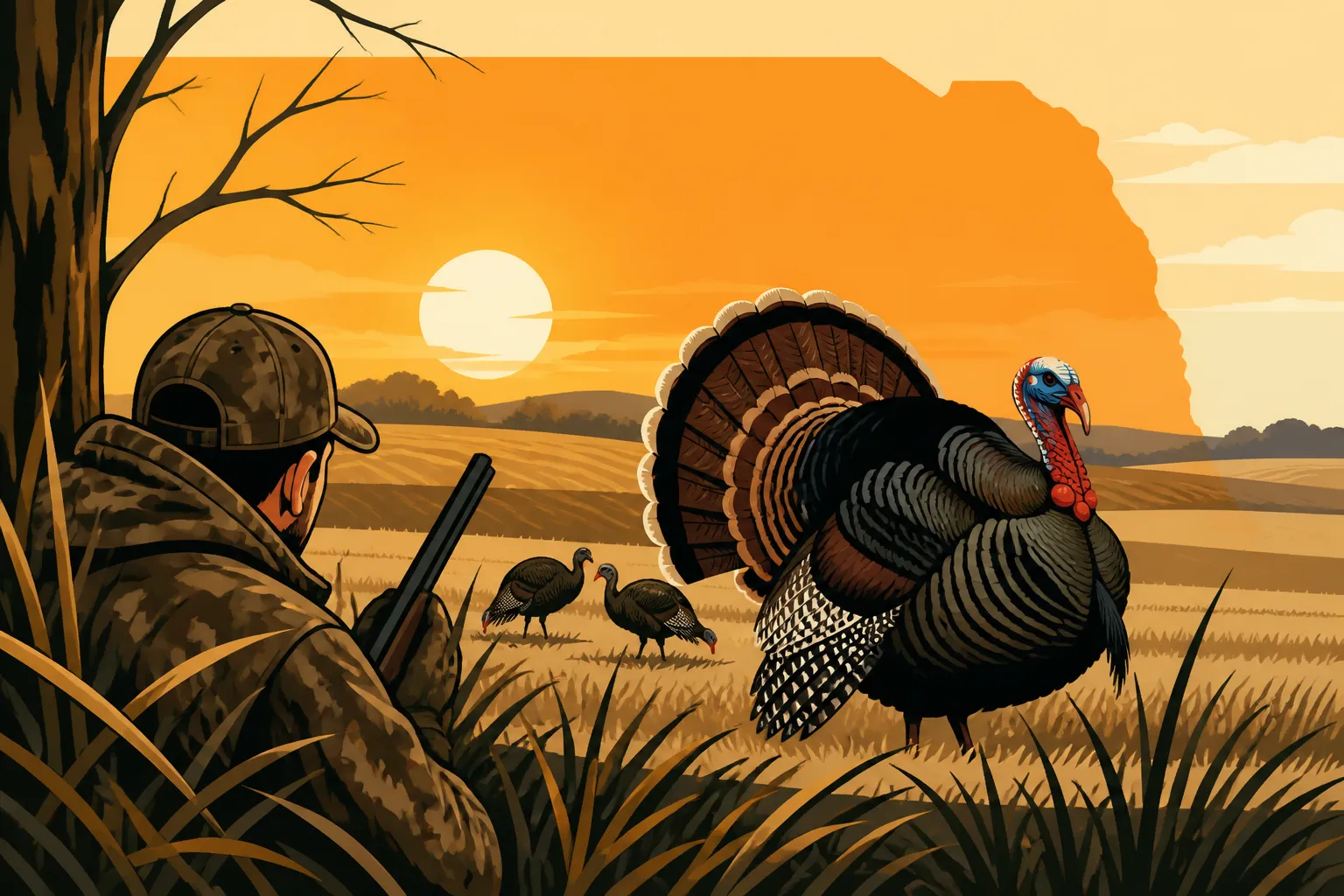
Hunting Nebraska turkeys in the late season can feel like a completely different ballgame compared to the exciting, vocal spring hunts. The birds are often in large, wary flocks, less responsive to aggressive calling, and their patterns are heavily influenced by dwindling food sources and harsher weather. If you've ever felt the frustration of birds "gobbled out" or simply ignoring your best efforts, you're not alone. This guide aims to help you understand these late-season dynamics and equip you with the knowledge and tactics to find success when the leaves are gone and the temperatures drop.
Understanding Late-Season Turkey Behavior in Nebraska
As the vibrant colors of autumn fade and the Nebraska landscape transitions into the starkness of winter, so too do the habits of wild turkeys. Gone are the days of territorial gobblers strutting and sounding off at every fly-down. By late season, typically from late October through December, turkeys have regrouped into larger, mixed-sex flocks, prioritizing survival and sustenance above all else. This shift in behavior requires a fundamental change in how we approach our hunts.
Instead of being drawn in by calls, these birds are now primarily driven by food, water, and reliable roosting cover. Their daily routine becomes a predictable loop: fly down from roost, head to a preferred feeding area, water, perhaps dust, and then move back towards a roost in late afternoon. Understanding this pattern is your biggest advantage. The late season, especially during Nebraska's fall turkey season, often brings colder temperatures and snow, which further concentrates birds around specific food sources. Think about harvested cornfields, milo stubble, or even standing beans that might offer easy pickings. They'll also seek out thermal cover in dense cedar draws or river bottom timber to escape the biting winds.
Scouting and Locating Late-Season Flocks
Effective late-season turkey hunting hinges on thorough scouting, much more so than in spring. You're not just looking for a gobbler; you're looking for entire flocks. This often means driving rural roads, glassing distant fields, and walking potential travel corridors before you ever pick up a call or shotgun. The best time to scout is often mid-day, when birds are typically out feeding and visible.
Start by identifying potential food sources. In agricultural areas, look for freshly harvested cornfields, soybean fields, or milo stubble. In the Sandhills or areas with more timber, focus on oak stands for acorns, or areas with persistent berries. Once you locate a potential feeding area, look for sign: tracks, droppings, and dusting bowls. Tracks will give you a sense of flock size and direction of travel. Dusting bowls are depressions in dry soil or dust where turkeys "bathe" to clean their feathers, indicating a regular hangout spot. I always recommend spending time with a good mapping tool like the Nebraska Public Access Atlas, or a subscription service like GoHunt, to identify potential roosting areas near these food sources, such as tall cottonwoods along a river or dense stands of mature timber. Remember, these birds will often roost in the same general area night after night. Being able to access and scout Nebraska National Forest and Grasslands Hunting areas can provide vast landscapes for this kind of detective work.
Tactics for Challenging Late-Season Gobblers
Once you've located a flock, the real challenge begins. Late-season turkeys are notoriously wary, and their calling behavior is drastically different from spring. Forget aggressive cutts and excited gobbling. Your best bet is to appeal to their social instincts and hunger. The focus shifts from pure calling to ambush and subtle persuasion.
Subtle Calling Strategies
The key to late-season calling is subtlety. Think soft yelps, clucks, and purrs, mimicking a contented hen or a quiet flock. A simple "assembly yelp" or a soft cluck-and-purr sequence can be enough to pique a turkey's interest without alarming an entire flock. It’s a stark contrast to the aggressive tactics you might employ when Calling Spring Gobblers in Nebraska Timber. I often use a slate call or a mouth call for these softer sounds, as they allow for more nuanced control. If you hear distant birds, a slightly louder series of yelps might get their attention, but always be prepared to back off immediately. Remember, these birds are looking for other turkeys, but they're not looking for a fight or anything out of the ordinary. They're more inclined to investigate soft, contented sounds, especially if they believe there's a new food source or a lost bird nearby. For even more detailed insights, looking into Fall Turkey Tactics in Nebraska can offer a broader perspective on autumn hunting.
Strategic Decoy Setups
Decoys in late season are a game of finesse. Forget the full spread of multiple strutting gobblers. A single hen decoy, perhaps in a feeding posture, or a jake decoy can be highly effective. The goal is to make your setup look natural and non-threatening. Place your decoy where it's visible but not overly exposed, ideally at the edge of a field or within a timber opening. Sometimes, no decoy at all is the best strategy, especially if you're trying to ambush birds along a known travel route. When using a jake decoy, remember it can sometimes attract the ire of dominant gobblers, which can be a good thing if you're trying to pull a boss tom away from the flock, but it can also make an entire flock nervous if they perceive a threat. Consider where the sun will be throughout the day to ensure your decoy is illuminated and visible without creating glare.
Ambush and Still-Hunting Techniques
Given their predictable routines, ambushing turkeys is often the most productive late-season tactic. Once you’ve identified their travel corridors—perhaps a fence line, a creek bottom, or a specific timber edge—set up well in advance of their expected arrival. Ground blinds can be invaluable for concealment, especially in open Nebraska country where cover is sparse. You’ll want something sturdy that can withstand the notorious Nebraska winds. Patience is paramount. You might sit for hours without seeing a bird, but when they do appear, they’ll likely be moving with purpose.
Still-hunting, or slowly creeping through timber, can also be effective, especially if you know birds are in a general area but haven’t pinpointed their exact location. This is where your ability to move silently, break up your silhouette, and identify subtle terrain features comes into play. Focus on areas Where Nebraska Whitetails Bed in Row-Crop Country might also apply, as deer and turkeys often share preferred bedding and travel routes in dense cover, especially in river bottom areas. Always be aware of your surroundings and any other hunters, particularly in high-pressure public areas.
Essential Gear for Late-Season Nebraska Turkey Hunting
The late season often means colder, more unpredictable weather, so your gear choices are critical for comfort and success. Don't skimp on quality, especially when it comes to staying warm and dry.
Layering for the Elements
Nebraska weather can change on a dime, especially from late fall into early winter. One day it might be mild and sunny, the next can bring biting winds and snow. Effective layering is your best friend. Start with a moisture-wicking base layer, add insulating mid-layers like fleece or wool, and top it off with a waterproof, windproof outer shell. Consider insulated pants and a warm hat, gloves, or mittens. Remember to pack hand warmers; they can make a huge difference during long sits. Given the potential for wet and cold conditions, even during times when Hunting Turkeys With a Bow in Nebraska might be an option, staying comfortable directly impacts your ability to remain still and focused.
Calls and Shotguns
As discussed, your call selection should lean towards subtle sounds. Bring a variety: a good slate call, a box call for reaching out a bit if needed, and several mouth calls for hands-free operation. For shotguns, a 12-gauge or 20-gauge choked in full or extra-full is standard. Pay attention to Nebraska's non-toxic shot rules, especially on certain public lands or federal refuges. I typically opt for heavy tungsten super shot (TSS) loads for their increased density and range, giving me a bit more confidence for those wary, late-season birds that might hold up at longer distances. Remember to check your Nebraska Turkey Daily Harvest Limit before heading out.
Footwear and Navigation
You'll be doing a lot of walking and sitting in potentially cold, wet conditions, so waterproof, insulated boots are a must. Good traction is essential for navigating slippery creek banks or muddy field edges. For navigation, a reliable GPS unit or a mapping app on your phone (like the one GoHunt provides, or the official Public Access Atlas app) is invaluable. You can use it to mark roost trees, feeding areas, and travel routes. Having spare batteries or a power bank is always a smart idea, especially when you're out scouting vast areas of Public Hunting Land in Nebraska. Understanding a Nebraska Sandhills two-track can also be crucial for navigating rugged terrain and understanding where to find game.
Late-Season Turkey Hunting: A Quick Reference
Here's a quick look at key considerations for successful late-season turkey hunting in Nebraska:
| Aspect | Spring Season (Contrast) | Late Season (Focus) |
|---|---|---|
| Turkey Behavior | Gobblers focused on breeding, territorial | Flocks focused on survival, food, less vocal |
| Calling Style | Aggressive yelps, cutts, gobbling | Soft clucks, purrs, assembly yelps, subtle calls |
| Decoy Strategy | Strutters, multiple hens to challenge | Single feeding hen, jake, or no decoy; natural setup |
| Primary Tactic | Calling gobblers in, run-and-gun | Ambush along travel routes, still-hunting |
| Scouting Focus | Roosts, gobbling activity, strut zones | Food sources, water, thermal cover, fresh sign |
| Weather Impact | Generally milder, less impact on patterns | Cold, wind, snow; dictates food and cover choices |
| Flock Size | Smaller groups, often individual gobblers | Larger, mixed-sex flocks, often wary |
| Gear Priority | Calls, vest, light clothing | Layers, insulated boots, ground blind, mapping tools |
Navigating Regulations and Seasons
Before you head out, always double-check the latest regulations from the Nebraska Game and Parks Commission. Season dates and bag limits can change, and it’s your responsibility to know them. For instance, knowing the precise Nebraska Spring Turkey Permit On-Sale Date is less critical for late season, but understanding the fall season structure is paramount. Make sure your permits are valid for the specific unit and time frame you intend to hunt. It's also worth noting the ongoing discussions about Wild Turkeys in Nebraska and Their Decline and how that might influence future regulations. This concern about Nebraska Turkey Population Decline is something all hunters should be aware of. Lastly, don't forget to purchase your Nebraska Habitat Stamp Requirements, as this is crucial for all hunting activities in the state and contributes directly to wildlife conservation efforts. Always be aware of where Nebraska turkeys live in winter to improve your chances of success.
The late season offers a unique and often rewarding turkey hunting experience. It demands more patience, more detailed scouting, and a deeper understanding of turkey behavior, but the satisfaction of calling in a wary, late-season bird is truly something special.
Disclaimer
The information provided in this guide is for general informational purposes only and is not intended as legal advice or a substitute for official hunting regulations. Always consult the current Nebraska Game and Parks Commission regulations and local laws before planning any hunting trip. Hunting involves inherent risks, and safety should always be your top priority.