Finding Prairie Chickens on a Lek Range
For anyone who’s spent time traversing the vast, beautiful grasslands of Nebraska, the allure of the prairie chicken is undeniable. These iconic birds, with their striking plumage and even more striking mating rituals, represent a true testament to our wild, open spaces. But finding them, especially outside of the obvious spring booming season, can feel like searching for a needle in a hayfield, leaving many hunters frustrated and unsure where to begin. This comprehensive guide aims to demystify the process of locating prairie chicken lek ranges in Nebraska, offering practical advice and strategies to help you connect with these incredible birds.
Understanding Prairie Chicken Leks and Their Importance
Before we dive into the nitty-gritty of locating these elusive birds, it’s crucial to understand what a "lek" is and why it's so fundamental to the prairie chicken's life cycle and, by extension, to our hunting strategies.
What Exactly is a Lek?
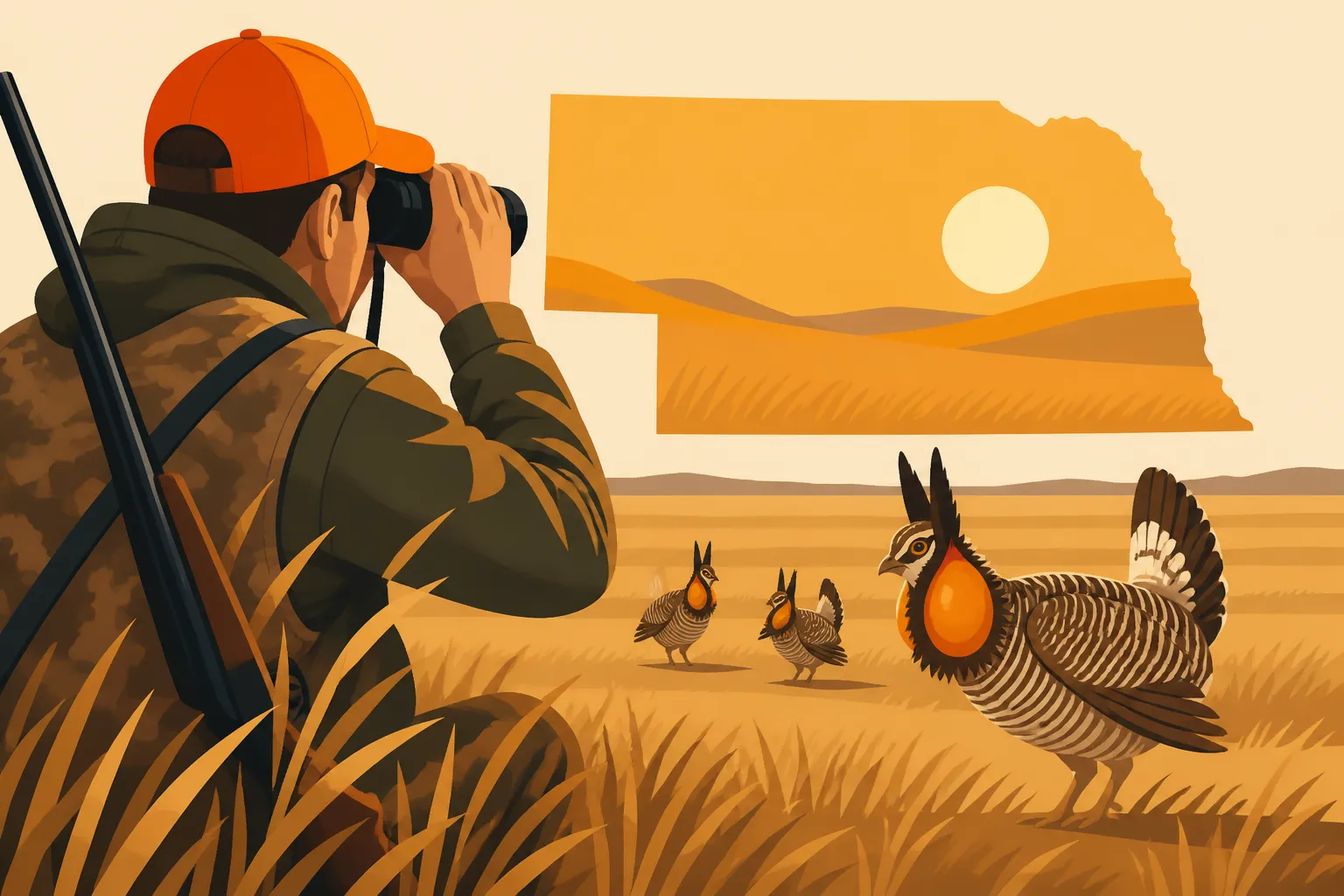
A lek is essentially a communal breeding ground where male prairie chickens gather, primarily in the spring, to perform elaborate courtship displays for the females. Imagine a natural stage, usually a slightly elevated, open area of short-grass prairie or rangeland, where anywhere from a handful to dozens of male birds gather daily at dawn and dusk. They inflate their bright orange air sacs, fan their tail feathers, and stomp their feet in a dance known as "booming," producing a low, resonant sound that can carry for miles across the plains. This is a truly spectacular sight and sound, a primal concert that has played out on these grasslands for millennia.
These displays are vital for the species' survival, as successful mating on the lek directly contributes to the next generation of prairie chickens. While the intense booming and dancing are most pronounced from roughly March through May, the physical lek site itself often remains static year after year. The birds have a remarkable fidelity to these locations, making them critical landmarks for anyone trying to understand their habitat.
Why Leks Matter for Hunters Even Outside Spring
You might be thinking, "But I'm hunting in the fall, why do I care about a spring breeding ground?" And that's a fair question! The answer lies in the fundamental connection between breeding habitat and year-round survival. A lek isn't just a spring dance floor; it's a direct indicator of high-quality core prairie chicken habitat. If these birds are choosing a particular area for their most important life event, it tells you a lot about the suitability of the surrounding landscape.
Prairie chickens, like all wildlife, are creatures of habit. While they disperse from the immediate lek boundaries after the breeding season, they rarely travel huge distances from these core areas. The habitat surrounding a lek often provides the necessary components for survival throughout the year: reliable food sources, protective cover from predators and weather, and accessible water. Therefore, understanding and locating active leks allows you to pinpoint general areas where you’ll have a higher probability of finding birds during the hunting season. Think of it as a biological beacon, guiding you to potential hunting grounds.
Strategies for Locating Active Lek Ranges
Finding an active lek requires a combination of modern tools and old-fashioned legwork. It’s a bit like detective work, piecing together clues from various sources to uncover where these magnificent birds are calling home.
Leveraging Technology and Public Resources
In today's world, we have incredible resources at our fingertips that can drastically cut down on scouting time. Don't underestimate the power of starting your search from your desk.
Online Mapping Tools: Applications like Google Earth, onX Hunt, and other detailed satellite imagery platforms are your first line of defense. Start by visually scanning areas known for prairie grouse, such as the Nebraska Sandhills or specific regions of the western and central parts of the state. Look for large, uninterrupted expanses of native grassland. What you're searching for are subtle topographical features: slight rises, plateaus, or open ridges that offer excellent visibility in all directions. Leks are rarely found in thick cover or deep ravines; they prefer open "dance floors." You can often identify these areas by the distinct changes in vegetation texture or elevation on high-resolution satellite maps.
State Wildlife Agencies (NGPC): The Nebraska Game and Parks Commission (NGPC) is an invaluable resource. Wildlife biologists and technicians spend countless hours surveying and monitoring prairie chicken populations, including mapping known lek locations. While they might not provide you with exact GPS coordinates (to prevent undue pressure on specific leks), they can often point you toward general areas or counties with higher prairie chicken densities. Don't hesitate to reach out to their regional offices. A friendly conversation with a local biologist can provide insights that no map can.
GoHunt Insights: For serious hunters, platforms like GoHunt offer advanced mapping and species-specific information that can be incredibly useful. Their detailed overlays can show land ownership, historical hunting data, and sometimes even general habitat types preferred by prairie grouse. While not always directly marking leks, these tools allow you to cross-reference potential lek sites identified through satellite imagery with public land access and known habitat characteristics. GoHunt can help you consolidate your research, making it easier to plan your scouting trips.
Historical Data: Prairie chickens, much like their sharp-tailed grouse cousins, are quite consistent in where they set up their leks. Some leks have been active for decades. Local historical societies, university wildlife departments, or even older conservation group records might hold clues to historically used lek sites. While not a guarantee, a site used 50 years ago in suitable habitat has a decent chance of still being active today.
Boots-on-the-Ground Scouting Techniques
Eventually, you'll need to put boots on the ground. No amount of digital scouting can replace the firsthand experience of walking the prairie.
Early Morning Reconnaissance: This is the most direct and effective method for confirming an active lek. During the spring (typically late March through early May), plan scouting trips to potential areas you've identified through mapping or agency contacts. Arrive well before dawn and position yourself on a slight rise or in a vehicle with good sound transmission. Listen intently. The booming calls of the male prairie chickens are unmistakable and will carry on still mornings. If you hear them, you’ve found your target. Remember, the goal here is observation, not disturbance. Keep a respectful distance.
Visual Cues Even Outside Spring: Even when the booming has ceased, you can still find evidence of a lek. The constant stomping and displaying of the males will often leave tell-tale signs: areas of matted-down grass, small depressions, and an accumulation of droppings and shed feathers. Look for these "scars" on the landscape, particularly on those open, elevated areas. These visual cues, especially when combined with fresh droppings, confirm current or recent use. This information is invaluable when you are Walking Nebraska Sandhills Meadows for Sharptails, as many of these areas also hold prairie chickens.
Identifying Key Habitat Features: As you walk, pay close attention to the surrounding habitat. Prairie chickens thrive in expansive, intact native grasslands. They generally avoid heavily tilled row crops, dense timber, or areas with excessive human disturbance. Look for a mosaic of grass heights, with some taller cover for nesting and loafing, and shorter, sparser areas for displaying. Gently rolling topography, characteristic of much of the Sandhills, provides both concealment and lookout points. The presence of these ideal habitat components significantly increases the likelihood of finding birds.
Asking Landowners and Locals: This is perhaps the most critical, yet often overlooked, scouting technique in Nebraska. Ranchers and long-time residents of prairie chicken country are often incredibly knowledgeable about the local wildlife, including where the grouse gather. A polite knock on the door, a respectful conversation, and a genuine interest in their land and its wildlife can often unlock a wealth of information. They might know exactly where "the chickens boom every spring." Remember to always ask for permission to access private land, even just for scouting. This not only keeps you legal but builds goodwill, which is essential for future hunting opportunities. If you're looking for guidance on Getting Private Land Permission in Nebraska, it truly begins with respect and communication.
Hunting Tactics Around Confirmed Lek Ranges
Once you've successfully located a prairie chicken lek, the next step is to translate that knowledge into a productive hunting strategy, always with an eye toward ethical practice.
Ethical Considerations and Respecting the Lek
It's paramount to reiterate: hunting directly on an active lek, especially during the breeding season, is unethical and often illegal. Leks are sacred grounds for these birds, essential for their reproduction. Your goal as a hunter is to use the lek as an indicator of habitat and bird presence, not as a direct hunting spot. The best practice is to avoid hunting within sight or sound of an active lek altogether, particularly during the spring. Even in the fall, it's wise to maintain a respectful distance from the lek itself. We are stewards of these wild places, and preserving the species takes precedence.
Patterning Birds Near the Lek
Understanding where the birds go after they leave the lek is key. Prairie chickens, like most game birds, follow predictable patterns based on their daily needs: feeding, loafing, and roosting.
Feeding Areas: During the fall hunting season, prairie chickens will often move from their core grassland areas to feed on waste grain in nearby stubble fields. This could be harvested corn, milo, or even wheat stubble, especially in the mornings and late afternoons. If a lek is surrounded by native grassland that borders a patchwork of agricultural fields, those field edges and the first few rows of stubble are prime spots to investigate. The birds might fly several miles to these food sources, but they will return to denser grass cover for loafing and roosting.
Roosting Cover: After feeding or during midday, prairie chickens seek out areas of denser, taller grass for loafing and roosting. This could be a draw, a slightly taller patch of native switchgrass, or even thick stands of bluestem. These areas provide protection from the elements and predators. Look for these heavier cover types within a mile or two of the lek or known feeding spots. This is often where you’ll find birds grouped up.
Water Sources: While prairie chickens are incredibly adapted to arid environments and can often get sufficient moisture from dew and vegetation, the presence of a reliable water source (like a small pond, dam, or even a stock tank) can sometimes draw birds, especially during hotter, drier periods. This is less critical than food and cover but can be another piece of the puzzle.
Windbreaks and Thermal Cover: In colder fall and winter weather, prairie chickens will utilize any available thermal cover. This might include a dense plum thicket, a cedar-choked draw, or even the lee side of a sand dune or ridge that offers protection from bitter Nebraska winds. Combining your knowledge of leks with these additional habitat considerations, using tools like GoHunt to mark potential feeding and roosting zones, significantly enhances your chances of success. When considering Hunting Grouse in September Heat, understanding these patterns is even more vital for finding active birds.
Nebraska Regulations and Best Practices
Navigating the rules and regulations is a non-negotiable part of any hunting trip. Being informed ensures a legal and enjoyable experience for everyone.
Understanding Season Dates and Bag Limits
Nebraska's prairie grouse season typically opens in early September and runs through late January. For the 2023-2024 season, the dates were September 1st through January 31st. The daily bag limit for sharp-tailed grouse and greater prairie-chicken combined is generally three birds, with a possession limit of nine. It's crucial to consult the most current Nebraska Game and Parks Commission Upland Game Guide each year, as dates and specific unit restrictions can change. Make sure you know which counties are open to prairie grouse hunting. The rules for How Nebraska's Prairie Grouse Season Runs are clearly outlined by the NGPC and should always be your first point of reference.
Public vs. Private Land Access
The vast majority of prime prairie chicken habitat in Nebraska is privately owned. This means obtaining permission from landowners is not just good manners, it's a legal requirement. Always seek permission well in advance of your hunt. A good relationship with a landowner can provide invaluable access year after year.
However, there are also excellent public land opportunities. The Oglala National Grassland in the Nebraska Panhandle is a fantastic example, offering hundreds of thousands of acres of accessible prairie. Additionally, some Wildlife Management Areas (WMAs) and tracts enrolled in the Open Fields and Waters program provide access to prairie chicken habitat. The Nebraska Public Access Atlas is an indispensable tool for identifying these public and public-access lands. It's updated annually and includes detailed maps showing boundaries and specific rules for each tract. Always carry a copy (physical or digital) and understand the boundaries precisely to avoid accidental trespassing. When you're scouting, remember that while you might locate a lek on private land, understanding that bird movement means you might still be able to hunt nearby public access areas.
| Habitat Characteristic | Importance for Prairie Chickens | Scouting Clues |
|---|---|---|
| Open, Elevated Areas | Ideal for communal display, good visibility for spotting predators. | Subtle rises, plateaus, ridgetops visible on satellite maps. |
| Short- to Mid-Length Native Grass | Provides clear ground for displaying, some cover for loafing/roosting nearby. | Areas with consistent grass texture on maps; look for matted grass/sign on foot. |
| Intact Grasslands | Core habitat for nesting, brooding, year-round survival. | Large, uninterrupted green/brown areas on satellite; avoid fragmented areas. |
| Proximity to Food Sources | Access to waste grains (corn, milo) in fall/winter. | Grasslands bordering agricultural fields; look for stubble. |
| Minimal Human Disturbance | Seclusion allows for natural behaviors. | Remote areas, fewer roads, no active construction. |
Disclaimer
Always consult the current Nebraska Game and Parks Commission regulations and hunting guides before planning any hunt. Hunting laws and seasons can change, and it is the hunter's responsibility to be aware of and comply with all applicable rules and regulations. This guide is for informational purposes only and should not replace official state resources.