Fall Turkey Tactics in Nebraska
Fall turkey hunting in Nebraska presents a completely different challenge than the romantic gobbler pursuits of spring. Gone are the days of eager, love-struck longbeards charging into your calls; instead, you're often dealing with wary, tightly-knit family groups whose primary focus is feeding and staying safe. Many hunters find themselves frustrated by silent woods and elusive birds that seem to vanish into thin air. This guide will dive deep into the specific tactics and considerations that can turn your fall Nebraska turkey hunt into a successful and rewarding experience.
The Unique Challenge of Fall Turkey Hunting in Nebraska
Hunting turkeys in the fall, especially after the spring season's excitement has faded, feels like a completely different sport. The rules of engagement change dramatically, and understanding these shifts is paramount to putting a bird in the freezer. Nebraska offers fantastic fall opportunities, but only to those who adapt.
Shifting Turkey Behavior After the Spring Rut
Once the spring breeding season wraps up, usually by late May or early June, the entire social structure of wild turkeys undergoes a significant transformation. The boisterous gobbling that defined spring is almost entirely absent. Instead of individual toms looking for hens, you now have a landscape dominated by family groups. These groups often consist of a hen and her poults (young turkeys hatched that year), or bachelor groups of adult toms and jakes (yearling males).
These flocks are incredibly cohesive, moving across the landscape primarily to feed and find water. Their survival depends on staying together, as there's safety in numbers. They become highly wary, with multiple sets of eyes and ears constantly scanning for danger. This tight-knit behavior means that scattering a flock, a common fall tactic, can be incredibly effective because it breaks their primary defense mechanism. After being scattered, their instinct is to regroup, making them much more vocal and responsive to calls. Understanding this fundamental behavioral shift from spring is the absolute first step in successful fall hunting. It's less about appealing to their desire to breed and more about exploiting their social instincts and need for security.
Nebraska's Fall Turkey Population Dynamics
Nebraska is home to several turkey subspecies, primarily Eastern and Rio Grande turkeys, with some Merriam's in the Pine Ridge. The overall turkey population in Nebraska has seen some fluctuations over the years. Factors like spring nesting success, weather conditions, and disease outbreaks can all influence the number of birds available in the fall.
Despite some regional declines, which you can learn more about in the article on Wild Turkeys in Nebraska and Their Decline, there are still plenty of birds to pursue. The fall season typically sees less hunting pressure than the spring, especially from non-resident hunters, which can work to your advantage. Hunters pursuing fall birds often find that after the initial rush of the pheasant opener, many areas become quieter, leaving more ground and less competition. Checking with the Nebraska Game and Parks Commission's most recent turkey reports can provide insight into which areas have had better hatches and higher poult survival, potentially pointing you towards more productive hunting grounds. The key is knowing that while numbers might not be at historic highs in every location, targeted effort can still yield great results across much of the state, especially where habitat is abundant and diverse.
Scouting and Locating Fall Flocks
You can be the best caller in the world, but if you're not in the same zip code as a turkey, it doesn't matter. Fall turkey hunting is, at its heart, a scouting game. You're looking for where these cohesive family units are consistently feeding, watering, and roosting.
Reading the Landscape for Fall Turkey Sign
Unlike spring, where gobbling often leads you to birds, fall requires a detective's eye. Turkeys leave abundant sign if you know what to look for. Start by focusing on food sources. In early fall, insects, seeds, and berries are prime. As the season progresses and crops are harvested, waste grain in corn and milo fields becomes a major draw. Acorns, where available, are also a huge attractant. Look for freshly scratched leaves, often in a distinct "fan" pattern, indicating birds have been digging for food. Droppings, which are typically larger and more scattered than spring, also tell a story. Long, J-shaped droppings are from toms, while coiled droppings are from hens. The size and freshness indicate how recently birds were present.
Feathers are another dead giveaway. Look for wing and body feathers, especially near roost trees or dusting bowls. Dusting bowls are shallow depressions in soft dirt where turkeys "bathe" to rid themselves of parasites. These areas will show distinct indentations and loose dirt. Finally, tracks in soft soil or mud can tell you a lot about the size of the birds (adult vs. poult) and their direction of travel. By piecing together these clues, you can start to understand the daily patterns of a flock.
Utilizing Technology for Pre-Season Recon
Modern technology has become an invaluable tool for fall turkey hunters. Mapping applications like GoHunt offer detailed satellite imagery that can reveal potential food sources, roosting timber, and travel corridors long before you ever set foot in the woods. You can identify unharvested cornfields adjacent to timber, dense cedar draws, or river bottoms that offer prime habitat. Using public land layers, you can mark potential access points and plan your routes. For example, a detailed map might show a remote corner of a Wildlife Management Area with mature trees bordering a crop field – a perfect spot for a fall flock.
Trail cameras, used within state regulations, are another powerful ally. While you need to be mindful of Trail Camera Rules on Nebraska Public Land, strategically placed cameras can confirm turkey presence, tell you flock composition (hens with poults, bachelor groups), and reveal their travel times. Placing cameras along field edges, near known watering holes, or along two-track roads, as you might when Reading Sign on a Nebraska Sandhills Two-Track, can provide critical real-time intelligence. This helps you narrow down vast amounts of territory to a few high-percentage spots, saving you precious hunting time.
Best Habitat Types for Fall Turkeys
In Nebraska, fall turkeys favor specific habitat types that offer both food and cover. River bottoms, especially those along the Platte, Loup, and Niobrara Rivers, are classic fall turkey havens. These areas provide dense timber for roosting, often large cottonwoods, and diverse undergrowth for feeding. Furthermore, they are often adjacent to agricultural fields, which become magnets for turkeys once crops are harvested. The article on Hunting the Niobrara River Valley Access might offer some insight into these areas.
Another prime location is areas with a mix of timber and agricultural fields, particularly in eastern and central Nebraska. Think about the mosaic of small woodlots, shelterbelts, and corn or soybean fields. Turkeys will spend their days foraging in these fields and then retreat to the safety of the timber to roost at night. In the western part of the state, especially around the Pine Ridge or isolated pockets of the Sandhills, turkeys will gravitate towards ponderosa pine stands adjacent to grasslands or creek bottoms. Look for areas with a variety of food sources and readily available water, as these elements are crucial for large fall flocks.
Masterful Calling Strategies for Autumn Birds
Forget the aggressive gobbler yelps of spring. Fall calling is a more subtle, yet incredibly effective, art focused on social communication and reassembly. It's about sounding like another lost turkey trying to find its family.
Breaking Up Flocks for Effective Calling
The cornerstone of fall turkey hunting is often "breaking up" a flock. This tactic works because of the strong instinct for turkeys to regroup once separated. The ideal scenario involves locating a flock, then attempting to push through it or run into it, causing the birds to scatter in every direction. This can be done by still-hunting quietly into an area you know holds birds, or by driving an area if hunting with partners. Once the flock is scattered, retreat to a central, concealed location and wait.
The best time to call after a scatter is usually 20-30 minutes later, giving the birds time to settle down and start feeling anxious about being alone. Start with soft, plaintive yelps and clucks, mimicking a lost hen or poult. As you gain responses, you can increase the volume slightly, but never be aggressive. You're trying to sound vulnerable, not dominant. If you manage to scatter a large group of hens and poults, a simple lost hen assembly call can be incredibly effective. Bachelor groups of toms and jakes will also respond to reassembly calls, though often with a bit more caution. Patience is key after a scatter; the birds might take an hour or more to start talking and move in.
The Art of Yelp and Cluck Sequences
Fall turkey calling is all about realistic hen and poult sounds. Unlike spring calling, which often involves loud, excited yelps and cuts to challenge a gobbler, fall calling leans heavily on softer, more social communication. Think of soft yelps, clucks, and purrs. The goal is to sound like a contented or slightly anxious hen trying to locate her lost family members. A series of soft yelps, perhaps 5-7 notes, followed by a few clucks, is a great starting point. Listen intently after each sequence.
Vocalizations that mimic young turkeys, such as kee-keey runs (a whistle-like call often made by lost poults), can be incredibly effective, especially when targeting scattered family groups. Incorporating the kee-kee with a yelp or two can sound even more convincing. Focus on authenticity over volume. Use friction calls (slate or box calls) for their realistic tones, or mouth calls for hands-free operation. Remember, you're not trying to draw an aggressive response; you're trying to sound like a social invitation. For a comparison, think about the different approach needed when Calling Spring Gobblers in Nebraska Timber versus the subtle nature of fall calling.
Decoy Usage and Setups in Fall
Decoys in the fall play a different role than in spring. While spring hunters often use jake and hen decoys to provoke a territorial response from a gobbler, fall decoy setups are more about visual reassurance and simulating a peaceful flock. A single hen decoy or a small group of hen and poult decoys can work wonders. They provide a visual target that can draw in wary birds that might hesitate to commit to calls alone.
Position your decoys in an open area where they are highly visible from a distance, perhaps on a field edge or in a clearing within sparse timber. If you've scattered a flock, placing a single hen decoy where you expect birds to regroup can be very effective. Ensure your setup provides a clear shot path to the decoys, ideally positioning yourself 15-20 yards behind them. Always be mindful of ethical shot placement when using decoys, ensuring you identify your target clearly. The visual confirmation of other turkeys can often be the final piece of the puzzle to draw in a cautious fall flock.
Hunting Methods and Shot Placement Considerations
Successful fall turkey hunting often involves a mix of persistence, observation, and knowing when to switch tactics. It's less about sitting still and more about active engagement with the birds and their environment.
Ambushing and Still-Hunting Tactics
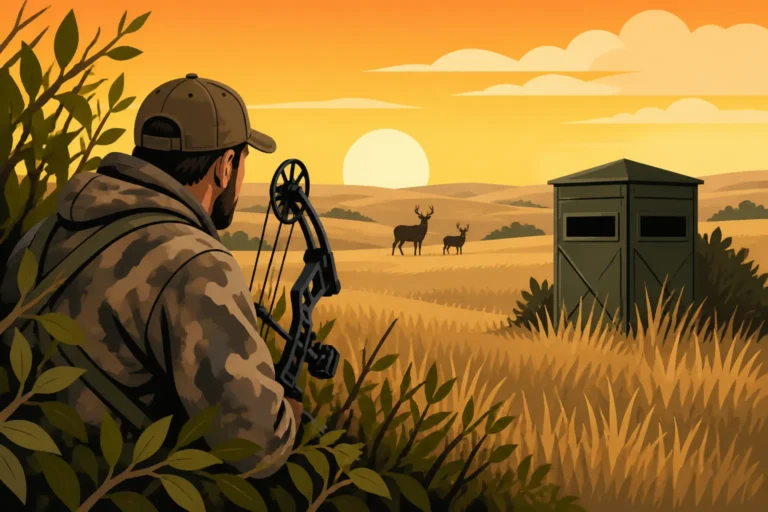
One of the most effective strategies for fall turkeys is to set up an ambush along their predictable travel routes. After extensive scouting, you might discover a flock regularly moves from a specific roost area to a particular feeding field. Setting up before first light along this route, concealed by a ground blind or natural cover, can put you in a prime position. This method requires patience and a good understanding of the birds' daily patterns.
Still-hunting, a method where you move slowly and deliberately through the woods, stopping frequently to scan and listen, can also be very productive. This is particularly effective in river bottoms or timbered areas where turkeys might be scattered. The goal is to locate birds visually or by listening for their soft clucks and purrs, then make a stealthy move to get into a shooting position. This requires extreme quietness, careful foot placement, and utilizing cover to break up your silhouette. Think of it like hunting deer, but with a bird as your target.
Field Hunting and Driving for Flocks
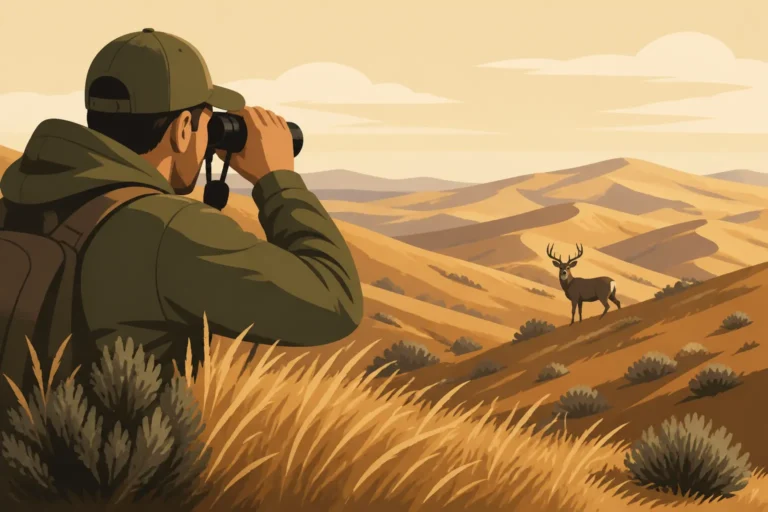
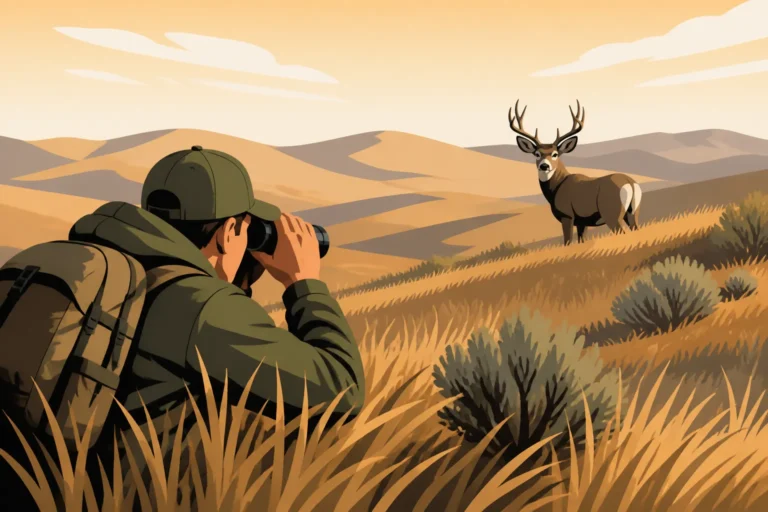
In agricultural areas, field hunting is a prevalent and often successful tactic for fall turkeys. Once crops like corn and soybeans are harvested, turkeys will frequently enter these fields to glean waste grain. This creates an excellent opportunity for hunters to locate birds from a distance using binoculars or spotting scopes. Once a flock is spotted, you can plan a stalk or set up a blind along a known entry point.
Another method, especially if hunting with a group, is a coordinated drive. This involves posting blockers at one end of a field or timber block while drivers slowly push birds towards them. This is often used for pheasants, and can be equally effective for turkeys, particularly when trying to scatter a large flock or push them out of dense cover. Communication is key in a drive to ensure safety and effectiveness. Make sure everyone knows the plan, shooting lanes, and safety zones. This tactic can also be applied to smaller timber blocks where deer might be found, similar to Two-Person Deer Drives on Small Timber.
Ethical Shot Placement for Fall Turkeys
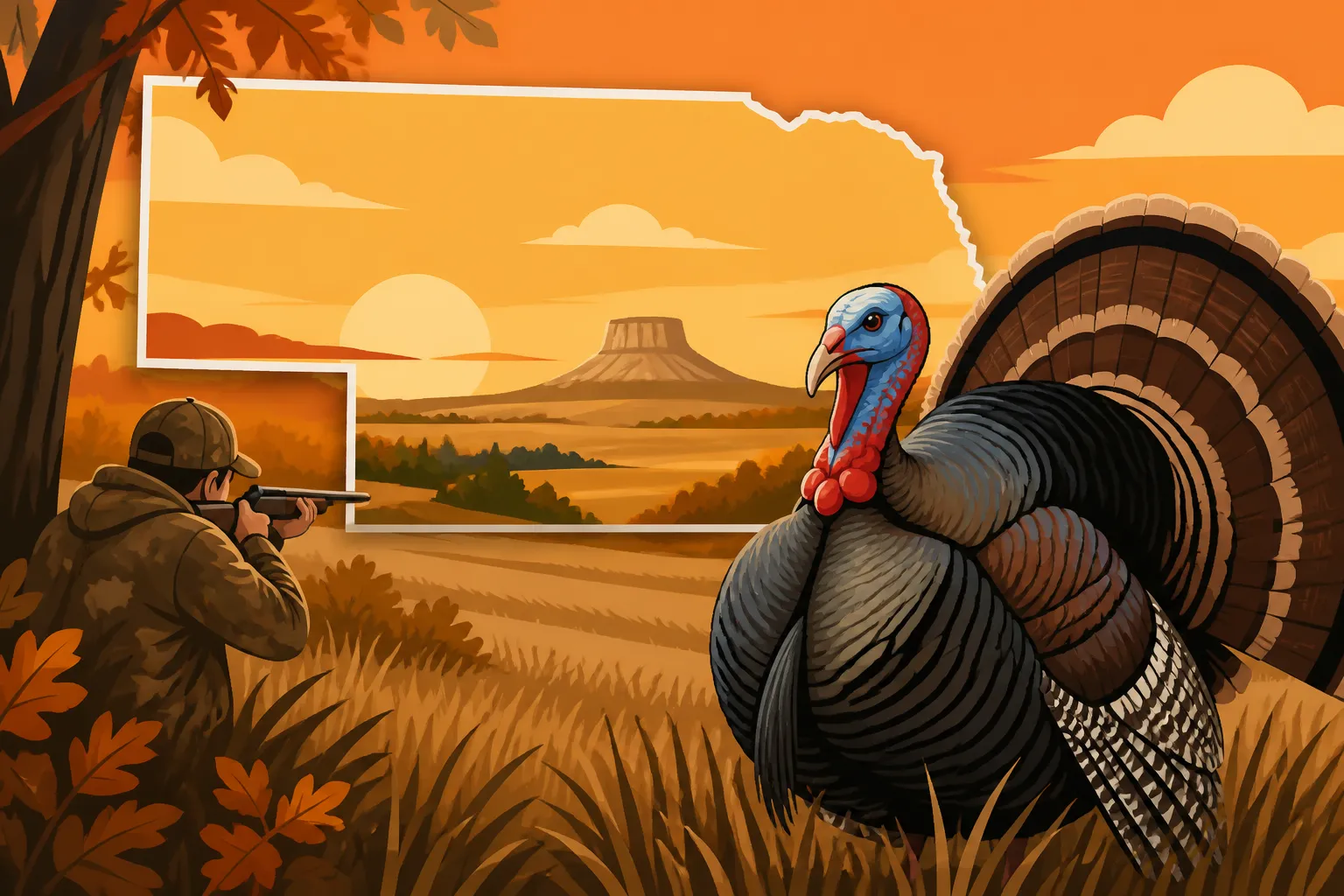
Regardless of whether you're using a shotgun or a bow, ethical shot placement is paramount. For shotgun hunters, the target area is typically the head and neck. Unlike deer, where the vitals are the primary target, a turkey's body is covered in thick feathers and tough muscle that can often stop or slow down shot, leading to wounded birds. A well-placed shot to the head or neck results in a quick, humane kill. Practice with your shotgun and chosen load (typically #4, #5, or #6 lead shot, or #5 or #6 bismuth/tungsten for non-toxic requirements on certain public lands) at various distances to understand its pattern. Most turkey hunters aim for shots within 30-40 yards.
For archery hunters, the vitals (heart/lungs) are the primary target, just behind the wing butt. Broadheads designed for large game are appropriate, and practicing with your bow setup, including understanding Hunting Turkeys With a Bow in Nebraska specifics, is crucial. Quartering away or broadside shots are ideal. Always wait for a clear, unobstructed shot before releasing an arrow. The goal is to harvest the bird cleanly and quickly, ensuring no unnecessary suffering.
Essential Gear and Preparation for Nebraska's Fall Season
Fall hunting in Nebraska can throw a variety of weather at you, from warm Indian summer days to bitter cold, especially as the season progresses into November and December. Being prepared with the right gear is critical for comfort and success.
Firearm and Ammunition Choices
For shotgun hunters, a 12-gauge or 20-gauge shotgun is standard for fall turkeys. These gauges offer a good balance of pattern density and recoil. When it comes to ammunition, shells loaded with #4, #5, or #6 shot are generally excellent choices for fall birds. If you're hunting on public lands, such as certain Wildlife Management Areas or federal lands in Nebraska, you'll need to use non-toxic shot. Options like bismuth or tungsten-based loads are fantastic performers and deliver the necessary knockdown power. Always pattern your shotgun with your chosen ammunition and choke combination (often a full or extra-full turkey choke) to ensure a dense, consistent pattern at your maximum effective range. This is often an overlooked step but is absolutely vital for clean kills.
For those pursuing turkeys with a bow, a compound bow with a draw weight suitable for deer is more than adequate. Broadheads should be sharp and reliable, with many hunters opting for larger cutting diameter mechanical broadheads for more forgiveness and greater shock, or fixed blade broadheads for their penetration. Understanding your setup and practicing regularly to ensure precise shot placement is crucial. Crossbows are also legal in Nebraska for turkey hunting, offering another option for archers who prefer them.
Dressing for Success in Variable Weather
Nebraska's fall weather is famously unpredictable. A warm morning can quickly turn into a blustery, cold afternoon. Layering is your best friend. Start with a moisture-wicking base layer, add insulating layers like fleece or wool, and top it off with a windproof and water-resistant outer shell. Brands like Sitka or KUIU offer excellent technical hunting apparel that manages moisture and insulates effectively. You'll likely be doing a lot of walking, so breathability is important, but so is warmth when you stop to call or ambush birds.
Don't forget accessories: a good blaze orange hat or vest is required during any firearm deer season overlap, and it's a smart idea any time for safety. The rules regarding Orange Requirements for Archers in November are good to be familiar with. Warm, waterproof boots are essential for walking through dew-covered grass, mud, or even early snow. Consider insulated gloves or mittens, and a warm neck gaiter. Being comfortable means you can stay out longer and focus on the hunt, rather than shivering or overheating. Investing in quality clothing that handles Nebraska's diverse weather, as discussed in the article on Clothing for Nebraska Wind and Cold, will significantly improve your experience.
Post-Harvest Care and Regulations
Once you've successfully harvested a fall turkey, proper field care is essential to ensure quality meat. In warmer early fall days, getting the bird cooled down quickly is paramount. Field dress the turkey as soon as possible, removing the entrails to allow the body cavity to cool. If the weather is warm, consider packing ice into the body cavity for transport.
Familiarize yourself with Nebraska's tagging and reporting requirements. You'll need to immediately attach your valid permit tag to the bird. All turkey harvests must be reported online or by phone to the Nebraska Game and Parks Commission within 48 hours. Ensure you know the specific regulations regarding Fall Turkey Permits in Nebraska and How Long Nebraska's Fall Turkey Season Runs before you head out. These details are often updated annually, so always check the current year's Nebraska Hunting Guide. Understanding these regulations ensures a legal and ethical hunt from start to finish.
| Fall Turkey Tactic | Primary Goal | Key Calls | Best Conditions | Considerations |
|---|---|---|---|---|
| Flock Busting | Scatter and Re-call | Lost Yelps, Kee-kee | Early morning, when flocks are visible | Requires aggressive initial approach; patience after scatter. |
| Ambush/Still-Hunt | Intercept travel | Minimal, soft clucks | Predictable travel routes, timber/field edges | Stealth and patience are paramount. |
| Field Hunting | Locate, Stalk, Call | Soft hen calls | Harvested crop fields, open areas | Requires good optics; long stalks possible. |
| Driving | Push birds to blockers | Group coordination | Dense cover, small timber blocks | Safety first; clear communication vital. |
Disclaimer
Please be aware that hunting regulations and season dates can change. Always consult the official Nebraska Game and Parks Commission website or their current hunting guide for the most up-to-date and accurate information before planning any hunting trip. This guide is for informational purposes only and should not replace official state regulations.