Hunting Bobwhite in Southeast Nebraska
The thrill of a covey rise, the explosive flush, the smell of gunpowder mixed with crisp autumn air—there’s nothing quite like hunting bobwhite quail. But for many hunters, finding consistent action for these elusive little birds in southeast Nebraska can feel like searching for a needle in a haystack, especially with declining populations in some areas. This guide will walk you through the nitty-gritty of scouting, understanding their habitat, and employing effective tactics to improve your chances of success and truly enjoy your time afield pursuing bobwhite in the Cornhusker State.
Understanding Bobwhite Habitat in Southeast Nebraska
Bobwhite quail aren't just anywhere; they have very specific needs when it comes to where they call home. In southeast Nebraska, their habitat is often a patchwork of agricultural fields, brushy draws, and mature timber edges. It's a delicate balance of food, cover, and nesting sites, and understanding these elements is your first step to finding birds. You see, quail need dense, low-growing cover for nesting and protection from predators, mixed with areas that provide seeds, insects, and berries for food. They don't typically travel far, so finding that perfect blend of resources is key to locating a covey.
The Ideal Mix of Cover and Food Sources
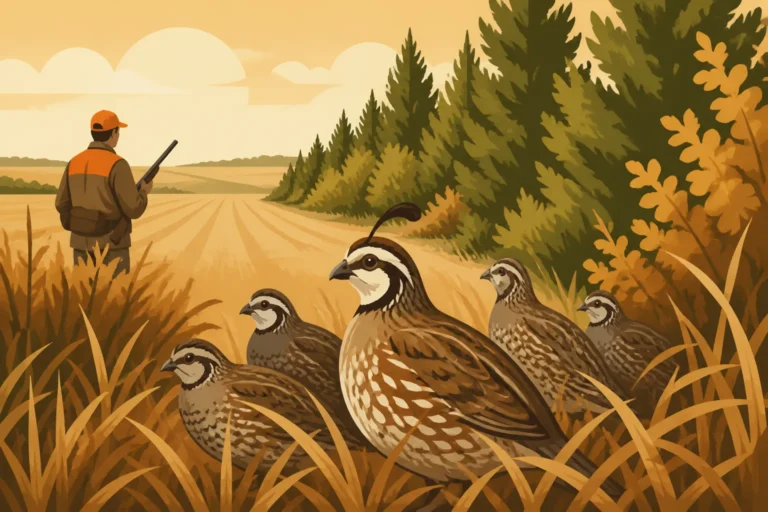
Think about what makes a great "quail haven." It's rarely a wide-open field or a sterile, manicured lawn. Instead, picture the rougher edges of farmland: overgrown fencerows, plum thickets, small patches of native prairie grasses, and even the fringes of riparian zones along creeks and rivers. These areas provide the perfect blend of dense escape cover and accessible food sources. For instance, a fencerow that's been allowed to grow wild with sumac, multiflora rose, and thorny shrubs provides an almost impenetrable fortress against hawks and coyotes, while also dropping seeds and attracting insects that quail absolutely love.
In southeast Nebraska, you'll often find these prime spots bordering corn and soybean fields, which provide abundant waste grain after harvest, especially if the ground isn't tilled clean. Look for old farmsteads where buildings have long since crumbled, leaving behind a tangle of vegetation. These spots offer winter cover and often hold persistent coveys year after year. Critically, quail don't like to range too far from cover, so even if there’s a great food source, if it’s more than 50-100 yards from thick stuff, they might not use it extensively. When scouting, pay close attention to where different habitat types meet, as these "edge" areas are often hotspots. If you're looking for where these birds are most likely to be found, our post on Where Nebraska Quail Are Densest has some excellent insights into specific areas.
Shelterbelts and Woody Cover
When it comes to winter survival and consistent year-round use, shelterbelts and other woody cover are absolutely crucial for bobwhite. These linear strips of trees and shrubs, often planted to break the wind, provide invaluable protection from bitter Nebraska blizzards and offer year-round sanctuary. A good shelterbelt will have a mix of evergreen trees like red cedar for thermal protection, and deciduous shrubs that retain some form of cover even after leaf drop. Think about the understory – if you can walk through it easily, it might not be dense enough for quail. They want to be able to duck and weave, to disappear from predators quickly.
These thickets, especially those with thorny plants like Osage orange or honey locust, create ideal microclimates where quail can roost safely overnight and escape severe weather. During the hunting season, a well-placed shelterbelt can hold multiple coveys, especially if it connects to other suitable cover like unharvested crop fields or weedy draws. Hunting a shelterbelt effectively means understanding how the birds will use it, often moving along its length, staying just inside the thickest parts. If you're specifically targeting these spots, our guide to Quail Coveys in Nebraska Shelterbelts dives deeper into how to approach them. The key is to recognize that not all shelterbelts are created equal; some are too open, others too dense. The sweet spot is a balance of protective cover and enough open ground for them to move and forage.
Scouting and Locating Bobwhite Coveys
Successfully hunting bobwhite quail isn't just about showing up on opening day; it’s about putting in the groundwork before the season even begins. Effective scouting, both remotely and in the field, will dramatically increase your odds. Knowing where the birds are, or at least where they should be, allows you to hunt smarter, not harder. This is especially true in areas where habitat might be fragmented or limited, making every covey count.
Using Mapping Tools for Remote Scouting
Before you even lace up your boots, modern mapping tools can be an absolute game-changer for quail hunters. Platforms like GoHunt, along with the Nebraska Public Access Atlas, allow you to analyze potential hunting grounds from the comfort of your home. You can zoom in on satellite imagery to identify key habitat features: those long, winding fencerows, the tell-tale green lines of shelterbelts, the chunky blocks of CRP (Conservation Reserve Program) land, and the edges of timber that meet agricultural fields. Look for areas with a mosaic of different cover types that indicate good transition zones.
Pay close attention to properties that haven't been intensely farmed or grazed. Areas with unkempt edges, abandoned farmsteads, or creek bottoms with thick riparian growth are often prime candidates. You can even use elevation changes to predict how birds might move or where water collects, fostering more vegetation. Mark potential covey locations or promising travel corridors on your map. This kind of digital reconnaissance saves countless hours of aimless wandering and helps you prioritize which areas to scout on foot. Remember, even if you’re using an app, cell service can be spotty in rural Nebraska, so ensure you know Using the Atlas App Without Service or similar offline map capabilities.
Listening for Calls and Identifying Sign
Once you've identified promising areas on your maps, it's time for some boots-on-the-ground investigation. One of the most effective ways to locate bobwhite is to simply listen for them. Their distinctive "bob-white!" call is easily recognizable, especially in the early morning or late afternoon. Drive slowly along rural roads near your marked spots with your windows down, or better yet, walk quietly through the edges of cover during these peak calling times. If you hear a covey calling, make a mental note, or drop a pin on your GoHunt app.
Beyond vocalizations, look for physical sign. Quail leave behind small, pellet-like droppings, often found near dusting bowls—small, shallow depressions in dusty soil where they "bathe" to maintain their feathers and rid themselves of parasites. Look for tracks in soft soil, especially along field edges or paths leading into dense cover. In winter, fresh tracks in snow can lead you directly to a covey's roosting site. Sometimes, you might even find feathers, especially around roosting areas or where a covey has recently been disturbed. The more fresh sign you find, the higher your chances of encountering birds when you return with your shotgun and dog. This diligent scouting allows you to build a reliable picture of the quail activity in a given area, helping you to form a strategy for the upcoming season.
Effective Hunting Tactics for Bobwhite Quail
Hunting bobwhite quail requires a blend of patience, quick reflexes, and a keen understanding of bird behavior. Unlike larger upland birds that might hold tight or flush predictably, bobwhite often explode from cover in a sudden, exhilarating burst, demanding a swift and accurate shot. Developing good habits and refining your technique will lead to more birds in the bag and more memorable days afield.
Working Cover With or Without a Dog
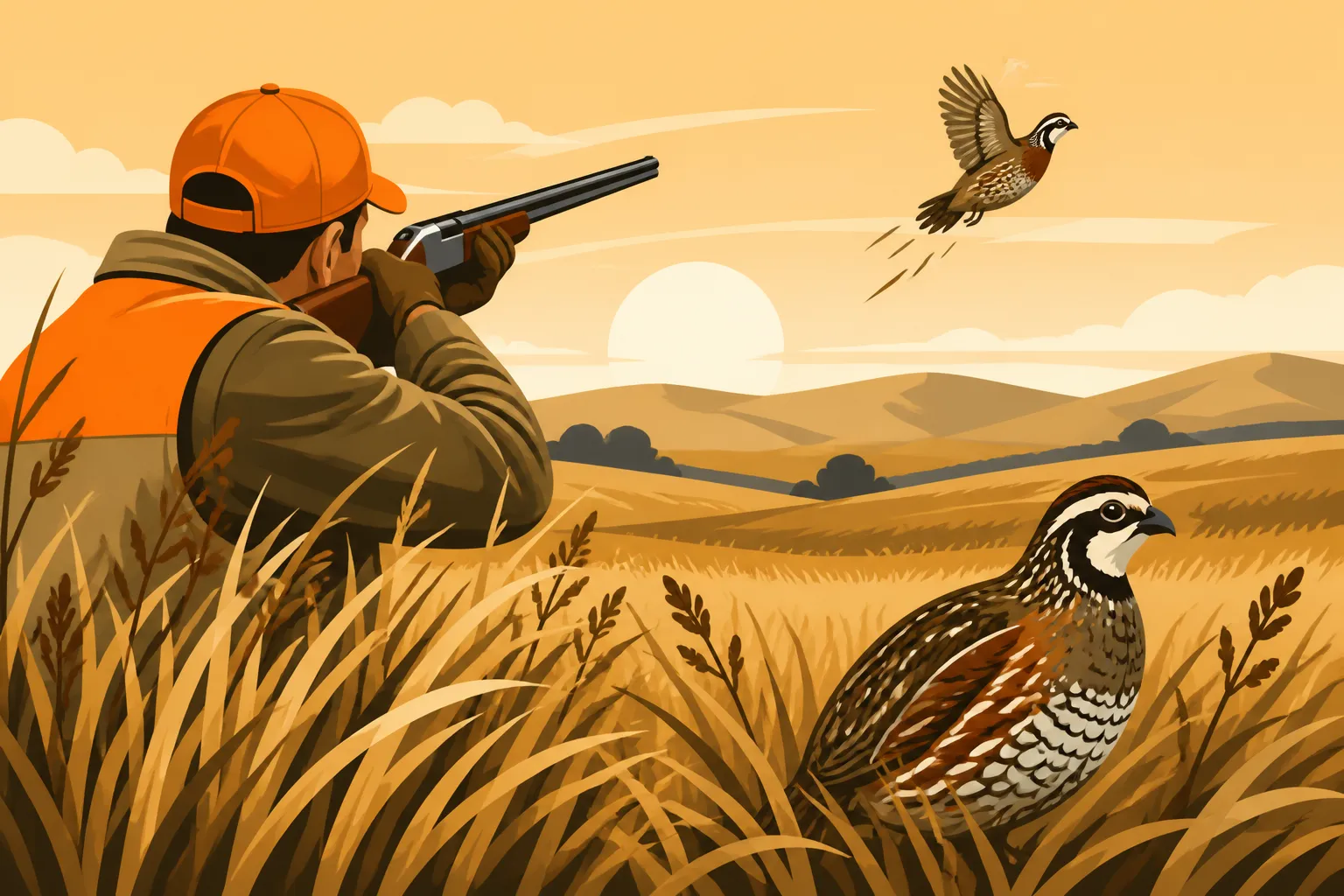
Whether you hunt with a well-trained bird dog or prefer to walk up birds on your own, the approach to cover is paramount. With a dog, the experience is often about watching your canine companion work scent, locking up on point, and then preparing for the flush. A good pointer will signal the birds' presence, allowing you to get into a ready position. When the covey explodes, focus on a single bird, swing through it, and pull the trigger. Our article on Covey Rise Shooting Discipline offers great tips for managing those exciting, chaotic flushes. After the initial covey rise, if you drop a bird or two, mark where the remaining birds scatter. Often, they won't fly far, dropping into the nearest available cover. You can then work those singles, which tend to hold tighter than a covey.
If you're hunting without a dog, it becomes more of a strategic walk-up game. You'll need to move slowly and deliberately through prime cover, paying close attention to every rustle and shadow. Focus on walking the edges of brush, through the thickest parts of fencerows, and along the transition lines between different habitat types. Pause frequently; sometimes, a momentary stop can make nervous birds flush. Having a hunting partner can be a huge advantage when hunting without a dog, allowing you to block off escape routes or work parallel lines through cover. For example, if you're Hunting a Shelterbelt Between Nebraska Fields, one hunter can walk inside the belt while another walks the edge, maximizing coverage.
Shotgun and Choke Selection
For bobwhite quail, a fast-handling shotgun is key. Most hunters opt for a 20-gauge or even a 28-gauge, but a 12-gauge can certainly be effective, especially if you're using lighter loads. The rapid, unpredictable nature of a covey rise means you need a gun that comes to the shoulder smoothly and quickly. Over-and-unders or side-by-sides are popular for their fast follow-up shots, but pump-action and semi-automatic shotguns are also excellent choices, often holding more rounds. The choice largely comes down to personal preference and comfort.
When it comes to choke, an open constriction is generally preferred for the close-range flushes typical of quail. Improved Cylinder (IC) is a fantastic all-around choice, offering a good pattern density without being too tight for those quick, close shots. Some hunters even start with Skeet choke for the first barrel in a double gun, then move to IC for the second shot. As for shot size, 7 ½ or 8 lead shot is the standard for bobwhite. It provides plenty of pellets for a dense pattern and enough energy to cleanly take down these small birds. Keep in mind that on some public lands, nontoxic shot might be required, so always double-check regulations. For more detailed advice on setting up your scattergun, our article on Choke Choice for Walking Birds offers excellent guidance.
Gear and Considerations for Southeast Nebraska Quail
Just like any hunting pursuit, having the right gear can make a significant difference in your comfort, safety, and overall success when hunting bobwhite in southeast Nebraska. The terrain, vegetation, and unpredictable weather demand specific considerations, ensuring you're prepared for whatever the day throws at you.
Essential Clothing and Footwear
Hunting quail in southeast Nebraska often means navigating dense, thorny cover, walking significant distances, and dealing with variable weather conditions. Your clothing needs to be durable, protective, and comfortable. Briar-proof pants or chaps are an absolute must. Trust me, trying to push through multiflora rose or Osage orange thickets in regular canvas pants is an exercise in pain and frustration. Look for pants made from tough nylon, waxed cotton, or even a blend with a briar-resistant face. Layering is also crucial; early season hunts might be mild, but late season can bring frosty mornings and windy afternoons. A good moisture-wicking base layer, a warm mid-layer, and a windproof, water-resistant outer shell will keep you comfortable. And don't forget your blaze orange; while specific square inch requirements might apply during certain deer seasons, it's always wise to wear highly visible orange for safety in thick cover. Investing in a good upland vest, perhaps one with Upland Vests With Water Capacity for those warmer days, can make a real difference in carrying your shells, water, and harvested birds.
Footwear is equally important. You’ll be walking through varied terrain—from mowed grass to muddy creek bottoms to rocky inclines—so a sturdy, comfortable pair of hunting boots is essential. Look for boots that provide good ankle support, are waterproof, and have aggressive soles for traction. Many hunters prefer lightweight, uninsulated boots for early season hunts, switching to insulated models as temperatures drop. The key is comfort for miles of walking; break in your boots well before the season to avoid blisters.
The Importance of Hydration and Landowner Relations
Staying hydrated is often overlooked, but critical, especially during warmer early season hunts or when you're exerting yourself walking through thick cover. Always carry plenty of water, not just for yourself, but also for any hunting dogs you might have with you. Dehydration can quickly sap your energy and dull your focus, turning a fun hunt into a miserable ordeal. A good hydration bladder in your vest or a couple of water bottles will serve you well.
Finally, and perhaps most importantly, is the aspect of landowner relations. The vast majority of prime bobwhite habitat in southeast Nebraska is on private land. Gaining permission to hunt these properties is vital and often requires effort and respect. Start early, well before the season. Knock on doors, introduce yourself, and clearly state your intentions. Offer to share game, help with chores, or simply show your appreciation. Be impeccably polite, respect all rules the landowner sets, and always leave the property better than you found it. A polite, respectful hunter often gains access for future seasons. GoHunt can assist in identifying land ownership, but the personal connection is what truly opens doors. If you're new to this, our guide on Getting Private Land Permission in Nebraska provides detailed advice on how to approach this sensitive but rewarding process. Building these relationships is not just about access; it's about being a responsible and ethical hunter, ensuring future opportunities for all.
| Habitat Feature | Quail Value | What to Look For |
|---|---|---|
| Shelterbelts | Thermal cover, escape cover, roosting | Mix of evergreens & shrubs, dense understory |
| Fencerows | Travel corridors, food, escape cover | Overgrown, brushy, thorny plants |
| Plum/Cedar Thickets | Dense escape cover, winter protection | Tight, almost impenetrable patches |
| CRP Grasslands | Nesting, brooding, insects, some cover | Native grasses, forb diversity |
| Field Edges | Waste grain, insects, travel routes | Unmown, weedy edges next to crops |
| Riparian Areas | Water, food, cover along creeks/rivers | Brushy creek banks, timber edges |
Disclaimer
Hunting involves inherent risks, including but not limited to those associated with firearms, wildlife, and outdoor conditions. This guide provides general information and recommendations. Always consult the most current Nebraska Game and Parks Commission regulations, secure appropriate permits, and prioritize safety. Land access rules, weather conditions, and wildlife populations can change rapidly. The author and publisher are not responsible for any incidents or accidents.