Prairie Grouse Hunting on Nebraska’s Open Range
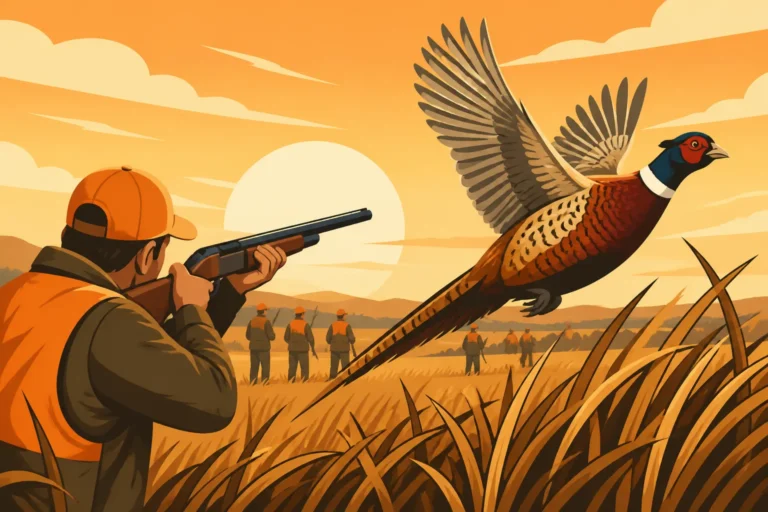
The vast, unbroken expanse of Nebraska's open range presents a unique and incredibly rewarding challenge for upland hunters. While many chase pheasants in the stubble fields, the pursuit of prairie grouse – specifically the sharp-tailed grouse and greater prairie-chicken – is an experience unlike any other, often fraught with miles of walking under a relentless sun, unexpected flushes, and the sheer mental and physical grit it demands. This guide is dedicated to helping you unravel the mysteries of hunting these magnificent birds across Nebraska's sweeping grasslands, covering everything from where they live to the tactics that will put you in the best position for success.
Understanding Nebraska's Prairie Grouse: Sharptails and Prairie Chickens
Before you even step foot on the prairie, it’s crucial to understand the stars of the show. Nebraska is home to two distinct species of prairie grouse that offer unique hunting opportunities and challenges. While they share similar habitats, knowing their individual quirks can make all the difference in your hunting strategy.
Meet the Birds: Identification and Behavior
The Sharp-tailed Grouse (often just called "sharptails") are truly birds of the open country. They get their name from their pointed central tail feathers, and their plumage is a beautiful, mottled brown and white, providing excellent camouflage in the dry grass and brush. You'll typically find sharptails in areas with more brushy cover, like plum thickets, cedar draws, or areas with taller, thicker native grasses. When flushed, they often explode from cover in a covey, scattering in different directions with a distinctive cackle. Their flight is strong and direct, but they usually won't fly more than a few hundred yards before dropping back into cover. A covey flush of sharptails is one of the most exciting experiences in upland hunting, testing your reflexes and target acquisition under pressure. They tend to hold a bit tighter for a dog, offering potentially better pointing opportunities.
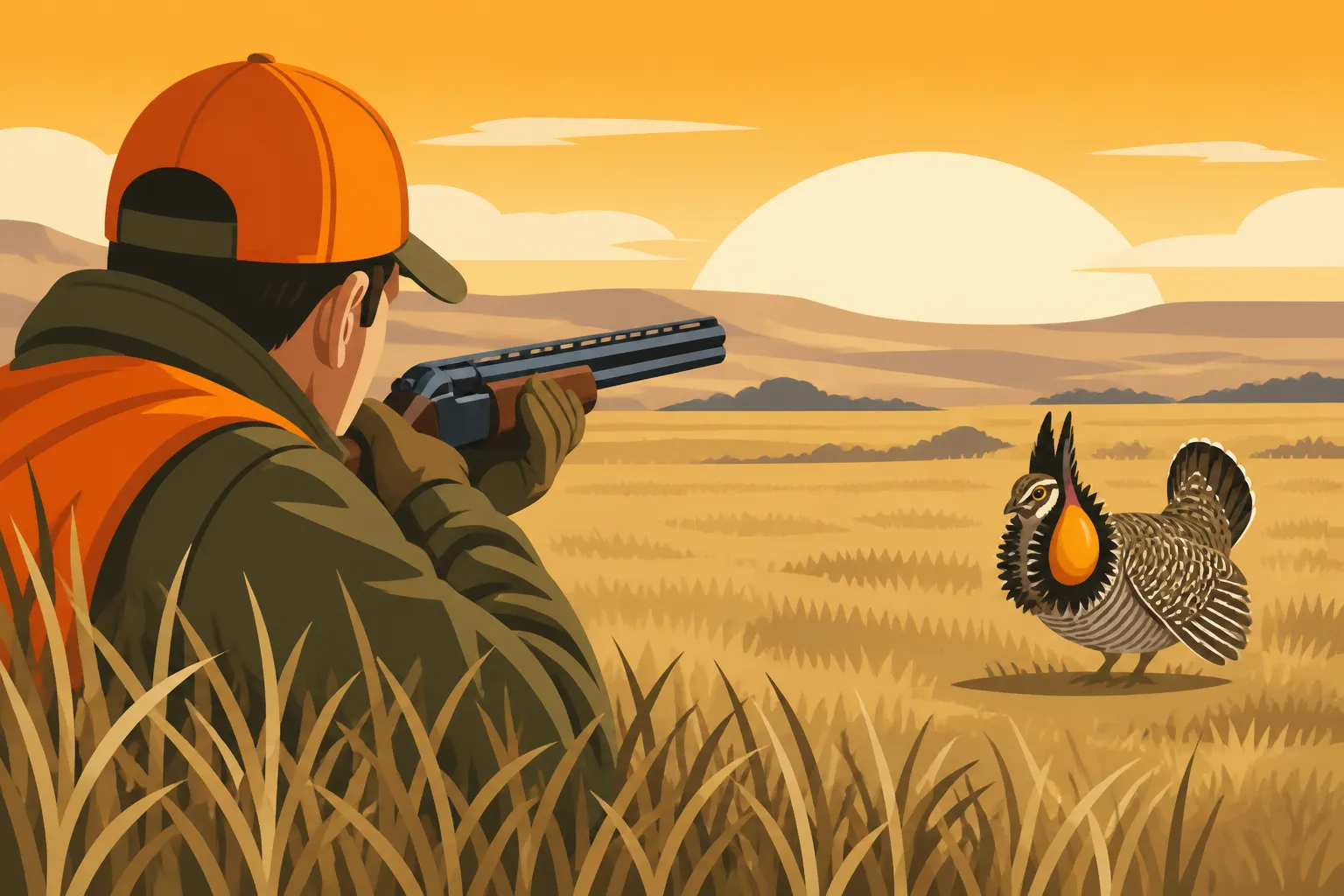
The Greater Prairie-Chicken, on the other hand, is a slightly larger, more robust bird. They have distinctive barred plumage and those iconic feather tufts on their neck (pinnae) that they raise during their famous booming courtship displays on spring leks. Prairie chickens prefer more open, expansive grasslands with shorter, denser native grasses, often near cultivated fields where they might feed. When disturbed, prairie chickens are notorious for running before flushing, making them incredibly challenging to approach. When they do finally take to the air, their flight is powerful, strong, and can cover significant distances, often flying a half-mile or more before pitching down. They often flush as singles or in smaller groups, and their flush can be less explosive than a sharptail's covey rise, but their sheer speed can be deceiving. Finding a prairie chicken in thick cover after a long run can feel like searching for a needle in a haystack.
Understanding these subtle differences in behavior is paramount. A good dog might find a sharptail holding tight in a plum thicket, but that same dog might be constantly working ahead trying to pin down a running prairie chicken in short grass.
Population Trends and Habitat Health
Nebraska's prairie grouse populations, like those in many states, have faced their share of ups and downs. The health of these birds is inextricably linked to the health of their grassland habitat. The state's vast Sandhills region remains a stronghold for both species, but even here, pressures exist. Habitat fragmentation, encroachment of woody vegetation, and changes in agricultural practices can all impact grouse numbers.
The good news is that Nebraska Game and Parks Commission, along with conservation partners, actively manages and protects these critical habitats. Programs that incentivize grassland conservation, proper grazing management, and prescribed burns all play a vital role in maintaining the diverse cover types that grouse need for nesting, brooding, and winter survival. For instance, areas enrolled in the Conservation Reserve Program (CRP) can offer crucial nesting cover, though the specific type and density of CRP grasses matter. You can look into how much CRP Nebraska has lost over the years to understand some of the challenges, but also appreciate the pockets that remain. While populations fluctuate due to weather events like harsh winters or excessively wet springs that impact poult survival, the dedication to preserving the core Sandhills ecosystem gives these birds a fighting chance. When you’re out on the prairie, you’re not just hunting; you’re witnessing a testament to ongoing conservation efforts.
Where to Find Prairie Grouse on Nebraska's Open Range
Identifying the right habitat is the first, and arguably most important, step in successful prairie grouse hunting. Nebraska's open range is expansive, and knowing where to focus your efforts can save you countless miles of aimless walking.
Key Habitats in the Sandhills and Beyond
The undisputed capital of prairie grouse hunting in Nebraska is the Sandhills. This unique ecoregion, characterized by rolling, grass-stabilized dunes and intermittent wetlands, offers the expansive, diverse grassland habitat these birds require. Within the Sandhills, you'll want to focus on areas that offer a mix of cover. Look for:
- Choppy Hills and Valleys: The undulating terrain provides natural draws and sheltered pockets where birds can loaf, escape the wind, or feed. Walking these contours is a classic grouse hunting strategy.
- Plum Thickets and Cedar Draws: These dense patches of brush and trees, often found in draws or along the edges of larger grassland expanses, are magnets for sharptails, offering crucial thermal cover and protection from predators. Don't be afraid to bust through these seemingly impenetrable thickets; a covey of sharptails might be waiting for you.
- Native Grasses: Look for areas of diverse native grasses, particularly those with a mix of tall and shorter varieties. These provide essential nesting cover, foraging areas, and protection. Areas where prairie chickens thrive often have extensive unbroken native prairie.
- Water Sources: While grouse don't typically water like deer, areas near windmills, stock tanks, or even ephemeral wet meadows can concentrate birds, especially during dry spells, as these areas often have lusher vegetation.
Beyond the Sandhills, other regions can hold pockets of grouse. The Pine Ridge in the Nebraska Panhandle, with its unique mix of ponderosa pine forests and interspersed grasslands, can offer opportunities, particularly for sharptails. The Loess Canyons in the central part of the state, with their rugged, eroded hillsides, can also hold birds where suitable grassland remnants persist. Places like the Oglala National Grassland Hunting opportunities in the Panhandle offer vast public access, as does the Samuel R. McKelvie National Forest in the central Sandhills. It's about finding that intersection of quality habitat and legal access.
Public Access and Land Navigation
One of the biggest hurdles, and often a source of frustration, for hunters new to Nebraska's vastness is simply knowing where you can hunt. Thankfully, Nebraska has some excellent resources to help you navigate this.
The Nebraska Public Access Atlas is your best friend. This annual publication from the Nebraska Game and Parks Commission (NGPC) details all public hunting lands, including Wildlife Management Areas (WMAs), State Recreation Areas (SRAs) that allow hunting, and federal lands. Crucially, it also highlights Open Fields and Waters (OFW) tracts. These are private lands where landowners have enrolled their property in a program to allow public hunting access, often for upland birds. These tracts are marked with distinctive signs and are a game-changer for accessing prime grouse habitat on private ground without needing individual permission. Understanding how Nebraska's Open Fields and Waters works is essential for maximizing your hunting opportunities, especially if you don't have private land connections. You can also find out how many acres Nebraska opens to hunters through this program.
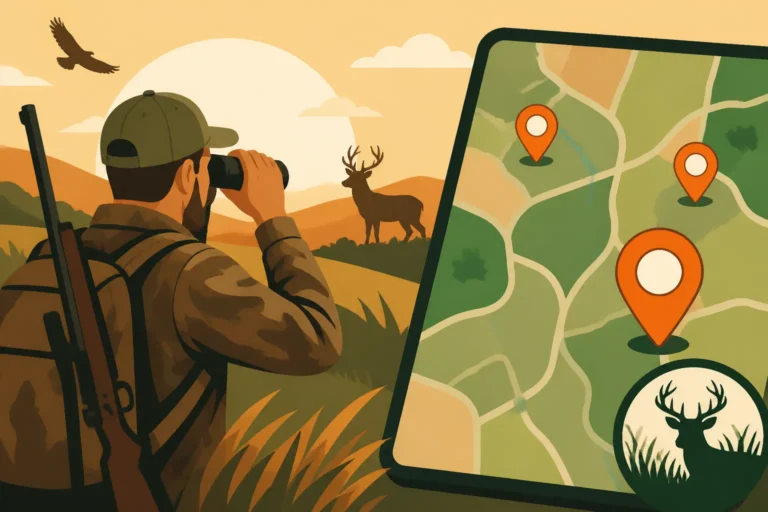
When you're out on the prairie, a reliable navigation tool is non-negotiable. Forget hoping your phone has service; download maps offline or use a dedicated GPS unit. Apps like GoHunt's mapping features or OnX Hunt are incredibly valuable for showing property boundaries, identifying public vs. private land, and marking your location. This is absolutely critical in open country where landmarks can be few and far between, and walking onto private land without permission is a serious offense. Always be aware of Nebraska's Posted-Land and Trespass Rules. Pay close attention to corner crossing rules, which can be a point of contention in western states, though often less of an issue in Nebraska's more open range where direct access to public ground is clearer. Always, always verify land ownership and access before you cross a fence or enter a pasture.
Essential Gear and Optics for Open Country Grouse Hunting
Hunting prairie grouse is a physically demanding endeavor that often takes you far from the beaten path. Having the right gear isn't just about comfort; it's about safety and effectiveness.
Shotguns, Loads, and Choke Selection
For prairie grouse, a 12-gauge or 20-gauge shotgun is typically the tool of choice. Given the sheer amount of walking you'll do, many hunters prefer a lighter 20-gauge to reduce fatigue. However, a 12-gauge offers a bit more punch and pattern density, which can be advantageous on those longer flushing prairie chickens. A reliable over-and-under, side-by-side, or semi-automatic shotgun that you can carry comfortably for miles is key.
When it comes to shot size, many grouse hunters opt for 5s or 6s. These larger shot sizes retain energy better over longer distances, which is crucial when birds flush wild or you're trying to reach a high-flying prairie chicken. You might use 7.5s or 8s for early-season sharptails if they're holding tight, but generally, heavier loads are preferred for the often longer shots. Remember that some Wildlife Management Areas (WMAs) and federal lands require nontoxic shot, so always check the specific regulations for the area you plan to hunt. It's easy to get caught off guard with this rule, so prepare ahead of time by stocking up on steel, bismuth, or tungsten loads if needed.
For choke selection, a modified choke is a popular all-around choice. It offers a good balance of pattern density and spread, suitable for both close-flushing sharptails and longer-range prairie chickens. If you're hunting with a good pointing dog and expect tighter flushes, an improved cylinder in the first barrel (and perhaps modified in the second for a double-barrel) can be effective. Conversely, if you anticipate very wild flushes or are primarily targeting prairie chickens, a full choke might be considered, though it can make quick snap shots challenging.
Clothing, Footwear, and Hydration
The Nebraska prairie is known for its dramatic weather swings. A mild autumn morning can quickly turn into a windy, chilly afternoon, or a scorching midday can give way to a sudden thunderstorm. Layering is your best friend. Start with a moisture-wicking base layer, add an insulating mid-layer (fleece or down), and top it with a durable, wind-blocking, and water-resistant outer shell. This allows you to adjust to changing conditions throughout the day. Don't forget a good hat for sun protection or warmth.
Blaze orange is mandatory during Nebraska’s firearm deer season (which overlaps with some upland seasons) and is highly recommended at all times for safety. Nebraska's 400-square-inch orange rule means you need a visible amount, often a vest or substantial cap, to be safely seen by other hunters.
Your footwear will make or break your hunt. You'll be walking miles over uneven, sometimes sandy, sometimes prickly terrain. Invest in comfortable, supportive, and well-broken-in hunting boots with good ankle support. Waterproofing is a bonus, especially if you encounter wet draws or morning dew. Muck boots or similar can be good for wet areas, but for extensive dry walking, a sturdy leather or synthetic boot is generally preferred. Bring extra socks!
Finally, and perhaps most critically, hydration. The open prairie offers little shade, and even on cooler days, walking for hours can lead to dehydration. Carry plenty of water, whether in a backpack with a hydration bladder or multiple bottles. This is especially important if you're hunting with a dog, as they can overheat quickly. Remember to account for the Water and Heat Risk for Bird Dogs, making sure you have enough for both of you.
Optics and Navigation Tools
While grouse hunting is primarily a walking game, optics can be surprisingly useful. A good pair of binoculars, like 10×42 or 12×50, can help you scan distant hillsides for birds, identify potential habitat features, or even spot other hunters from afar. They save you from walking into unproductive areas and help confirm what that distant speck might be.
As mentioned before, a reliable GPS unit or a robust smartphone mapping app (like GoHunt, onX, or others that allow offline map downloads) is absolutely indispensable. You'll use it constantly to confirm your location, track your progress, navigate to specific points of interest (like that plum thicket you scouted), and most importantly, stay on public or permitted land. Learn to use it proficiently before you step afield. Always carry a power bank to recharge your phone, as GPS use drains batteries quickly. As a backup, a traditional compass and paper map are always a good idea, as electronics can fail. Being lost on the expansive prairie is no joke.
Scouting and Planning Your Nebraska Grouse Hunt
The secret to success in grouse hunting, perhaps more than any other upland pursuit, lies in meticulous scouting and planning. You can't just show up and expect to stumble into birds; the prairie is too big and the birds too spread out.
Pre-Season Digital and Map Scouting
Before you ever leave your home, you can do a tremendous amount of scouting from your computer. Utilize online mapping tools with satellite imagery (like Google Earth, GoHunt, or onX) to pour over potential hunting areas. Look for:
- Habitat Diversity: Identify areas with the right mix of tall grass, shorter grazing areas, and crucial cover like plum thickets, cedar draws, or small patches of deciduous trees. These transition zones are often key.
- Water Sources: Mark any stock tanks, windmills, or natural wetlands. While not always directly attracting grouse for water, these often indicate areas of greener, more productive vegetation that might hold bugs or seeds.
- Terrain Features: Identify distinct hills, valleys, and contours. These provide natural funnels or sheltered areas where birds might concentrate. Pay attention to how the wind might flow through these features.
- Access Points: Determine legal parking areas, two-track roads, and walk-in access points. Cross-reference these with the Public Access Atlas to ensure you're within designated hunting areas. Using mapping apps to identify Nebraska property lines will prevent any accidental trespass.
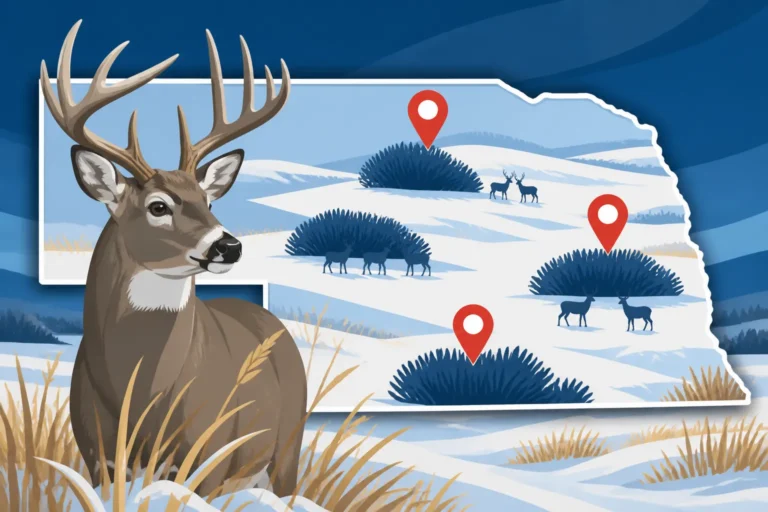
Digital scouting allows you to eliminate vast tracts of unproductive ground and focus your on-the-ground efforts more efficiently. You can drop pins on promising spots and then use your GPS or phone app to navigate directly to them later.
On-the-Ground Reconnaissance
Nothing beats putting boots on the ground, or at least tires on a two-track. Once you’ve identified promising areas from your digital scouting, it’s time to see them in person. This might mean a dedicated scouting trip before the season opens.
- Drive Remote Roads: Many public areas, particularly in the Sandhills, have networks of unpaved, often sandy, two-track roads. Drive these slowly, stopping frequently to glass the surrounding landscape. Look for signs of grouse, such as feathers, droppings, or dusting bowls (shallow depressions where birds dust themselves). Note areas where the habitat looks particularly rich.
- Listen for Calls: While the spectacular booming of prairie chickens happens primarily on their lekking grounds in the spring, you might still hear some clucking or cackling from sharptails, especially around dawn or dusk. It’s a good sign that birds are in the vicinity.
- Observe Pasture Conditions: Pay attention to grazing pressure. Heavily grazed pastures might offer less cover for grouse, pushing them to areas with taller grass. Fresh growth around water sources can be a hot spot.
- Talk to Locals: Ranchers, landowners, or even folks at the local co-op can sometimes offer invaluable insights into bird movements or particularly good areas, if you approach them with respect.
Remember, the prairie is a living, breathing ecosystem. What looks good on a map might be dry and devoid of birds in person, and vice-versa. On-the-ground scouting helps you connect the dots.
Weather and Wind Considerations
Weather, especially wind, is a huge factor when hunting prairie grouse. Nebraska is famous for its relentless winds, and they can significantly impact bird behavior and your hunting strategy.
- Wind Direction and Flushes: Birds will almost always flush into the wind. Use this to your advantage. If you can approach an area with the wind at your back, you're more likely to have birds flush away from you, offering better shooting opportunities. Conversely, if you're working into the wind, birds might flush wildly and quickly turn away.
- Holding Tight: On very windy days, especially with colder temperatures, grouse tend to hold tighter in cover to escape the elements. This can be great for hunters with dogs, as it increases the chances of a solid point. However, it also means you might have to work harder to kick them out.
- Dog Performance: Wind affects scenting conditions for your dog. A steady breeze can carry scent well, but swirling, gusty winds can make it incredibly difficult for a dog to lock onto a bird. Always keep the wind in mind for your dog's safety and effectiveness.
- Temperature: Early season hunts in September can be quite warm, posing a serious risk of overheating for your dog and yourself. Conversely, late-season hunts can be bitterly cold and windy, requiring much heavier clothing and careful planning to stay warm and safe. Understand how Hunting Grouse in September Heat differs from a hunt in late October or November.
Always check the forecast meticulously and plan your hunt accordingly, perhaps even altering your chosen hunting area or delaying your start time based on the conditions.
Effective Hunting Methods for Prairie Grouse
The sprawling nature of the Nebraska prairie means that most grouse hunting is a walk-up affair, but there are nuances and specific tactics that can greatly improve your odds. Whether you hunt with a dog or prefer to walk them up yourself, having a plan is essential.
Walking for Birds With or Without a Dog
This is the quintessential prairie grouse hunting method: covering ground, one foot in front of the other, systematically working through promising cover.
- With a Dog: A well-trained bird dog is an invaluable asset on the prairie. Dogs cover far more ground than a human, scent out birds that you would walk past, and, crucially, retrieve downed birds in thick cover that can be incredibly difficult to find otherwise. Work your dog into the wind, allowing them to pick up scent. Let them range, but keep them within a reasonable distance, especially if they are prone to chasing. Focus on areas with good cover like plum thickets, draws, and transitions between different grass heights. Watch your dog's body language; a sudden change in demeanor often indicates scent.
- Without a Dog: It's absolutely possible to hunt grouse without a dog, but it requires a different approach. You'll need to walk slower, more deliberately, and pay even closer attention to cover. Focus on thoroughly working smaller, distinct cover patches like isolated plum thickets or the edges of dense draws. Pause frequently; sometimes, a pause in your steps will unnerve birds and cause them to flush. Walk in a zigzag pattern to cover ground more effectively and surprise birds. Be prepared to mark precisely where a bird goes down, as finding a downed grouse in vast grass without a dog can be incredibly frustrating.
- Reading the Cover: Whether solo or with a dog, learn to "read" the cover. Birds won't be everywhere. They'll be where there's food, water, and shelter. Look for edges where short grass meets tall grass, the sunny side of a hill on a cold day, or the sheltered side of a draw on a windy day. Pay extra attention to any brushy cover, as it's a favorite hiding spot. When you're thinking about how many hunters a Nebraska quarter section holds, remember that these birds can be quite spread out, so giving each hunter ample room is key to success and safety.
Blocking and Driving Small Draws or Coverts
For hunters with a group, a "block and drive" strategy can be incredibly effective, especially for flushing birds out of dense cover or off a distinct topographical feature. This method is particularly useful for smaller patches of timber, plum thickets, or deep draws where birds might hold tight.
- The Setup: One or two hunters (the "blockers") position themselves quietly at the downwind end of a draw or cover patch. Their role is to intercept birds pushed out by the drivers. The remaining hunters (the "drivers") then walk through the cover, pushing birds towards the blockers.
- Communication is Key: Use radios or hand signals to ensure everyone knows their position and when to start moving. Safety is paramount; everyone must know where others are at all times and adhere strictly to shooting lanes.
- The Drive: Drivers should walk steadily, making enough noise to encourage birds to flush forward but not so much that they flush wildly out the sides. Work through the cover thoroughly, paying attention to areas where birds might sneak out the back or sides.
- The Block: Blockers need to be alert and ready for fast-flying birds. They should be positioned for clear, safe shots, ideally with a backdrop that prevents any pellets from traveling too far. Often, birds will flush high as they leave the cover, offering a good shot presentation. This is a tactic that requires practice and good teamwork, similar to how you might approach a Deer Drives on Small Nebraska Timber.
Understanding the Flush and Shot Placement
The flush of a prairie grouse can be exhilarating and disorienting. Sharptails often erupt in a flurry of wings and cackles, while prairie chickens might burst out with powerful, fast flight after a long run.
- Fast, Decisive Shooting: These aren't slow-moving targets. You need to be ready to mount your gun quickly, swing smoothly, and pull the trigger. Practice your lead, especially on quartering-away shots.
- Shot Placement: Aim for the front half of the bird to ensure a clean, ethical kill. A bird hit in the rear might be wounded and fly off, making retrieval much more difficult, especially without a dog.
- Second Birds: In a covey flush of sharptails, don't focus solely on the first bird. If you miss, be ready for a second shot, or identify another bird in the covey for a follow-up. This is where a double-barrel shotgun shines.
- Mark Your Bird: When you shoot, keep your eyes on the bird until it hits the ground. Note a landmark (tree, bush, change in terrain) nearby. Even with a dog, marking is essential, as these birds can be incredibly hard to find in the dense grass. If you’re hunting without a dog, this becomes a critical step. If you lose sight of it, walk directly to where you last saw it, then begin a systematic grid search of the area.
Field Care and Regulations for Nebraska Grouse
Harvesting a prairie grouse is a moment to savor, but the work isn't over. Proper field care ensures your birds are delicious, and understanding regulations keeps you legal.
Proper Field Dressing and Cooling
Especially during the early part of the season in September or early October, temperatures on the prairie can be surprisingly warm. Heat is the enemy of game meat, and proper field care is crucial to prevent spoilage.
- Cool Quickly: As soon as a bird is retrieved, get it out of direct sunlight. If you're carrying a game vest with a mesh back, that's often sufficient. For longer hunts in warm weather, consider carrying a small game bag made of breathable material that allows air circulation.
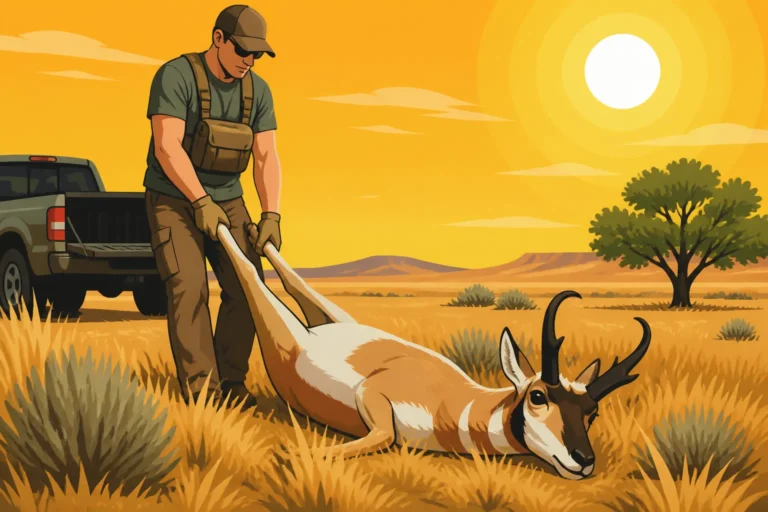
- Gutting vs. Breasting Out: Many upland hunters simply breast out their birds in the field, taking only the breast meat. This reduces weight and helps cool the meat faster. If you plan to take the whole bird, gut it immediately. Remove the entrails, heart, and lungs. This helps the carcass cool down rapidly from the inside out.
- Ventilation: Don't pile birds on top of each other in a warm game bag. Allow air to circulate around them. If you have a cooler back at the vehicle, get them on ice as soon as possible. Game bags for early archery heat are a good reference point for how to manage warm conditions.
Bag Limits, Tagging, and Transport Rules
Nebraska has specific regulations for prairie grouse that you absolutely must follow. These are in place to ensure sustainable populations for future hunting opportunities.
- Daily Bag Limit: Always check the current year's upland season dates and bag limits from the Nebraska Game and Parks Commission. Typically, there's a daily bag limit for sharptails and prairie chickens, and a separate possession limit (the maximum number of birds you can have on your person or in your vehicle at any given time). These can vary, so consult the official regulations.
- Tagging: Nebraska generally requires you to leave either the head or a fully feathered wing attached to the bird until it reaches your home or a commercial processing facility. This allows game wardens to identify the species and ensure compliance with bag limits. Do not simply breast out birds and put them in a ziploc bag if you're traveling or if regulations require identification.
- HIP Registration: If you're hunting migratory birds in Nebraska (which grouse are not, but it's important to remember for other birds), you'd need to register for the Harvest Information Program (HIP). For grouse, however, your standard Nebraska Habitat Stamp and hunting permit are sufficient. Still, understanding your Nebraska Habitat Stamp Requirement is fundamental for any hunting in the state.
- Transport: When transporting birds, ensure they are properly identified and counted. If you're traveling across state lines, check the regulations of any states you pass through regarding game transport. Generally, processed and packaged meat is easier to transport.
Protecting Your Hunting Dog
Your hunting dog is your partner, and their safety on the prairie is paramount. The open range presents unique challenges for canines.
- Water and Heat Risk: We cannot stress this enough. Even on moderate days, a dog working hard on the prairie can quickly overheat. Carry ample water and offer it frequently. Watch for signs of heat exhaustion: excessive panting, lethargy, bright red gums, or stumbling. If you suspect overheating, get your dog into the shade, pour water on them, and if severe, seek veterinary attention immediately. Have a plan for how to cool a dog down if this happens. Refer to the specific guidance on Water and Heat Risk for Bird Dogs.
- Paw Protection: The prairie can be tough on paws. Sand burs, sharp stubble, and rough terrain can cause cuts and abrasions. Consider protective dog boots, especially for dogs with sensitive paws or on extended hunts. Inspect your dog's paws frequently for cuts or embedded burs. Carry a small first-aid kit for your dog.
- Snake Bites: While less common in the open Sandhills than in some other habitats, rattlesnakes are present in Nebraska. Be aware of your surroundings, especially around rocky outcrops or dense brush. If your dog is bitten, seek veterinary care immediately.
- Rest and Nutrition: Don't overwork your dog. Schedule breaks, especially in warm weather. Ensure they are well-fed with high-quality dog food to fuel their incredible energy output. A tired, dehydrated dog is more prone to injury and less effective.
Challenges and Rewards of Hunting Nebraska's Open Range
Hunting prairie grouse on Nebraska's open range is not for the faint of heart. It presents significant challenges, but the rewards are equally profound, offering an experience deeply connected to the land and the wildness of these incredible birds.
The Physical Demands and Mental Grit
Let's be real: prairie grouse hunting is hard work. You're going to walk, and you're going to walk a lot. The undulating terrain of the Sandhills, the long distances between cover, and the sheer effort of busting through thickets will test your physical endurance. Expect to cover five, ten, or even fifteen miles in a day. It's a fantastic workout, but it demands a good level of physical fitness.
Beyond the physical, there's a significant mental component. You will face dry spells where you walk for hours without seeing a feather. You will likely miss easy shots, and you'll probably lose a bird or two that seemed to drop in a specific spot but vanished into the tall grass. It can be incredibly frustrating. The mental grit comes from pushing through these challenges, maintaining a positive attitude, trusting your scouting, and continuing to work. The satisfaction of finally finding a covey, making a clean shot, and holding that beautiful bird in your hand after miles of effort is a reward that few other hunts can match. It truly feels earned.
Unpredictable Nature and Wildness
There's an undeniable wildness to the Nebraska prairie that is both beautiful and humbling. The weather can change on a dime, going from calm to gale-force winds in minutes. A clear sky can turn into a sudden downpour or even hail. This unpredictability means you always need to be prepared, with proper gear and a flexible plan.
The birds themselves embody this wildness. They are not managed like pen-raised pheasants. They are truly wild, responding to the subtle cues of their environment, and their movements can be as unpredictable as the prairie wind. One day they might hold tight in a plum thicket, the next they're flushing 100 yards out in the open grass. This unpredictability is what makes the hunt so engaging. It forces you to adapt, to observe, and to think like a bird. You are immersing yourself in an ecosystem where nature still holds sway, and that's a powerful experience. It's about more than just pulling a trigger; it's about being present in a vast, untamed landscape.
Conservation and the Future of Grouse Hunting
Every time you buy a hunting permit or a Nebraska Habitat Stamp, you're directly contributing to the conservation of these magnificent birds and their habitat. Hunter dollars are the primary funding mechanism for wildlife management agencies, allowing them to acquire and manage public lands, conduct research, and implement habitat improvement projects. Without hunters, many of these vital efforts simply wouldn't exist.
The future of prairie grouse hunting in Nebraska depends on continued dedication to habitat preservation. As a hunter, you become a steward of this landscape. By adhering to regulations, practicing ethical hunting, and supporting conservation organizations, you play a direct role in ensuring that future generations will also have the opportunity to experience the unique thrill of working sharptails and prairie chickens on foot across Nebraska's iconic open range. It's a legacy we all share in protecting.
Disclaimer
Hunting and outdoor activities inherently involve risks, including but not limited to those associated with wildlife, terrain, weather, and the use of firearms. Always prioritize safety, adhere to all local, state, and federal regulations, and obtain appropriate licenses and permits. The information provided in this guide is for informational purposes only and should not replace professional instruction, official regulations, or personal judgment. Always be prepared, inform others of your plans, and know your limitations.