Nebraska Pheasant Opener Crowds
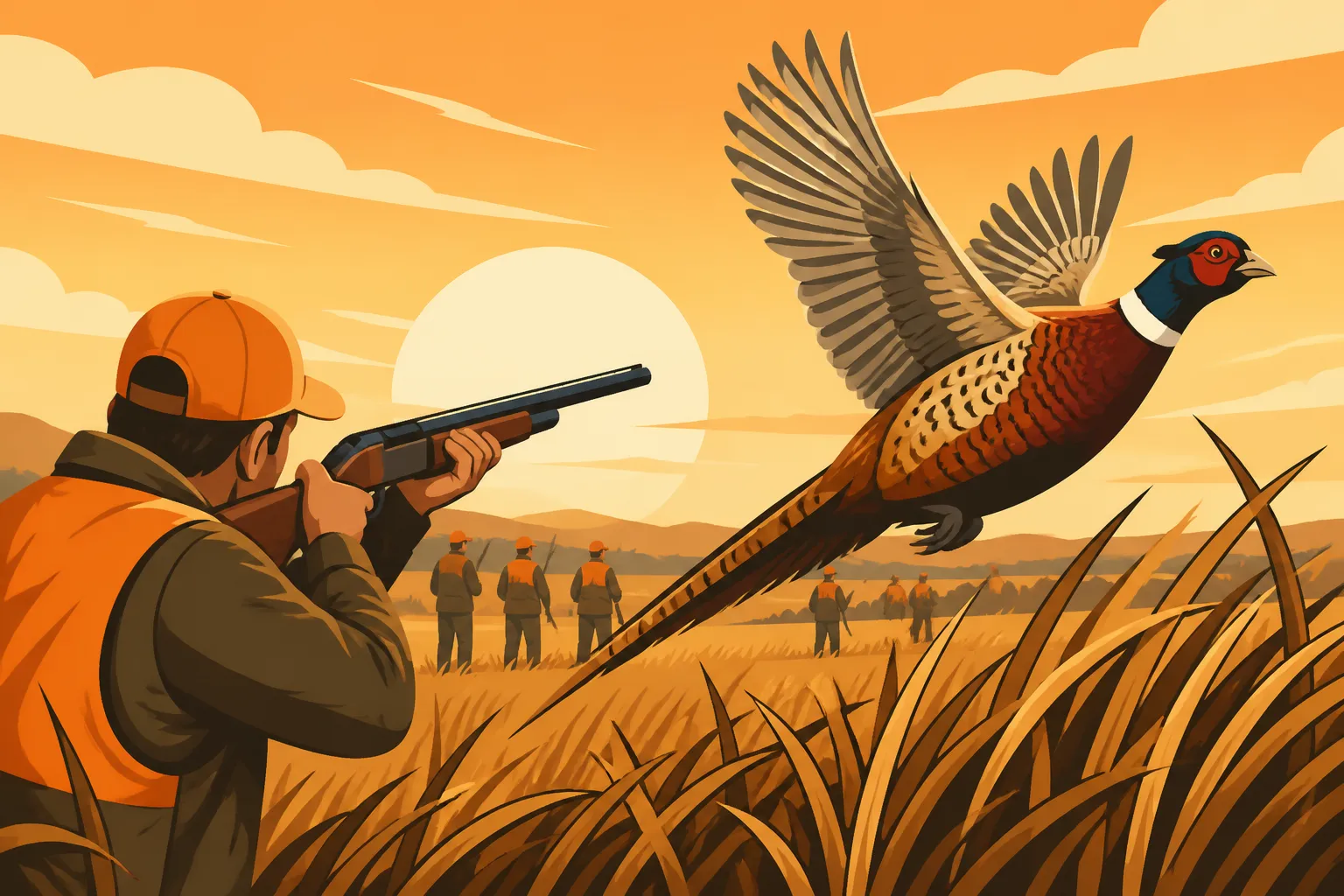
You've been dreaming of Nebraska's pheasant opener for months, visualizing those explosive flushes and the satisfying heft of a limit in your vest. But let's be real: come opening weekend, the reality for many public land hunters is less about solitude and more about sharing the field with what feels like half the state. This guide is all about tackling those inevitable opening weekend crowds head-on and still finding success.
Understanding the Phenomenon of Opening Day Crowds
It’s no secret that the first day of pheasant season in Nebraska is a magnet for hunters. We all love the tradition, the camaraderie, and the sheer excitement of getting back into the field. But this collective enthusiasm creates a unique set of challenges, especially on public access areas.
Why Everyone Goes at Once
Think about it: after a long off-season, everyone is itching to hit the field. The opening date is widely publicized, deeply ingrained in the hunting calendar, and for many, it's a long-standing tradition. Families plan trips, friends gather, and for those who might only hunt a few times a year, the pheasant opener is the event. Public land, especially well-known Wildlife Management Areas (WMAs) and popular tracts within the Nebraska's Open Fields and Waters Program, are often perceived as easy access points, which further concentrates hunter numbers. The sheer convenience of rolling up to a clearly marked public parcel means less hassle than seeking private land permission, making these spots incredibly attractive.
What you often see is a parade of trucks lining access roads, hunters pouring into fields right at legal shooting light, and a buzz of activity that, while exciting, can quickly put a damper on your hunting experience if you're looking for quiet coverts. This isn't just a Nebraska thing, of course, but given the strong pheasant tradition here, it's particularly noticeable. Everyone wants to be part of that initial rush, hoping to catch birds before they've been educated by pressure.
The Impact on Pheasant Behavior
Pheasants are smart birds, and they learn quickly. By midday on opening day, birds that were holding tight in cover earlier will have already adjusted their behavior dramatically. The constant crunch of boots, the sound of dog bells, and the occasional gunshots quickly teach them to run, flush wild, or seek refuge in the densest, nastiest cover they can find. What might have been an easy walk-up shot at 20 yards at 8 AM could become a 60-yard rocket flush by 11 AM.
This pressure changes how and where pheasants use the habitat. They'll abandon easy-to-access edges and move deep into cattail sloughs, thick cedar draws, or even across property lines if adjacent cover is less disturbed. This "education" means that simply walking a field in a straight line, as you might on a quiet weekday, becomes far less effective. You're no longer just hunting pheasants; you're hunting pheasants that have just survived a gauntlet of human and canine predators. Understanding this shift is critical to adapting your strategy and avoiding frustration.
Strategies for Navigating Crowded Public Land
So, with all those folks out there, what’s a dedicated bird hunter to do? Giving up isn't an option, but neither is walking in lockstep with a dozen other groups. The key is to be smarter, more patient, and willing to work harder than the average opening day hunter.
Going Where Others Won't
This might sound simple, but it's probably the most effective strategy. Most hunters stick to the easiest access points and the most obvious cover. They'll park at the main entrance to a WMA and walk the first hundred yards of grass or corn stubble. Your job is to go beyond that. If you're willing to walk an extra quarter-mile or even a half-mile past where most people turn back, you'll often find birds that haven't been pressured as heavily. Don't be afraid to cross that creek or push through that thorny patch of multiflora rose.
Consider areas that are less convenient to access. Maybe there's a sliver of public land only reachable via a county road with limited parking, or a parcel that requires a slightly longer hike across open ground before you even reach prime pheasant cover. These spots, precisely because they demand more effort, deter casual hunters. If you have the conditioning and the right gear, these are often the places where you can still experience some quality hunting, even on opening weekend. Don't underestimate the power of a good pair of boots and a willingness to put in the miles; it truly makes a difference in finding those unmolested birds.
Timing Your Hunts Wisely
Another often-overlooked strategy is to adjust your hunting times. Everyone wants to be out at dawn, and for good reason—birds are typically more active and less wary. But this also means the fields are at their most crowded during the first few hours. Instead of fighting the morning rush, consider waiting until later in the day. By mid-morning, many of the early birds (both human and avian) have packed it in. The initial frenzy has passed, and some of the pressure has dissipated.
Hunting from late morning through the afternoon, or even focusing on the last couple of hours before sunset, can be incredibly productive. Birds that have been pushed around all morning might settle back into cover, looking for a quiet spot to rest. As the sun dips, pheasants often move back towards roosting areas, making them more predictable and vulnerable to an ambush, especially if you've scouted their patterns beforehand. This is particularly true if you are Walking Nebraska Pheasant Cover With a Dog, as a well-rested dog in the afternoon can often outperform one that's been run ragged since sun-up. You'll likely encounter far fewer hunters, enjoy a more relaxed pace, and still have ample opportunity to put some birds in the bag.
Finding Solitude: Beyond the Opening Weekend Rush
While opening weekend is a tradition for many, the truth is that some of the best pheasant hunting in Nebraska happens after the initial crowds have dispersed. A little patience and a strategic approach can lead to more birds and a far more enjoyable experience.
The Lure of Weekday Hunting
If your schedule allows, hunting on weekdays is a game-changer. The difference in hunter pressure between a Saturday and a Tuesday, especially on public land, is night and day. Once the opening weekend warrior has gone back to work, the fields open up, and the birds, though still educated, become a bit more forgiving. They haven't had constant pressure, making them more likely to hold for a pointing dog or flush at a reasonable distance.
During the week, you can often enjoy an entire section of cover all to yourself, allowing you to work fields thoroughly and methodically without worrying about other hunters pushing birds your way (or worse, running them off). This is when you can truly appreciate the vastness of Nebraska's landscape and the challenge of finding birds on your own terms. Plus, the later in the season you go, the more the cover changes, often concentrating birds in specific areas, which you can exploit during quieter weekday hunts. Even a walking milo and corn stubble for roosters approach becomes far more effective when you're not competing with other groups.
Exploring Less Obvious Areas
Beyond just the timing, think about the type of public land you're hunting. Everyone piles into the big, well-signed WMAs with obvious parking lots. But Nebraska has a surprising amount of smaller, less conventional public access. These might be small corners of Bureau of Reclamation land, isolated tracts of state school lands, or even lesser-known Open Fields and Waters parcels. The trick is that these areas might not scream "pheasant hunting paradise" at first glance.
You might need to scrutinize the Nebraska Public Access Atlas closely, looking for those little, out-of-the-way pieces that other hunters might overlook. These can be tiny parcels of CRP, a long, narrow strip of cattails along a drainage ditch, or a dense shelterbelt tucked away between private fields. While they might not hold as many birds as a sprawling WMA, the birds they do hold are often less pressured. It often comes down to scouting and a willingness to explore. Using detailed maps, like those available on the GoHunt platform, can help identify these hidden gems. Look for areas with diverse cover, water sources, and proximity to agricultural fields that provide food, as these are all key ingredients for holding pheasants, especially late in the season.
Leveraging Tools and Scouting for Success
In today's hunting world, technology and meticulous pre-season work can give you a significant edge, especially when dealing with crowded conditions. Don't just show up and hope for the best; plan your hunt like a military operation.
Utilizing Mapping Technology
Gone are the days when a paper map and a compass were your only tools. Modern mapping applications, like those found on platforms such as GoHunt, are indispensable for today's pheasant hunter. These apps provide detailed satellite imagery, property boundaries (critical for distinguishing public from private land), and often show specific habitat types. Before you even set foot in the field, you can virtually scout potential hunting areas.
Look for features like dense drainages, unharvested food plots, thick shelterbelts, or even isolated pockets of cattails that might be overlooked. Pay attention to how cover connects different parcels, as pheasants will use these corridors for movement. I personally use GoHunt to identify potential entry points and plan my attack routes, ensuring I maximize my time in productive cover while minimizing walks through barren ground. You can mark waypoints, measure distances, and even see terrain changes that might offer natural funnel points for birds. This level of detail allows you to plan a hunt that avoids the main crowds, targets specific cover, and respects all property lines. This is especially useful when trying to understand How Many Hunters a Nebraska Quarter Section Holds and where to spread out.
Pre-Season Scouting and Planning
Even with the best mapping technology, nothing beats boots on the ground for pre-season scouting. While you can't hunt before the Nebraska Pheasant Season Opening Date, you can certainly drive country roads, binoculars in hand, to identify potential hot spots. Look for areas with good cover, proximity to food sources (corn, milo, wheat stubble), and signs of pheasant activity like tracks, droppings, or even visual sightings. If you see multiple groups of pheasants using a particular field edge or drainage ditch in September, chances are they'll still be there (or close by) when the season opens.
Pay attention to where other hunters are not going. If you see a prime-looking section of CRP that consistently has no trucks parked near it, that's intel. This pre-season work allows you to develop a mental map of where birds might be holding and, more importantly, where hunter pressure might be lighter. Combine this with your mapping app, marking potential spots, and even noting potential refuge areas where birds might retreat once the shooting starts. This thorough preparation, which is essentially Scouting Nebraska Public Ground Before Opening Day, means you're not just reacting to the crowds but proactively planning to avoid them, giving you a significant advantage on opening day.
| Strategy Type | Description | Pros | Cons |
|---|---|---|---|
| Walk Further | Hike beyond common parking areas and immediate cover. | Access to less pressured birds, more solitude. | Requires good physical condition, more time. |
| Hunt Later in Day | Avoid the early morning rush, focus on late morning/afternoon. | Fewer hunters, birds may settle down. | Misses peak morning activity, potentially tired dogs. |
| Weekday Hunts | Hunt Monday-Friday after opening weekend. | Significantly reduced pressure, more enjoyable experience. | Requires flexible schedule, may miss prime early-season conditions. |
| Seek Obscure Areas | Target smaller, less obvious, or harder-to-reach public parcels. | Discover overlooked pockets, unique hunting challenges. | May hold fewer birds, requires more research/scouting, tougher access. |
| Map & App Scouting | Use digital tools (e.g., GoHunt) to identify cover and access points remotely. | Highly efficient planning, boundary awareness, identifies hidden gems. | Requires technology access, can't replace on-the-ground intel completely. |
| Pre-Season Driving | Drive rural roads to observe bird activity and habitat before opening day. | Provides real-time bird location data, identifies current habitat use. | Time-consuming, observations can change with weather/harvest. |
Disclaimer
Please note that hunting regulations, season dates, and access rules can change. Always consult the latest Nebraska Game and Parks Commission regulations before planning any hunt. This guide is for informational purposes only and does not constitute legal advice.