How Many Hunters a Nebraska Quarter Section Holds
Trying to figure out how many hunters you can realistically fit onto a quarter section of land in Nebraska, whether it's public ground or a small private parcel, can be a real head-scratcher. It’s not just about the acreage; it’s about safety, ethical hunting, and making sure everyone has a quality experience without feeling crowded or, worse, being unsafe. This guide will walk you through the nuances of assessing a quarter section, helping you determine a sensible number of hunters for various game, balancing enjoyment with responsible land use.
Understanding the Quarter Section Landscape in Nebraska
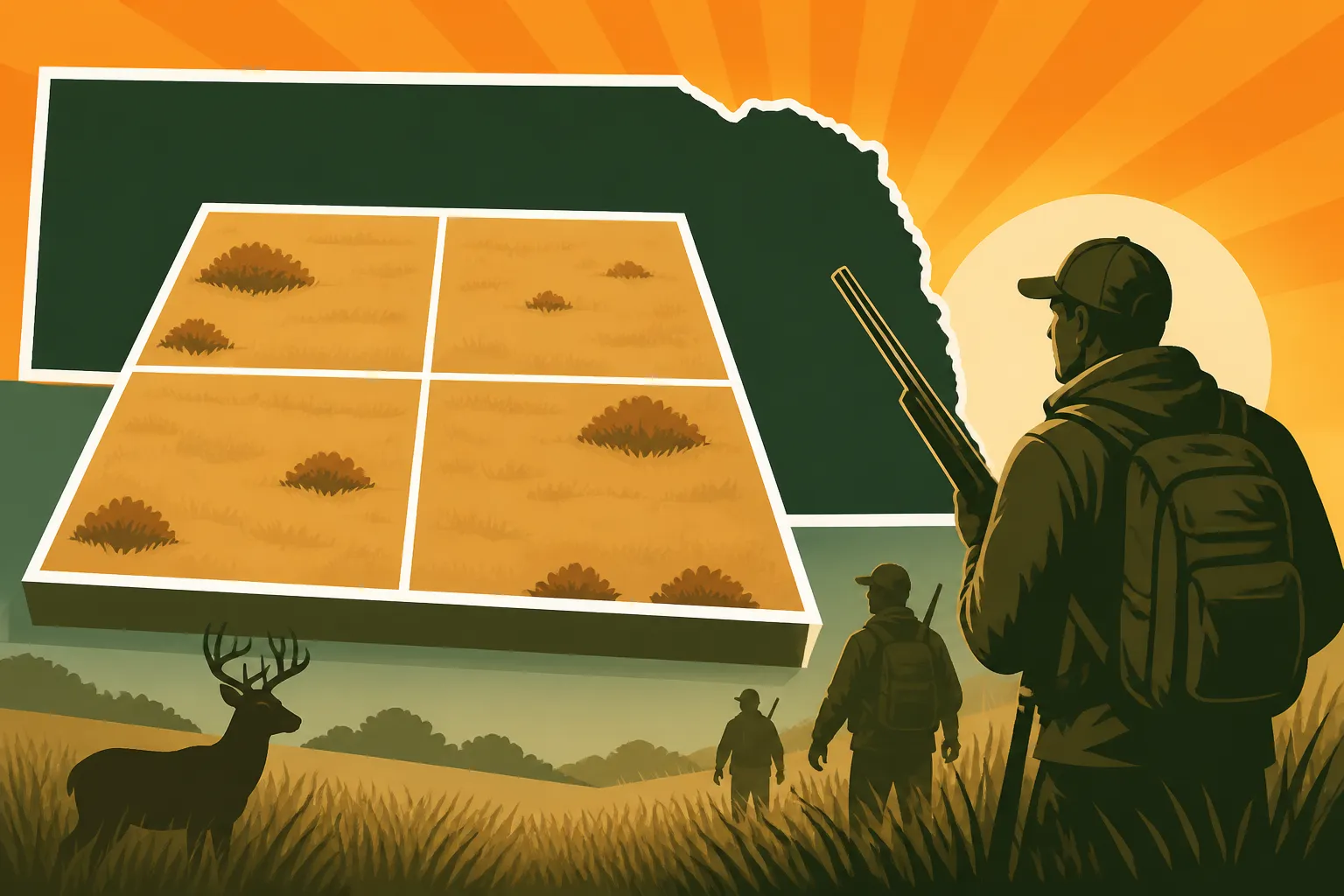
Before you even begin to think about how many people can hunt a 160-acre parcel, it's crucial to understand what that actually means in the Nebraska hunting context. A quarter section is, by definition, 160 acres, typically measuring a half-mile by a half-mile. But trust me, 160 acres in the Sandhills is a world away from 160 acres of timbered river bottom or row crop in eastern Nebraska. The land itself dictates so much.
Topography and Cover Influence
The physical characteristics of a quarter section profoundly impact its capacity for hunters. Imagine a perfectly flat 160-acre corn stubble field; your sightlines are long, but cover is minimal. Now picture 160 acres of rolling Sandhills with deep canyons and thick stands of yucca and cedar, or a dense river-bottom with mature cottonwoods and tangles of brush. These vastly different landscapes will hold game differently and require entirely different hunting strategies, directly influencing how many hunters can safely and effectively work the ground.
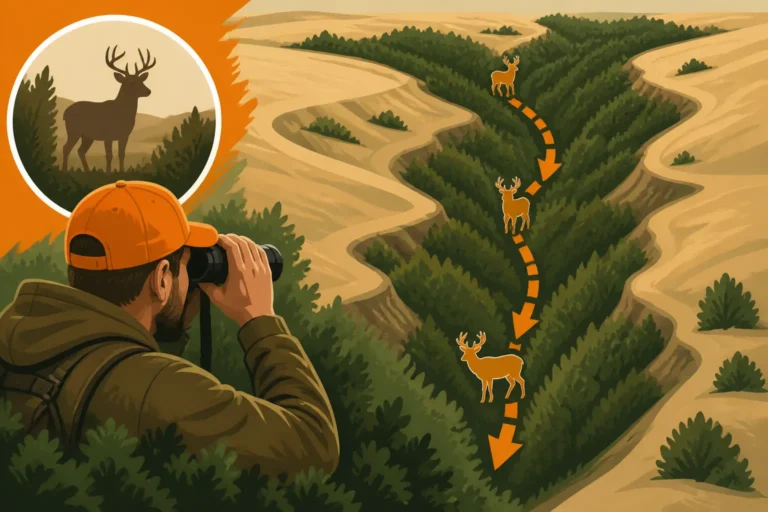
Dense cover, like a thick cattail slough or a shelterbelt, might hold a lot of pheasants but can also limit visibility and create tight quarters for hunters. What looks like a large area on a map can feel surprisingly small when you're navigating dense undergrowth. Conversely, open country, while offering expansive views, can concentrate game in specific features like plum thickets or creek drainages, and it certainly dictates long shooting lanes, which in turn impacts how many hunters can safely operate. The more varied the topography and cover, the more complex it becomes to manage multiple hunters. If you're Still-Hunting Nebraska Cedar Draws, the narrow confines and dense foliage naturally limit the number of individuals who can move through undetected without bumping game or getting too close to another hunter.
Game Species and Hunter Needs
The type of game you're pursuing also plays a massive role in how many hunters a quarter section can accommodate. Deer hunting, especially with archery equipment, often demands stealth, quiet movement, and precise stand placement based on wind direction and deer trails. You might have several prime stand locations on a 160-acre timber patch, but if hunters are constantly bumping into each other or crossing paths, the quality of the hunt diminishes rapidly. A successful deer hunter needs space to move, set up, and let the deer feel unpressured. If you’re trying to choose a stand location, check out tips for Choosing a Treestand Site on Nebraska Farmland, which can help you understand the dynamics of placing multiple hunters.
Upland bird hunting, on the other hand, often involves walking in lines, with dogs working cover ahead, requiring clear shooting lanes. If you have too many hunters in a field, those lanes become dangerous criss-crossing zones. Waterfowl hunting, particularly setting up a goose spread in a harvested cornfield, requires significant space for decoys and layout blinds, often limiting the number of truly effective setups on a smaller parcel. Each game species comes with its own set of spatial and safety requirements that must be respected.
Safety First: Calculating Hunter Capacity
Safety isn't just a suggestion; it's the absolute bedrock of any hunting trip. On a smaller piece of land like a quarter section, overcrowding can quickly turn a good day into a dangerous situation. Nobody wants to be the one who causes an accident or feels constantly on edge because of other hunters.
Safe Shooting Zones and Spacing
Every hunter should be acutely aware of their "cone of fire"—the area where their projectile could safely travel without hitting another person, animal, or property. On a quarter section, especially for firearm hunting, these cones can easily overlap if hunters aren't properly spaced and communicating. For instance, when walking a field for pheasants, a general rule of thumb is to maintain enough distance that you can see your fellow hunters on either side and know exactly where they are at all times. This might mean 30-50 yards between hunters, depending on the cover and terrain. A group of four or five hunters walking abreast in a straight line can quickly cover a quarter section effectively while maintaining safe distances.
For deer hunting, whether from a stand or blind, it's less about walking abreast and more about understanding potential shot angles and deer movement. If two hunters are set up on opposite sides of a timbered draw, their safe shooting lanes must not intersect. Always use a rangefinder, know your target, and what's beyond it. Pre-hunt discussions are paramount here; mapping out designated shooting zones and fallback positions can prevent close calls.
Recommended Hunter Spacing Guidelines for a Nebraska Quarter Section
| Hunting Activity | Recommended Hunters Per 160 Acres | Minimum Spacing Between Hunters | Key Considerations |
|---|---|---|---|
| Archery Deer Hunting | 2-4 hunters | 75-150 yards (depending on cover) | Stealth, wind, stand placement, minimal interference. |
| Firearm Deer Hunting | 1-3 hunters | 100-200 yards (depending on cover) | Wider safety margins, sound travel, reduced pressure. |
| Upland Bird (Walk-Up) | 3-5 hunters | 30-50 yards (in a line) | Clear shooting lanes, dog work, communication. |
| Upland Bird (Blocking) | 4-8 hunters (2-3 blockers, 2-5 pushers) | Varies, close communication | Coordinated effort, designated roles, absolute safety. |
| Waterfowl (Field) | 2-4 hunters | 50-100 yards (per blind setup) | Decoy spread space, calling, concealment needs. |
Note: These are general guidelines. Actual capacity depends heavily on terrain, cover density, game numbers, and hunter experience/discipline.
Ethical Considerations and Hunter Experience
Beyond safety, there are ethical and experiential considerations. We all go afield for the peace, the challenge, and the connection to nature. An overcrowded quarter section can quickly destroy that. Imagine finally getting a perfect setup for an antlerless deer during the Late-Season Antlerless Hunting in Nebraska only to have another hunter walk through your area without warning. It's frustrating and disrespectful.
An ethical hunter respects the land, the game, and fellow hunters. Over-pressuring a small piece of ground can make game go nocturnal or simply move off the property entirely, ruining the hunting for everyone. The quality of the experience often trumps the sheer number of animals harvested, and that quality is severely impacted by too many boots on the ground. A “quality over quantity” mindset ensures that each hunt is enjoyable and productive, rather than a desperate scramble for limited resources. Using tools like GoHunt, you can often get a better idea of land boundaries and features, helping in the pre-hunt planning to avoid such conflicts.
Practical Scenarios and Recommendations
Let's dive into some specific hunting scenarios you might encounter on a Nebraska quarter section and how hunter numbers shake out. It's rarely a one-size-fits-all answer, but understanding the nuances can help you make informed decisions.
Deer Hunting on a Quarter Section
When it comes to deer, the hunting method drastically changes the capacity. For archery hunting, because of the shorter range of equipment and the general stealth involved, you can often place more hunters than during firearm season. Two to three bowhunters strategically placed on 160 acres of varied timber or brushy draws might work well, especially if they understand wind direction on open Nebraska prairie stands and have planned their entry and exit routes meticulously. They can often hunt without significantly impacting each other, provided they're mindful of each other's zones. A well-placed Ground Blinds in Open Nebraska Country might be less intrusive than a noisy treestand setup.
Firearm hunting for deer demands wider safety margins. A rifle shot travels much further than an arrow, requiring longer distances between hunters. On a 160-acre parcel, particularly if it's open ground, one or perhaps two firearm hunters might be the maximum safe number. If you're doing a small-scale deer drive, which can be effective on limited timber, remember that coordinating movements and having clear shooting lanes are paramount. Articles like Two-Person Deer Drives on Small Nebraska Timber delve into the complexities of even minimal drives on limited acreage, highlighting the need for communication and defined roles. During the overlap of archery season with the firearm season, remember the Orange Requirements for Archers in November which also dictates visibility.
Upland Bird Hunting on a Quarter Section
Upland birds like pheasants, quail, or grouse are often hunted by walking, sometimes with dogs. A quarter section can be quite productive for a small group of bird hunters. If the cover allows for it, a line of 3-5 hunters walking abreast, maintaining safe shooting distances and communicating frequently, can effectively work a 160-acre field of milo stubble or CRP. The presence of good bird dogs allows for more efficient cover work, meaning fewer hunters might be needed to cover the same amount of ground effectively. For example, Walking Milo and Corn Stubble for Pheasants is a classic Nebraska tactic, and 3-4 hunters can make quick work of a quarter section.
If you're considering a blocking and driving strategy, the number of hunters can increase slightly, as some hunters act as blockers at one end of the field while others push the cover. However, this requires immense coordination and trust. Blocking and Driving a Nebraska Field requires precise planning to ensure that blockers are in safe positions and pushers maintain their lines. Without it, safety risks skyrocket. For very dense cover, like cattail sloughs, you might have fewer hunters due to restricted visibility and movement, but the birds might be concentrated, offering quality shooting.
Waterfowl Hunting on a Quarter Section
Waterfowl hunting on a quarter section is a bit different, as it's often dictated by specific, prime locations rather than covering the entire acreage. A 160-acre field might only have one or two ideal spots for a layout blind setup, perhaps near a small pothole or in a particular corner where geese are known to feed. These spots become pinch points.
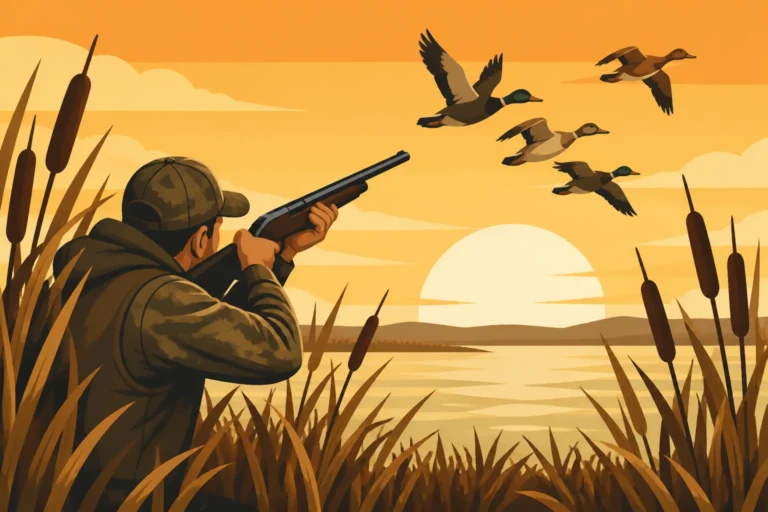
For field hunting geese, a large spread of decoys takes up considerable space, and hunters need to be concealed within or on the edge of that spread. This means one group of 2-4 hunters might utilize an entire quarter section if they have a large spread like those discussed in Setting a Goose Spread in Harvested Corn. In the Rainwater Basin, where water is the draw, suitable wetland features on a quarter section might only accommodate one or two well-camouflaged blind setups. You're often limited by the available water or preferred feeding/roosting sites rather than the overall acreage. The complexities of Decoy Spreads for Rainwater Basin Geese means that while the land itself is large, the usable hunting area might be quite small.
Maximizing Efficiency and Enjoyment
Ultimately, getting the most out of a Nebraska quarter section, regardless of the game, comes down to smart planning, clear communication, and a respect for the land and your fellow hunters. It's not about cramming as many people as possible into 160 acres; it's about optimizing the experience.
Communication and Planning
This cannot be stressed enough. Before you even set foot on the property, gather your hunting party and have a detailed discussion. Look at aerial maps (tools like GoHunt or OnX are invaluable for this), identify potential game movement patterns, and mark out intended stand locations, walking lanes, and safe shooting zones. Talk about entry and exit routes, especially on private land or during early mornings and late evenings. Discuss contingency plans in case someone gets separated or a piece of game needs tracking. It's a team effort, and open communication prevents misunderstandings and potential dangers. This is an extension of effective Scouting Nebraska Public Ground Before Opening Day, where you visualize how to work the land.
Assigning roles during a bird hunt or deer drive can be incredibly helpful. Who is pushing? Who is blocking? What are the boundaries? What is the signal to start or stop? These seem like minor details, but they are critical for safety and success on a smaller parcel.
Rotational Hunting and Spacing Pressure
Even if a quarter section could safely hold several hunters, it might not be wise to hunt it heavily every day. Constant pressure can quickly turn game nocturnal or push them off the property. Consider a rotational hunting strategy: hunt one area intensely for a day, then let it rest for a day or two while you explore another part of the property or a different nearby parcel. This reduces pressure on the game and can lead to better success rates in the long run.
If you only have access to a single quarter section, consider staggering your hunting times. One hunter could hunt the morning, another the evening, or alternate days. This gives the land and the animals a chance to settle down and makes the hunting feel less pressured. Remember, deer especially are sensitive to human disturbance, and even one hunter's presence can alter their movement patterns for hours. Thinking about the overall impact on game density and movement helps ensure the quarter section remains productive throughout the season.
No matter if you're chasing White-Tailed Deer Across Nebraska or flushing Nebraska's Ring-Necked Pheasant Story, a well-managed quarter section can offer fantastic hunting opportunities, but it requires thought, respect, and a commitment to safety from everyone involved.
Disclaimer
The information provided in this guide is for general informational purposes only and does not constitute legal advice or endorse unsafe hunting practices. Always consult the current Nebraska Game and Parks Commission regulations and local laws before hunting. Hunter safety should always be the top priority.