Hunting Cattail Sloughs Late in the Season
As winter settles over Nebraska, many hunters pack away their gear, but for those who know where to look, some of the most exciting late-season opportunities emerge. The vast, dense cattail sloughs, often overlooked earlier in the year, become absolute magnets for pheasants, deer, and even some waterfowl trying to escape the elements. If you've ever felt frustrated by sparse cover or pressured game in late December or January, this guide will walk you through exactly how to unlock the secrets of hunting these incredible, icy refuges.
Why Cattail Sloughs Are Late-Season Havens
When the brutal Nebraska winter truly sets in, with its biting winds, deep snow, and frigid temperatures, wildlife needs refuge. Open fields that offered food and cover earlier in the season become barren, exposed landscapes. This is precisely when cattail sloughs transform into critical survival zones, drawing in game from miles around. Understanding why these areas are so attractive is the first step to hunting them successfully.
Thermal Cover and Weather Protection
Think about standing exposed in a wide-open field on a sub-zero January day in Nebraska. Now imagine hunkering down in a dense thicket of cattails, standing shoulder-high or taller, swaying just enough to break the wind but remaining largely intact. That’s the difference for wildlife. Cattails, even when dead and brittle, offer an incredible barrier against the elements. Their dense, interwoven stems create microclimates that can be several degrees warmer than the exposed air, and critically, they block the relentless prairie winds that sap an animal's body heat.
Deer will bed down deep within these cattail jungles, sometimes so well hidden you could walk right past them without realizing. Pheasants, especially late-season roosters who have survived weeks of hunting pressure, know instinctively that these sloughs are their best bet for evading the cold and snow. They dive into the dense cover, often refusing to flush until they are practically stepped on, relying on the thermal protection to conserve energy and stay alive.
Persistent Food Sources and Water
While the primary draw might be cover, cattail sloughs often offer persistent food sources or are adjacent to them, completing the survival package. Even in winter, certain aquatic plants can remain relatively palatable, and the edges of sloughs frequently border agricultural fields. These field edges, especially those with standing corn or milo, provide vital waste grain that deer and pheasants will utilize throughout the winter. When the corn is picked, the slough offers security just a few steps away, making it an ideal bedding and feeding transition zone.
Water, too, is often more accessible in these areas. While shallow ponds and rivers might freeze solid, the dense vegetation within a large cattail slough can insulate deeper pockets of water, keeping them open longer into the cold season. This provides a crucial drinking source for deer and a place for waterfowl to rest, even if it's just a small patch of open water within the ice. This combination of shelter, food, and water creates an irresistible magnet for game struggling to make it through the toughest months.
Security and Escape Cover
Beyond thermal comfort and sustenance, cattail sloughs provide an unparalleled sense of security. Their sheer density makes them nearly impenetrable to predators, both four-legged and two-legged. A coyote or a hunter would have an extremely difficult time navigating the thick, tangled growth, giving the game a significant advantage. This is especially true for those wily old roosters that have seen it all. They know exactly how to weave through the cattails, using the labyrinthine structure to evade hunters and dogs alike.
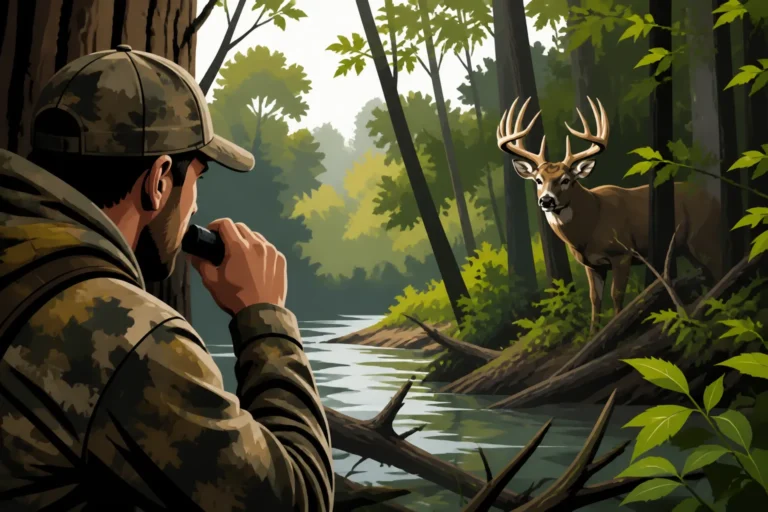
For deer, a large cattail slough can be an escape route. If pressured in an adjacent timber stand or field, they will often plunge headlong into the cattails, disappearing into the maze. Tracking them through such thick cover is a monumental challenge, and they know it. These areas serve as a safe haven where they can bed down, recover from stress, and avoid detection. This makes them challenging to hunt, but incredibly rewarding if you can master the tactics needed to penetrate their defenses.
Reading a Cattail Slough for Productive Hunting
Hunting a vast, seemingly uniform cattail slough can feel like looking for a needle in a haystack. However, just like any other habitat, sloughs have subtle features and patterns that reveal where game is most likely to be found. Learning to "read" these dense covers is paramount to transforming a frustrating slog into a successful hunt.
Identifying Key Entry and Exit Points
Animals don't crash through impenetrable walls of cattails without a reason. They seek out the path of least resistance. These paths are your key entry and exit points. Look for distinct game trails leading from surrounding crop fields, timber blocks, or even other patches of cover directly into the slough. These trails will often be matted down, sometimes showing tracks, and might be located where the cattails are slightly less dense, or where a slight elevation change creates a drier corridor.
Pay close attention to pinch points—places where a slough narrows, or where it runs alongside a fence line, road, or creek bank. These areas funnel animal movement and are prime spots to position a blocker during a drive or to set up for an ambush if you're still-hunting. Over time, you'll notice how deer prefer certain crossings or how pheasants will run along specific edges before flushing. This nuanced understanding comes from careful scouting and observation. Using mapping apps, which can highlight slight topography changes or adjacent cover types, can also give you a significant edge in identifying these crucial travel corridors before you even step foot in the slough.
Locating Elevated Benches and Islands
While cattails thrive in wet conditions, animals, especially deer and often pheasants, prefer to bed and rest on slightly drier ground within the slough. This means looking for subtle elevation changes—what might appear as "benches" or "islands" of higher ground within the marshy expanse. These elevated spots are often drier, providing a more comfortable bedding area away from standing water or damp ground. They also offer a slight advantage in terms of visibility and can be natural collection points for game that has been pushed into the slough.
When scouting, look for any areas where the cattails appear slightly less robust or where other vegetation, like tall grasses or small brush, might be mixed in. These are often indicators of firmer ground. During a hunt, if you're working a slough, these islands are critical areas to focus on. They are hot spots where deer might be bedded down or where a savvy rooster has decided to hold tight, waiting for you to pass by. Approaching these areas cautiously and methodically can often yield the best results.
Sign and Animal Behavior
Even in the late season, game leaves sign, and understanding it can tell you a lot about how a slough is being used. Fresh tracks in mud or snow along the edges, droppings, and even rubs or scrapes on any woody vegetation that might dot the slough, all paint a picture. If the slough borders a cornfield, look for cornstalks that have been broken or chewed on where deer have been feeding on waste grain.
Beyond static sign, understanding behavior is key. For example, on a particularly cold and windy day, game will likely be buried deep in the thickest part of the slough, seeking maximum thermal cover. On a milder, sunnier afternoon, they might venture to the edges or into slightly more open areas to feed or soak up some warmth. Hunting pressure also heavily influences how animals use these areas; heavily pressured game will often only move within the deepest cover, while less disturbed animals might be more visible. This is where tools like scouting apps from GoHunt can be invaluable, helping you understand terrain features, property boundaries, and potential travel corridors, allowing you to develop a more informed hunting strategy. Just as Glassing Sandhills Blowouts for Mule Deer requires careful observation, so too does finding the subtle nuances of a cattail slough.
Tactics for Hunting Cattail Sloughs Effectively
Cattail sloughs demand specific hunting tactics due to their dense, often wet, and challenging terrain. What works in an open timber stand or a dry stubble field simply won't cut it here. Success hinges on a combination of patience, strategic movement, and sometimes, teamwork.
Solo Still-Hunting and Sneaking
For the lone hunter, especially when targeting wary deer or single pheasants, still-hunting or sneaking along the edges of a cattail slough can be incredibly productive. This method requires extreme patience and a slow, methodical approach. Instead of crashing through the thick stuff, focus on moving quietly along the periphery, paying close attention to any breaks in the cover, slight rises, or points that jut out into an adjacent field. Deer will often bed near these edges, feeling secure in the dense cover but still able to observe their surroundings before stepping out to feed.
When still-hunting, take a few steps, then pause for several minutes, scanning every shadow and clump of vegetation. Listen intently for subtle sounds – a rustle, a stomp, or the muffled thud of a deer moving. The wind direction is paramount; always try to keep it in your face or quartering. This strategy is also effective for jump-shooting pheasants that might be holding tight along the more accessible edges. You'll move slower, make less noise, and present less of a threat, which can lead to closer shots on nervous game. This patience is key, much like learning to anticipate movement when Reading a Cedar Draw for Deer Movement.
Small Group Drives and Blocks
For pheasants, and surprisingly effectively for deer in certain situations, small group drives are a classic and highly productive tactic in cattail sloughs. This usually involves one or two "pushers" walking through the densest part of the slough, while one or more "blockers" are positioned at likely escape routes or the downwind end of the cover. The goal is to push the game out towards the waiting blockers. Communication is absolutely critical here, especially in thick cover where visibility is limited. Handheld radios can be a lifesaver.
When setting up a drive, consider the wind. Pheasants, especially, prefer to flush into the wind to gain lift quickly. Position blockers accordingly. For deer, understanding Deep Snow and Deer Movement can help predict their escape routes; they'll often follow established trails or breaks in the cover. This strategy isn't too dissimilar from Blocking and Driving a Nebraska Field, but the cover density adds another layer of complexity. The pushers need to move slowly enough to thoroughly work the cover, but consistently enough to keep the game moving. Blockers must remain absolutely still and quiet, ready for a shot at a fast-moving target.
Utilizing Dogs for Flushing
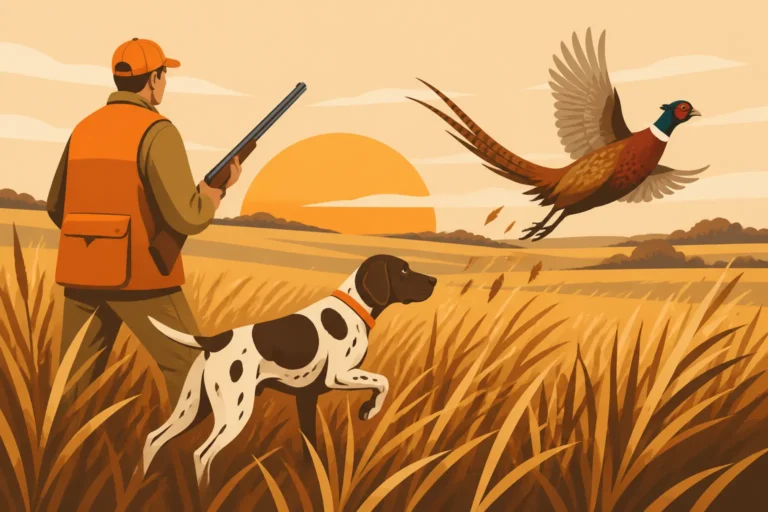
If you're serious about late-season pheasant hunting in Nebraska's cattail sloughs, a well-trained bird dog is an indispensable asset. Their keen sense of smell, ability to navigate dense cover, and relentless drive to find birds make them far more efficient than human hunters alone. A good flushing dog will work the thickest parts of the slough, putting birds into the air that a human might walk right past.
However, hunting with a dog in late-season sloughs comes with its own set of considerations. The dense vegetation can be tough on paws, and freezing water or thin ice presents serious hazards. Always equip your dog with a protective vest, and consider paw boots if the ground is particularly rough or icy. Keep a close eye on your dog for signs of exhaustion or hypothermia. Furthermore, remember that Hunting Cattail Sloughs Late in the Season with a dog can be physically demanding for both of you. Ensure your dog is in good physical condition and that you have a plan for its safety and recovery. For example, during colder periods, you might need to use a dog vest for cold water retrieves to help maintain their body temperature.
Essential Gear for Late-Season Slough Hunting
Hunting cattail sloughs in the bitter cold of a Nebraska winter demands specialized gear. You're not just dealing with cold; you're often dealing with moisture, mud, and abrasive vegetation. The right equipment won't just make you more comfortable; it will directly impact your safety and success.
Waterproof and Warm Clothing
Layering is always king in cold weather, but when you add the potential for getting wet, it becomes even more critical. Start with a moisture-wicking base layer that pulls sweat away from your body. Over that, build with insulating layers, such as fleece or down, appropriate for the expected temperatures. Your outer layer, however, is where you cannot compromise. It needs to be fully waterproof and windproof to protect you from wet cattails, unexpected snow squalls, and the relentless prairie wind. Brands like Sitka Gear or First Lite offer excellent options that are both durable and effective in keeping you dry and warm in these challenging conditions.
Consider insulated bibs or pants that are designed to shed water and withstand abrasion from the cattails. A waterproof jacket with a good hood is essential to keep your core warm and dry. Pay particular attention to features like sealed seams and durable water repellent (DWR) coatings. There's nothing that will end a hunt faster or put you in a more dangerous situation than getting soaked and cold miles from your vehicle. This principle applies when executing any Cold Weather Sitting Strategy in Nebraska's unpredictable winter.
Footwear for Mud and Water
This is arguably the most important piece of gear for slough hunting. Regular hunting boots, no matter how good, simply won't cut it in knee-deep mud or icy water. You absolutely need tall, insulated rubber boots or chest waders. For most cattail sloughs, a good pair of knee-high (or even hip-high) insulated rubber boots, like those from Muck Boots or LaCrosse, will be sufficient, offering protection up to your knees and keeping your feet dry. If you anticipate deeper water or are also targeting waterfowl, then chest waders are a must.
Ensure your footwear is insulated enough for the cold temperatures you'll be encountering. Walking through freezing water or mud will quickly chill your feet if they're not adequately protected. Traction is another key factor; the bottoms of sloughs can be incredibly slick, so look for boots with aggressive tread patterns. And don't forget good quality, moisture-wicking wool socks. Carrying an extra pair of socks in a dry bag isn't a bad idea, just in case. When it comes to crossing deeper pockets of water, particularly in the Rainwater Basin area, a sturdy pair of Waders for Rainwater Basin Wetlands will be your best friend.
Shotgun and Load Selection
For pheasants in cattail sloughs, you need a reliable shotgun that can handle mud, water, and repeated impacts. A 12-gauge or 20-gauge pump or semi-automatic shotgun is ideal. Reliability is paramount; you don't want a jam when that rooster finally flushes. As for ammunition, late-season pheasants are tougher, fully plumed, and often flush at longer ranges due to pressure. This means you'll need to know your Shot Sizes for Late-Season Nebraska Roosters. Many hunters step up from lighter loads to 4, 5, or even 6 shot in 12- or 20-gauge for better knockdown power at distance.
Choke selection is also important. A modified or improved modified choke is a good all-around choice, providing a dense enough pattern for longer shots while still allowing for some spread if a bird jumps close. If you're on public land, remember that Nontoxic Shot Rules on Nebraska WMAs will apply, so steel shot or other approved alternatives are required. Always check the current regulations before you head out. A tighter choke, such as a full choke, might also be considered for those longer flushing birds, much like what is often discussed when considering Choke Choice for Walking Birds.
Safety Considerations and Regulations
Hunting in late-season Nebraska, especially in challenging environments like cattail sloughs, comes with inherent risks. Being prepared for emergencies and understanding the legal framework are just as important as knowing where to find the game. Prioritizing safety ensures that your hunt remains enjoyable and ethical.
Ice Safety and Water Hazards
One of the biggest dangers when hunting cattail sloughs in winter is the presence of ice and open water. Nebraska winters can be fickle, leading to varying ice thickness that can change quickly, even within the same slough. Never assume ice is safe. Always test the ice in front of you with a spud bar or a heavy stick, especially if you're venturing into unfamiliar territory. A minimum of 4 inches of clear, solid ice is generally recommended for walking, but even then, extreme caution is warranted. Avoid areas with current, springs, or where cattails are very sparse, as these can indicate thinner ice.
If you do break through the ice, staying calm is crucial. Drop your gun (it can be retrieved later if needed) and try to propel yourself forward onto the unbroken ice, kicking your feet and using your arms to pull. If you can't get out, try to get as much of your body onto the ice as possible to prevent further submersion and conserve body heat. Carrying a set of ice picks (two handles with sharp spikes, worn around your neck) can give you the grip needed to pull yourself out. Always hunt with a buddy, and ensure someone knows your hunting plan, including your location and expected return time. The cold water can quickly lead to hypothermia, so knowing how to respond is vital.
Hunting Pressure and Ethical Practices
Late in the season, particularly on public land, some cattail sloughs can experience significant hunting pressure. It's important to be aware of other hunters, communicate, and practice good sportsmanship. If you arrive at a slough and see another vehicle or hear shooting, consider moving to a different area or giving them ample space. Crowding other hunters not only reduces everyone's chances but can also create unsafe situations.
Ethical hunting also means knowing your limits and ensuring a clean harvest. In dense cattail cover, tracking a wounded animal can be incredibly difficult, if not impossible. Take clear, ethical shots, and if you do wound an animal, make every effort to recover it. This often means diligently searching, even if it’s getting dark or the weather is worsening. Retrieving game from dense, wet cover can be physically demanding, so having a plan, whether it's a game cart or a dragging strap, is important. Always be respectful of private property boundaries, even if a bird or deer crosses onto posted land. Understanding Nebraska Trespass and Permission Law is fundamental.
Permits and Regulations
Before heading out, always ensure you have all the necessary permits and understand the current regulations for the area you'll be hunting. This includes your valid Nebraska hunting permit, habitat stamp, and any species-specific tags for deer or other big game. For pheasants and other upland birds, make sure you're aware of the daily bag limits and possession limits, which can vary by species. Always be mindful of Nebraska Pheasant Season Closing Date to avoid any accidental violations.
If you're hunting public land, such as a Wildlife Management Area (WMA) or an Open Fields and Waters (OFW) tract, check for any specific rules or restrictions that might apply. Some WMAs have special regulations regarding shooting hours, vehicle access, or even nontoxic shot requirements. Information on season dates, bag limits, and specific area rules is readily available on the Nebraska Game and Parks Commission website. Additionally, many hunters find applications like GoHunt to be incredibly useful for quickly checking regulations, accessing public land maps, and scouting new areas. Knowing where to find accessible areas, especially those designated as Hunting Open Fields and Waters Tracts for Pheasants, can give you a significant advantage.
Comparing Cattail Slough Hunting Tactics
Different situations and game types call for different approaches in these dense late-season covers. Here's a quick look at how various tactics stack up.
| Tactic | Best For | Ideal Group Size | Pros | Cons | Notes |
|---|---|---|---|---|---|
| Solo Still-Hunting | Deer, cautious pheasants | 1 | Quiet, low pressure, focused observation | Slow, difficult in dense cover, easy to miss birds | Requires extreme patience, focus on edges and wind direction. |
| Small Group Drives | Pheasants, deer | 2-4 | Efficiently covers ground, pushes game out | Requires coordination, can push game entirely out of reach | Blockers must be in position, communication is crucial. |
| Dog Flushing | Pheasants | 1-3 | Excellent for dense cover, high retrieve rate | Requires a trained dog, dog safety concerns (ice, cold) | Most effective for pheasants, dog vest and paw protection recommended. |
| Edge Hunting (Solo) | Deer, pheasants | 1 | Less physically demanding, covers transition zones | Limited penetration into thickest cover, may miss bedded game | Focus on trails where game enters/exits, good for scouting. |
Disclaimer
Hunting is an inherently dangerous activity. This guide is for informational purposes only and does not replace professional instruction or local regulations. Always prioritize safety, follow all local, state, and federal hunting laws, and obtain the necessary licenses and permits. Ensure you have proper training and equipment before venturing into the field. The author and publisher are not responsible for any accidents, injuries, or legal issues that may arise from the use of this information.