Glassing Sandhills Blowouts for Mule Deer
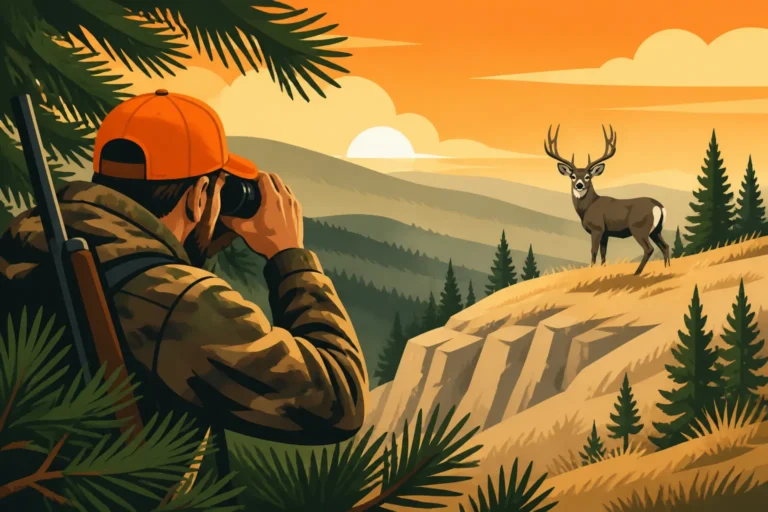
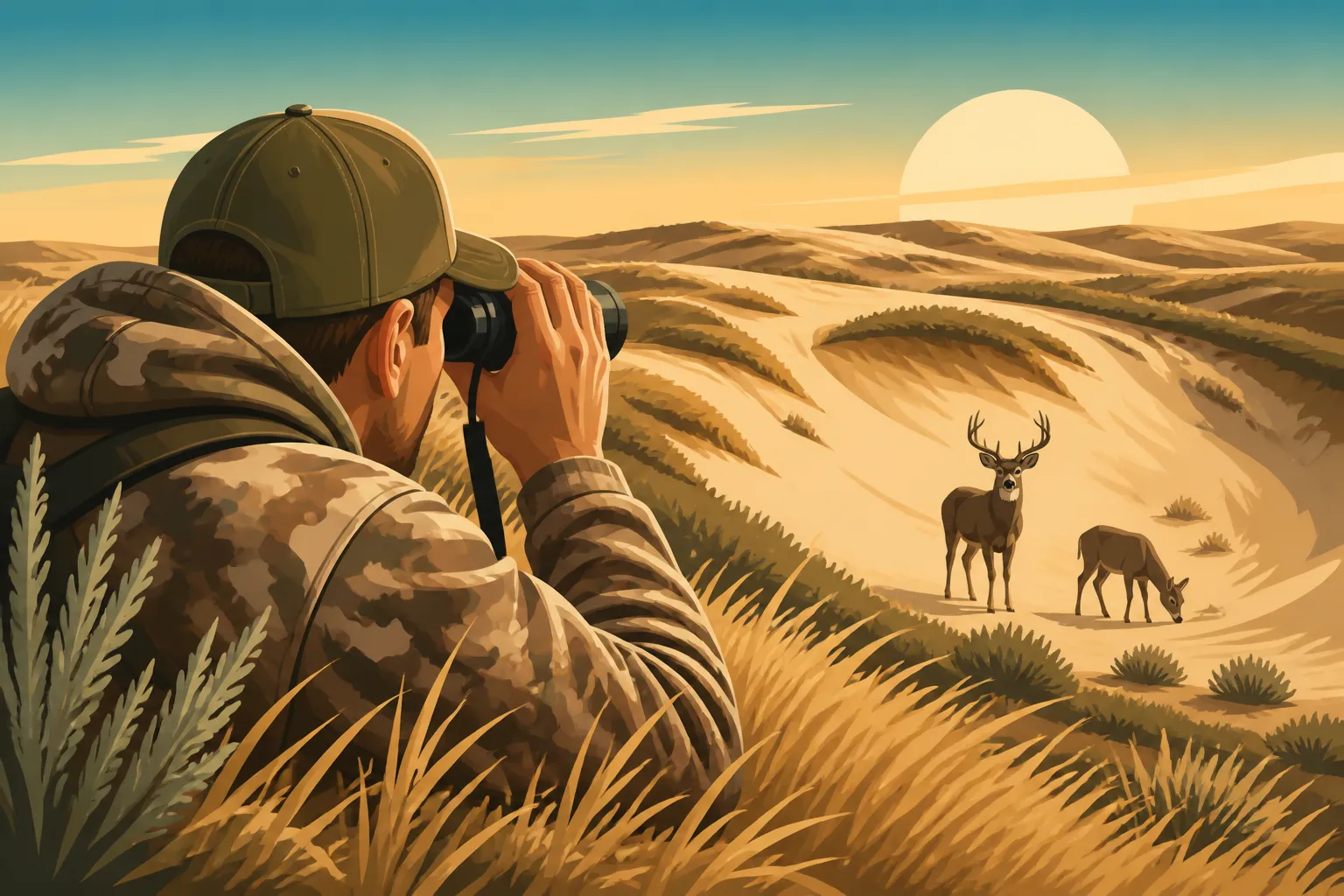
Hunting mule deer in the vast, rolling expanse of the Nebraska Sandhills can feel like searching for a needle in a haystack. The sheer scale of the landscape, with its endless grass-covered dunes, can be overwhelming, making it incredibly difficult to pinpoint where these elusive deer might be hiding. This guide is here to help you cut through that challenge, focusing specifically on how to effectively glass the region's unique "blowouts" – those sandy, wind-eroded depressions that often hold the key to finding Sandhills mule deer.
Understanding the Sandhills and Mule Deer Habitat
The Nebraska Sandhills are a truly unique ecosystem, a mosaic of rolling grasslands, subirrigated meadows, and countless sandy blowouts. For a mule deer hunter, understanding this terrain is paramount because it dictates everything from deer movement to where they choose to bed down. It's not just a big, empty space; it's a nuanced environment that, once understood, reveals its secrets.
What Makes Blowouts Prime Mule Deer Territory?
Blowouts are the unsung heroes of Sandhills mule deer hunting. These aren't just random barren spots; they are critical microhabitats offering a specific combination of food, cover, and thermal regulation that mule deer absolutely adore. Think of them as natural hideouts and cafeterias all rolled into one.
First, consider the cover. While the surrounding prairie might offer only short grass, blowouts often feature denser, taller vegetation along their edges and in their bottoms. This can include sagebrush, sumac, cedar trees, and even small patches of plum thickets. This denser cover provides excellent concealment from predators and hunters alike. A mule deer buck can lie down in a blowout, practically disappearing into the landscape, even when you're just a few hundred yards away. The sandy slopes also provide a natural windbreak, offering respite from the incessant Nebraska winds. On a cold, blustery day, a deer curled up on the sunny, leeward side of a blowout is maximizing warmth and minimizing exposure. Conversely, on a scorching early-season afternoon, the cooler, shaded side of a deep blowout can be a welcome escape from the relentless sun.
Second, blowouts frequently concentrate food sources. The same conditions that allow unique vegetation to grow also create pockets of moisture that can support different plant species than the surrounding dry grass. Deer will browse on the woody stems and leaves of sagebrush and other shrubs, or graze on specific forbs that thrive in these more sheltered, slightly moister environments. These areas can act as natural magnets, drawing deer to them for a quick bite or an extended feeding session before they bed down.
Finally, blowouts offer strategic vantage points for the deer themselves. A buck bedded high on the rim of a blowout can survey a wide area, detecting threats from a distance, while still having the option to quickly drop into the depression for immediate concealment. These depressions often funnel air currents, creating subtle thermal shifts that deer use to their advantage, helping them detect approaching danger by scent.
Reading the Landscape: Beyond Just Blowouts
While blowouts are crucial, they rarely exist in isolation. They are often part of a larger network that mule deer utilize. To truly unlock the Sandhills, you need to understand how blowouts connect to other key features like travel corridors, water sources, and subtle elevation changes.
Imagine a large complex of blowouts. Deer might bed in one, feed in another, and travel between them using the gentle folds and draws of the terrain. These subtle drainages, even if they don't hold water, act as natural travel routes, allowing deer to move with minimal exposure. Studying the contours of the land can reveal these hidden highways. Platforms like GoHunt's mapping tools can be invaluable here, letting you analyze topographic maps and satellite imagery to identify these patterns before you even set foot in the field. Look for areas where several blowouts converge or where a series of blowouts leads towards a known water source or a more significant patch of cover. Deer are creatures of efficiency; they will take the path of least resistance and greatest security.
Water sources, though less common in the higher dunes, are absolute magnets. Even a small seeping spring, a cattle tank, or a low-lying meadow with subirrigated grass can draw deer for miles. Blowouts that are in proximity to these water sources become even more valuable, serving as bedding areas for deer that frequently visit the water. Look for signs of use around these areas – tracks, droppings, and browsed vegetation. Hunting a Creek Crossing in the Sandhills can offer even more insights into these critical aquatic features.
Subtle elevation changes are also key. While the Sandhills are famous for their rolling character, there are often higher "ridges" or prominent dunes that offer commanding views. Bucks will often bed on the leeward side of these high points, where they can watch their backtrail and smell anything approaching from downwind. Integrating blowouts with these higher vantage points provides a complete picture of potential mule deer strongholds.
Mule Deer Behavior in the Sandhills
Mule deer behavior in the Sandhills is heavily influenced by the open terrain and the seasons. Knowing when and where they prefer to feed, bed, and travel can drastically improve your odds. This isn't like hunting whitetails in dense timber; the rules are different, and your strategy needs to adapt.
In the early morning and late evening, mule deer are most active, often moving from their bedding areas in blowouts or thick pockets of cover to feed in nearby meadows, agricultural fields on the fringes of the Sandhills, or even within the blowouts themselves if palatable forage is present. This is your prime glassing time. As the sun climbs higher, especially during warmer periods, deer will retreat to shaded, sheltered spots to bed down. This often means the deeper, north-facing slopes of blowouts or the shade cast by a sparse cedar. Where Mule Deer Feed at First Light is crucial for understanding these feeding patterns.
The rut, typically peaking in mid-November, significantly alters behavior. Bucks become much more active during daylight hours, cruising the ridges and working draws in search of does. Blowouts can become hotbeds of activity during this period, serving as natural arenas for bucks to display, chase, and breed. This is when the normally elusive big bucks might throw caution to the wind, offering unique opportunities. Understanding the Wind and Thermals in the Sandhills becomes even more critical during these active periods, as a buck might cover a lot of ground quickly, making scent detection a constant battle.
Throughout the year, mule deer are constantly evaluating wind direction for safety. They will almost always bed with the wind at their back, allowing them to see what's in front of them and smell anything approaching from behind. When you're glassing, consider the prevailing wind and where a deer would naturally choose to bed for maximum security. This behavioral insight can help you predict exactly which side of a blowout a buck might be using.
Essential Glassing Techniques and Gear for Blowouts
Glassing in the Sandhills isn't just about pointing your binoculars at the landscape and hoping for the best. It's a methodical, disciplined approach that maximizes your chances of finding deer in an environment where they excel at blending in. The right gear, and knowing how to use it, makes all the difference.
The Art of Systematic Glassing
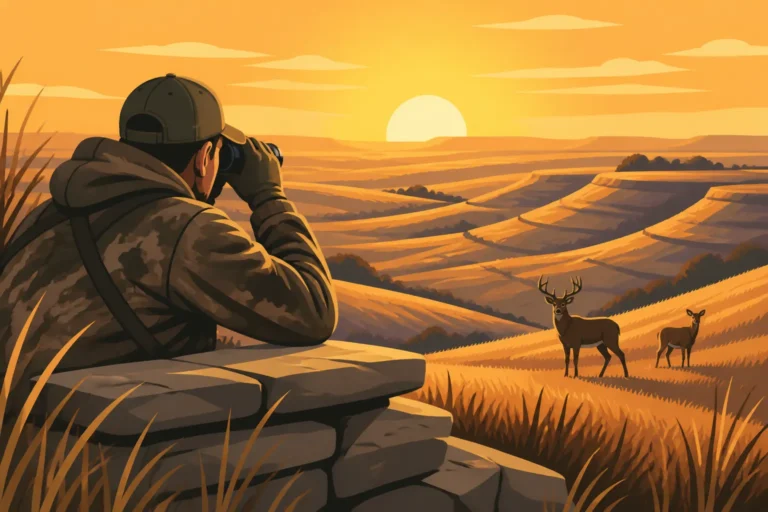
Patience and a systematic approach are your two greatest allies when glassing blowouts. You can't just scan; you need to truly dissect the landscape. Start by finding a high vantage point that offers an expansive view of multiple blowouts and the surrounding terrain. This could be the top of a particularly tall dune, a mesa-like feature, or even the roof of your vehicle (if it's safe and you're on public land).
Once settled, use a grid pattern. Pick a section of the landscape and work your binoculars methodically from left to right, then drop down and go right to left, like reading a book. Pay close attention to any subtle changes in color, texture, or shape. A mule deer's ear, a patch of their hide, or the tip of an antler can be the only thing visible. Don't rush. Spend several minutes, even up to an hour, thoroughly searching a single grid section before moving on. GoHunt often provides detailed mapping with public/private land boundaries, which is crucial for identifying legal glassing spots and planning your approach.
Utilize natural light to your advantage. Early morning and late evening, when the light is softer and shadows are long, can reveal deer that are otherwise camouflaged. The raking light at these times can highlight contours and forms that disappear under the harsh midday sun. Conversely, midday can be great for spotting deer bedded in deep shade. Look for the "four Ds": deer, dark, dull, and distinct. Deer tend to be dark shapes against the lighter grass, dull in color, and their body lines will be distinct from the surrounding vegetation.
Optics You Can't Live Without
The Sandhills demand quality optics. This isn't an area where cheap binoculars will cut it. You'll be spending hours, if not entire days, behind glass, and clear, bright, high-magnification optics are essential for spotting subtle details at extreme distances.
Your primary tool will be a good pair of binoculars. For the Sandhills, 10x or 12x magnification is usually the sweet spot. A 10×42 or 12×50 binocular offers a good balance of magnification, light gathering, and field of view. Check out our detailed guide on Binocular Power for the Sandhills for more specific recommendations. Brands like Swarovski, Zeiss, Leica, and Vortex offer exceptional clarity and durability. You'll want to use a tripod adapter for your binoculars whenever possible; even slight hand tremor is magnified with higher power, making it difficult to discern subtle details. A tripod-mounted binocular allows for rock-solid stability and fatigue-free glassing.
For those truly distant deer, or when you need to confirm antler points and assess a buck's size, a spotting scope is indispensable. A 60-80mm objective lens with 20-60x or even 20-70x magnification is ideal. This allows you to scrutinize every patch of cover in a blowout. Again, a sturdy tripod is non-negotiable for a spotting scope. Our article on Optics for Glassing the Nebraska Sandhills delves deeper into these specific gear choices. Don't forget a quality Rangefinders in Open Nebraska Country, which will be vital for determining distances once you spot a deer. Knowing the exact range is critical for planning a stalk or making an ethical shot with your Rifle Setups for Nebraska's Open Country.
| Optic Type | Magnification Range | Best Use in Sandhills | Key Feature |
|---|---|---|---|
| Binoculars | 8x-12x | Wide area scanning, locating deer, short to mid-range | Field of view, comfortable for extended use |
| Spotting Scope | 20x-70x | Detail examination, antler judging, long-range ID | High magnification, precision focusing |
| Rangefinder | N/A | Accurate distance measurement for shots and stalks | Speed, ballistic compensation (some models) |
Overcoming Environmental Challenges
The Sandhills, while beautiful, can throw some serious curveballs at your glassing efforts. Wind, heat, mirage, and dust are common adversaries you'll need to contend with.
Wind is a constant companion in Nebraska. Not only does it make holding optics steady more challenging, but it also influences deer behavior. Deer will often seek out the lee side of dunes and blowouts to escape the incessant gusts. When glassing, brace yourself or your tripod against your vehicle or a natural windbreak. Understanding Wind and Thermals in the Sandhills is crucial for both spotting deer and planning your approach.
Heat and mirage can be especially problematic during early season hunts. As the ground heats up, shimmering air distorts distant objects, making it incredibly difficult to pick out details. The best way to combat mirage is to glass early in the morning before the ground has fully heated, or late in the evening as temperatures begin to drop. Sometimes, glassing into a shaded area can also reduce the effects of mirage.
Dust is another common issue, especially on dirt roads. Always keep your optics covered when not in use and have a high-quality lens cleaning kit on hand. Avoid wiping lenses with your shirt, as this will scratch the delicate coatings.
Remember that a comfortable setup goes a long way. Sitting on a comfortable chair or pad will allow you to glass for longer periods without fatigue, which is key to success in the expansive Sandhills. Don't forget to consider a proper Tripod Height for Glassing From Sand to ensure stable viewing, especially on uneven terrain.
Strategic Approaches for Different Sandhills Conditions
The Sandhills are dynamic, and your glassing strategy needs to be adaptable. What works in September might not be effective in November. Adjusting your tactics based on the season, weather, and time of day is paramount to consistent success.
Early Season vs. Late Season Strategies
Mule deer utilize the Sandhills and its blowouts differently as the seasons progress.
During the early archery season (late August through September), the focus for mule deer is food and water. Temperatures can still be quite warm, so deer will be seeking shade and water during the midday. Glassing efforts should concentrate heavily around water sources – cattle tanks, windmills, and the edges of subirrigated meadows. Blowouts that offer dense, cool cover and are close to these water sources become prime bedding areas. Deer might feed heavily at night or in very low light conditions, making the first and last hours of the day your most productive glassing times. Look for deer moving between their nocturnal feeding grounds and their shaded bedding spots.
As the season transitions into late fall and early winter, especially during the firearms season in November and the muzzleloader season in December, the dynamics shift dramatically. The rut kicks in hard in November, turning the Sandhills into a high-stakes chess game. Bucks are actively pursuing does, often moving more during daylight hours. Food sources also change; as natural vegetation dies back, deer might focus more on remaining green forbs, browse, or even venture to agricultural fields on the Sandhills fringes. Blowouts still offer crucial cover and travel routes, but bucks might be less tied to a specific bedding area, instead cruising wider areas in search of estrous does. This is when patience and covering vast amounts of ground with your glass become even more important. You might spot a buck chasing a doe through a series of connected blowouts that he wouldn't typically use for bedding.
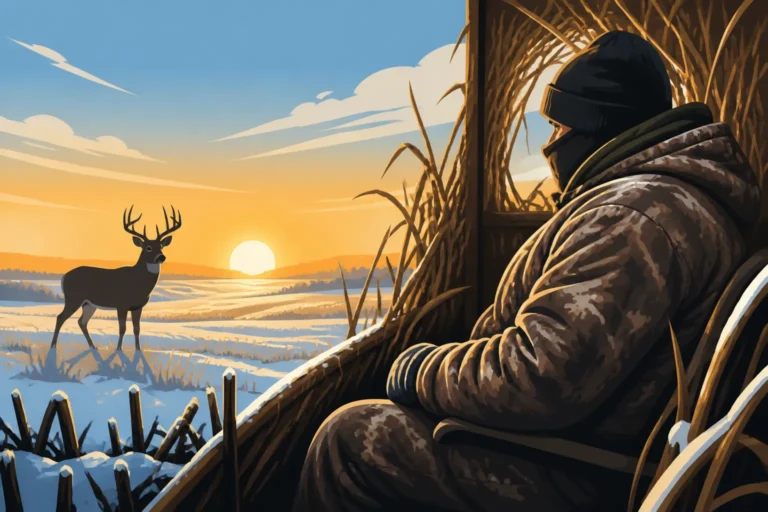
By late season (December and January), food becomes the primary driver. Deer will concentrate around the most reliable food sources, and thermal cover is critical in colder weather. Deeper blowouts with good sun exposure can be valuable, as deer will soak up the warmth. Snow cover can actually aid glassing by highlighting deer against the white background and making tracks more visible. Our article on Getting a Deer Out of a Nebraska Sandhills Basin discusses considerations for late-season success and recovery in these tough conditions.
Adapting to Weather and Time of Day
Weather conditions can dramatically influence mule deer activity and how effectively you can glass. Don't let adverse weather deter you; learn to adapt your strategy.
On windy days, mule deer will instinctively seek shelter. This means blowouts, especially their leeward slopes, become even more critical. Deer might bed down tighter and earlier, hunkering down to escape the wind chill. While the wind can make glassing challenging due to optic shake and dust, it can also work in your favor by masking your approach if you're stalking. Focus your glassing efforts on the most sheltered parts of the blowouts.
Post-rain periods can be excellent for glassing. The air often clears, reducing mirage, and deer tend to be more active, refreshed by the moisture. Tracks will also be fresh and easier to spot on Reading Sign on a Nebraska Sandhills Two-Track.
As mentioned earlier, early morning and late evening are generally the most productive glassing times when deer are most active. However, don't completely discount midday. During the rut, or on particularly cold, sunny days, deer might still be active. On warm days, deer will often move into the deepest, shadiest parts of blowouts to escape the heat. On cold, clear days, they might seek sun-drenched slopes to warm up. Always adjust your focus to what the deer need for survival and comfort given the prevailing conditions.
Combining Glassing with Stalking
Glassing is often just the first step. Once you've located a mule deer, especially a good buck, the real challenge begins: the stalk. The open nature of the Sandhills makes getting close a formidable task, but with careful planning and utilizing the terrain, it's possible.
After you've spotted a deer, the first thing to do is assess the situation. What's the wind direction? What kind of cover does the terrain offer between you and the deer? How many other deer are with the target animal? Are there any obstacles like fences or other hunters? You'll want to use your rangefinder to get an exact distance, which is critical for planning the stalk.
The beauty of the Sandhills, ironically, is also its greatest challenge for stalking. The rolling dunes and blowouts, while open, offer a surprising amount of undulation that can be used for concealment. Identify a route that keeps you out of sight as much as possible, using the backside of dunes and the depressions of blowouts to shield your movement. Move slowly and deliberately, constantly re-evaluating your position and the deer's behavior. If the deer looks up, freeze. Patience is your best friend.
Maintaining concealment is paramount. Wear clothing that blends into the natural colors of the Sandhills – tans, browns, and sage greens. Avoid anything that stands out. Our article on Closing the Last Hundred Yards on Sand provides excellent advice on this critical phase of the hunt. Sometimes, a ground blind or even a simple natural blind brushed into an existing feature can provide the last bit of cover you need to get a shot, especially if you're Using a Ground Blind on Nebraska Public Ground. It's a dance between using your eyes to find them and then using your wits and the terrain to get within range.
Disclaimer
Please note: Hunting regulations, season dates, and public land access rules can change frequently. Always consult the latest Nebraska Game and Parks Commission regulations before planning any hunting trip. This guide is for informational purposes only and does not supersede official state regulations.