Where Deer Yard Up in a Nebraska Winter
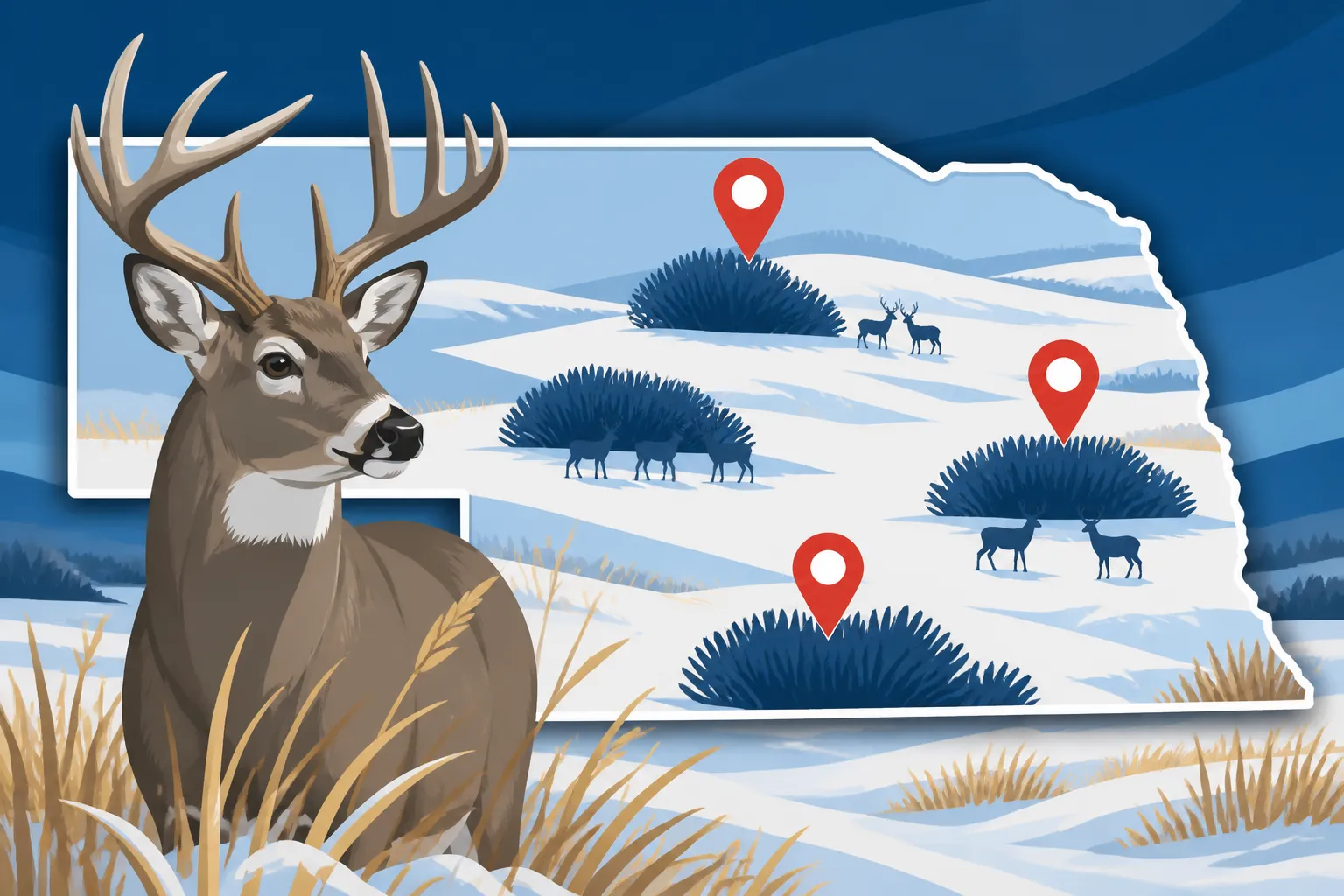
Finding deer when winter hits hard in Nebraska can be a real challenge for any hunter. They don't just wander aimlessly once the cold snap sets in and the snow starts piling up; they concentrate in specific areas, often referred to as "deer yards," to survive the harsh conditions. Pinpointing these cold-weather strongholds is absolutely critical for success in the late season. This comprehensive guide will walk you through understanding where deer "yard up" during a Nebraska winter, helping you decipher their survival strategies and giving you a much better chance of finding them when it counts.
Understanding Winter Deer Behavior in Nebraska
As the days shorten and the temperatures plummet across Nebraska, deer undergo a significant shift in their behavior. This isn't just about finding food; it's a deep-seated survival mechanism that dictates their movements and energy expenditure. Understanding these fundamental changes is the first step to successful winter hunting.
The Why Behind Winter Concentration
Deer concentrate in specific areas during winter primarily to conserve energy and increase their chances of survival. Think about it: every calorie burned in extreme cold is a calorie that needs to be replaced, and food sources are scarce. By yarding up, deer minimize unnecessary movement, allowing them to retain vital body heat and fat reserves. These "yards" aren't just random clusters; they are carefully chosen havens that provide a crucial combination of shelter, food, and security. It's a strategic move to hunker down, ride out the worst of winter, and survive until spring. Being cooped up together can also offer a degree of safety in numbers, as more eyes and ears are available to detect predators, which might be particularly bold when their usual food sources are also under stress.
Impact of Snow Depth and Temperature
The severity of the winter directly influences how and where deer yard up. Heavy snow is perhaps the most significant factor, acting like a giant fence that restricts deer movement. When snow depths reach a foot or more, especially if it's crusty, deer will limit their travel to established trails within or near their wintering areas. This keeps them from expending too much energy post-holing through deep drifts. You might see patterns of trails resembling a spiderweb within a thicket.
Extreme cold, even without deep snow, also forces deer into the densest thermal cover they can find. They're seeking refuge from biting winds and freezing temperatures. Imagine trying to stay warm out in the open when it's single digits with a 20 mph wind – deer feel that too, and they'll seek out the thickest cedar draws or cottonwood bottoms. Fluctuating weather can also be a challenge; a sudden warm spell might encourage deer to briefly disperse, only to be driven back into their yards when another cold front rolls through. If you're looking for more insight into this specific challenge, our article on Deep Snow and Deer Movement delves into how these conditions change deer activity.
Key Habitat Features for Nebraska Winter Deer Yards
When deer decide to "yard up" for the winter, they aren't just picking any random spot. They're looking for very specific characteristics in the landscape that maximize their chances of survival. These habitat features are what you, as a hunter, should be zeroing in on during your late-season scouting.
Dense Thermal and Escape Cover
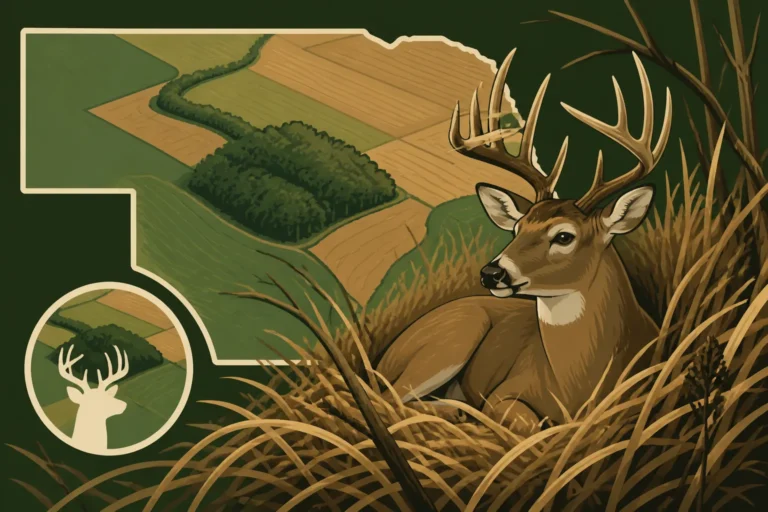
Foremost among these features is dense thermal and escape cover. In Nebraska, this often means cedar thickets. These evergreen havens, especially those found in deep draws or ravines, offer incredible protection from harsh winter winds and heavy snow. The interlocking branches create a natural roof that catches snow, leaving the ground underneath relatively clear and warmer. White-tailed deer will pack into these areas, using every available ounce of cover. Understanding how deer utilize these areas is key, and our guide on Reading a Cedar Draw for Deer Movement provides an excellent deep dive into this topic.
Beyond cedars, hardwood timber stands with thick undergrowth, particularly along river bottoms and creek drainages, serve a similar purpose. The dense network of dormant trees and brush slows the wind and traps warmth. Hunters familiar with these areas know how effective they can be. For example, the Missouri or Platte River bottoms, with their towering cottonwoods and dense secondary growth, become critical sanctuaries. You can find out more about how to navigate these areas in our piece on Still-Hunting a Snow-Covered River Bottom. Even man-made shelterbelts, rows of evergreens or dense deciduous trees planted as windbreaks, can be magnets for deer on the open plains. They might not seem like much, but they offer crucial relief from the relentless Nebraska wind, something we discuss further in Hunting a Shelterbelt Between Nebraska Fields. In some parts of the state, even cattail swamps and marshes, while not typically thought of as deer habitat, can offer dense, often overlooked cover, particularly if they are adjacent to a food source.
Consistent Food Sources
While cover is king for survival, deer still need to eat. A prime winter yard will always have a reliable food source nearby, or even within it. In Nebraska's agricultural landscape, standing corn or milo fields are an absolute magnet for deer after the main harvest. These unpicked rows offer both calories and cover, becoming an irresistible draw. The deer will bed in the thick rows and simply turn their heads to feed. If you want to understand how impactful this is, check out our guide on Hunting Standing Corn Before Harvest and What Changes in Nebraska After the Corn Comes Off.
Beyond crops, natural browse becomes vital. Deer will strip the bark and twigs from woody plants like dogwood, sumac, and even young cottonwoods. Look for distinct "browse lines" on vegetation, indicating heavy feeding. If hunters have planted winter wheat or alfalfa fields, and they remain accessible through the snow, these can also pull deer in. Smart land managers or diligent farmers might also plant dedicated food plots with winter forage like brassicas or specific winter rye varieties, creating an irresistible buffet that deer will travel to access. These Late-Season Food Sources in Nebraska are critical for winter survival.
South-Facing Slopes and Sun Exposure
Another subtle but critical feature of a prime deer yard is the presence of south-facing slopes. These slopes receive more direct sunlight throughout the day, which helps melt snow faster and can create a patch of bare, warmer ground. For deer, especially mule deer in the Sandhills or the Pine Ridge, bedding on a sunny, south-facing slope can make a significant difference in their energy budget. It's like finding a sunny spot to warm up on a cold day, reducing the energy needed to maintain body temperature. These slopes also often offer reduced wind exposure, creating a double whammy of comfort for wintering deer. Pay attention to the topography when you're glassing or looking at aerial maps; those sunny spots can reveal hidden deer.
Scouting and Hunting Nebraska Winter Deer Yards
Once you understand why deer yard up and what they look for, the next step is to put that knowledge into action. This involves dedicated scouting and employing specific tactics that respect the vulnerability of deer during the harshest months.
Pre-Season and Mid-Season Scouting
The work of finding winter deer yards often begins long before the snow flies. During the pre-season, pouring over aerial imagery on mapping apps like GoHunt can be incredibly effective. Look for large, contiguous blocks of dense cover – those dark green patches on the map that represent cedar thickets, heavy timber, or extensive shelterbelts. Identify potential travel corridors leading to and from nearby food sources. Mark these areas as potential wintering locations.
Once hunting season is underway and especially after the rut, mid-season scouting (even from a distance with good optics) can confirm these suspicions. Look for concentrations of tracks, fresh droppings, and signs of heavy browsing. After a fresh snowfall, tracks become a highway map, showing you exactly where deer are moving. This is when GoHunt's ability to overlay different map layers and track your movements becomes invaluable for pinpointing active zones. Don't be afraid to walk the edges of these cover blocks, but avoid pushing deep into them unless you're actively hunting, as you don't want to disturb the deer more than necessary.
Tactics for Approaching Winter Deer
When you finally decide to hunt a known deer yard, remember that deer are highly sensitive and stressed during winter. Your approach needs to be slow, deliberate, and as stealthy as possible. Wind is absolutely paramount. Always, and I mean always, hunt with the wind in your favor to prevent deer from scenting you. Blowing your cover in a winter yard can push deer out of critical habitat, making them harder to find later. Our article on Wind Direction on Open Nebraska Prairie Stands offers valuable insights into managing scent in open country, which translates well to winter hunting.
Deer in winter yards are less tolerant of pressure, so a slow, methodical approach is crucial. Utilize natural terrain features – creek bottoms, ridges, or even subtle changes in elevation – to conceal your movement. Your stand placement should be carefully considered, focusing on travel corridors that connect dense cover to feeding areas. Since deciduous trees are bare, ground blinds can be an excellent option for concealment, particularly if you're on public land or hunting areas with limited elevated stand opportunities. Learn more about effective concealment in different landscapes by reading Ground Blinds in Open Nebraska Country. Remember, in these conditions, deer are often bedded very tightly, and you might need to be almost on top of them before they move.
Ethical Considerations and Pressure
It's vital to approach winter deer hunting with a strong sense of ethics and an understanding of the deer's vulnerable state. These animals are already expending significant energy simply staying alive. Excessive pressure can stress them further, forcing them to burn precious calories by running, potentially leading to malnutrition or even starvation in extreme cases.
Therefore, consider a "one-and-done" approach to a specific deer yard. If you hunt it, try to make your shot count, and then give that particular area a significant break. Don't repeatedly hound the same thicket day after day. This allows the deer to return to their critical thermal cover and resume energy conservation. If your objective is simply to fill the freezer, focusing on antlerless deer in late season, where permits allow, is often a very effective and biologically sound strategy. Many units in Nebraska offer Hunting Antlerless Deer in Nebraska in January, providing excellent opportunities to harvest venison without impacting the buck population for the next season. The goal is to be a responsible hunter, understanding the impact of your presence on the wildlife you pursue.
Regional Winter Havens in Nebraska
Nebraska is a diverse state, and while the principles of deer yarding remain consistent, the specific types of habitat deer utilize will vary significantly depending on the region. Knowing these regional differences can help you refine your search.
Eastern Nebraska River Bottoms
In eastern Nebraska, the extensive river systems like the Missouri, Platte, Elkhorn, Loup, and Big Blue River corridors are absolute hotspots for wintering whitetails. These areas boast dense stands of hardwoods – cottonwoods, oaks, maples – interspersed with thick tangles of multiflora rose, wild plum, and, critically, vast cedar thickets. This combination creates perfect thermal and escape cover, often running for miles. The proximity to vast agricultural fields means that consistent food sources, whether it's leftover corn, milo, or even standing winter wheat, are usually just a short, protected stroll away. Our guide on River-Bottom Whitetail Hunting in Eastern Nebraska offers a deeper dive into these rich habitats. During bitter cold snaps and heavy snow, these river bottoms become the ultimate sanctuary, sometimes holding incredible concentrations of deer that simply won't leave unless heavily pressured.
Sandhills and Pine Ridge Country
Venture west to the Nebraska Sandhills, and the landscape changes dramatically, but the deer's need for winter cover remains. Here, mule deer (and some whitetails) will seek out deep draws, canyons, and blowouts where dense pockets of cedar, pine, or even extremely tall, thick grass offer protection. South-facing slopes are particularly valuable as they capture more solar radiation, melting snow and providing warmer bedding spots. The Pine Ridge, further west, is a mule deer paradise with its rugged canyons and heavy timber stands of Ponderosa pine. These areas provide unparalleled thermal cover and shelter from the notorious Panhandle winds. Snow accumulation here can be significant, pushing deer into the most sheltered pockets they can find. If you're interested in hunting this region, our article on Hunting Mule Deer in the Nebraska Pine Ridge can provide further insights. The key in the Sandhills is often finding the deepest and thickest cover available, which might be subtle from a distance but proves critical to deer survival.
Central and Western Nebraska Cropland
Between the eastern river systems and the western Sandhills, much of central and western Nebraska is dominated by agricultural land. Here, deer yards look a bit different. While large tracts of native timber are less common, deer will still gravitate to the best available cover. This means shelterbelts, which are often overlooked, become incredibly important. These rows of trees provide windbreaks and some thermal cover, especially if they're evergreen. Drainages and creek beds, even if they only have a narrow band of brush and trees, will funnel deer and offer some protection. Unharvested corners of fields, or even entire fields of standing corn or milo, are absolute magnets. These areas provide food and rudimentary cover, drawing deer from miles around. Even small, isolated woodlots or patches of dense brush, which might be ignored in warmer months, become critical winter havens when the landscape is otherwise barren. Deer will make the most of what's available, and even seemingly small pockets of cover can hold surprising numbers of animals when the winter gets tough.
Here's a quick reference for ideal winter deer yard characteristics in Nebraska:
| Characteristic | Eastern Nebraska River Bottoms | Sandhills / Pine Ridge | Central/Western Cropland |
|---|---|---|---|
| Primary Cover | Dense hardwoods, large cedar thickets, brushy tangles | Deep draws, pine/cedar pockets, thick grass, canyons | Shelterbelts, drainages, small woodlots, standing crops |
| Food Sources | Nearby agricultural fields, natural browse | Natural browse, some agriculture on edges | Standing corn/milo, winter wheat, browse |
| Terrain Advantage | River valleys, bluffs, deep ravines | South-facing slopes, protected valleys, blowouts | Field edges, creek bottoms, topography breaks |
| Key Factor | Thermal cover, escape cover | Wind protection, snow relief | Food accessibility, basic thermal cover |
Disclaimer
Hunting is an inherently dangerous activity. Always prioritize safety, understand and follow all Nebraska Game and Parks Commission regulations, and obtain appropriate permits and licenses before heading afield. The information provided here is for educational purposes and general guidance; local conditions and deer behavior can vary.