Spot-and-Stalk on the Oglala National Grassland
The Oglala National Grassland in Nebraska's rugged panhandle presents one of the most unique and rewarding challenges for hunters: the spot-and-stalk. This vast, often deceptively flat, yet dramatically broken country can be intimidating, making it incredibly difficult to close the distance on wary game. This comprehensive guide is designed to equip you with the knowledge and tactics needed to successfully navigate the Oglala and increase your chances of a successful spot-and-stalk hunt.
Unveiling the Oglala National Grassland's Hunting Potential
The Oglala National Grassland isn't your typical Nebraska hunting ground. It's a land of striking contrasts, where rolling prairie gives way to dramatic badlands, towering buttes, and deeply cut draws. Understanding this unique environment is the first step toward a successful spot-and-stalk adventure.
The Landscape and Its Wildlife
Imagine a place where horizons stretch endlessly, punctuated by the ancient, weathered formations of Toadstool Geologic Park. That's a glimpse of the Oglala. This region, often referred to as Nebraska's badlands, features a mix of shortgrass prairie, deep canyons, and scattered junipers and pines in the draws. Unlike the dense river bottoms or agricultural fields of eastern Nebraska, true cover here is scarce and often requires significant effort to reach and utilize.
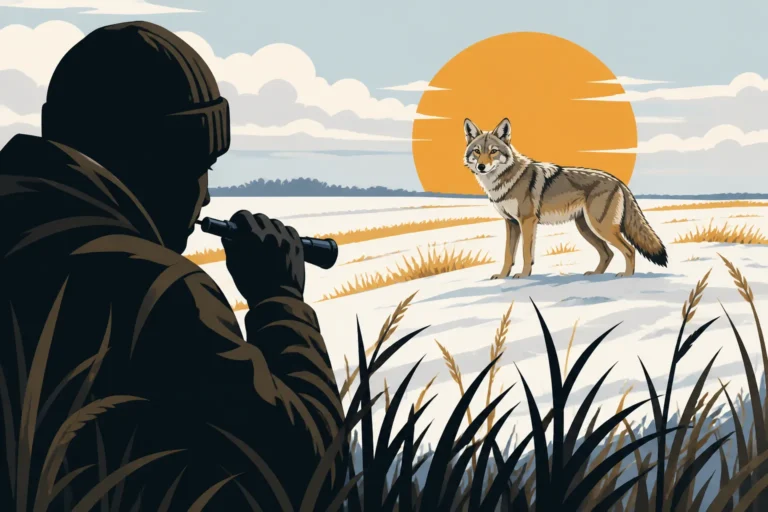
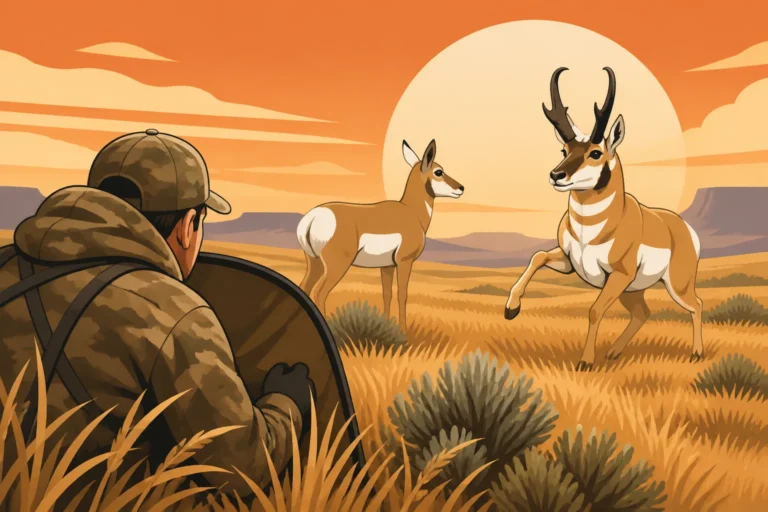
The primary big game species you'll encounter and target here are mule deer and pronghorn antelope. Mule Deer in the Nebraska Sandhills and Panhandle are perfectly adapted to this open, broken terrain, using the contours and sparse vegetation to their advantage. Pronghorn, with their incredible eyesight and speed, are masters of the open plains. You'll also find a healthy population of coyotes, which can inadvertently mess up a stalk, and numerous prairie dog towns that provide an additional hunting opportunity or simply a fascinating distraction. The vastness of the Oglala offers an incredible sense of solitude, which is a blessing for the soul but also adds to the challenge of locating and approaching game unnoticed.
Navigating Public Access and Regulations
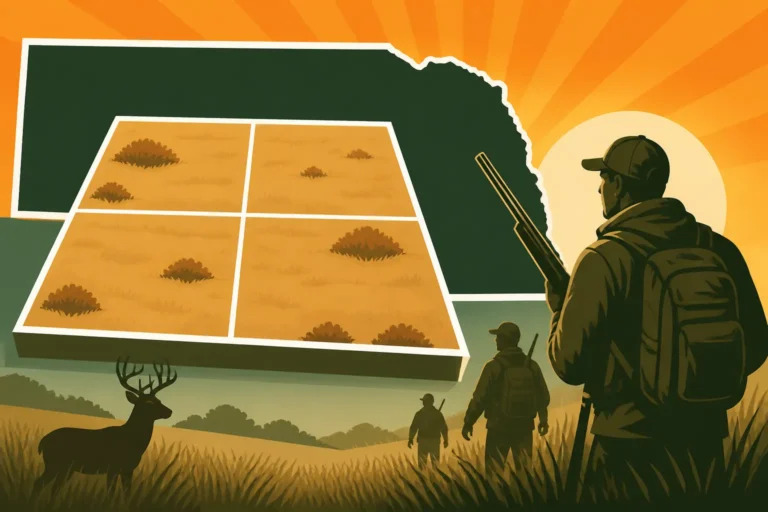
The Oglala National Grassland is managed by the U.S. Forest Service, meaning it's primarily public land open to all. However, it’s crucial to remember that this huge expanse often has pockets of private land interspersed within its boundaries. Failing to recognize these private inholdings can quickly turn a great day afield into a frustrating or even legally problematic one. Always be aware of your location.
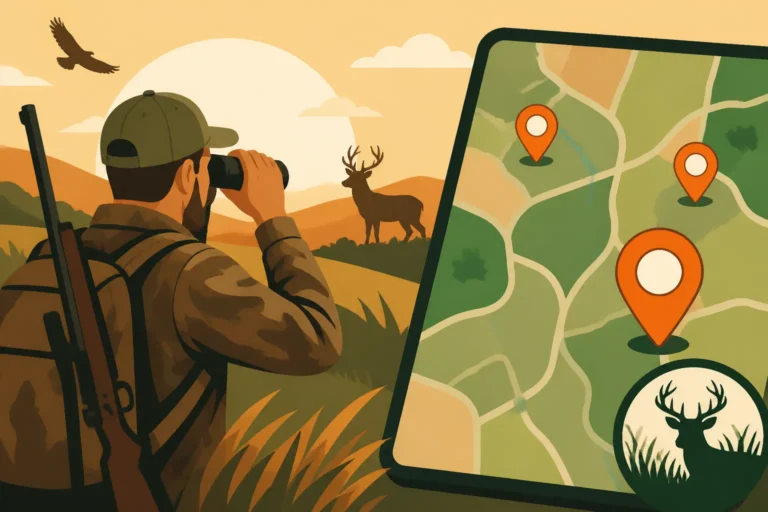
A non-negotiable tool for any hunter on the Oglala is the Nebraska Public Access Atlas. This invaluable resource, available from the Nebraska Game and Parks Commission, clearly delineates public lands, including the Oglala, and often shows private parcels and associated access points. Many hunters now rely on digital versions of the atlas or robust mapping apps, such as those offered by GoHunt, which integrate property boundaries directly onto your phone or GPS device, making navigation in this vast landscape much more intuitive. Beyond boundaries, familiarize yourself with the specific regulations for the grassland. For example, baiting is typically prohibited on federal lands, and vehicle travel is restricted to designated roads. Always double-check current regulations before you head out, as they can sometimes change. Detailed information on access can be found in resources like Oglala National Grassland Hunting.
Essential Gear for Oglala Spot-and-Stalk Success
Successful spot-and-stalk hunting on the Oglala boils down to two main things: being able to see your quarry before it sees you, and then being able to move silently and efficiently. This requires specific gear tailored to the unique demands of this environment.
Optics – Your Eyes on the Prairie
On the Oglala, your optics are truly an extension of your eyes. The sheer scale of the landscape means you’ll be doing a lot of glassing, often for hours on end, to pick out the subtle flick of an ear or the distinct outline of a deer bedded against a hillside.
Binoculars: High-quality binoculars are your most important tool. While 10×42 models are a popular all-around choice, many seasoned Oglala hunters opt for 12×50 or even 15×56 for their increased magnification and light-gathering capabilities, especially during low-light conditions at dawn and dusk. Brands like Vortex, Swarovski, and Leica offer excellent performance, but even mid-range options from Maven or Leupold can make a world of difference compared to entry-level glass. The clarity and field of view will reduce eye strain and allow you to pick out game at incredible distances.
Spotting Scope: A spotting scope is almost mandatory for the Oglala. Once you’ve spotted an animal with your binoculars, a spotting scope (typically 15-45x or 20-60x) allows you to confirm species, sex, and importantly, judge antler size and overall quality from a distance, saving you countless wasted stalks. This is especially true when hunting mule deer or pronghorn, where a poor judgment can lead to a long, fruitless trek across challenging terrain.
Tripods and Rangefinders: For stable glassing with binoculars and absolutely essential for a spotting scope, a sturdy tripod is a game-changer. It allows for steady viewing, reducing shake and allowing you to truly pick apart distant hillsides. A good rangefinder, especially one with ballistic capabilities, is also critical for accurately determining shot distance once you've closed in, accounting for angles and trajectory on uneven terrain. Resources like Optics for Glassing the Nebraska Sandhills offer more insights, which apply similarly to the Oglala.
Footwear, Clothing, and Navigation
Once you’ve spotted your game, the real work of the stalk begins. Your physical comfort and ability to navigate are paramount.
Footwear: You will cover miles, often on uneven ground, through tall grass, over rocky badlands, and sometimes across sandy washes. Durable, broken-in hiking boots with good ankle support are non-negotiable. Look for boots that are waterproof but breathable, offering good traction. Brands like Kenetrek, Schnee's, and even more accessible options from Merrell or Salomon offer excellent choices. A common rookie mistake is wearing new boots, leading to debilitating blisters on a long stalk. Ensure your boots are comfortable and proven. Read more about specific footwear in Boots for Walking Nebraska Grass and Sand.
Clothing: Nebraska weather is famously unpredictable, and the Oglala is no exception. Mornings can be frigid, mid-days scorching, and sudden thunderstorms or cold fronts can roll in quickly. Layered clothing is your best friend. Start with moisture-wicking base layers, add insulating mid-layers, and top it off with a wind-blocking and water-resistant outer shell. The persistent wind on the plains can cut right through inadequate clothing, so a good Wind-Blocking Outerwear for the Plains is essential for comfort and stealth. Earth tones and camouflage patterns that blend with the grasslands are best.
Navigation and Essentials: A reliable GPS device or a robust mapping application on your phone (like the detailed satellite imagery and public/private land layers offered by GoHunt) is crucial. Not only will it help you track your movement and ensure you stay on public land, but it will also help mark game locations, identify potential approach routes, and guide you back to your vehicle. Always carry a portable power bank for your phone. Beyond electronics, pack plenty of water – more than you think you’ll need – high-energy snacks, a first-aid kit, and a headlamp. The Oglala is vast and remote; self-sufficiency is key.
Mastering the Spot-and-Stalk Technique on Oglala
Spot-and-stalk hunting is a chess match against nature, requiring patience, keen observation, and silent execution. On the Oglala, these skills are tested to their absolute limits.
The Art of Spotting and Planning Your Approach
The core of a successful Oglala hunt begins with spotting your animal. This is not a passive activity; it requires focused, meticulous effort.
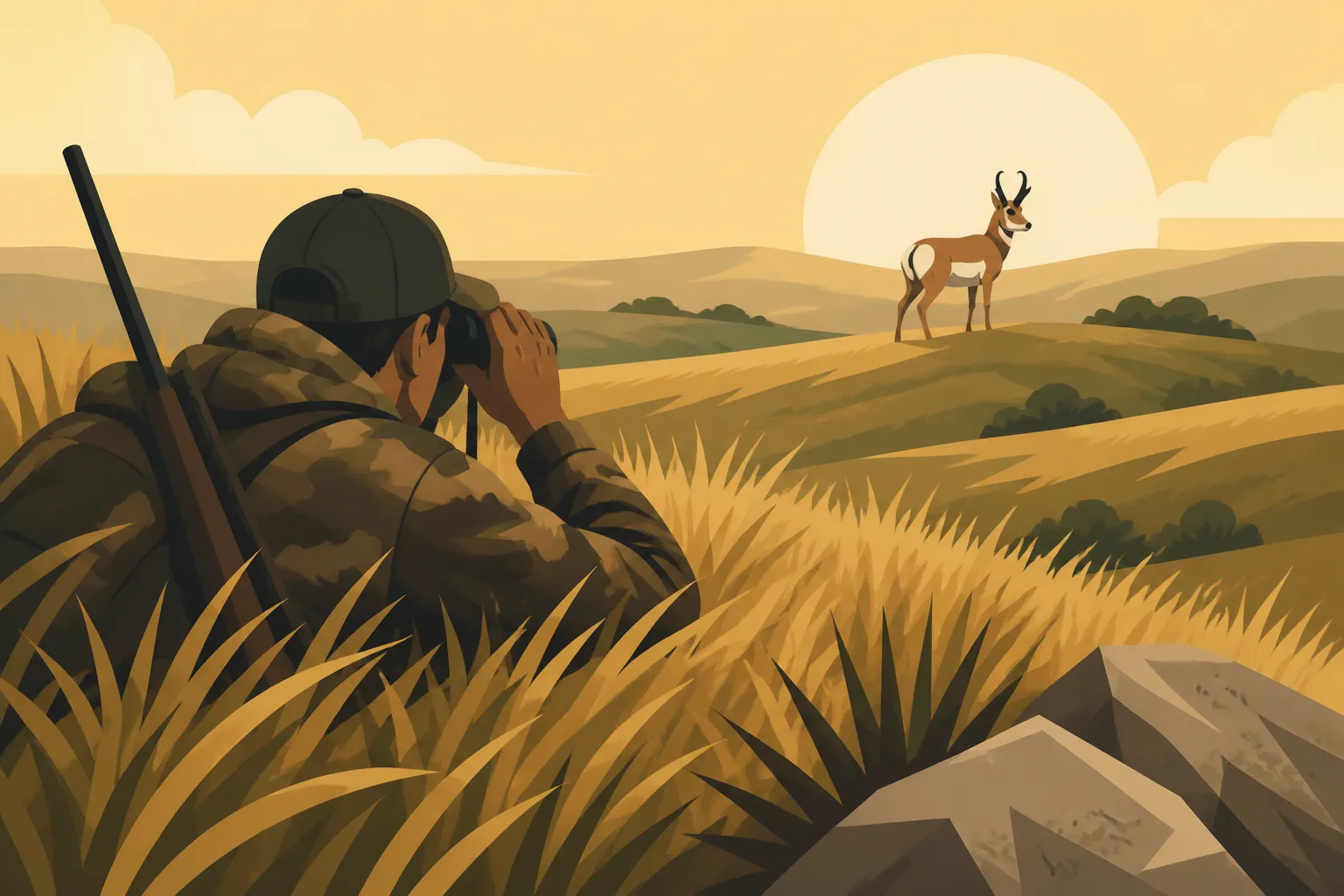
Finding Vantage Points: Start your days early, often before first light, by hiking to the highest available vantage point. This could be the top of a butte, a prominent ridge line, or even a subtle rise that offers a commanding view of the surrounding terrain. Use your binoculars and spotting scope to slowly and methodically pick apart every shadow, every cluster of grass, every fold in the earth. Pay close attention to south-facing slopes in the morning as animals often sun themselves, and north-facing slopes or shaded draws during the heat of the day where they might bed down. Glassing Sandhills Blowouts for Mule Deer provides useful techniques that translate well to the Oglala's similar broken terrain.
Patience and Observation: This phase demands immense patience. Don't rush it. Once you spot something, don't just glance and move on. Study the animal. What is it doing? Feeding, bedded, moving? What direction is the wind blowing? Where is the sun in relation to you and the animal? These details are critical for planning your approach. Consider how GoHunt’s mapping features can assist in this planning, allowing you to visualize elevation changes, drainages, and potential cover from a distance, helping you map out a precise route.
The Stalk Plan: With the animal located and observed, it's time to formulate a stalk plan. This is where you connect the dots between your position, the animal's location, and the available terrain. Your goal is to approach undetected, using every contour, every bit of vegetation as cover. Mentally (or physically, on your map app) trace a path that keeps you out of sight, downwind, and ideally, out of the sun's glare, which can reveal your position. This planning stage is critical and often determines the success or failure of the stalk.
Executing the Stalk and Closing the Distance
This is where the rubber meets the road. All your preparation and spotting comes down to how well you can move through the Oglala's unforgiving landscape.
Utilizing Terrain to Your Advantage: The Oglala's badlands are your best friend during a stalk. Use every draw, every deep cut, every ridge line, and even small undulations in the prairie to shield your movement. Often, a stalk will involve significant detours, moving hundreds of yards in a different direction just to gain a mere 50 yards closer to your target while remaining concealed. Never, ever skyline yourself. If you must cross a ridge, crawl over it slowly, using sparse grass or low brush to break up your silhouette.
Silent and Controlled Movement: This is not a fast process. Move slowly, deliberately. Every step should be checked for noisy dry grass, loose rocks, or cracking branches before you put your full weight down. When the wind is up, it can mask your sounds, but it also carries scent further, so wind direction is paramount. During calmer periods, every rustle can alert a wary animal. Adjust your approach constantly; animals move, and the wind can shift unexpectedly, as highlighted in Wind and Thermals in the Sandhills. You might need to freeze in place for minutes, even hours, if an animal stands up or looks in your direction. The frustration of a blown stalk—due to a sudden thermal swirling your scent, a missed branch crunch, or an animal simply catching movement—is a universal experience for Oglala hunters. But with each blown stalk comes a lesson learned.
The Final Approach and Shot: As you get closer, the intensity ramps up. The last hundred yards, especially on open ground, is often the most challenging. You might find yourself belly crawling through short grass, using your backpack as a shield. Have a solid shooting rest ready – shooting sticks, a bipod, or even a trekking pole can make the difference between a clean shot and a miss. Remember, the Oglala often requires longer shots due to the lack of dense cover, so practicing shooting from various field positions is crucial. Closing the Last Hundred Yards on Sand goes into more detail on this critical final stage.
Post-Harvest and Ethical Considerations
Successfully taking an animal on the Oglala is a fantastic accomplishment, but the work isn't over. The remoteness and environmental conditions demand careful planning for the post-harvest phase.
Field Care and Retrieval in Challenging Terrain
The Oglala's vastness means you could be a long way from your vehicle when you make a harvest. This, coupled with potentially warm temperatures, makes rapid and efficient field care essential.
Quick Processing: As soon as your animal is down, begin the field dressing process. Promptly removing the entrails helps the carcass cool down, which is critical for meat quality, especially during early archery or rifle seasons when daytime temperatures can still be quite warm. Carrying game bags is highly recommended to protect the meat from flies, dirt, and debris while it cools and during transport. Many hunters opt for the gutless method in remote areas, further reducing the weight and bulk of the carcass to be moved. More on this in Field Dressing and Cooling Game in Warm Weather.
Retrieval Challenges: Getting a mule deer or pronghorn out of a deep draw or up a steep badlands slope can be incredibly strenuous. Plan for this. Consider bringing a sturdy game cart if the terrain allows, or be prepared to quarter the animal and pack it out in stages using a strong frame pack. Know your limits and don't push yourself past the point of safety. Vehicle access on the Oglala is often restricted to two-track roads, and getting stuck in sand or mud can quickly turn a successful hunt into a miserable ordeal. Evaluate your exit strategy before you even start the stalk.
Respecting the Land and Other Users
Hunting on public land like the Oglala National Grassland comes with a significant responsibility to respect the environment and other people who share it.
Leave No Trace: Always adhere to Leave No Trace principles. Pack out everything you pack in, including spent shell casings, food wrappers, and any trash. Leaving behind a clean site ensures these beautiful landscapes remain enjoyable for everyone. Be mindful of designated camping areas and fire restrictions, which are often in place during dry periods.
Consideration for Others: You won't be the only one out there. Be courteous to other hunters, hikers, birdwatchers, and even local ranchers who may be using the grassland. This means giving others ample space, avoiding interfering with their activities, and practicing safe firearm handling at all times. Understanding rules, even for public land, is paramount, as detailed in Nebraska Trespass and Permission Law. Programs and resources like those offered by GoHunt also often emphasize ethical hunting practices and responsible land use, reinforcing the values that ensure public hunting remains viable for generations to come. Your actions directly impact the perception of hunters and the future of public access.
| Item Type | Essential for Oglala | Recommended | Notes |
|---|---|---|---|
| Optics | 10x or 12x Binoculars, Tripod, Rangefinder | Spotting Scope (15-60x) | High-quality glass reduces eye strain, tripod for stability |
| Footwear | Durable, Broken-in Hiking Boots | Gaiters | Good ankle support, waterproof for potential wet grass or mud |
| Clothing | Layered System (Base, Mid, Outer Shell), Windproof | Blaze Orange (during rifle seasons) | Crucial for unpredictable weather, wind is constant |
| Navigation | GPS Device or Phone App (GoHunt), Portable Charger | Physical Map & Compass (backup) | Apps with satellite imagery & property lines are invaluable |
| Gear | Backpack, Water (2-3L+), Snacks, First-Aid Kit | Shooting Sticks/Bipod, Game Bags | Self-sufficiency is critical in remote areas, protect your meat |
| Weapon | Rifle/Bow (legal for season), Appropriate Ammunition | Cleaning Kit, Spare Release/Arrows | Practice shooting from field positions, zero for prairie distances |
Disclaimer
Please note that hunting regulations, season dates, and public access rules can change. It is always the hunter's responsibility to consult the most current Nebraska Game and Parks Commission regulations and federal land guidelines before planning any hunt. This guide is for informational purposes only and should not replace official sources.