Quail Hunting Nebraska Shelterbelts
If you've ever spent a crisp fall morning walking the edges of a Nebraska cornfield, you know the frustration of seeing prime pheasant habitat, only to realize the real jewel—the bobwhite quail—is often hidden in plain sight. These elusive little rockets thrive in dense, protective cover, and for many hunters, cracking the code of how to find and effectively hunt them in Nebraska's numerous shelterbelts can feel like an impossible task. This guide is here to walk you through the nuances of successful quail hunting in these critical strips of habitat, offering practical strategies, gear advice, and tips to transform those frustrating misses into memorable covey flushes.
Understanding Nebraska's Quail Habitat
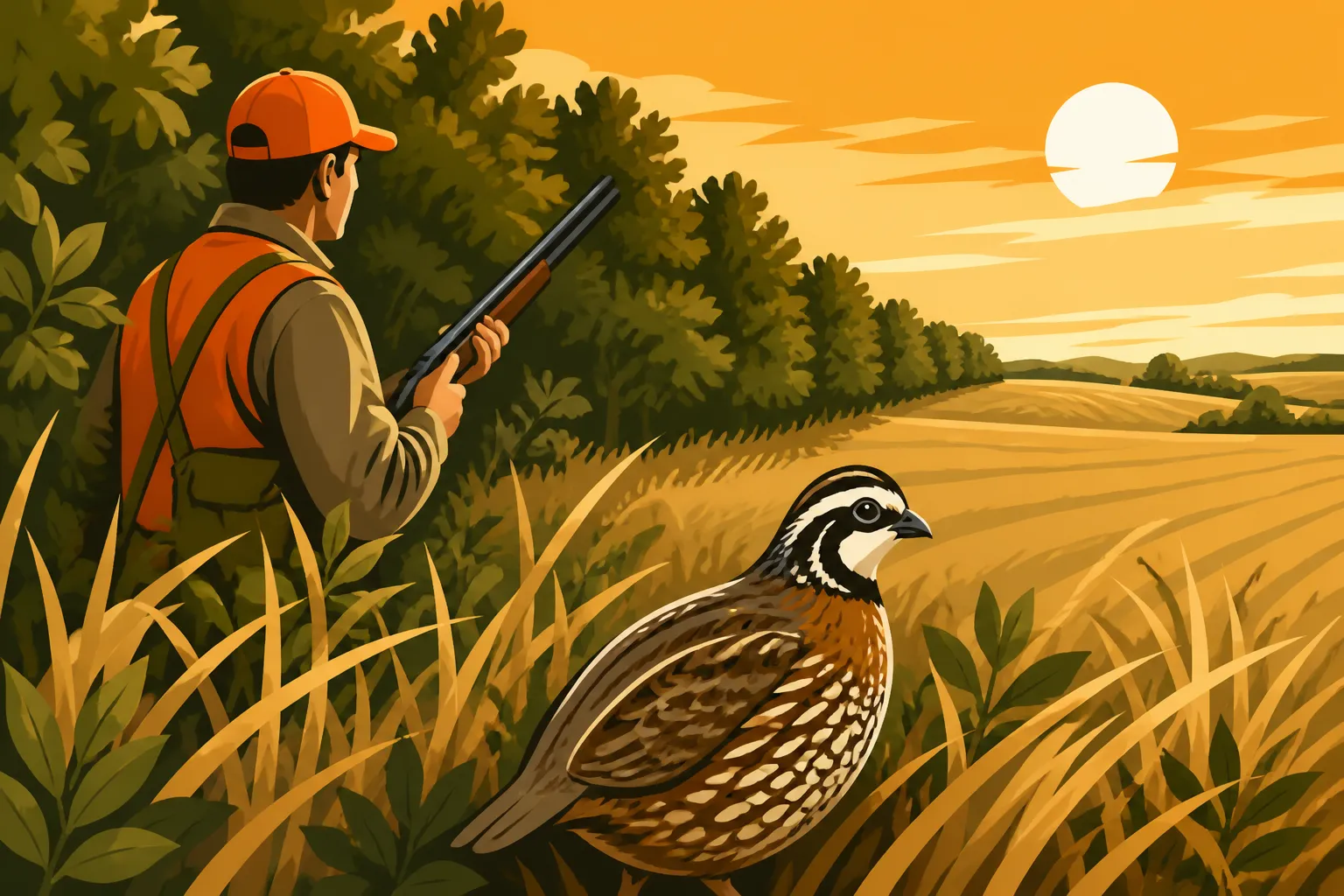
Nebraska's landscape is diverse, but for bobwhite quail, one habitat feature stands out as an absolute magnet: the shelterbelt. These linear plantings of trees and shrubs, originally designed to protect fields from wind erosion or serve as snow fences, have become vital refuges for quail and other small game. They offer everything a quail covey needs to survive and thrive, especially as winter approaches.
The Anatomy of a Productive Shelterbelt
Not all shelterbelts are created equal when it comes to holding quail. The most productive ones aren't just a single row of cedars; they're often a multi-layered haven. Think about a good shelterbelt as having distinct "rooms." You'll have a dense, shrubby understory that provides incredible thermal cover and protection from predators, especially sharp-eyed hawks and ground-prowling coyotes. Species like Siberian peashrub, multiflora rose, or even volunteer sumac create an almost impenetrable tangle. Above that, you'll find taller evergreens like Eastern red cedar, which offer crucial overhead protection from snow, ice, and aerial predators, while also providing roosting sites.
Beyond just the species of trees and shrubs, the structure is paramount. A truly great shelterbelt for quail will have varying densities and heights, creating pockets where quail can loaf, dust, and escape danger. The width of the belt also plays a huge role; wider belts with a more complex interior structure tend to hold more birds than narrow, single-species rows. These areas offer stability through different weather conditions, allowing coveys to stay put even during harsh Nebraska winters.
Beyond the Trees: Adjacent Cover
While the shelterbelt itself is critical, what surrounds it is almost as important. Quail are edge creatures; they don't typically spend all day deep inside a dense timber block. They need easy access to food sources, and that means productive shelterbelts are almost always adjacent to crop fields, hay meadows, or native grass pastures. Imagine a shelterbelt bordering a harvested cornfield, or even better, a milo field left standing through the early part of the season. These agricultural areas provide a vital food source, offering seeds and insects.
Additionally, escape cover immediately outside the shelterbelt can be a game-changer. A strip of native warm-season grasses or even a weedy fence line running parallel to the trees gives quail quick access to more open feeding areas while still being just a few wing beats away from the safety of the dense cover. This transitional habitat is where you'll often encounter birds on the move, especially during morning and evening feeding forays. When you're scouting, pay close attention to where the shelterbelt meets these food sources; that's often where the coveys will be concentrating their activity. Think about how a covey would move from their roosting cover within the shelterbelt out to feed, and then back again. This movement corridor is your target.
Seasonal Changes and Quail Movement
Quail behavior, and therefore their location, shifts significantly throughout Nebraska's hunting season. Early in the fall, when the weather is still mild and cover is abundant, quail might be found in a wider variety of habitats. However, as temperatures drop and frost begins to thin out herbaceous cover, shelterbelts become increasingly vital. The dense evergreens and shrubby understory provide unparalleled thermal protection, shielding birds from biting winds and heavy snow. This makes them prime targets for hunters later in the season.
During early season hunts, especially in September and October, you might find quail pushed further out into grassy fields or weedy draws adjacent to shelterbelts, capitalizing on the remaining insect life and seed production. But once November hits and particularly into December and January, the shelterbelts become fortresses. Birds will concentrate in the warmest, densest parts of these strips, often seeking out south-facing slopes within the belt that catch more sunlight. Understanding these shifts is crucial; what worked in October might not yield results in December. Keep an eye on the weather forecast and adjust your hunting strategy accordingly, focusing more intensely on the core shelterbelt areas as the season progresses.
Scouting Shelterbelts for Productive Quail Hunting
Successful quail hunting in Nebraska's shelterbelts isn't just about showing up and walking through. It's about smart scouting, both digitally and on the ground, to pinpoint where birds are likely to be. Time spent before the season or even the day before a hunt can dramatically increase your chances of flushing birds.
Pre-Season Digital Reconnaissance
Before you even step foot in the field, modern tools can give you a massive advantage. Satellite imagery, accessible through apps like GoHunt or other popular hunting mapping platforms, allows you to identify potential shelterbelts from your couch. Look for long, unbroken strips of dense cover, especially those with multiple rows of trees and shrubs. Pay close attention to their proximity to agricultural fields—corn, milo, soybeans—or even hay ground and pastures. The greener, denser looking shelterbelts on the imagery, particularly those with a wider footprint, are often the most promising.
Beyond simply identifying shelterbelts, use these digital maps to plan your approach. Identify potential parking areas, note any visible access points, and consider how you'll work the belt based on its layout and prevailing wind direction. You can even identify areas where the shelterbelt might widen, creating small pockets of extra dense cover, or where it connects to other features like creek bottoms or fence lines that could funnel bird movement. This pre-planning allows you to maximize your time in the field and avoid wasting effort on less promising areas. Platforms like GoHunt often overlay public land boundaries and sometimes even Open Fields and Waters tracts, which can be invaluable for non-residents or those without private land access.
Boots-on-the-Ground Assessment
Once you've narrowed down your digital targets, nothing beats putting boots on the ground. During the off-season, or even a few weeks before the opener, a walk-through can confirm your suspicions and reveal details satellite imagery can't. Look for actual quail sign: small, heart-shaped tracks in dusty areas, feather piles where a covey has been dusted, or droppings. Pay attention to the understory density – can you easily walk through it, or is it a tangled mess? The denser, the better for quail, even if it's tougher for you.
Walk the edges of the shelterbelt, noting any areas where it transitions into grassy cover or crops. These edges are often where coveys feed and move. Check for water sources nearby, even if it's just a low spot that collects rain. During this scouting, you're not just looking for quail sign, you're also evaluating the terrain, potential obstacles, and planning your actual hunting routes. This groundwork will allow you to make informed decisions come opening day, like where to start your dogs or where to position blockers for a drive. For comprehensive public land maps, always check the latest version of the Nebraska Public Access Atlas.
Reading the Signs: Tracks, Droppings, and Dust Bowls
When you're actively hunting or scouting, becoming a detective is key. Quail are masters of concealment, but they leave clues. Fresh tracks, particularly after a rain or in soft soil, are a dead giveaway. Look for the distinct three-toed print, often accompanied by small drag marks from their inner toe. Droppings are another sign, small and dark, usually found in loafing areas or near feeding sites. You'll often find these clustered together where a covey has spent time.
Perhaps one of the most exciting signs is a dust bowl. Quail, like many ground birds, take dust baths to clean their feathers and rid themselves of parasites. These shallow depressions in soft, dry earth, often under a protective shrub or low-hanging branch, indicate recent activity. The fresher the dust bowl, the more likely a covey is still in the immediate vicinity. If you find multiple fresh dust bowls, you've likely hit the jackpot. These signs, when combined with appropriate cover, tell you you're in the right place and that birds are actively using that specific part of the shelterbelt.
Effective Hunting Strategies for Shelterbelt Quail
Hunting quail in Nebraska's shelterbelts requires a strategic approach. These aren't birds that sit tight in open fields; they're expert hiders, and getting them to flush within range requires teamwork, patience, and often, a good dog.
Working a Shelterbelt with Dogs
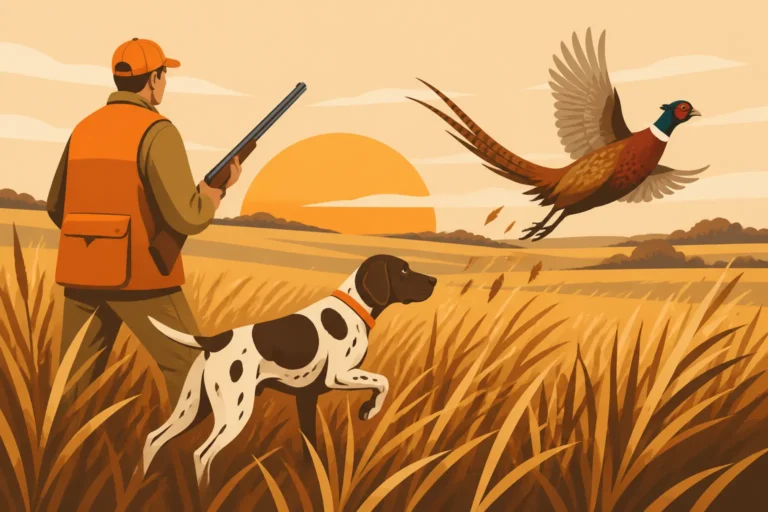
A well-trained bird dog is undoubtedly your biggest asset when hunting quail in shelterbelts. Pointers and flushers each bring their own advantages. A good pointing dog will methodically work the dense cover, locking up on a covey and allowing you to move in for the flush. This is especially useful in wider, thicker shelterbelts where birds can be easily missed. Watch your dog's body language closely; a slow, deliberate tail wag or a sudden stiffening often means they're scenting birds. Once they're on point, move in quickly but carefully, being ready for an explosive covey rise.
Flushers, like Springer Spaniels or Labs, excel at busting birds out of the densest tangles. They can push through thorny shrubs and thick cedars that a pointer might struggle to navigate as precisely. The key with a flusher is to keep them working within effective shooting range and to be constantly prepared for a flush. Regardless of breed, ensure your dog is conditioned for the strenuous work of pushing through heavy cover and has appropriate protective gear to prevent cuts and scrapes. You can learn more about Dog Training on Open Fields Ground for pointers and flushers.
Strategic Flushing and Blocking
Hunting a shelterbelt effectively often involves a coordinated effort, especially with two or more hunters. If the shelterbelt is relatively narrow, one or two hunters can walk through it with dogs, pushing birds toward the ends. Meanwhile, "blockers" can position themselves strategically at the ends or along the opposite side of the belt, ready for birds attempting to escape. Quail typically fly low and fast when flushed, often following the line of the shelterbelt before veering off into adjacent cover. Knowing this escape pattern is crucial.
For wider shelterbelts, a more systematic approach is needed. Consider starting at one end and working slowly, zig-zagging to cover the entire width. If the shelterbelt is long, you might divide it into sections. The goal is to move birds, not just walk past them. Stop frequently, listen for chirps, and observe your dog's behavior. Sometimes, a short pause is all it takes for a nervous covey to flush, or for your dog to pinpoint their location. This method of Blocking and Driving a Nebraska Field is not just for pheasants; it works wonders for quail, too.
Covey Rise Shooting Discipline
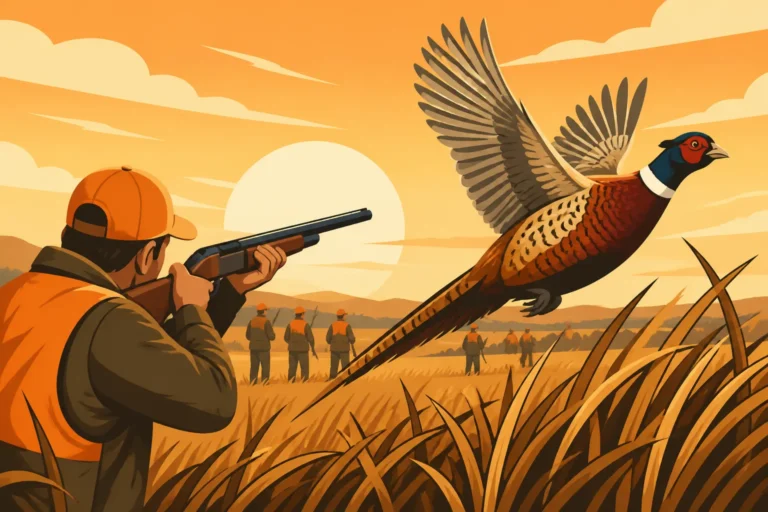
The covey rise is one of the most exciting and chaotic moments in upland hunting, but it's also where many shots are missed due to excitement and poor discipline. When a covey bursts from cover, the natural instinct is to swing wildly and shoot into the brown cloud. Resist this urge! Instead, pick a single bird, focus on it, and make a clean shot. Take a deep breath if you can, let the first few birds go, and concentrate on one of the stragglers. You'll have a much higher success rate and avoid the frustration of empty shots.
Always be aware of your hunting partners and dogs. Never shoot toward another hunter or in a direction where a dog might be. Safety is paramount. Once the dust settles (literally!), mark where the birds flew and scattered. Quail will typically fly a certain distance and then drop quickly into the nearest dense cover. If you can mark their landing zone, you have a good chance of finding singles, which often hold tighter than the original covey. This kind of Covey Rise Shooting Discipline is essential for ethical and successful quail hunting. For more general shooting tips, consider reviewing resources on Shot Placement on a Rising Rooster which apply to fast-flushing birds.
Gear and Dog Considerations for Shelterbelt Hunts
Hunting Nebraska's dense shelterbelts demands specific gear for both you and your canine companion. The right equipment can make the difference between an enjoyable, productive hunt and a day filled with frustration, discomfort, or even injury.
Shotguns and Ammunition for Fast Flushes
For quail, a fast-handling shotgun is key. The shots are usually close, quick, and reactionary. A 20-gauge shotgun is incredibly popular for quail due to its lighter weight and lower recoil, making it easy to carry all day and quick to swing. However, a 12-gauge can also be effective, especially if you plan to hunt pheasants and quail simultaneously and only want to carry one gun. The most important thing is that the shotgun fits you well and you can mount it smoothly and quickly. You'll want a more open choke, like improved cylinder or even skeet, to provide a wider pattern at close ranges where covey flushes occur.
When it comes to ammunition, #7.5 or #8 lead shot is the standard for bobwhite quail. These smaller pellets provide a dense pattern that's effective on these relatively small birds without excessive damage to the meat. Carry plenty of shells, as covey rises can lead to multiple quick shots, and you'll often spend time working singles after the initial flush. For those hunting on specific public lands, be sure to check if Nontoxic Shot Rules on Nebraska WMAs apply. Generally, lead is fine for upland birds on most private land, but always verify regulations for any area you hunt.
Protecting Your Dog in Heavy Cover
Your dog is an athlete, and hunting thick shelterbelts is tough on them. Thorny shrubs, abrasive stubble, and hidden hazards can cause painful cuts and abrasions to paws and bodies. Investing in a good quality protective vest or chest protector can save you a veterinary bill and keep your dog in the field longer. These vests shield their chest and belly, areas particularly vulnerable to thorns and sharp sticks. Additionally, consider dog boots, especially if your dog has sensitive paws or if you're hunting in particularly harsh terrain. While some dogs resist them at first, getting them accustomed to boots before the season can prevent injuries.
Beyond physical protection, ensure your dog is well-hydrated. Running hard in dense cover, even on cool days, can lead to overheating. Carry plenty of water and offer it frequently. A GPS collar is also an invaluable tool, especially in expansive shelterbelts where a dog can quickly disappear from sight while on point or trailing a runner. Products like those from Garmin are popular for their reliability and tracking capabilities. This not only helps locate a lost dog but can also aid in finding them quickly if they become injured. Remember, a healthy, happy dog is a productive hunting partner.
Essential Hunter Gear for Shelterbelt Hunting
Your own comfort and safety are just as important. Start with good quality brush pants or chaps. The same thorns and sharp branches that can cut your dog will tear up regular hunting pants. Look for durable, thorn-resistant materials that can withstand the abuse of pushing through thickets. Layered clothing is also crucial for Nebraska's unpredictable fall and winter weather. You'll be working hard, generating heat, but you'll also be standing still at times. A good moisture-wicking base layer, insulating mid-layers, and a durable, wind-resistant outer shell will keep you comfortable.
A comfortable, supportive upland vest or game bag is essential for carrying shells, water, snacks, and any birds you harvest. Ensure it has plenty of blaze orange to meet Nebraska's Nebraska Blaze Orange Square Inches requirements, especially during deer firearm seasons when upland hunting can overlap. Good quality boots that offer ankle support and are waterproof are non-negotiable for walking uneven ground and potentially wet cover. A compass or a reliable GPS app on your phone (like the GoHunt app with its mapping features) is also crucial for navigation, especially if you're working a large or unfamiliar shelterbelt. Don't forget a basic first-aid kit for both yourself and your dog, as minor scrapes and cuts are common.
Navigating Public vs. Private Land for Quail
Access is often the biggest hurdle for hunters, and quail hunting in Nebraska is no exception. Understanding the avenues for public access and the etiquette for securing private land permission is crucial.
Utilizing Nebraska's Open Fields and Waters
Nebraska offers an excellent program called Open Fields and Waters (OFW), which provides public hunting access on private land. Many landowners enroll their property, including shelterbelts, into this program, opening up opportunities for hunters. These areas are clearly marked with distinctive yellow and white signs, indicating they are open for public hunting. The Nebraska Public Access Atlas, available online and sometimes in print, is your best friend for locating these OFW tracts. The mobile app version is particularly useful in the field, showing property boundaries and public access points.
While OFW areas are fantastic, it's vital to respect the rules. Many tracts are "walk-in only," meaning no vehicle access beyond designated parking. Always read the signage carefully for any specific restrictions. Also, understand that these tracts can change yearly as landowner agreements expire or new ones are made, so always consult the most current atlas before heading out. For a detailed breakdown, check out How Nebraska's Open Fields and Waters Works. These tracts can be fantastic places to find quail, as many landowners enroll areas that might not be ideal for large-scale farming but offer excellent wildlife habitat.
Building Relationships for Private Access
While public lands and OFW tracts offer great opportunities, some of the best quail hunting can be found on private land. Gaining access requires effort, respect, and building relationships. The golden rule is always to ask permission well in advance of the season. Don't show up on opening day expecting a "yes." Farmers and landowners are busy people; approach them respectfully, ideally in person, and be prepared to explain exactly what you want to hunt and when. Offer to help them out with chores, if appropriate, or even share some of your harvest.
Being a good guest is paramount. Drive slowly on their property, close all gates, pick up any trash (even if it's not yours), and report any suspicious activity you see. A small gift at the end of the season, like a game bird processor gift certificate or a basket of goodies, can go a long way in securing future access. Remember that landowners have the final say, and a "no" should be respected gracefully. Over time, consistent courtesy and reliability can open up opportunities that others miss. For specific guidance, read up on Asking a Nebraska Farmer for Permission.
Disclaimer
Hunting carries inherent risks, including but not limited to injury or death. Always prioritize safety, follow all local, state, and federal regulations, and obtain appropriate licenses and permits. The information provided in this guide is for informational purposes only and should not be considered a substitute for professional instruction or direct consultation with wildlife authorities. It is your responsibility to understand and adhere to all hunting laws and best safety practices.