Dog Training on Open Fields Ground
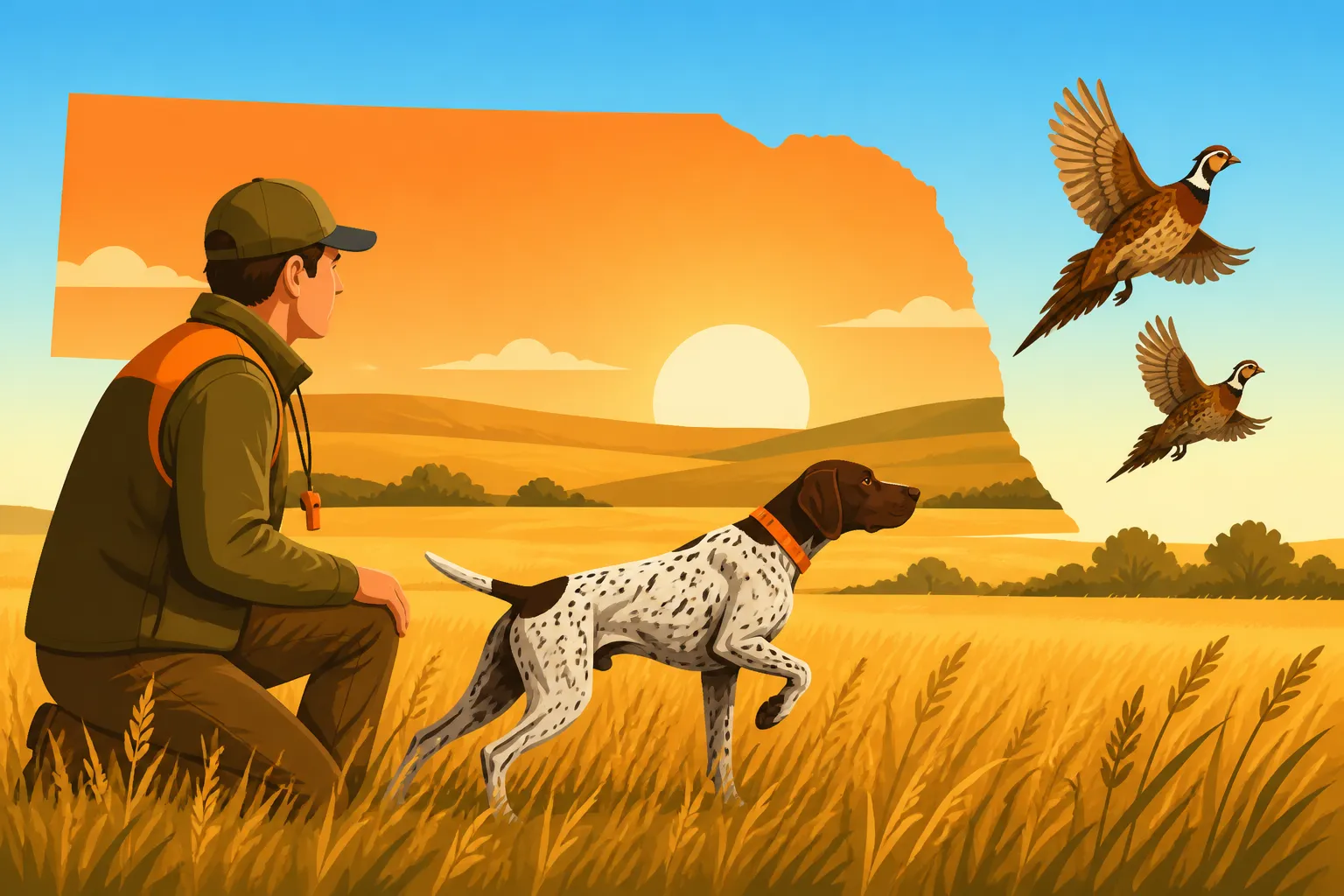
If you're a dedicated bird dog owner in Nebraska, you know the struggle is real when it comes to finding suitable ground for dog training. It's not always easy to find expansive, game-rich areas where you can safely work your canine companion without worrying about private land boundaries or disrupting active hunting seasons. This guide is here to walk you through how Nebraska's Open Fields and Waters program can be a game-changer for your dog training regimen, offering invaluable insights into navigating its opportunities and challenges.
Understanding Nebraska's Open Fields and Waters Program for Dog Training
Nebraska's Open Fields and Waters (OFW) program is a fantastic initiative that provides public access to privately owned lands for hunting, trapping, and fishing. But for those of us with bird dogs, it's also an incredibly valuable resource for training outside of the official hunting seasons. These tracts often comprise prime habitat, mimicking the conditions you'll find during the actual hunting season, making them ideal for developing a dog's skills and building confidence. It's truly a win-win, allowing landowners to generate some income while offering crucial access to hunters and dog trainers alike.
Many dog owners, myself included, often hit a wall trying to secure permission on private ground, or they find public wildlife management areas (WMAs) too crowded or restricted during certain times of the year. The OFW program bridges this gap, opening up thousands of acres that might otherwise be inaccessible. This means more opportunities for your retriever to practice marks, your pointer to work scent, or your flusher to push through cover. It's essential, however, to understand the nature of these lands—they are private lands with public access, not public lands outright. This distinction carries important implications for how and when you can use them, particularly for dog training purposes. Knowing these nuances will save you a lot of headaches and ensure you're a responsible user.
Rules and Regulations for Dog Training on OFW Lands
While Open Fields and Waters tracts offer incredible opportunities, they come with their own set of rules and regulations. It's not a free-for-all, and understanding these specifics is paramount to being a good steward and avoiding any unwelcome surprises. The Nebraska Game and Parks Commission outlines what is and isn't allowed, and these rules are designed to protect the landowner's property, respect other users, and manage the wildlife resource. Always remember that while you're training your dog, you're still operating within the framework of state wildlife laws and private land agreements.
One of the first things to clarify is whether dog training is specifically permitted on a given OFW tract. Most tracts that allow hunting will implicitly allow dog training, but there can be exceptions or specific limitations on certain properties. It's always best practice to consult the Nebraska Public Access Atlas for the specific tract you're interested in. This atlas will detail allowed activities, seasons, and any special restrictions. For instance, some tracts might be designated "walk-in only," which means no vehicles beyond designated parking areas, a critical detail if your training involves setting up multiple scenarios or moving equipment. Others might have restrictions on the use of live birds or blank pistols, so always read the fine print.
During the actual hunting seasons, especially for upland birds like pheasants and quail, OFW tracts can become quite busy. While you might still train your dog, you'll need to be extra mindful of active hunters. This means donning your blaze orange, even if it's not strictly required for dog training outside of deer season, and maintaining control of your dog at all times. The last thing anyone wants is a trained dog flushing a bird intended for another hunter, or worse, getting in the way of a shot. It's often wiser to seek out different tracts or train during off-peak hours. Many people prefer to train during the spring and summer months when hunting seasons are closed, allowing for more solitary and focused sessions. Just be aware of the increasing heat as summer progresses and consider the welfare of your dog. Here's a quick reference on typical OFW uses for dog training:
| Activity / Type of Training | Best Suited OFW Habitat | Key Considerations |
|---|---|---|
| Pointing/Flushing | CRP Grasslands, Milo/Corn Stubble, Shelterbelts | Check for active hunting seasons; avoid disturbing nests in spring. Ideal for Walking Milo and Corn Stubble for Pheasants. |
| Retrieving (Upland) | Open Fields, Hay Meadows, Crop Edges | Use training dummies; ensure no live game is being "hunted" illegally. |
| Waterfowl Retrieving | Ponds, Lakes, River Access (if designated) | Ensure water access is allowed; check for Nebraska Duck Zones and Split Seasons. Be mindful of active waterfowl hunters. |
| Tracking/Shed Hunting | Timbered Draws, River Bottoms, Open Pasture | Respect private property; no digging or disturbing soil. Good for building scent work skills. |
Beyond state regulations, remember the unwritten rules of etiquette. Always pick up after your dog, leave no trash behind, and close any gates you open. These simple actions ensure continued good relationships with landowners and help keep the OFW program strong. If you're wondering about using tools like e-collars, be sure to understand the specific guidelines for E-Collar Use on Public Ground or on these public access lands to ensure compliance.
Practical Tips for Training Your Dog on Open Fields Ground
Now that you know where and when you can train, let's talk about how to make the most of these incredible resources. Training on OFW ground presents unique advantages and some distinct challenges compared to a controlled training field. You're dealing with real-world scenarios, wild game, and varying terrain, all of which are excellent for conditioning your dog for actual hunting situations.
First and foremost, scouting is key. Don't just show up and expect ideal conditions. Use resources like the Nebraska Public Access Atlas Mobile App or a mapping tool like onX Hunt to virtually scout potential training areas before you ever put boots on the ground. Look for diverse cover, water sources if you're working a retriever, and clear access points. Pay attention to the boundaries; while these are OFW tracts, surrounding land is almost certainly private, and you don't want to inadvertently trespass. Apps like onX Hunt are incredibly useful for seeing property lines and staying within the designated OFW areas, ensuring you respect the landowner's boundaries. They also help you identify habitat types, like areas of good CRP Acres and Nebraska Bird Numbers, which are crucial for bird dog work.
When you're actually out there, focus on progressive training. Don't throw your young pup into the thickest cover on day one. Start in more open areas, building confidence and reinforcing basic commands. As your dog progresses, gradually introduce more challenging terrain and cover. This realistic environment allows you to simulate actual hunting conditions, teaching your dog to navigate heavy cover, cross fences, and handle the unexpected flushes of wild birds. For instance, working a pointer in taller prairie grasses found on many OFW tracts can really test their ability to hold point and work scent without seeing the bird, which is invaluable. Always remember to carry enough water, especially during warmer months, as dogs can dehydrate quickly, and water sources on some tracts may be sparse or contaminated. This is where good Bird Dog Gear for Nebraska Heat becomes non-negotiable.
Leveraging Technology and Resources for Optimal Training
In today's world, technology and readily available information can significantly enhance your dog training efforts on Nebraska's Open Fields and Waters ground. It's about working smarter, not just harder, to get the most out of your time afield.
One of the most powerful tools in your arsenal will be a good mapping application. As mentioned, tools like onX Hunt are indispensable for pre-scouting and real-time navigation. You can see aerial imagery to identify cover types, water features, and access roads, mark potential training spots, and most importantly, clearly see property boundaries. This prevents accidental trespass and helps you identify adjacent public ground or other OFW tracts you might want to explore. GoHunt also offers robust mapping and data, which can be particularly useful for understanding game distribution if you're looking for areas that might naturally hold birds, even outside of hunting season. These applications allow you to download maps for offline use, which is critical in many rural Nebraska areas where cell service can be spotty at best. Imagine driving an hour to a prime spot only to find you can't access your map – that's a frustration these apps solve.
Beyond mapping, don't underestimate the power of local knowledge and community resources. Connect with other bird dog enthusiasts, whether through local chapters of hunting organizations or online forums. These communities often share insights on specific OFW tracts, recent bird sightings (even outside of hunting season), or best practices for training in Nebraska's unique environments. Some might even organize informal training days, providing a great opportunity for your dog to work alongside other dogs and learn proper field etiquette. Remember, consistent exposure to new environments and challenges is what truly makes a well-rounded bird dog. Understanding the layout and general activity of an area can often be gleaned from conversations with local hunters, especially if you know where to find folks discussing topics like Scouting Nebraska Public Ground Before Opening Day. A successful training regimen is built on a foundation of preparation, practice, and continuous learning, both for you and your canine partner.
Disclaimer
This article is for general informational purposes only and does not constitute professional advice. Laws, prices and regulations vary by location and change over time. Consult a qualified professional for guidance on your specific situation.