Fishing Access Through Open Fields
Finding reliable public fishing access in Nebraska can sometimes feel like trying to find a needle in a haystack, especially if you're venturing beyond the well-known reservoirs and state parks. Many anglers grapple with identifying legal access points, understanding specific land use rules, and knowing what to expect once they get there. This guide is designed to peel back the layers of Nebraska's Open Fields and Waters (OFW) program, focusing specifically on how it can open up a world of fishing opportunities across the state, and how to navigate it like a seasoned pro.
Understanding Nebraska's Open Fields and Waters Program for Anglers
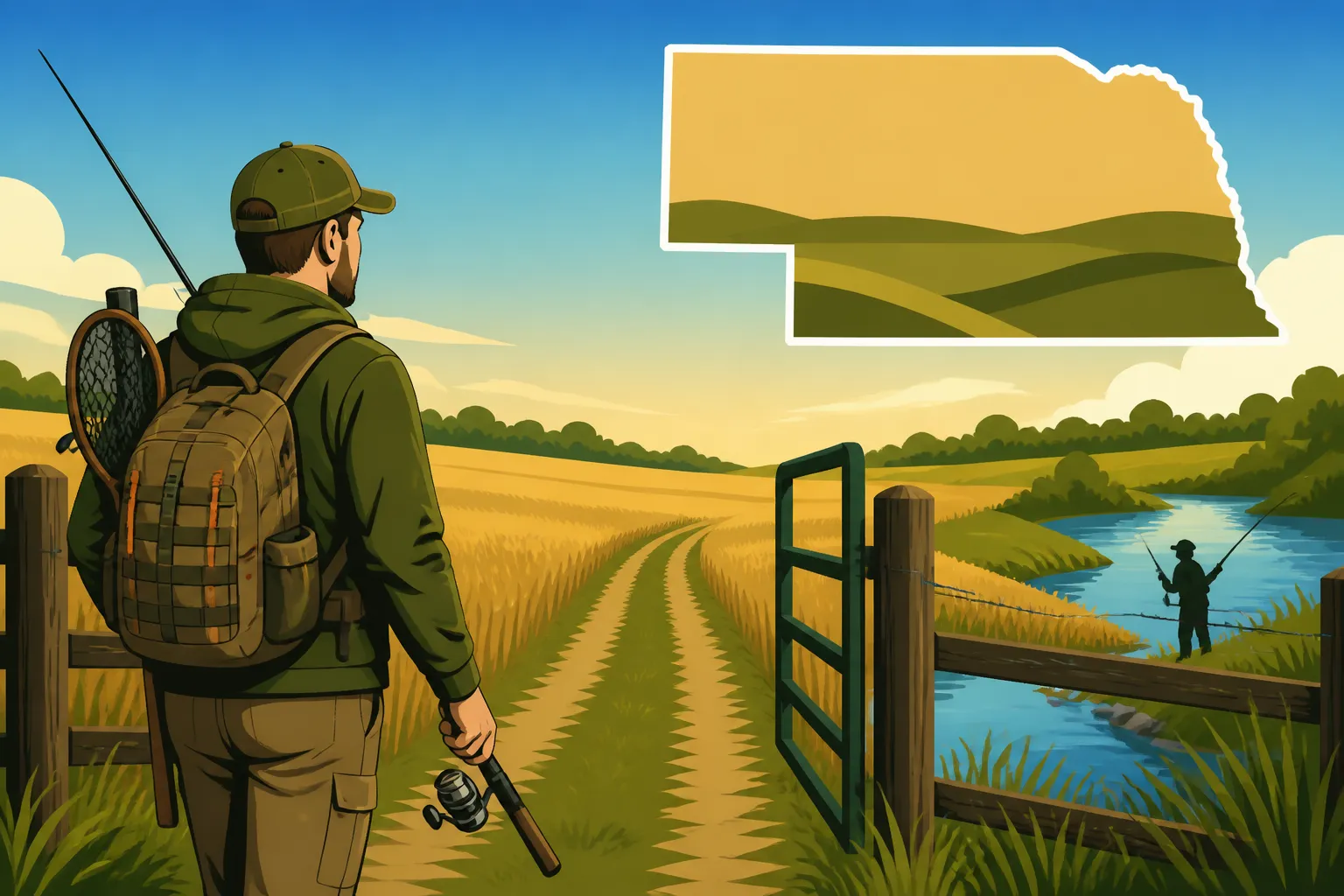
The Nebraska Game and Parks Commission's Open Fields and Waters (OFW) program is a true gem for outdoor enthusiasts in the state, and not just for hunters. While its name often conjures images of pheasants flushing from CRP fields or deer stepping out of a timber edge, the "Waters" part of its moniker is incredibly significant for those of us who prefer a rod and reel. This program essentially leases access from private landowners, opening up thousands of acres and miles of waterways that would otherwise be off-limits to the general public. It's a fantastic solution to the common problem of limited public access in a state with a lot of private property.
For anglers, this means potential access to small ponds, private lakes (though less common for fishing), stretches of rivers, creeks, and even wetlands that hold a variety of fish species. Imagine driving past a promising-looking farm pond year after year, wondering what kind of bass or bluegill might be lurking beneath its surface. The OFW program can turn that wonder into a real fishing trip. It’s a dynamic system, with tracts changing from year to year, so staying informed is key. The program aims to create a network of accessible lands and waters, benefiting both resident and nonresident outdoor users by dramatically expanding the options beyond traditional public land offerings.
These tracts are often smaller and more spread out than large Wildlife Management Areas, offering a sense of discovery and solitude that can be hard to find on more heavily pressured public spots. You might find yourself casting a line in a quiet creek where you're the only one for miles, or exploring a wetland complex that offers hidden pockets for panfish or even northern pike. It’s a testament to partnerships between private landowners and the state, ensuring that Nebraska’s natural resources are enjoyed by all who seek them out responsibly. Just remember, these are private lands generously opened for public use, so respect for the landowner's property is paramount.
Finding Open Fields and Waters Fishing Access
Locating these hidden angling gems within the OFW program requires a bit of homework, but thankfully, the tools available today make it much easier than it once was. Gone are the days of just hoping you stumble upon a sign. The Nebraska Game and Parks Commission has invested heavily in resources to help you find precisely where you can legally cast a line.
The primary tool for any angler or hunter looking to utilize this program is the Nebraska Public Access Atlas. This atlas, available both in print and digitally, is updated annually and provides maps detailing all OFW tracts, along with other public lands like Wildlife Management Areas and federal lands. It's a crucial resource that highlights not just the boundaries but also the specific regulations for each tract, which can sometimes vary. I always recommend grabbing a physical copy for those areas where cell service might be spotty, but the digital version on your phone is incredibly convenient for real-time navigation.
Beyond the official atlas, mapping applications have become indispensable. I personally rely heavily on apps like onX Hunt. This app allows you to overlay the Nebraska Game and Parks public land layers, including OFW tracts, directly onto satellite imagery. This is a game-changer because you can see the precise boundaries, topographical features, and potential access points, all while scouting from your couch. You can even drop pins on promising looking bends in a river or isolated ponds. Using the Atlas App Without Service is a critical skill for remote areas, and many apps like onX allow you to download maps for offline use, ensuring you don't get lost when you're off the grid.
Another fantastic resource, especially for those who like to do deep dives into scouting, can be found with services like GoHunt. While often geared towards big game hunting, these platforms sometimes offer sophisticated mapping tools and data analysis that can help identify areas with specific water features or habitat that might be productive for fishing. Combining these advanced mapping capabilities with the official OFW maps gives you an unparalleled advantage in planning your trip.
Here’s a quick overview of how to typically find and interpret OFW fishing access:
| Method | Description | Best Use Case |
|---|---|---|
| Public Access Atlas | The official publication from Nebraska Game and Parks. Available online as a PDF or in physical booklet form. It provides detailed maps with OFW boundaries, parcel numbers, and specific rules for each tract. It's the most authoritative source for where access is permitted and for what activities. The maps clearly delineate walk-in only areas, parking, and specific water bodies. Make sure you get the most current year's version, as tracts can change. | Essential for understanding legal access and rules. Great for initial trip planning and overview of available areas. Physical copy is invaluable where cell service is unreliable, ensuring you always have the definitive reference at hand. Check for specific fishing icons or notes on each tract's entry. |
| onX Hunt App | A subscription-based mapping app that overlays public and private land boundaries onto satellite imagery. It includes the official Nebraska Game and Parks land layers, allowing you to see OFW tracts, WMAs, and other public grounds. You can mark waypoints, measure distances, and track your movements. Its GPS functionality is precise, showing exactly where you are relative to property lines. The ability to download maps for offline use is crucial for areas with poor cell service, preventing you from accidentally trespassing. | Ideal for detailed scouting, navigation in the field, and verifying property lines in real-time. Extremely useful for identifying specific water features like small ponds, creek bends, or river access points within OFW tracts. It helps confirm your location and ensure you are within the designated access area, making it a critical tool for ethical and legal angling. |
| GoHunt & Similar Tools | While often focused on hunting, some advanced mapping and data aggregation platforms provide robust features for identifying specific habitat types, water sources, and topographical features. These can sometimes offer additional satellite views, historical data, or analytical tools that, when combined with OFW data, can highlight promising, less-pressured fishing locations. Some might even offer specialized filters for aquatic features, though this is less common than for hunting attributes. | Excellent for advanced scouting and in-depth habitat analysis, particularly if you're looking for patterns or less obvious fishing spots away from main roads. Can complement the official atlas and onX by providing a different perspective or additional layers of information, helping you predict fish locations based on environmental factors. |
When scouting, don't just look for large lakes. Often, the smaller, overlooked creeks and ponds within OFW can provide incredible fishing for panfish, bass, or even catfish. Pay attention to stream miles and smaller impoundments marked on the maps. Remember, these lands are often contiguous with River-Bottom Whitetail Hunting in Eastern Nebraska or Walking Nebraska Pheasant Cover With a Dog areas, meaning you might find yourself sharing the outdoors with hunters during certain seasons, so awareness and courtesy are always important.
Rules and Etiquette for Fishing OFW Tracts
Just because a piece of water is part of the Open Fields and Waters program doesn't mean it's a free-for-all. There are specific rules and, more importantly, a strong code of etiquette that anglers need to follow to ensure these precious access opportunities continue. Remember, these are private lands, and the landowners are doing us a huge favor by allowing public use. Our behavior directly impacts the future of the program.
First and foremost, always consult the most current Public Access Atlas for the specific tract you plan to visit. While general rules apply statewide, individual OFW agreements might have unique restrictions. For example, some tracts may be "Walk-In Only," meaning no vehicles beyond designated parking areas. Others might have restrictions on the types of activities allowed or even specific hours of access. It's your responsibility to know these details before you go. You wouldn't want to drive onto a field that's meant for walking, causing frustration for the landowner or even legal issues for yourself.
A critical rule for all OFW tracts, and frankly, all public and private lands you access for fishing or hunting, is adhering to Nebraska Trespass and Permission Law. While OFW grants permission, staying within the marked boundaries is non-negotiable. Using a GPS-enabled mapping app like onX Hunt is highly recommended to ensure you don't inadvertently stray onto adjacent private property that isn't enrolled in the program. Landowners take their boundaries seriously, and even a small deviation can cause big problems.
Consider also the following key points of etiquette:
- Leave No Trace: This is paramount. Pack out everything you pack in, and then some. This includes fishing line, bait containers, snack wrappers, and anything else you bring with you. Don't leave trash on the banks or in the water. We want these areas to be pristine for the next person, and to show landowners we respect their property.
- Respect Crops and Livestock: Many OFW tracts are active agricultural lands. Stay out of planted fields, avoid disturbing livestock, and close any gates you open. If you encounter cattle, give them a wide berth. These are the landowner's livelihood, and we are guests.
- Parking: Park only in designated areas, if provided, or along roadsides in a manner that does not block field access roads, gates, or private drives. Never block a farmer’s access to their fields, especially during planting or harvest seasons.
- Fishing Methods and Limits: All state fishing regulations, including creel limits, size restrictions, and legal methods, apply to OFW waters. Don't assume that because it's a private pond you can ignore the rules. Check the current Nebraska Fishing Guide for species-specific regulations.
- Be Mindful of Others: During hunting seasons, especially Nebraska's Nine-Day November Firearm Deer Season or Walking Nebraska Pheasant Cover With a Dog season, you might encounter hunters. Be visible, consider wearing blaze orange even if not required for fishing, and communicate respectfully. Shared access means shared responsibility for safety and courtesy.
By following these rules and practicing good outdoor etiquette, you're not just ensuring a pleasant experience for yourself, but you're also helping to preserve and potentially expand future public access opportunities across Nebraska. It's a small effort that yields big rewards for the entire angling community.
Maximizing Your Success on OFW Fishing Waters
Successfully fishing Open Fields and Waters tracts isn't just about finding them; it's about approaching them with the right mindset and tactics. These waters often present unique challenges and opportunities compared to larger, more heavily managed public reservoirs. To truly maximize your success, you need to think like a scout, adapt to the conditions, and often, be prepared for a bit of a hike.
One of the biggest advantages of OFW waters is that many of them see less pressure than well-known public lakes. This can mean less wary fish, or simply a healthier population that hasn't been picked over. When I'm looking at a new OFW pond or creek, I always consider the surrounding habitat. For instance, a small farm pond nestled in a CRP Acres and Nebraska Bird Numbers field might be teeming with panfish and bass, especially if it has good cover like submerged weeds or fallen trees. Creek stretches, like those you might find along the Niobrara River Valley Access or a lesser-known tributary of the Platte River Public Access, can hold surprising numbers of catfish, drum, and even carp for those who enjoy fighting strong fish.
Scouting for Productive Waters
Before you even wet a line, some digital scouting can make a huge difference. Use the satellite imagery on apps like onX Hunt to look for key features:
- Ponds: Are there visible weed lines, points, or potential drop-offs? Any inlets or outlets that could concentrate fish? Look for deep-looking sections, especially if the pond appears to be spring-fed.
- Rivers/Creeks: Identify bends, logjams, deeper pools, or confluence points. Look for current breaks where fish might ambush prey. Any undercut banks are prime spots for catfish and bass.
- Wetlands: If the OFW tract includes wetland areas, these can be phenomenal for northern pike, especially in the spring and fall. Look for deeper channels or open pockets within the cattails. Rainwater Basin Wetland Access tracts, though primarily known for waterfowl, often have interconnected water systems that hold fish.
When you arrive at the tract, take some time to walk the banks, if access allows. Look for signs of baitfish, insect activity, or even rises from feeding fish. Overhanging trees, shade, and access to deeper water are often key ingredients for finding active fish. Don't be afraid to try different areas and techniques until you find what the fish are responding to.
Gear and Tactics for OFW Fishing
Your gear choices might need to be a bit more versatile for OFW fishing. Since you might be walking a good distance, lightweight, portable tackle is often a good idea. A spinning rod with a medium action is a solid all-around choice for many of Nebraska's freshwater species. Carry a selection of baits that cover different scenarios:
- Soft Plastics: Worms, creature baits, and swimbaits are excellent for bass and often panfish.
- Small Jigs: Tipped with plastic or live bait (worms, minnows) are deadly for crappie, bluegill, and even smaller bass.
- Spinnerbaits/Crankbaits: Good for covering water and enticing aggressive strikes from bass or pike.
- Live Bait: Nightcrawlers, minnows, or even cut bait can be incredibly effective for catfish, especially in river and creek systems.
- Waders: If you're exploring creeks or wetlands, a pair of waders can literally open up new areas of access that are difficult to reach from the bank.
A crucial tactic on smaller, less-pressured waters is to approach stealthily. Fish in these environments can be less accustomed to human presence. Avoid making loud noises or heavy footsteps on the bank. Cast accurately and retrieve slowly, paying attention to any subtle bites. Often, the first cast into a virgin-looking spot will be your best chance.
Finally, remember to be patient and observant. OFW waters are often about discovery. Some days you might strike out, but other days you could stumble upon a honey hole that offers an unforgettable angling experience. The true reward of fishing these unique access points isn't just the fish you catch, but the opportunity to explore new, quiet corners of Nebraska's outdoors.
Disclaimer
This article is for general informational purposes only and does not constitute professional advice. Laws, prices and regulations vary by location and change over time. Consult a qualified professional for guidance on your specific situation.