Camping on an Open Fields Tract
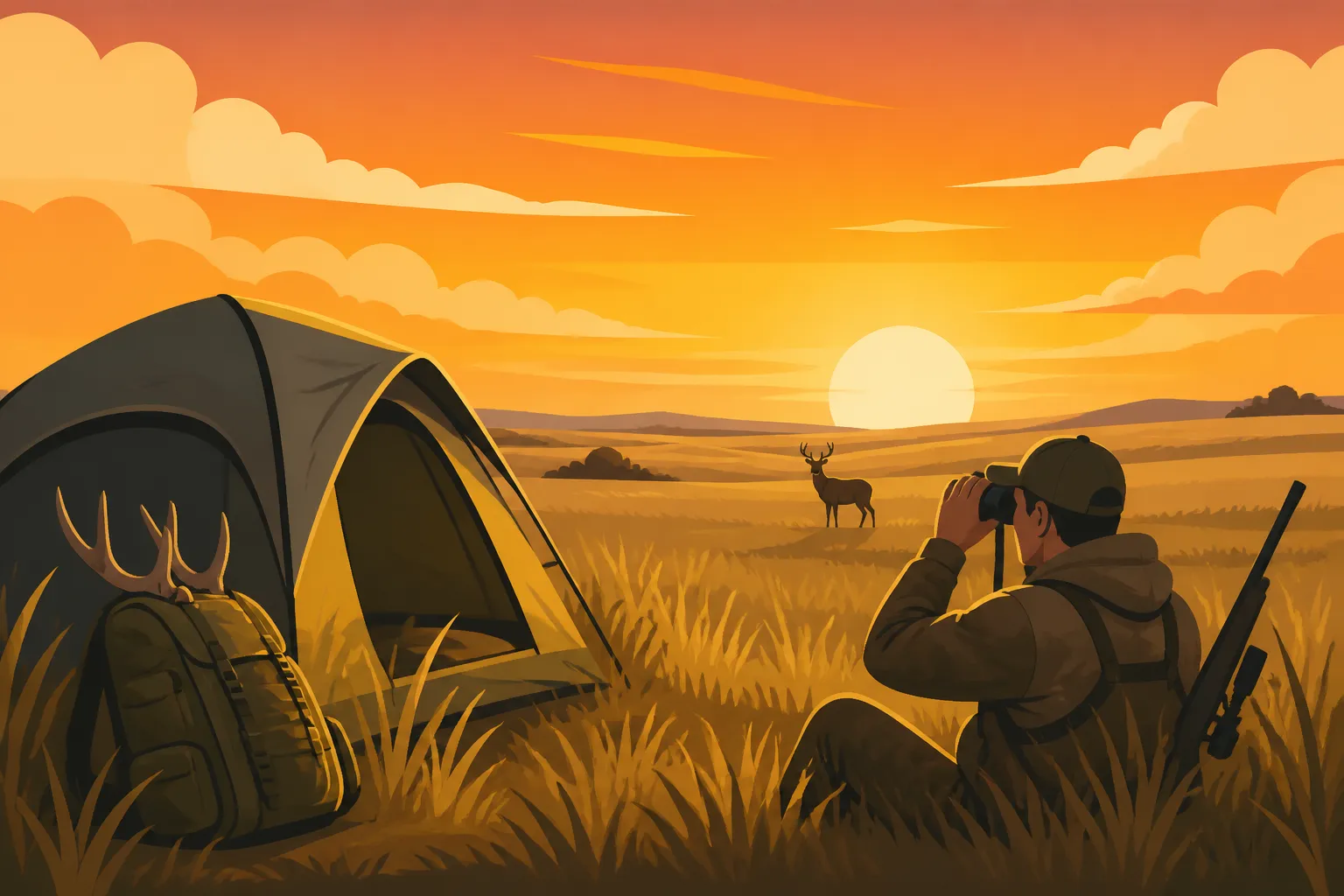
There's nothing quite like the dream of rolling out of your sleeping bag, stepping right into your hunting boots, and being just a few short steps from prime hunting ground. When you're looking at those appealing Open Fields and Waters (OFW) tracts on the map, it's natural to wonder if you can simply pitch a tent right there and maximize your time in the field. This guide is going to clear up the common misconceptions about camping on these valuable public access areas in Nebraska and offer practical, realistic alternatives for your overnight stays.
Understanding Open Fields and Waters Tracts
Many hunters, especially those new to Nebraska or visiting from out of state, might see "public access" and immediately think of sprawling national forests or state parks where camping is often a given. However, Open Fields and Waters tracts operate under a slightly different set of rules, and understanding these distinctions is key to a smooth and legal hunt.
What Exactly is Open Fields and Waters?
The Open Fields and Waters program is an absolute game-changer for hunters in Nebraska, providing access to tens of thousands of acres of privately owned land. Think of it less as traditional public land that the state owns outright, and more as a partnership. The state works with private landowners, offering them compensation to open up their property for public hunting and fishing access. It’s a brilliant way to expand hunting opportunities, particularly in areas where traditional public land might be scarce.
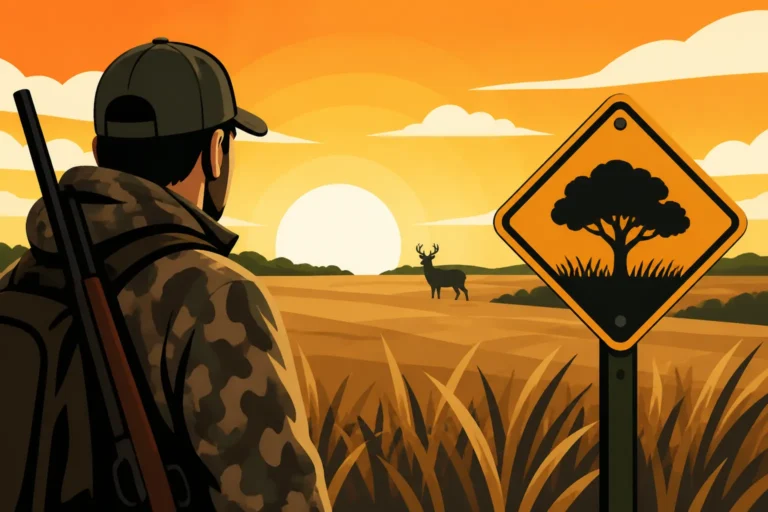
These tracts are often working agricultural fields, pastureland, river bottoms, or shelterbelts – the very places that hold pheasants, deer, and turkeys. They're clearly marked with distinct yellow and black "Open Fields and Waters" signs, letting you know where you can legally enter and hunt. While it might feel like public land when you're walking it, it’s important to remember that it's still private property, just with an access agreement. This nuance is critical when we start talking about overnight stays. You can learn more about the program's scope by looking into How Many Acres Are in Open Fields and Waters. Remember, these areas are primarily designated for daily hunting activities, which means that while they offer incredible access, they come with specific conditions. It's not the same as a federally owned forest; rather, it’s private land where the landowner has granted specific public privileges. For a deeper dive into this distinction, check out Are Open Fields Tracts Public Land?.
The Core Rule: No Camping on Most Tracts
Let's get right to the heart of the matter: generally, camping is not allowed on Open Fields and Waters tracts. This often comes as a surprise, or even a disappointment, to hunters who envisioned pulling their camper right up to a prime Setting Up on a Nebraska Cornfield Edge or spending the night tucked away in a Hunting a Shelterbelt Between Nebraska Fields. The intention of the OFW program is to provide daily access for hunting and fishing, not for overnight camping or extended recreational stays.
The reasons for this are rooted in the nature of the program itself. These agreements are made with private landowners who are gracious enough to open their property. Allowing camping introduces a whole host of potential issues that most landowners simply aren't willing to take on. We're talking about things like trash accumulation, fire risk, sanitation concerns, and even potential long-term occupation. Imagine the headaches for a farmer if every hunter who came through left behind a mess or set up a semi-permanent camp. The rules are designed to keep the program viable and attractive for landowners, ensuring that the access remains for all of us in the long run. If the program became a burden to landowners, they might choose not to renew their contracts, and we'd all lose out on valuable hunting opportunities.
This differs significantly from designated Wildlife Management Areas (WMAs) or National Forests, where camping spots or backcountry camping might be explicitly permitted or managed. On an OFW tract, even if it feels remote, you’re still on someone’s private property under a specific, limited agreement. It's a common frustration when you're trying to maximize your time in the field, but it's a rule that ensures the longevity of the program.
Why Camping Restrictions Exist on OFWs
Understanding why certain rules are in place helps us to respect them and plan accordingly. The restrictions on camping within Open Fields and Waters tracts aren't arbitrary; they stem from practical concerns and the fundamental structure of the program.
Landowner Agreements and Program Intent
At its core, the Open Fields and Waters program is about striking a balance. Landowners generously agree to open their private property for public access, but they also need to protect their land and livelihoods. The agreements made between the state and these landowners are very specific, generally focusing on providing access for short-term recreational activities like hunting and fishing. This means hunters can come in, pursue game, and then leave, all within designated hours.
Introducing overnight camping complicates this arrangement significantly. A landowner might be comfortable with hunters being on their property during the day for a focused activity, but less so with the idea of people setting up camp for multiple nights. Concerns about things like unauthorized fires, sanitation facilities (or lack thereof), potential damage to crops or infrastructure, and the general impact of a prolonged human presence become major deterrents. For many, these are active farms and ranches, not designated campgrounds. The program's success hinges on maintaining goodwill with these landowners, and allowing camping could very quickly erode that trust and lead to fewer acres being enrolled in the future. Their primary goal in joining the OFW program is to support hunting and gain some supplemental income, not to manage a public campground.
Legal and Liability Considerations
Beyond the practical concerns, there are significant legal and liability aspects that factor into the "no camping" rule. When a landowner signs up for the Open Fields and Waters program, they generally receive certain liability protections from the state for allowing public access for hunting and fishing. This is crucial; it helps alleviate a major concern for property owners.
However, these protections are typically tied to the specific activities outlined in the agreement – primarily hunting and fishing. If a landowner were to allow camping, they might inadvertently expose themselves to additional legal liabilities. What if someone gets injured while camping? What if a fire gets out of control? These scenarios could open up a Pandora's box of legal challenges that the OFW program isn't designed to cover. By restricting camping, the program simplifies the liability framework, protecting both the landowner and the integrity of the program itself. If you were to camp on an OFW tract without explicit permission, you would technically be trespassing, even if you were there to hunt legally. This puts both you and the landowner in a precarious legal position. Therefore, for the protection of all parties and to ensure the program's continued existence, it's safer and legally clearer to prohibit camping on these tracts.
Practical Alternatives for Overnight Stays Near OFWs
So, if you can’t camp directly on an Open Fields and Waters tract, what are your options for an overnight stay that still keeps you close to the action? Thankfully, Nebraska offers plenty of ways to get a good night's rest without breaking the rules.
Public Campgrounds and State Recreation Areas
This is often the most straightforward and budget-friendly alternative. Nebraska boasts a fantastic network of state parks, state recreation areas (SRAs), and even some Wildlife Management Areas (WMAs) that offer designated camping facilities. These areas are designed for overnight stays, often providing amenities like restrooms, water, and fire rings, and sometimes even electrical hookups.
When you're planning your hunt, use resources like the Nebraska Public Access Atlas – it's an invaluable tool. Not only does it show you where the OFW tracts are, but it also highlights state parks, SRAs, and WMAs nearby. You can often find a suitable campground just a short drive from your chosen hunting area, allowing you to get up early and be on the ground for first light. For instance, if you're planning on River-Bottom Whitetail Hunting in Eastern Nebraska, you might find an SRA along the Missouri River that offers camping.
It's a good idea to check availability and make reservations, especially during peak hunting seasons like the firearm deer opener or the early pheasant season. Popular spots can fill up fast! Many state parks and SRAs have online reservation systems, so a little planning goes a long way. You might also want to consult Camping on Nebraska Public Ground for general rules and expectations on state-managed lands.
Local Hotels, Motels, and Airbnbs
Sometimes, after a long day of walking miles of Walking Milo and Corn Stubble for Pheasants or glassing for Spot-and-Stalk Mule Deer in the Nebraska Sandhills, a hot shower and a comfortable bed are exactly what you need. Small towns across Nebraska, often located strategically near prime hunting areas, offer a variety of lodging options. From classic mom-and-pop motels to national chains and even charming Airbnb rentals, you can often find a place to stay that fits your needs and budget.
This option might mean a bit more driving to and from your hunting spot, but it comes with the undeniable perks of local amenities. Think about grabbing a hearty breakfast at a diner before hitting the fields or enjoying a hot meal at a local restaurant after a successful hunt. Plus, having a secure place to store your gear, charge electronics, and clean up can make the overall hunting experience much more enjoyable. It's a nice way to support the local economy of the communities that host so many hunters each year.
Securing Private Land Permission for Camping
This is the only way you’ll legally be able to camp on any private land, including an OFW tract, beyond its explicit hunting access agreement. However, it requires a separate, direct conversation with the landowner. The Open Fields and Waters program grants you access for hunting, but it does not grant permission for camping.
If you have established a good relationship with a landowner whose property is enrolled in OFW, or if you're hunting private land that isn't part of the program, you could respectfully ask for permission to camp. This is often a tough ask, as landowners have legitimate concerns about fire, trash, and liability. If you do ask, be extremely polite, explain your exact needs (e.g., a small tent, no fires, pack in/pack out everything), and be prepared for a "no." If they say yes, make sure to get all the details clear: where exactly you can set up, fire rules, and any other expectations. Always leave the site cleaner than you found it.
For guidance on how to approach landowners, our article Asking a Nebraska Farmer for Permission offers some excellent tips. Remember, every "yes" is a privilege, and every "no" should be respected without question. This approach works best when you've built a solid rapport over time, not as a cold call just before opening day.
Planning Your Hunt Around Overnight Restrictions
Even without on-site camping, you can still have incredibly successful and rewarding hunts on Nebraska’s Open Fields and Waters tracts. It just requires a slightly different approach to your planning and logistics.
Strategic Scouting and Mapping
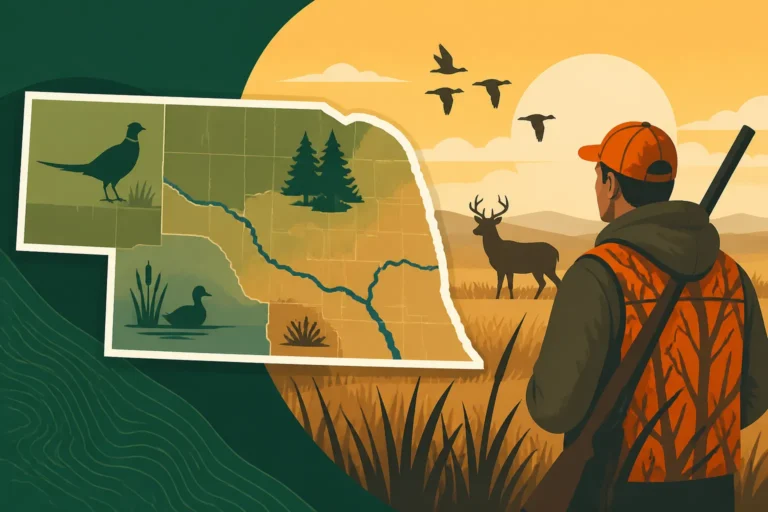
Before you ever leave home, pull out your maps – physical ones or, even better, a digital mapping app like onX Hunt. This is where tools become invaluable. onX Hunt allows you to see property boundaries, identify OFW tracts, and overlay public lands like state parks or WMAs where camping is permitted. You can mark potential hunting spots, plan your entry and exit routes, and simultaneously locate nearby camping or lodging options. GoHunt is another excellent resource for broader hunt planning, offering data and insights that can help you pick areas with good access and opportunities.
Your goal is to find those sweet spots where good OFW hunting grounds are reasonably close to a legal place to stay. Look for clusters of OFW tracts in areas that also have a state recreation area or a small town with lodging within a 30-45 minute drive. This strategic mapping will save you valuable time and fuel once you're on the ground. You can also consult the Nebraska Public Access Atlas for detailed maps and information on land ownership and access points.
Consider using the mapping apps to look at topography and aerial imagery. Are there roads that lead close to an OFW tract from a nearby campground? Are there any natural features that could provide a visual barrier between your camp (if on legal ground) and the hunting area, minimizing disturbance?
Maximizing Day Hunts
Since direct camping on OFW is generally off-limits, the focus shifts to maximizing your time during legal hunting hours. This means planning for efficient day hunts. Get an early start, pack a good lunch and plenty of water, and be prepared to stay until legal shooting light ends.
If you’re targeting birds, this might mean walking several miles through different cover types on an OFW tract. For deer hunters, it could involve multiple sits in different locations, or extensive Still-Hunting Nebraska Cedar Draws. Having a comfortable "base camp" at a nearby public campground or hotel makes these long days much more manageable. You can leave your vehicle, hit the woods, and return knowing you have a place to rest and regroup.
Don't forget about meat care. If you tag a deer, especially during warmer early archery seasons, you’ll need a plan for Field Dressing and Cooling Game in Warm Weather and transporting it back to your lodging or home. Having a cooler with ice readily available in your vehicle is crucial, and knowing the quickest route to proper processing facilities or even just a place to hang and cool the game is part of maximizing your day hunt.
Essential Gear for Off-Site Stays
Even though you won't be camping on the OFW tract, you still need to be well-prepared for your trip. Your gear list will be slightly different, focusing on daily comfort and efficiency rather than overnight camp setup.
- Clothing: Layering is always key in Nebraska, where the weather can change dramatically from morning to afternoon. Think good base layers, insulating mid-layers, and a windproof/waterproof outer shell. Clothing for Nebraska Wind and Cold is a must-read for preparing for those unpredictable prairie days.
- Footwear: You’ll be doing a lot of walking, whether it’s through tall grass for pheasants or across uneven terrain for deer. Invest in comfortable, supportive, and waterproof boots. Our guide on Boots for Walking Nebraska Grass and Sand offers excellent advice.
- Navigation & Communication: A reliable GPS unit or a smartphone with a mapping app (like onX Hunt) is indispensable for staying on track, identifying property lines, and finding your way back to your vehicle. Ensure you have backup power for your electronics. You can get more specific tips in Electronics a Nebraska Hunter Actually Needs.
- Vehicle Preparedness: Your vehicle effectively becomes your mobile command center. Make sure it's in good working order, especially if you're driving on less-maintained gravel or dirt roads. A cooler with ice, extra water, a first-aid kit, and perhaps some recovery gear (like a shovel or traction mats if you're on sandy roads) are smart additions.
By planning ahead, using good mapping tools, and packing appropriately, you can still have an incredibly successful and enjoyable hunting experience on Nebraska's Open Fields and Waters tracts, even without camping directly on them. The adventure is still there, just with a different kind of home base.
Here's a quick look at your options for overnight stays when hunting Nebraska's Open Fields and Waters:
| Type of Stay | Location | Pros | Cons | Typical Cost |
|---|---|---|---|---|
| OFW Tract (Camping on) | Private Land enrolled in OFW | Would be convenient to hunting spot | Generally NOT allowed and illegal. Risk of trespassing charges. | High potential cost of legal issues |
| Designated Public Campground | State Parks, SRAs, WMAs, National Forests | Legal, often affordable, amenities (water, restrooms), safe | Requires driving to/from hunting spots, can be crowded | Low to moderate |
| Private Land with Explicit Permission | Private property (may be OFW or not) | Direct access to specific hunting grounds, potentially secluded | Very difficult to obtain permission, liability concerns for landowner | Varies, can be free or part of lease |
| Local Lodging (Hotel/Motel/Airbnb) | Nearby towns and communities | Comfort, hot showers, local amenities, secure gear storage | Can be more expensive, requires daily commute to hunting spots | Moderate to high |
Disclaimer
This article is for general informational purposes only and does not constitute professional advice. Laws, prices and regulations vary by location and change over time. Consult a qualified professional for guidance on your specific situation.