Asking a Nebraska Farmer for Permission
It's a familiar scenario for many hunters in Nebraska: you've driven past that perfect stretch of timber, seen deer feeding in a lush alfalfa field, or spotted pheasants exploding from a cattail slough on private ground. Your heart sinks a little, knowing that prime habitat often comes with "No Trespassing" signs. Gaining access to private land can feel like trying to crack a secret code, and the thought of knocking on a stranger's door to ask permission can be downright intimidating. This guide is here to help you navigate that often-tricky path, offering respectful, realistic strategies for connecting with Nebraska landowners and opening doors to new hunting opportunities.
Understanding the Nebraska Landowner Perspective
Before you even think about stepping out of your truck, it's really helpful to put yourself in the shoes of a Nebraska farmer or rancher. Their land isn't just a place; it's their livelihood, their home, and often, generations of their family history. Understanding their perspective is the absolute first step toward building a successful relationship.
Why Private Land is Crucial (and Often Difficult to Access)
Let's be honest, Nebraska has some incredible public hunting land, especially through programs like Nebraska's Open Fields and Waters Program and our various Wildlife Management Areas. But if you've spent any time hunting here, you know that finding truly unpressured public ground, especially for deer or pheasants, can be a challenge. The truth is, a vast majority of the prime habitat across Nebraska – the big river bottoms, the expansive Sandhills ranches, the rich farmlands – is privately owned.
This private land often holds higher densities of game, less hunting pressure, and more consistent opportunities simply because fewer people have access. It's frustrating to drive by fantastic cover and know it's off-limits, but that's the reality of hunting in a state with a strong agricultural backbone. Landowners often choose to keep their property private for very valid reasons, from maintaining wildlife populations to simply wanting peace and quiet.
Common Concerns Farmers Have About Hunters
When a landowner says "no" or seems hesitant, it's rarely personal. They're usually reacting to a lifetime of experiences, some good, some bad, and a set of very real concerns. One of the biggest worries is often safety. They have livestock, equipment, and sometimes family members, including children, out on the property. They need to know that anyone granted access will be incredibly careful and responsible with firearms.
Another major concern is respect for property. This includes everything from leaving gates open (which can lead to cattle getting out) to driving through wet fields, cutting fences, or littering. Many farmers have dealt with hunters who've caused damage or simply acted entitled. Then there's liability. Even though Nebraska has a recreational liability statute that provides some protection for landowners who grant free access, the fear of a lawsuit from an injured hunter is a very real deterrent. They might also worry about poaching, or hunters bringing unwanted attention to their property from others who haven't asked permission. Past bad experiences with disrespectful hunters can easily sour a landowner on granting access for years, if not permanently.
The Value Exchange: What You Can Offer
So, how do you overcome these hurdles? By demonstrating that you are a responsible, respectful, and reliable individual who understands their concerns. You're not just asking for something; you're offering to be a trustworthy presence on their land. The biggest thing you can offer is respectful communication and adherence to their rules. This means listening intently to their concerns and addressing them head-on.
Consider offering a helping hand, if appropriate. Perhaps they need help mending a fence, checking on livestock, or keeping an eye out for specific issues on their property. Sometimes, just being a polite, friendly face that genuinely cares about their land is enough. It's also important to show them that you understand Nebraska's Posted-Land and Trespass Rules and that you'll always obtain and carry proper permission. Your goal is to alleviate their fears and make them feel comfortable with you on their property.
The Art of the Approach: Making the Connection
Once you understand a landowner's perspective, you can begin to strategize your approach. This isn't just about asking for hunting permission; it's about making a positive first impression and building rapport.
Timing and Presentation: When and How to Knock
Timing is everything. Don't show up on opening weekend of pheasant season with a shotgun in hand, expecting a "yes." Most landowners are inundated with requests at peak times. Instead, consider approaching them in the off-season – spring, late summer, or even after harvest. This shows foresight and consideration. Farmers are busiest during planting and harvest, so avoid those times if possible.
When it comes to the time of day, avoid meal times (noon, early evening) and definitely don't show up too early or too late. Mid-morning or mid-afternoon on a weekday or Saturday is generally best. When you arrive, present yourself professionally and respectfully. Dress neatly, not in camo or hunting gear. Drive a clean, respectable vehicle. Walk up to the house with a friendly, open demeanor. Knock on the door and step back a few paces, giving them space. Remember, you're a stranger on their property, and you want to put them at ease.
What to Say: Crafting Your Introduction
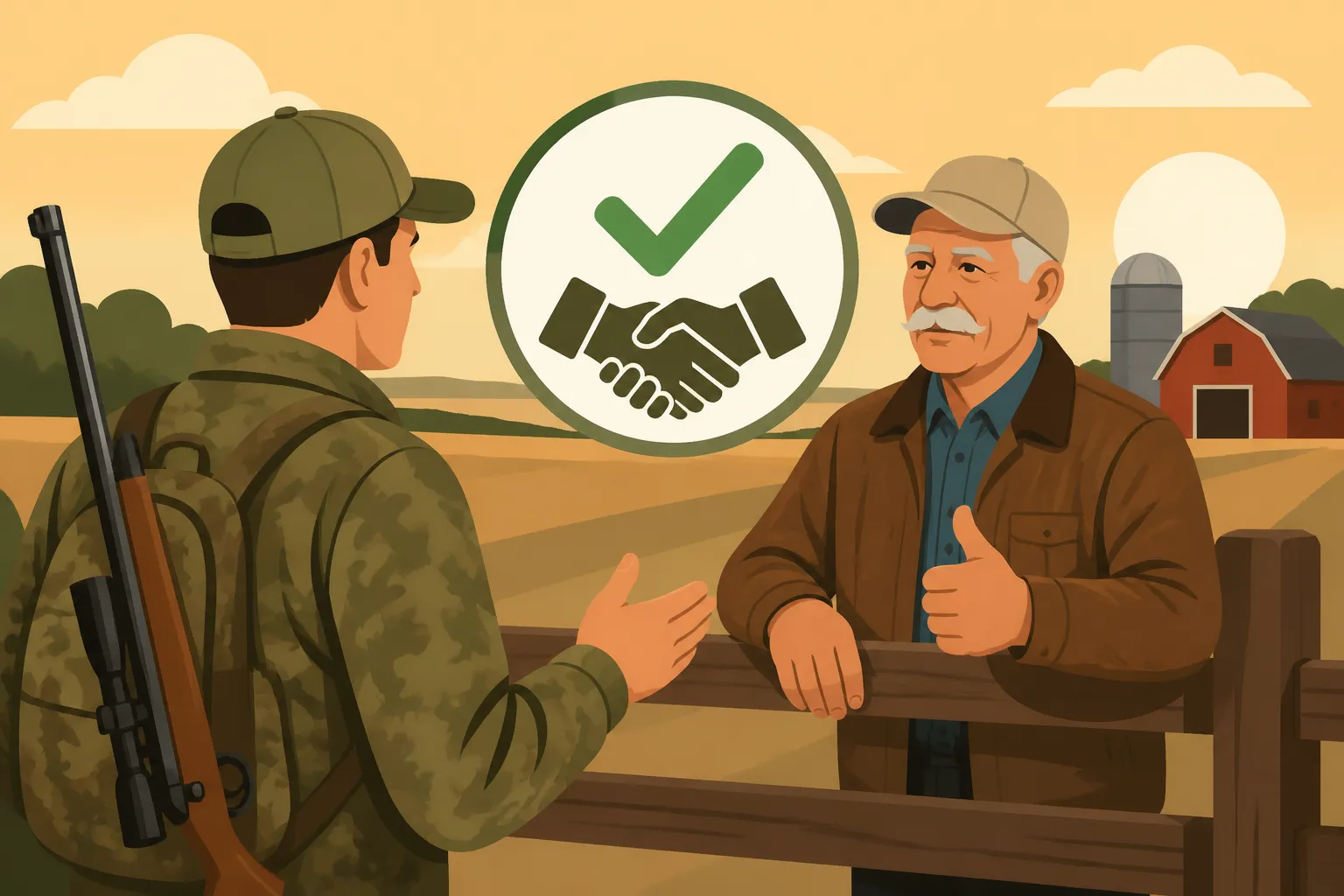
Your introduction should be clear, concise, and respectful. Start by introducing yourself and where you're from. Immediately state the purpose of your visit: "Hi, my name is [Your Name], and I'm from [Your Town]. I'm a hunter, and I'm interested in the possibility of bowhunting deer on your property, if you allow hunting." Be specific about what you want to hunt and when. This helps them gauge the impact on their operation.
Emphasize your commitment to safety and respect for their property. You might say, "I'm extremely careful with firearms, always close gates, and would never leave any trash. I'm very aware of private property boundaries." If you have hunter education (which is required for many in Nebraska, see Nebraska Hunter Education Age Requirement), mention it. Offer to show them your permit. It's also a good idea to clarify Do You Need Written Permission in Nebraska? and offer to provide a written agreement if they prefer, which shows you're serious and professional. Be prepared for a "no," and accept it graciously without pressing. A polite "thank you for your time" is always the best response, leaving the door open for future possibilities.
Using Technology to Your Advantage
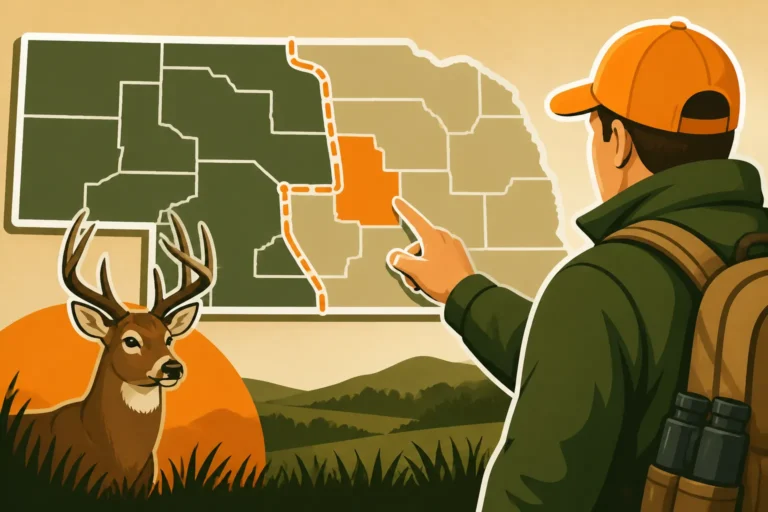
In today's world, technology can be a huge asset in the quest for private land access. Mapping apps like onX Hunt are invaluable tools for hunters. Before you even drive out, you can use onX to identify landownership, property boundaries, and even features like potential bedding areas, water sources, and food plots on the land you're interested in. Knowing who owns the land before you knock on the door is critical. It allows you to address them by name and shows you've done your homework.
You can also use these apps to understand the lay of the land, potential access points, and where their property lines truly lie, which can be helpful in discussing specifics with the landowner. While GoHunt provides excellent resources for overall hunt planning and draw odds, onX Hunt is your direct go-to for identifying specific landowners and property details that are essential for making that initial, informed approach. When you talk to a landowner, being able to reference their property boundaries accurately on a map can build immense trust and show your professionalism.
Building and Maintaining the Relationship
Getting permission once is a great start, but the real goal is to build a lasting relationship. This ensures you might have access year after year and demonstrates that you're a responsible hunter.
Setting Clear Expectations and Rules
Once a landowner agrees to let you hunt, even for a day, it's vital to have a clear conversation about their expectations and rules. Don't assume anything. Ask specific questions:
- "What are the exact boundaries I can hunt?" (Pull out your onX Hunt app to confirm if they're willing!)
- "Are there specific access points or parking areas you prefer?"
- "Are there any areas that are absolutely off-limits, like around livestock or near certain fields?"
- "What species can I hunt, and during what seasons?" (Perhaps they're fine with Late-Season Antlerless Hunting in Nebraska but not a rifle buck hunt in November.)
- "Are there any gates I need to be aware of? Should I always close them?"
- "What's the best way to let you know when I'll be out hunting?"
- "Are there any specific days or times you'd prefer I didn't hunt?"
Understanding Nebraska Trespass and Permission Law is your responsibility, but confirming their specific desires is paramount. If they have specific rules about driving on trails, handling gates, or reporting game, write them down. Respecting these rules to the letter will build trust faster than anything else.
The Follow-Up: Showing Gratitude
The hunt isn't over when you leave the field; it's over after you've shown proper gratitude. A simple "thank you" goes a long way. After your hunt, especially if you harvest an animal, make a point to stop by (at an appropriate time, of course) or send a hand-written thank you note. Share your success story, if you had one. Offer to share some of the meat, even if they decline, the gesture is important.
If you noticed anything on their property – a downed fence, a sick-looking calf, or unusual activity – report it to them. This demonstrates that you're not just taking; you're also looking out for their interests. Even if you didn't see anything, a quick check-in reinforces that you're a considerate person. This kind of interaction helps to cement your reliability and will make them more likely to grant you access again.
Long-Term Stewardship: Being a Reliable Hunter
Think of this as a multi-year investment. Your goal isn't just one hunt; it's a long-term privilege. This means consistently being a reliable, trustworthy presence on their land. Always adhere to the rules you agreed upon. Leave no trace – pack out everything you pack in, and if you see old litter, consider picking it up. Close every gate, stay on designated paths, and respect their privacy.
If you're hunting deer, share your harvest reports. If you're after birds, perhaps offer to help them control predators or scout for Nebraska's Ring-Necked Pheasant Story numbers on their ground. By consistently proving yourself, you become someone they can count on. Over time, that trust will grow, and you might even find yourself invited back for other opportunities or introduced to other landowners. The key is to see yourself not just as a hunter, but as a steward of their land, earning the privilege one season at a time. It’s a reciprocal relationship built on mutual respect.
Here's a quick reference for dos and don'ts when asking for permission:
| Do's | Don'ts |
|---|---|
| Do scout from public roads first. | Don't pull up in hunting gear. |
| Do identify landowners with apps (e.g., onX Hunt). | Don't knock during meal times or late evening. |
| Do dress respectfully and professionally. | Don't assume permission for all species or seasons. |
| Do state your request clearly and politely. | Don't bring your hunting buddies on the first visit. |
| Do emphasize safety and respect for property. | Don't argue if they say no. |
| Do offer to provide written permission. | Don't leave gates open or drive off-road without permission. |
| Do follow up with a thank you (and harvest report). | Don't overstay your welcome. |
| Do respect all boundaries and rules. | Don't take permission for granted. |
| Do offer to help if possible. | Don't expect them to remember you year after year without contact. |
| Do leave the property cleaner than you found it. | Don't bring dogs if not explicitly allowed. |
Remember, every landowner is different, and some may have had bad experiences that make them hesitant. Your job is to be the kind of hunter who helps restore their faith in respectful outdoorsmen. It takes effort, patience, and a genuine desire to build a good relationship, but the rewards of access to private ground in Nebraska can be truly priceless.
Disclaimer
This article is for general informational purposes only and does not constitute professional advice. Laws, prices and regulations vary by location and change over time. Consult a qualified professional for guidance on your specific situation.