Opening Weekend Crowds on Nebraska Public Ground
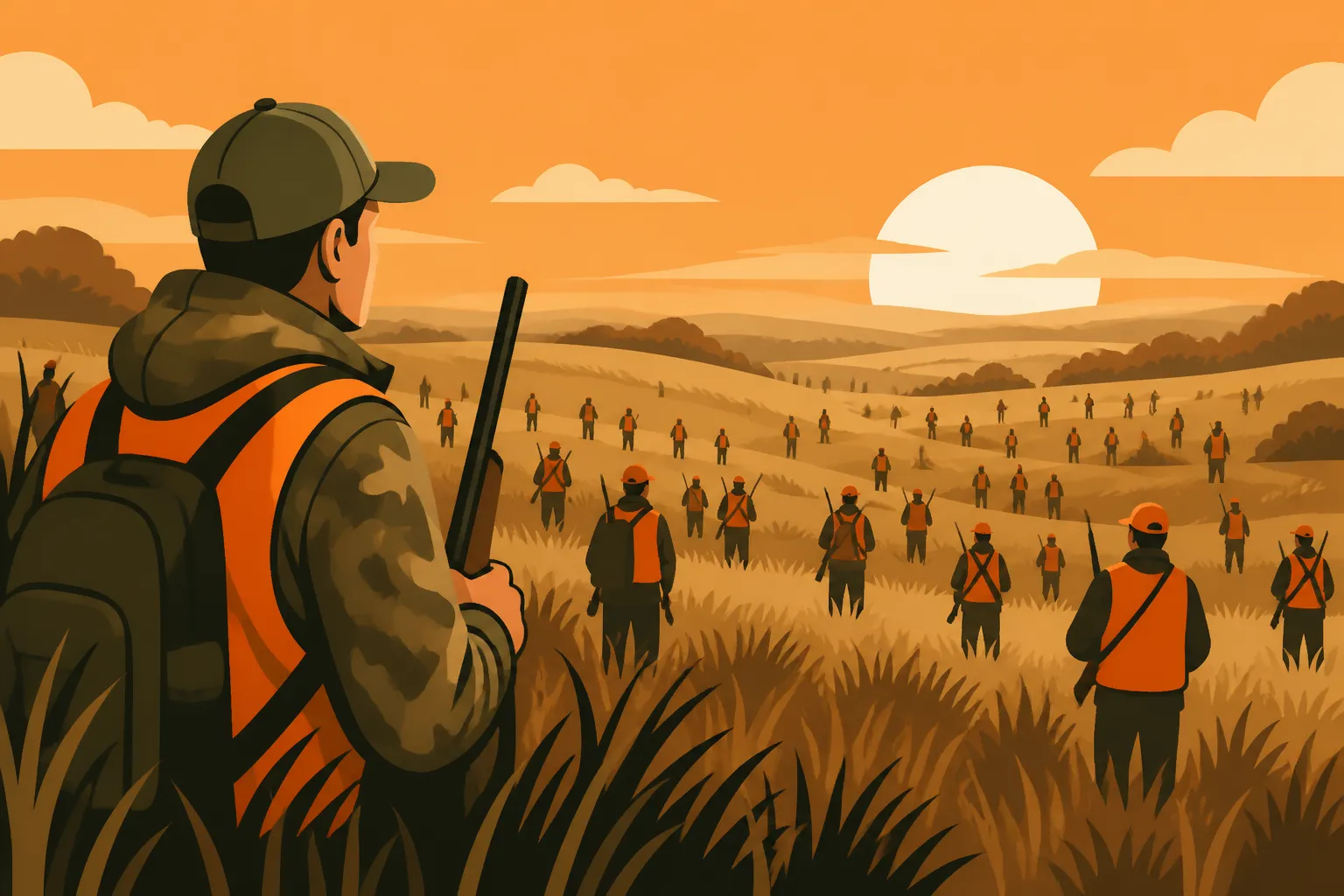
There’s nothing quite like the anticipation of opening weekend in Nebraska, whether you’re chasing deer, pheasants, or waterfowl. That first morning, the air buzzing with excitement, the promise of crisp fall weather – it’s a feeling every hunter knows and loves. But let’s be honest, for many of us who rely on public land, that excitement can quickly turn to frustration when you pull into the parking lot before dawn only to find it already full. The struggle of navigating crowded public hunting grounds on opening weekend is a very real, disheartening problem, and this guide is here to help you understand why it happens and, more importantly, how to adapt your strategy for a more peaceful, successful hunt.
Understanding the Draw of Opening Weekend
The allure of opening weekend is undeniable. It's the culmination of months of anticipation, scouting, and planning. For many, it's a cherished tradition, a chance to reconnect with nature and friends. But this collective enthusiasm also means that specific dates on the calendar become magnets for hunters, creating concentrated pressure on the most accessible public lands.
The Allure of the First Few Days
Think about it: the opening bell of a new season represents the first real chance to put your skills to the test. For deer hunters, especially during archery season or the Nebraska Firearm Deer Season Dates, the deer are often less pressured than they will be later. For bird hunters, especially early in the pheasant season, the birds haven't been pushed and scattered as much. This makes those initial days seem like the absolute best opportunity. Everyone wants to be there when the game is theoretically at its most cooperative, before they've truly become "educated" by hunter presence. This creates a kind of self-fulfilling prophecy: everyone goes because they think everyone else is going, and the hunting will be good because it's early.
This isn't just about deer and birds; it applies to nearly every species. Waterfowlers flock to the Rainwater Basin when the first major push of ducks and geese arrives, hoping to catch them before they become wary of spreads. Turkey hunters in the spring know that gobblers are most responsive to calls early in the season before breeding activity peaks and they've heard every setup imaginable. It’s human nature to want to be part of that initial surge, that first crack at a fresh season.
What Makes Public Land Hot Spots
Not all public land is created equal, especially when it comes to drawing a crowd. The areas that become "hot spots" usually share a few key characteristics. First, proximity to population centers is a huge factor. Hunters from Omaha, Lincoln, and Grand Island are going to gravitate towards public lands that are a reasonable drive, rather than making a multi-hour trek for a day hunt. Secondly, ease of access plays a massive role. Parking lots right off a paved highway, well-maintained two-track roads, or obvious entry points will see far more traffic than areas requiring a longer hike through rough terrain.
Finally, the perceived quality of the hunting itself draws people in. If a particular Wildlife Management Area (WMA) or Open Fields and Waters (OFW) tract has a reputation for holding good numbers of deer, pheasants, or ducks, hunters will naturally flock there. This reputation might be based on past success, word-of-mouth, or even online scouting tools like onX Hunt that show a lot of public acreage in an otherwise private-land-dominated region. Hunters are always looking for an edge, and a well-known productive spot often feels like the safest bet, even if it comes with company.
Where the Crowds Tend to Gather
Understanding why crowds gather is one thing, but knowing where they're most likely to concentrate can help you plan your own strategy. Nebraska offers a diverse range of public access, and each type has its own crowd dynamics. You can learn a lot by checking out The Nebraska Public Access Atlas before you head out.
Wildlife Management Areas and Their Popularity
Nebraska Wildlife Management Areas (WMAs) are the backbone of public hunting in the state, offering fantastic habitat for a variety of game. However, because they are well-maintained, often signed, and explicitly managed for wildlife and public recreation, they tend to be the first choice for many hunters. On opening weekend, especially for popular seasons like pheasant or deer firearm, the parking lots at WMAs can fill up quickly.
Imagine a WMA like Pressey WMA in the Sandhills or Sacramento-Wilcox WMA in the Rainwater Basin. These areas boast excellent habitat, good access roads, and are relatively well-known. You might find trucks parked end-to-end, with hunters spreading out from every conceivable entry point. The pressure can push game off these areas or make them extremely wary. Deer might go completely nocturnal, and pheasants might flush wild at the slightest disturbance. It's not uncommon to hear multiple gunshots in different directions as soon as legal shooting light breaks, which can be both exciting and a little disheartening when you realize how much company you have.
Open Fields and Waters Tracts: A Mixed Bag
Nebraska’s Open Fields and Waters (OFW) program is a godsend for public land hunters, opening up thousands of acres of private land to public access. These tracts are often fantastic and provide access to land that would otherwise be off-limits. However, on opening weekend, they can be a mixed bag.
The most accessible OFW tracts, particularly those advertised for specific species like Open Fields Tracts Best for Deer or those near major roads, will see significant pressure. Some landowners enroll land that is easily accessible and near towns, making it a prime target for hunters looking for a quick walk-in hunt. You might find multiple hunting parties working the same relatively small parcel, especially if it offers good cover like cattail sloughs or cedar draws. The nice thing about OFW is that there are so many of them, spread out across the state. This means if one is slammed, you might find another just down the road that’s less pressured. Checking the Public Access Atlas carefully and having a few backup spots is critical here. It's often the less obvious, harder-to-reach OFW parcels that offer the best solitude and hunting experience on a busy weekend.
River Bottoms and High-Visibility Areas
River bottoms, creek drainages, and areas with dense cover that stand out in agricultural landscapes are natural draws for deer and other game. Unfortunately, this also makes them natural draws for hunters. In Eastern Nebraska, the Platte, Loup, Elkhorn, and Missouri River corridors offer prime whitetail habitat. These areas, particularly public pieces like state recreation areas or segments of national forests along rivers, can become extremely congested.
Consider a public timber block along the Platte River on opening day of firearm season. Deer will be seeking refuge in that cover, and hunters will be converging on it from every direction. The same goes for isolated cedar draws in more open country or small pockets of timber in row-crop fields. These areas are easy to spot on a map and often represent the only significant cover for miles, making them logical places for game to hide and for hunters to concentrate. Hunters, like deer, are looking for the path of least resistance, and these obvious bottlenecks or cover sanctuaries fit the bill.
| Public Land Type | Crowding Tendency | Characteristics Drawing Crowds | Potential Strategies for Less Pressure |
|---|---|---|---|
| Wildlife Management Areas | High | Well-known, good habitat, easy access, managed for hunting | Target smaller WMAs, hike deeper, go midweek |
| Open Fields & Waters | Moderate to High | Accessible private land, often signed, varied habitat | Seek out walk-in only tracts, less obvious parcels |
| River Bottoms/Timber | High | Prime game habitat, natural travel corridors, limited access points | Hike further from main access, hunt fringes, use different tactics |
| National Grasslands/Forests | Low to Moderate | Vast acreage, often remote, less developed access | Embrace long walks, look for less prominent features |
| School Trust Lands | Low to Moderate | Often less habitat, dispersed, sometimes limited access | Research specific parcels, scout for game sign |
Strategies for Navigating or Avoiding the Crowds
While opening weekend crowds can be frustrating, they don't have to ruin your hunt. With a little strategic planning and effort, you can still find quality experiences and even success. The key is to be proactive and think differently than the majority.
Scouting Smart and Using Digital Tools
Effective scouting is paramount, especially on public land. Before the season, spend time walking potential areas, not just looking for game sign, but also observing access points, terrain features, and potential bottlenecks. Look for overlooked corners or areas that might be difficult for others to reach. Pay attention to how the land lays out. Is there a ridge that funnels deer movement? A thicket that might hold pheasants even after being bumped? Are there natural barriers that discourage casual hunters from venturing deeper?
Digital mapping tools like onX Hunt have revolutionized this kind of scouting. You can identify property boundaries, see different public land designations, and even visualize terrain contours from your couch. Use these tools to find those "no man's land" spots – public corners that are a long walk from any parking area, or small slivers of public ground nestled deep within private holdings. Look for terrain features like a hidden draw, a less obvious pinch point, or even a small, overlooked food source that might concentrate game away from the main trails. You can even check layers for specific habitat types that might hold birds or deer where others aren't looking. GoHunt also offers valuable resources for researching units and drawing odds, which can indirectly help you target areas less likely to be inundated if you're planning for future seasons.
Timing Your Hunt: Beyond Opening Day
One of the simplest ways to avoid opening weekend crowds is to simply not hunt on opening weekend. While the temptation is strong, waiting a few days or even a week can make a dramatic difference in hunter pressure. Many hunters are "weekend warriors" and will only be out on Saturday and Sunday. By hunting on a weekday immediately following opening weekend, you’ll encounter significantly fewer people. The game might be more wary, but the solitude can be worth it.
If you absolutely must hunt on opening weekend, consider adjusting your timing. Instead of hunting at first light, which is when most people are out, consider an afternoon hunt. Many hunters pack up by midday, leaving the evening hours to those willing to stick it out. Or, if you're a bird hunter, consider hunting later in the day when the morning rush has dispersed. Sometimes, the best hunting on pressured public land happens during the middle of the day when most hunters have gone back to camp or home for lunch. The deer or birds that were bumped often return to their bedding areas or re-congregate, offering a brief window of opportunity.
Embracing the Walk: Getting Away from the Road
This is perhaps the most critical strategy for escaping crowds on public land: walk further than everyone else. Most hunters, understandably, don't want to hike miles into a property, especially if they're carrying a lot of gear. The vast majority of hunter pressure occurs within a quarter to a half-mile of established roads and parking areas. If you're willing to put in the effort, you can often find unpressured pockets of habitat, even on well-known WMAs.
This means being prepared for a serious hike. Invest in good boots that can handle Boots for Walking Nebraska Grass and Sand or Boots for Walking Milo Stubble. Carry a comfortable pack with essentials like water, snacks, and emergency gear. Use your onX Hunt app to mark your route and ensure you don't get lost. By walking a mile or two (or more) into a property, you're not just getting away from other hunters; you're often getting into areas where game feels safer and acts more naturally. It's tough work, but the rewards of solitude and undisturbed game are often worth every step. This could mean Finding Ground That Sees Fewer Hunters.
Targeting Less Popular Species or Seasons
Another effective strategy is to hunt outside the peak seasons or target species that receive less attention. For example, while firearm deer season is incredibly popular, Hunting Nebraska Deer After the Firearm Season with a muzzleloader in December or pursuing antlerless deer in January often involves far fewer hunters. The weather is colder, which deters many, and the focus shifts from trophy bucks to filling the freezer.
Similarly, while pheasant opener is a madhouse, hunting other upland birds like quail or partridge, or even late-season pheasants when the weather turns truly cold, can offer a more solitary experience. Hunting Nebraska Turkeys in Late Season also sees less pressure than the early spring opener. Even for deer, focusing on archery hunting during the early season or through the sometimes-challenging "October lull" might provide more solitude than the frenetic firearm season. Think about Fall Turkey Tactics in Nebraska for a less crowded experience than spring.
Minimizing Your Impact and Maximizing Your Experience
Hunting is a shared privilege, especially on public land. Being mindful of your impact and adopting a positive mindset can go a long way in maximizing your own experience and ensuring good relations with fellow hunters.
Hunter Etiquette on Shared Ground
Even if you're trying to avoid them, you'll inevitably encounter other hunters on public land. Good etiquette is crucial. A friendly nod, a polite wave, or a brief, respectful conversation can prevent conflicts. If you see another hunter already working an area, give them ample space. Don't crowd them, and certainly don't try to "jump" their spot. If you arrive at a parking area and see trucks already there, consider moving to a different spot or changing your entry point to avoid walking directly into someone else's hunt.
Remember that everyone out there is seeking their own experience. Respect their space, and expect the same in return. Avoid loud noises, unnecessary vehicle traffic, or leaving trash behind. Public lands are for everyone, and our collective responsibility is to keep them pristine. This goes for things like Orange Rules That Apply During Archery Season – always know the requirements and wear it for safety, even if it feels like it might give you away.
Adjusting Expectations for Public Land Hunting
Perhaps the most important aspect of dealing with opening weekend crowds is to adjust your expectations. Public land hunting, especially during peak times, is rarely a solitary wilderness experience. It's often more about adapting, being flexible, and working harder than the next person. Instead of getting frustrated by seeing another truck or hearing a distant shot, view it as part of the challenge.
Focus on the elements you can control: your scouting, your physical conditioning, your willingness to put in the extra effort, and your positive attitude. Celebrate small victories, like finding an unpressured corner or simply enjoying a beautiful sunrise in the field, even if you don't fill your tag. The experience of being out there, immersed in Nebraska's wild places, is a reward in itself. By shifting your mindset from expecting solitude to embracing the challenge of a shared resource, you'll find far more enjoyment and potentially more success on Nebraska's public grounds.
Disclaimer
This article is for general informational purposes only and does not constitute professional advice. Laws, prices and regulations vary by location and change over time. Consult a qualified professional for guidance on your specific situation.