Niobrara River Valley Public Land
For hunters who dream of escaping the wide-open prairie and immersing themselves in a world of timbered canyons, rugged river breaks, and diverse wildlife, the Niobrara River Valley in Nebraska presents a truly unique and often overlooked challenge. It's a place where you can feel a million miles from anywhere, even if you're just a short drive from a small town. However, finding and navigating public hunting opportunities in this mosaic landscape can feel like trying to solve a puzzle, especially with the mix of private land and less obvious access points. This guide aims to pull back the curtain on hunting the public lands tucked away within the Niobrara River Valley, offering insights into where to go, what to hunt, and how to make the most of your adventure in this beautiful corner of Nebraska.
Understanding the Niobrara River Valley's Unique Appeal
The Niobrara River isn't just a ribbon of water; it's a vibrant ecological corridor, often called "A River of Many Rivers" due to the convergence of six different ecological systems within its valley. This creates an incredibly rich and diverse habitat that's a stark contrast to much of the state's agricultural landscape or even the rolling Sandhills. For hunters, this translates into a unique blend of game species and challenging terrain that you won't find anywhere else in Nebraska.
A Tapestry of Habitats
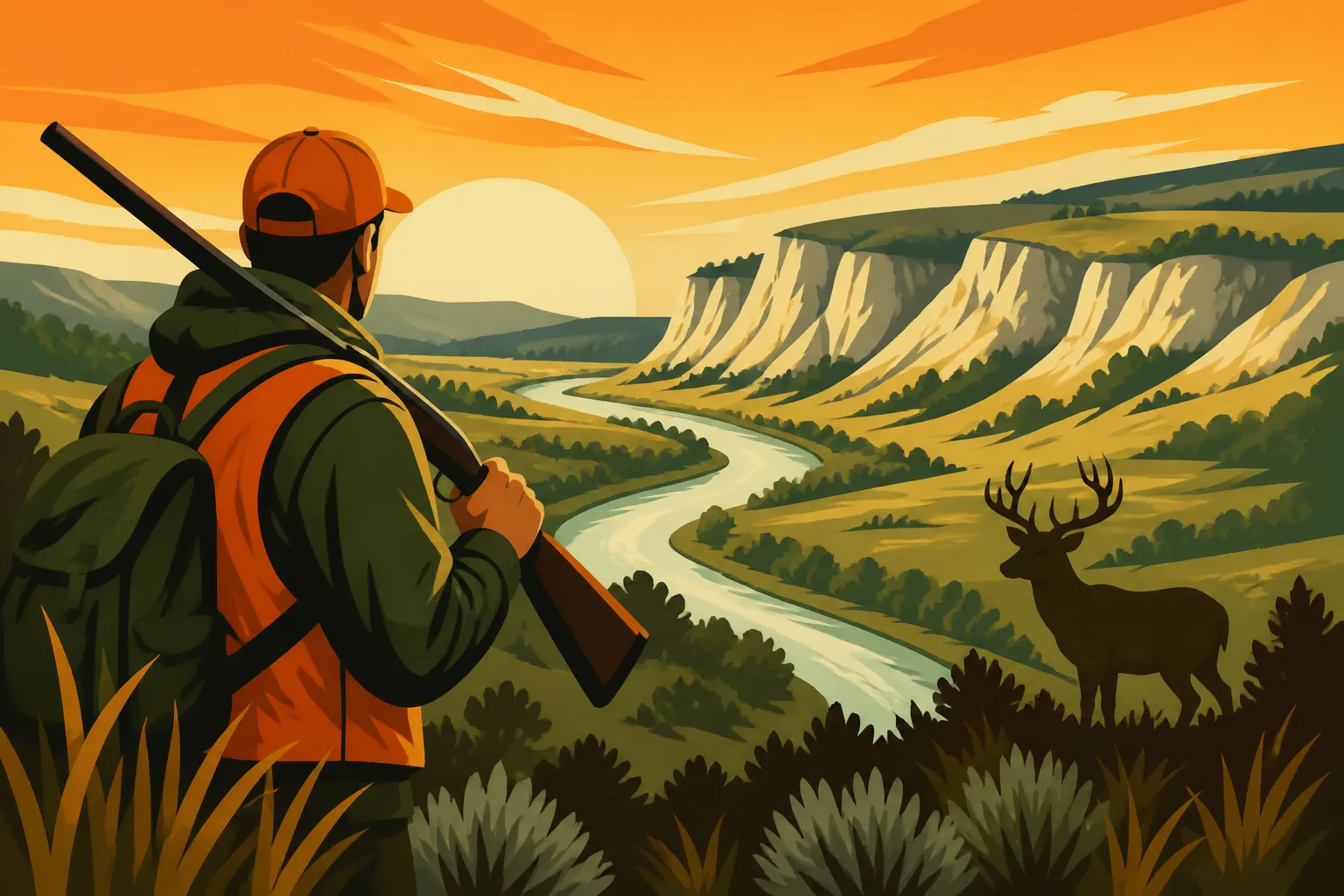
Imagine plunging into deep, timbered canyons carved by centuries of river flow, where ancient pines stand tall alongside bur oak and cottonwood. Picture steep, rocky bluffs giving way to lush meadows in the river bottom, and then rising again into sandy uplands dotted with cedar and plum thickets. This incredible variety of cover, elevation changes, and water sources makes the Niobrara an absolute magnet for wildlife. It's a place where you might track a whitetail through dense undergrowth one minute and then glass for turkeys across an open hillside the next. The constant changes in terrain mean hunters need to be adaptable, reading the landscape for subtle shifts that dictate animal movement.
The Allure for Hunters
For many, the appeal of the Niobrara is its wildness. It doesn't feel like a manicured hunting ground; it feels like genuine wilderness. This attracts hunters looking for a more immersive and demanding experience. The mixed habitat supports a healthy population of white-tailed deer, which thrive in the river bottom and adjacent timber, but you'll also find turkeys aplenty, especially Merriam's in the western reaches, and even some eastern and hybrid birds as you move east. Upland birds like pheasants and quail can be found in the more open, grassy areas with good cover, and the occasional sharp-tailed grouse might surprise you on the higher prairies. The challenges here are part of the draw – navigating steep slopes, crossing feeder creeks, and deciphering game trails through varied cover all contribute to an intensely rewarding hunt. It truly offers a different kind of Nebraska hunting adventure.
Navigating Public Access Points Along the Niobrara
Finding public land in the Niobrara River Valley can be a bit like an easter egg hunt. It’s not always vast, contiguous blocks, but rather a series of scattered parcels, many of which are part of specific wildlife management areas, state parks, or enrolled in cooperative programs. Understanding where these opportunities lie is the first step to planning a successful hunt.
Wildlife Management Areas and State Lands
Along the Niobrara, you'll find dedicated Wildlife Management Areas (WMAs) and State Parks (though hunting regulations in State Parks can be more restrictive and often limited to certain seasons or areas, so always double-check). These are typically larger tracts managed specifically for wildlife habitat and public recreation, including hunting. The particular WMAs you'll encounter will vary depending on which stretch of the Niobrara you're focusing on. Some might be more timbered, others more open prairie, and some a mix of both.
For example, areas like the Niobrara Valley Preserve, managed by The Nature Conservancy, offer certain hunting opportunities under special regulations, often through a lottery system for specific species like deer. Always check their specific rules well in advance. Smaller WMAs scattered along the river might offer more general access. These areas are crucial because they provide larger blocks of habitat where game can thrive with less human disturbance than private lands often receive. Hunters need to be diligent in researching specific WMA regulations, as some may have special rules regarding vehicle access, scouting, or even the type of hunting allowed. Walking into these areas can be physically demanding, with long hikes over uneven ground, so be prepared for a real workout.
Exploring Open Fields and Waters Tracts
Beyond the dedicated WMAs, Nebraska has an excellent program called Nebraska's Open Fields and Waters Program that provides hunters with access to private land enrolled by landowners. Along the Niobrara, these tracts are particularly valuable because they can fill in the gaps between larger public holdings or provide access to prime river bottom or canyon country that would otherwise be inaccessible. These are usually marked with distinct yellow "Open Fields and Waters" signs, making them easy to identify.
The beauty of OFAW tracts is that they often represent exactly the kind of diverse habitat that makes the Niobrara so special – anything from pastureland bordering the river to smaller pockets of timber or brushy draws. However, these tracts can change from year to year as landowner agreements are renewed or modified, so relying on current information is absolutely key. Hunters should always consult the most recent The Nebraska Public Access Atlas to pinpoint these valuable access points, as the exact locations can shift. It's not uncommon to find a hidden gem of a hunting spot on an OFAW tract that few other hunters know about or are willing to walk into.
Utilizing Digital Mapping Tools
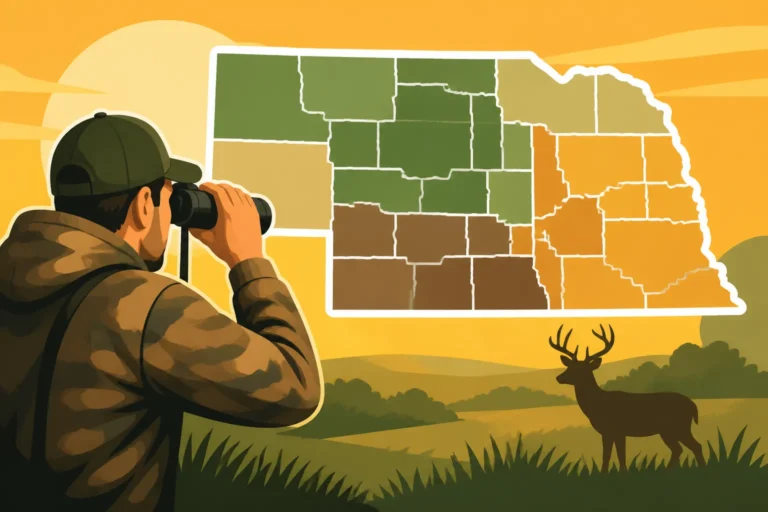
In a complex landscape like the Niobrara River Valley, where public and private land can be incredibly intertwined, digital mapping tools are an absolute game-changer. Forget paper maps and guesswork; modern apps like onX Hunt have revolutionized how hunters find and navigate public access. These tools provide incredibly detailed satellite imagery overlays with property boundaries clearly marked, differentiating public land from private, and often showing specific designations like WMAs or OFAW tracts.
Using an app like onX Hunt allows you to scout from your couch, identifying potential access points, parking areas, and even optimal routes into hunting spots without ever setting foot on the ground. You can mark waypoints, measure distances, and understand the terrain features before you arrive. This is especially helpful when dealing with the Niobrara's often rugged and broken topography. Another valuable resource is GoHunt, which can provide additional land ownership information and hunting unit boundaries. By cross-referencing these tools with the official Public Access Atlas, you can create a comprehensive plan that maximizes your time afield and ensures you're always on legal hunting ground. Downloading Nebraska Public Land Maps to your device ensures you have access even when cell service inevitably drops out in the canyons.
Hunting Opportunities and Strategies in the Niobrara
The Niobrara River Valley truly offers a diverse hunting experience, primarily centered around its strong deer and turkey populations, but with opportunities for other game as well. The rugged terrain and mixed cover demand specific tactics for success.
Deer Hunting in the River Breaks
White-tailed deer are abundant in the Niobrara River Valley, particularly in the dense timber and brushy bottoms adjacent to the river and its feeder creeks. These deer are often accustomed to the broken terrain, using the steep canyons and thick cover for bedding and escape. For archery hunters, the challenge is getting close in such dense cover. Consider still-hunting slow and quiet, paying attention to wind thermals that can be tricky in the valleys and ridges. Ground blinds or mobile setups, like saddle hunting, can be effective if you can pinpoint key travel corridors or bedding areas. Bowhunting Nebraska's Four-Month Archery Season can offer prime opportunities here.
During the rifle season, deer drives on small timbered patches or focusing on pinch points where deer are funneled by terrain can be productive. Be prepared for longer shots across canyons or through openings in the timber, so practice your shooting from varied positions. Nebraska's Nine-Day November Firearm Deer Season in the Niobrara can be intense, with deer moving through the challenging landscape. When you are looking for those crucial food sources, especially in the late season, remember that the river valley offers a microclimate that can keep certain browse available longer. Late-Season Food Sources in Nebraska often include leftover mast crops or specific woody browse that deer crave.
Calling Spring Gobblers
The Niobrara River Valley is a turkey hunter's paradise, especially for those seeking Merriam's turkeys in the western Pine Ridge extensions or hybrid birds further east. The mix of open ponderosa pine ridges, cedar breaks, and cottonwood river bottoms creates ideal turkey habitat. Calling tactics here can be different than in flatter, more open country. Turkeys will often roost in the tall timber along the river or on prominent canyon ridges.
Starting your day by listening for gobblers on the roost is crucial. Once located, decide on a setup that allows you to call them up the steep slopes or out of the thick river bottom. Setting up against a large cottonwood or a cluster of pines, ideally with a good field of view, is often key. You might need to be aggressive with your calling if they're across a canyon, or very subtle if they're close. Running and gunning, especially on public ground, can be very effective as you cover ground to locate birds. Remember to check local regulations, as Calling Spring Gobblers in Nebraska Timber will be different from calling in open fields.
Upland Bird Potential
While deer and turkey often steal the show, the Niobrara River Valley also holds potential for upland bird hunters. Depending on the specific habitat, you can find ring-necked pheasants in grain fields adjacent to public land or in grassy, brushy draws. Bobwhite quail thrive in the more eastern, brushier river bottom and shelterbelts. And for the adventurous, the higher, unbroken grasslands on the plateaus above the river can hold sharp-tailed grouse.
Hunting these birds in the Niobrara often involves a lot of walking over varied terrain. A good bird dog is almost essential for locating and retrieving birds in the thick cover and steep canyons. For pheasants and quail, focus on edge cover, dense plum thickets, and draws that funnel into the river. For grouse, you'll need to hit the expansive native grasslands. Be prepared for birds to flush wildly from the steep slopes or drop quickly into the river breaks. Walking Nebraska Sandhills Meadows for Sharptails can be a great way to experience the open country adjacent to the Niobrara. Always carry enough water, especially for your dog, as the broken terrain can be very dehydrating.
Essential Preparation for a Niobrara Hunt
The Niobrara River Valley's rugged beauty demands specific preparation from hunters. This isn't flat farm ground; it's a landscape that can test your endurance, your gear, and your navigational skills. Being adequately prepared will directly impact your safety and success.
Gear for Rugged Terrain
Your gear choices for the Niobrara need to prioritize durability, comfort, and functionality in challenging environments.
- Footwear: This is paramount. You'll be traversing steep, often rocky or sandy slopes, crossing wet creek bottoms, and climbing over downed timber. A sturdy pair of waterproof hunting boots with excellent ankle support and aggressive tread is non-negotiable. Look for boots that can handle both the moisture of the river bottom and the abrasive sand of the uplands. Blisters or twisted ankles can quickly end a hunt here. Boots for Walking Nebraska Grass and Sand are critical.
- Clothing: Layering is key due to the variable conditions. Early mornings can be chilly in the canyons, but mid-day climbs can work up a sweat. A good base layer, insulating mid-layers, and a durable, wind-resistant outer shell are essential. Blaze orange requirements apply during certain seasons, so make sure you have enough to be visible, especially during the firearm deer season. Orange Requirements for Archers in November are specific, and general Nebraska Blaze Orange Square Inches rules apply during rifle seasons.
- Backpack: A comfortable daypack capable of carrying water, snacks, extra layers, a first-aid kit, and enough space for basic game processing tools is crucial. If you're successful, you'll likely be packing out meat over challenging terrain, so consider a pack that can handle some weight or a separate frame pack.
- Navigation Tools: As mentioned, digital mapping apps like onX Hunt or GoHunt are invaluable. Ensure your phone is fully charged, and consider carrying a portable power bank. Downloading offline maps is a must, as cell service can be spotty to non-existent in many of the canyons. A traditional compass and paper map are excellent backups. GPS Units Versus Phone Apps are important considerations for redundancy.
Understanding Regulations and Safety
Before heading out, a thorough review of current Nebraska Game and Parks Commission regulations is non-negotiable.
- Permits and Seasons: Ensure you have all the necessary permits for the species you intend to hunt and that you understand the specific season dates for the unit you're in. This includes Nebraska Deer Permit Types by Unit, Nebraska Turkey Permits and the Nonresident Cap, and any specific small game permits.
- Public Land Rules: Each WMA or public access point might have slight variations in rules regarding vehicle access, camping, or specific hunting methods. The Public Access Atlas and specific WMA signs will detail these. Always respect "Walk-In Only" rules.
- Safety in Remote Areas: Hunting the Niobrara can mean being far from immediate assistance. Always tell someone where you're going and when you expect to return. Carry a well-stocked first-aid kit. Be aware of venomous snakes during warmer months, especially rattlesnakes in rocky areas. The river itself can be dangerous with strong currents and cold water, so exercise extreme caution near its banks or when crossing tributaries.
- Private Land Respect: While this guide focuses on public land, the Niobrara is a patchwork. Always be mindful of property boundaries and never trespass. If a piece of ground isn't explicitly marked as public or OFAW, assume it's private and seek permission before entering. Nebraska Trespass and Permission Law is clear on this.
| Public Land Type | Typical Habitat | Primary Game Species | Key Considerations |
|---|---|---|---|
| Wildlife Management Areas | Diverse (timber, prairie, river) | Deer, Turkey, Upland Birds | Larger tracts, specific rules, potentially rugged access |
| Open Fields and Waters | Varies by enrolled land | Deer, Turkey, Pheasant, Quail | Private land access, locations change yearly, well-marked |
| National Forests/Grasslands | Pine ridge, open prairie | Deer, Grouse, Pronghorn (further west) | More expansive, check specific unit regulations |
| State Parks/Recreation Areas | Recreational focus, varied | Limited hunting, check specific units/seasons | Often restricted access, high recreational use |
Hunting the Niobrara River Valley is an experience unlike any other in Nebraska. It's demanding but incredibly rewarding, offering a chance to connect with a wilder side of the state. By understanding the unique habitats, knowing how to navigate access, employing effective strategies, and preparing diligently, you can unlock incredible hunting adventures in this truly special place.
Disclaimer
This article is for general informational purposes only and does not constitute professional advice. Laws, prices and regulations vary by location and change over time. Consult a qualified professional for guidance on your specific situation.