Nebraska Republican River Reservoir Access
It can feel incredibly daunting to gaze upon a vast body of water like one of Nebraska's Republican River reservoirs, knowing it's teeming with wildlife, yet feeling utterly lost on where to even begin your hunt. Public land can seem like a needle in a haystack, especially when so much of the surrounding area is private. This guide is here to untangle that frustration, walking you through the ins and outs of accessing and successfully hunting the public ground around the Republican River reservoirs.
Understanding the Republican River Reservoirs for Hunting Access
The Republican River valley, particularly in the southwestern corner of Nebraska, is punctuated by several major reservoirs: Harlan County Lake, Hugh Butler Lake (Medicine Creek), Swanson Reservoir, and Enders Reservoir. These aren't just pretty places for boating and fishing; they're magnets for wildlife, making them prime hunting destinations. However, their popularity also means hunters face unique challenges when trying to find unpressured ground.
The Draw of Reservoir Areas for Wildlife
Imagine a landscape that's largely agricultural or open rangeland. Then, suddenly, you introduce a massive body of water, bordered by timbered draws, thickets of cedars, native grasslands, and sometimes even dedicated food plots planted by wildlife managers. It's a recipe for an ecological hotspot, and wildlife absolutely thrives here. Deer, both whitetail and mule deer, are drawn to the reliable water source, the dense cover for bedding, and the abundant browse. The timbered river breaks and creek drainages leading into the reservoirs provide fantastic travel corridors and sanctuary areas.
For upland birds, the mix of native grass, cattails, and brushy draws offers critical nesting, loafing, and escape cover, especially as winter deepens. Pheasants and quail can be found utilizing the edges of fields and the thicker pockets of vegetation that often grow around the lake fringes. And, of course, the open water and surrounding wetlands make these reservoirs absolute havens for a myriad of waterfowl, from ducks of all stripes to various geese. It's not uncommon to see several species sharing the same patch of water or harvested field. This concentration of resources means that if you can find the right spot, the hunting can be incredibly rewarding.
Common Access Challenges Around Reservoirs
While the allure of these reservoirs is strong, accessing them for hunting isn't always straightforward. One of the biggest frustrations is the patchwork nature of land ownership. You'll often find a mix of federal land (managed by agencies like the U.S. Army Corps of Engineers or the Bureau of Reclamation), state wildlife management areas (WMAs), and private land all bordering each other. It can be incredibly confusing to tell where one ends and the other begins, especially from the road. Many prime spots might appear public on a map but require a long walk through dense cover, or they could be completely surrounded by private parcels, making legal entry difficult without permission.
Another common challenge is hunting pressure. Because these areas are well-known wildlife hubs, they attract a lot of attention, especially during popular seasons like the nine-day November firearm deer season or the pheasant opener. Parking areas can fill up quickly, and you might find yourself walking into an area only to realize another hunter got there before you. This isn't to say effective hunting is impossible, but it demands more thoughtful planning and often a willingness to walk further or hunt during off-peak times. Finally, the terrain itself can be rugged. While some areas are relatively flat, others feature steep bluffs, deep ravines, and muddy shores that can be tough to navigate, especially if you're trying to haul out a deer.
Navigating Public Lands and Access Points
Successfully hunting the Republican River reservoirs hinges on understanding where public land truly lies and how to get to it. It requires a bit of homework, but thankfully, there are excellent resources available to help you plan your adventure.
Key Public Areas Around Each Reservoir
Each of the Republican River reservoirs offers its own unique set of public hunting opportunities, often managed by a combination of state and federal agencies. For instance, Harlan County Lake near Republican City is a massive body of water, primarily managed by the U.S. Army Corps of Engineers. This means a significant amount of the shoreline and adjacent land is public. You'll find designated wildlife areas, managed specifically for hunting, alongside general public access areas. These lands often feature a mix of timber, cedars, grasslands, and agricultural plots, making them excellent for deer, pheasants, and waterfowl. However, they also see considerable pressure.
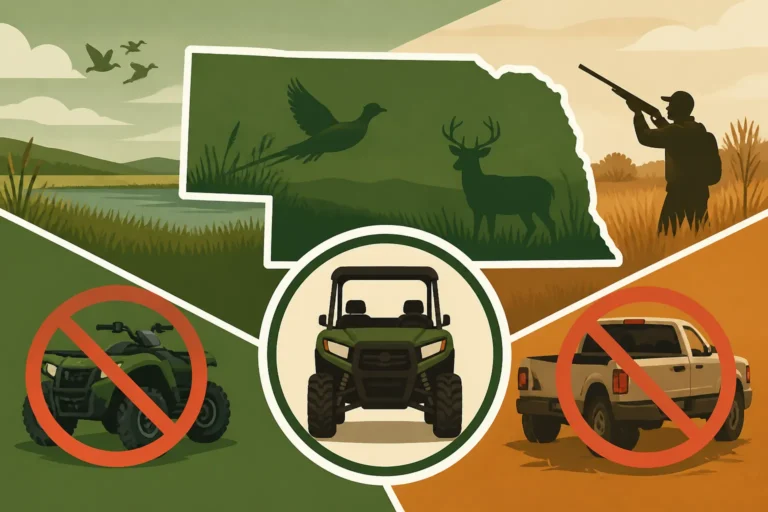
Hugh Butler Lake, also known as Medicine Creek Reservoir, located near Cambridge, is another popular spot. The Nebraska Game and Parks Commission manages significant portions of land around this reservoir as Wildlife Management Areas. These WMAs are often actively managed with food plots and habitat improvements, specifically designed to draw and hold game. Similar to Harlan, you'll find great opportunities for deer, upland birds, and ducks. Nebraska Wildlife Management Area Rules often apply to these state-managed parcels, so it's always wise to familiarize yourself with any specific regulations regarding blinds, vehicles, or camping.
Further west, Swanson Reservoir near Trenton and Enders Reservoir near Imperial also provide valuable public hunting ground. These are typically managed by the Bureau of Reclamation with cooperative agreements with the Nebraska Game and Parks Commission. While perhaps not as sprawling in terms of public acreage right on the water as Harlan, they still offer crucial habitat. Look for areas where the tributaries feed into the main lake, as these often create excellent cover and travel corridors for deer. Wetlands and marshy areas are obvious draws for waterfowl, and the grasslands surrounding these smaller reservoirs can hold pheasants and prairie grouse, particularly the edges where cover is thicker. Access to these areas can vary, with some having well-marked parking lots and others requiring a bit more off-the-beaten-path exploration.
Utilizing Digital Tools for Access
In today's hunting world, digital mapping tools are absolutely indispensable, especially when you're trying to navigate the complex land ownership around the Republican River reservoirs. Forget the days of squinting at paper maps in the truck; apps like onX Hunt have revolutionized how we find and access public land. These platforms clearly delineate public from private boundaries, often color-coding different types of public land (e.g., federal, state, Open Fields and Waters). This means you can see exactly where you are in relation to property lines, preventing accidental trespass which is a huge relief to both hunters and landowners.
Beyond just property lines, these apps offer invaluable features like satellite imagery, topographic maps, and even landowner contact information in some cases (though always verify this with county records if you're seeking private permission). You can identify potential pinch points, bedding areas, water sources, and travel corridors before you ever set foot on the ground. For example, if you're Scouting Nebraska Public Ground Before Opening Day, you can use onX Hunt to mark potential stand sites, glassing نقاط, or even plan your entry and exit routes to avoid disturbing game or other hunters. GoHunt is another platform that offers detailed mapping and planning tools, often including draw odds and unit breakdowns which, while more relevant for drawing permits, can also help inform where certain species are likely to be found. Knowing where to park, where you can legally walk, and where potential game habitat lies gives you a huge advantage and reduces the frustration of showing up blind. Always remember to download your maps for offline use, as cell service can be spotty in some of these more remote reservoir areas.
Strategies for Successful Hunting on Reservoir Public Ground
Hunting public land around the Republican River reservoirs demands a blend of preparation, persistence, and an understanding of how game reacts to pressure. It's not always easy, but it is certainly rewarding when you put the pieces together.
Scouting and Pre-Season Preparation
Effective scouting is the bedrock of success on public reservoir lands. Before the season even begins, use your digital mapping tools to identify promising areas. Look for bottlenecks, areas of dense cover adjacent to food sources, creek crossings, or areas that seem difficult to access, which often means less pressure. Terrain features like draws leading down to the water, small pockets of timber, or dense cedar thickets are often overlooked or simply too much work for casual hunters. These are the places you want to target.
Once you have a few spots in mind, put boots on the ground. During the off-season, you can walk these areas freely, looking for old rubs, scrapes, and bedding signs. Pay attention to water sources and prevailing wind patterns, especially important for deer hunting. For waterfowl, identify likely roosting and feeding areas. For pheasants and quail, look for dense cover that provides thermal protection and nesting habitat. If you plan to hunt during the Nebraska Waterfowl Seasons and Zones, scouting for common flight paths and where birds are actually using the water is key. Even in August, observing where deer are moving to and from water in the evenings can provide valuable intel for the archery season. The more time you spend understanding the specific piece of public ground, the better your chances will be when the season opens.
Adapting to Hunting Pressure
Let's be realistic: public land, especially around popular reservoirs, is going to see hunting pressure. The trick isn't to avoid it entirely, but to understand it and use it to your advantage. Many hunters stick to the easy-access areas near parking lots or boat ramps. This means if you're willing to walk an extra mile, or even just a few hundred yards into a thicker, less appealing-looking patch of cover, you can often find unpressured game. Deer, in particular, will quickly learn to move into these sanctuaries during daylight hours.
Hunting during weekdays can also significantly reduce the crowds compared to opening weekend or Saturdays. Consider hunting mid-day, when many other hunters have gone back to camp or their vehicle, as this is often when deer feel safe enough to move. For pheasants, if you find yourself in an area with a lot of hunters, consider blocking and driving small pockets of cover or working the edges of fields that might be adjacent to private land where birds feel more secure. For deer, Decoying a Nebraska Whitetail Buck can be effective, but you'll need to assess the hunting pressure to ensure you're not setting up in a spot where other hunters might be moving through. Be courteous to other hunters, and remember that everyone is out there to enjoy the outdoors. By focusing on overlooked cover, adjusting your timing, and being willing to put in the extra effort, you can absolutely find success on these heavily used public hunting grounds.
Specific Game Hunting Strategies for Reservoir Lands
While the general principles of scouting and adapting to pressure apply, different game species require specific tactics to be successful around the Republican River reservoirs. From big game to upland birds and waterfowl, each offers its own unique challenge and reward.
Deer Hunting Tactics Around the Reservoirs
For deer, the Republican River reservoirs offer fantastic opportunities, with both whitetails and, in the western portions, mule deer present. Whitetails will often be found in the thicker river bottoms and timbered draws that feed into the reservoirs. Look for dense cedar thickets, brushy creek beds, and cottonwood stands that provide both cover and browse. Scouting for active scrape lines and rub routes can give you a clear indication of where bucks are traveling. Setting up a stand or ground blind along these natural travel corridors, especially where they funnel deer around steep bluffs or along water edges, can be very effective. Remember to pay close attention to wind direction, as deer rely heavily on their sense of smell.
Mule deer, while less common than whitetails in the eastern reservoirs, can still be found, particularly on the more open, rolling terrain and canyons of the western reservoirs like Enders and Swanson. Here, spot-and-stalk tactics can be more productive. Utilize binoculars and Glassing the Nebraska Sandhills for Mule Deer techniques, even if it's not the Sandhills, to locate deer at long distances on open hillsides or in wide-open fields before planning your approach. The key is to use the terrain to your advantage, staying out of sight as you close the distance. Don't underestimate the power of hunting during the archery season, especially in early September or during Hunting the Pre-Rut in Late October, when deer movement can be more predictable.
Upland Bird Hunting on Reservoir Public Ground
The Republican River reservoirs can be fantastic for upland birds, particularly pheasants and bobwhite quail. The mix of native grasslands, cattail sloughs, and brushy draws provides ideal habitat. When targeting pheasants, focus on the edges where different types of cover meet, such as the transition from a harvested cornfield into a dense grass buffer strip or a cattail marsh. These "edge habitats" are prime locations for birds. Walking long, narrow strips of cover, like shelterbelts or deep drainage ditches, with a good dog can often flush birds that are holding tight. Walking Milo and Corn Stubble for Pheasants is also a classic tactic, especially after the harvest, as birds will forage in these fields but seek refuge in nearby cover.
For quail, look for areas with a mosaic of cover: dense brush for protection, open areas for dusting, and agricultural fields for food. Shelterbelts and plum thickets adjacent to crop fields are often prime quail habitat. Quail coveys tend to stay together, so if you jump one, mark the location and work the surrounding area thoroughly. Quail Hunting Nebraska Shelterbelts can be incredibly effective, but be prepared for explosive covey rises that require quick shooting. Remember that shotguns loaded with appropriate shot sizes are key for these fast-flying birds.
Waterfowl Hunting Opportunities
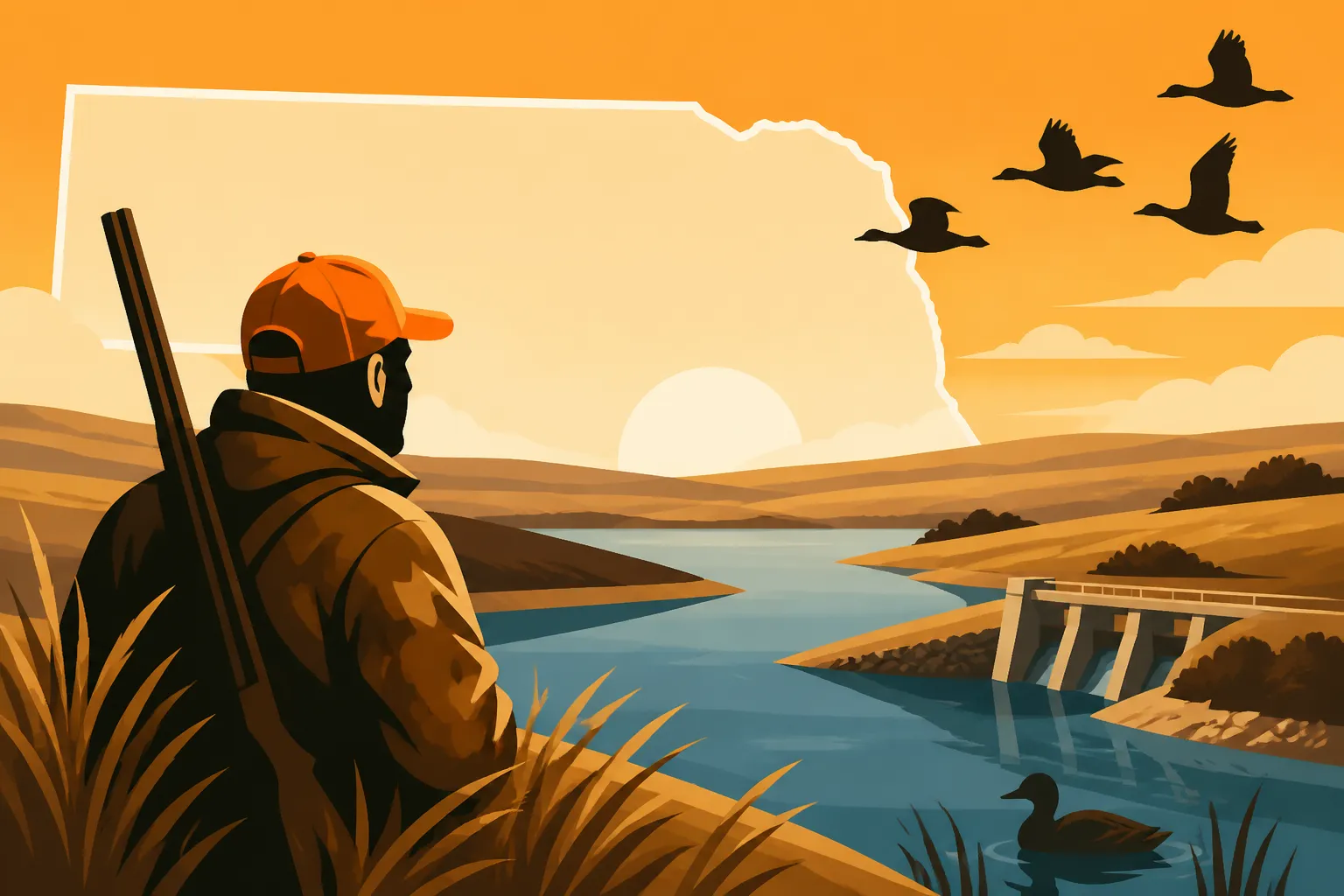
Given the large bodies of water, the Republican River reservoirs are, unsurprisingly, excellent for waterfowl hunting. Ducks and geese use these areas as major stopovers along the Central Flyway. Early in the season, during the Nebraska's Nine-Day Early Teal Hunt, you can find teal in shallow areas and flooded timber. As the season progresses, larger ducks like mallards, pintails, and divers will utilize the main lake. Setting up decoys in shallow bays, along mud flats, or in harvested crop fields adjacent to the water can lead to productive hunts. Consider using layout blinds in cut cornfields or brushing in a blind along the shoreline for concealment.
Geese, especially Canada geese, are abundant around these reservoirs. They often roost on the open water and then fly out to feed in nearby agricultural fields. Scouting their flight patterns and feeding locations is critical. Setting a good spread of full-body or shell decoys in a harvested corn or wheat field can draw them in. For both ducks and geese, ensure you're aware of Nebraska Waterfowl Seasons and Zones and any specific regulations for the area you're hunting, including non-toxic shot requirements which are common on public lands. Setting a Goose Spread in Harvested Corn takes practice, but when done correctly, it can be incredibly effective.
Rules, Regulations, and Responsible Hunting
Hunting public land is a privilege, and it comes with the responsibility of knowing and following all rules and regulations. This isn't just about legality; it's about ensuring a safe and positive experience for yourself and every other user of these shared resources.
Essential Permits and Licenses
Before you even think about heading out to the Republican River reservoirs, make sure all your paperwork is in order. Every hunter in Nebraska needs a valid Nebraska hunt permit and a habitat stamp. If you're a nonresident, the costs can add up, but they are essential. For waterfowl hunting, you'll also need a federal duck stamp and be HIP (Harvest Information Program) registered. Don't forget any species-specific permits, like your deer or turkey tags. It's a real bummer to scout a fantastic spot only to realize you can't hunt it legally because of a missing permit.
Nebraska has specific age requirements and exemptions for Nebraska Hunter Education Age Requirement, so if you're a younger hunter or taking one afield, ensure you meet those criteria. For archers, while bowhunter education isn't always mandatory for all, it's highly recommended. Always carry your permits with you while hunting, whether as physical copies or accessible via a digital app if allowed by the state. A quick check of the current year's Nebraska Game and Parks hunting guide is always a good idea, as regulations can sometimes change.
Navigating Shared Use Areas and Safety
Public lands, especially around reservoirs, are shared by many different users: hunters, anglers, hikers, birdwatchers, and sometimes even campers. Being a responsible hunter means being aware of these other users and practicing safety at all times. Always identify your target positively and know what's beyond it. Never take a shot if there's any doubt. This is particularly crucial in areas that might have trails or recreational facilities nearby.
Blaze orange requirements are in place for a reason. During the firearm deer seasons, specific Nebraska Blaze Orange Square Inches are required for hunters, even for archers during the firearm season overlap. This is a non-negotiable safety measure. Be mindful of parking areas; park considerately and don't block access roads or gates. If you're using a ground blind, ensure it's clearly marked, especially during firearm seasons. Picking up all your trash, including spent shell casings, and leaving the area cleaner than you found it, goes a long way in ensuring these public areas remain open and welcoming for everyone. Ethical behavior and good sportsmanship are paramount.
Understanding Land Boundaries and Trespass
One of the most critical aspects of hunting around the Republican River reservoirs, or any public land bordering private, is understanding land boundaries. As mentioned earlier, apps like onX Hunt are invaluable here. They provide real-time GPS tracking of your location relative to public/private land lines. Ignorance of boundaries is not an excuse for trespass, and it can lead to hefty fines, permit revocation, and damage to the reputation of all hunters.
Always respect posted signs and know Nebraska's Posted-Land and Trespass Rules. If you suspect a piece of land is public but it's completely surrounded by private ground, you likely cannot access it without permission from the surrounding landowners. Even if game you've shot crosses onto private land, Retrieving Game From Private Land typically requires landowner permission before you can pursue it. A good rule of thumb is, if you're not 100% sure it's public land and you have legal access, don't hunt it. When in doubt, err on the side of caution or, even better, seek written permission if possible. Establishing good relationships with local landowners can open up opportunities and prevent unnecessary headaches for everyone involved.
Disclaimer
This article is for general informational purposes only and does not constitute professional advice. Laws, prices and regulations vary by location and change over time. Consult a qualified professional for guidance on your specific situation.