Retrieving Game From Private Land
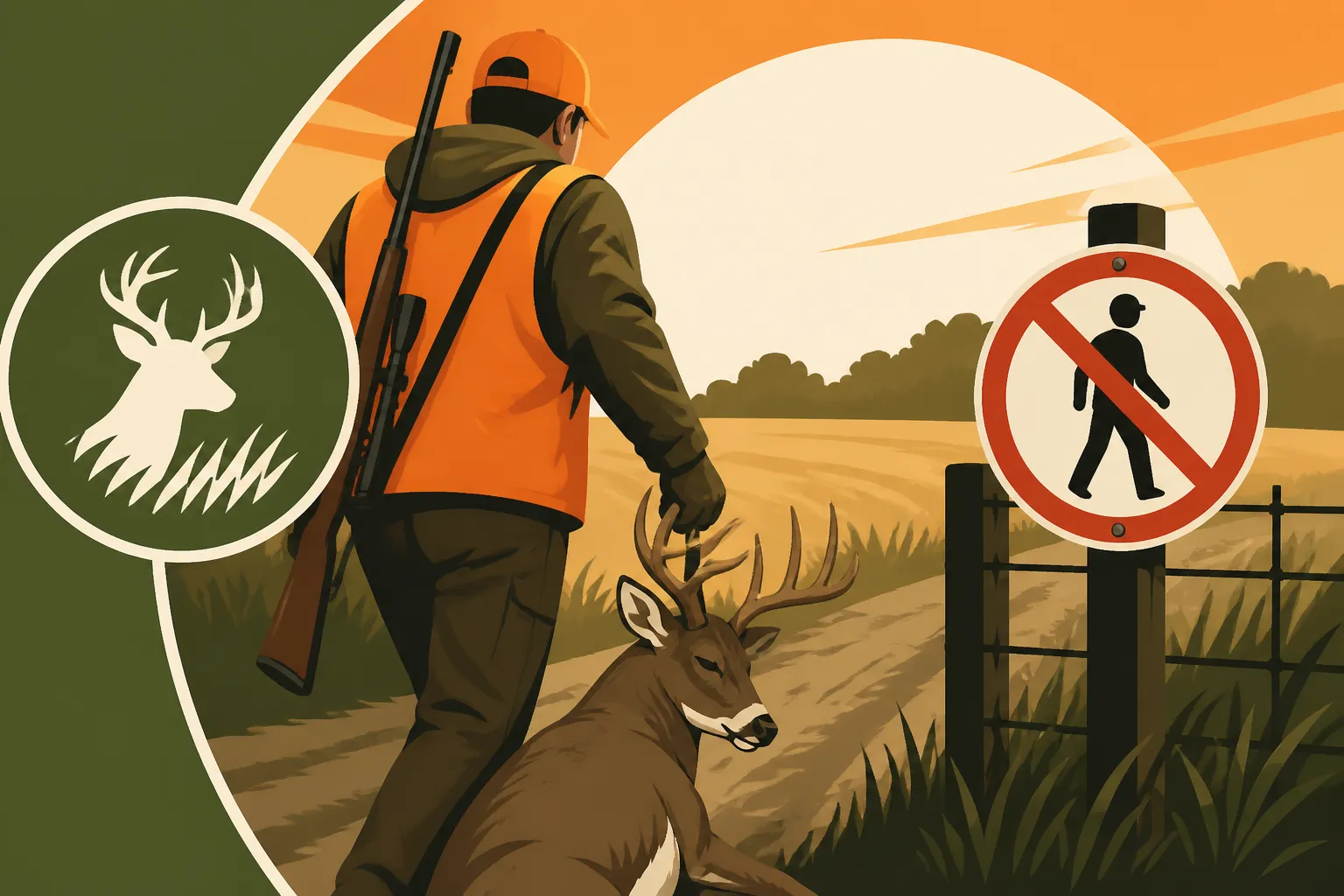
It's a scenario that can turn an otherwise successful hunt into a nightmare: you make a great shot on a deer, the animal takes off, and your heart sinks as you watch it disappear onto land clearly marked "Private Property" or, worse, just unknown territory. That gut-wrenching feeling of dread, knowing your hard-earned game is just out of reach, is a common frustration for hunters in Nebraska. This guide is here to walk you through the legal and ethical steps for retrieving game that crosses property lines, helping you navigate this tricky situation with respect and knowledge.
Navigating Nebraska Law: When Game Crosses the Line
When your deer or other game animal runs onto land you don't have permission to hunt, it immediately introduces a layer of complexity to your hunt. It's no longer just about tracking; it's about understanding property rights, state law, and the delicate balance of landowner relations. Nebraska has clear rules regarding trespass and permission, and knowing these is your first line of defense against legal trouble and damaged relationships.
The Legal Definition of Trespass in Nebraska
In Nebraska, entering private property without permission, whether posted or not, constitutes trespass. This isn't just a polite suggestion; it's a legal boundary. Even if you're just walking across the edge of a field to retrieve a downed animal, you are technically trespassing if you haven't received explicit permission from the landowner or their agent. This can be a hard pill to swallow when you know your animal is just a few yards away, but ignoring this fundamental rule can lead to fines, legal action, and a tarnished reputation for all hunters.
The law doesn't differentiate between hunting on the land and simply retrieving an animal. The act of crossing the property line without permission is the issue. That's why simply assuming you have a "right" to retrieve your game can land you in hot water. The landowner's rights are paramount, and they are protected by law. Always remember that even if you legally harvested an animal, its location on someone else's property dictates your next move. Understanding Nebraska's Posted-Land and Trespass Rules is vital for every hunter in the state.
The Importance of Permission: Written vs. Verbal
Nebraska law does not explicitly require written permission for hunting or retrieving game on private land, but it is highly, highly recommended. Verbal permission is legally valid, but it leaves room for misunderstanding or denial later on, especially if there's no witness or if memories fade. Imagine a scenario where you've been given verbal permission by an older landowner you've known for years, but then their son, who manages the property, confronts you later, unaware of the agreement.
For retrieval, securing any form of explicit permission is paramount. A simple phone call or a knock on the door can often resolve the situation amicably. If you can get written permission, even a quick text message or email, that's even better for your peace of mind. Many landowners are reasonable, especially when you approach them with respect and explain your situation clearly. The key is to make contact and get that explicit "yes." For more context on permissions, check out Do You Need Written Permission in Nebraska?.
The Art of Asking: Seeking Permission Ethically and Effectively
So, your animal is down on private land. Your adrenaline is still pumping, but now a new challenge presents itself: approaching a stranger, or perhaps even an acquaintance, to ask for access. This isn't always easy, and the success of your retrieval often hinges on how you handle this interaction.
Best Practices for Approaching a Landowner
First and foremost, always try to locate the landowner or their representative before stepping foot on their property. This isn't just about legalities; it's about common courtesy and showing respect for their land. Do not, under any circumstances, assume they won't mind if you just "slip in and out." That's a surefire way to escalate a simple situation into a serious conflict.
When you do approach, be polite, calm, and clear about your intentions. Introduce yourself, explain what happened—that you shot a deer on adjacent property and it ran onto theirs. Describe the animal, where you last saw it, and what you need (e.g., to simply track and retrieve). Offer to leave your weapon behind, or at least keep it unloaded and cased. Emphasize that you only want to retrieve your game and will leave immediately afterward, causing no disturbance. Many landowners appreciate this direct and respectful approach. If possible, offer to show them where the animal is, or even to quarter it there if it's a large animal far from a road. This level of transparency can go a long way.
What to Do When Permission is Denied
This is where the real frustration can set in. Despite your best efforts and polite demeanor, a landowner might still deny you access. Their reasons could be varied: they might have their own hunting plans, they might not want strangers on their property, they might have livestock, or perhaps they've had bad experiences with hunters in the past. It's incredibly disheartening, but you must respect their decision. Legally, they are within their rights to deny access, regardless of whether your animal is deceased on their land.
If permission is denied, do not argue, demand, or try to sneak onto the property later. This will only reinforce negative stereotypes about hunters and could lead to serious legal consequences. Your options at this point become extremely limited. You can contact local law enforcement or the Nebraska Game and Parks Commission. While they cannot force a landowner to grant access, they may be able to mediate or offer advice. In some rare cases, they might even be able to make contact with the landowner on your behalf. However, don't expect them to retrieve the animal for you. Ultimately, if the landowner stands firm, that animal may be lost, which is a tough reality to face.
Consider this table for a quick overview of common scenarios and actions:
| Scenario | Recommended Action | What NOT to Do | Potential Outcome |
|---|---|---|---|
| Deer runs onto private land, you know owner | Immediately contact landowner via phone, text, or in person. Politely explain situation and request permission for retrieval only. | Enter property without permission. Assume they'll understand. | Permission granted, game retrieved. Good landowner relations maintained. |
| Deer runs onto private land, owner unknown | Use tools like onX Hunt to identify landowner. Attempt contact. If unable, consider contacting local authorities for assistance in making contact. | Give up immediately. Trespass to find owner. | Access gained, or authorities may assist. Or, animal may be lost if contact is impossible. |
| Permission denied by landowner | Respect their decision. Do not argue or attempt to persuade further. You may contact law enforcement/NGPC for mediation, but understand their limits. | Trespass anyway. Argue or become confrontational. Leave a bad impression. | Animal likely lost. Legal repercussions if you trespass. |
| Permission granted | Thank the landowner profusely. Follow all instructions. Retrieve animal quickly and efficiently. Exit property promptly. Ensure proper tagging. | Overstay your welcome. Hunt other game. Leave a mess. Fail to tag legally. | Successful retrieval. Positive relationship, possibly future hunting opportunities. |
After retrieving your game, remember Nebraska Deer Tagging and Checking Rules are still in effect. Even if the retrieval was stressful, the legal requirements for your harvest remain.
Preventing the Dilemma: Proactive Steps for Responsible Hunters
While the situation of a wounded animal crossing property lines can feel sudden and unavoidable, there are many proactive steps you can take to minimize the risk or at least prepare for it. Being a responsible hunter isn't just about shot placement; it's about understanding your hunting area and building good relationships.
Scouting and Knowing Your Boundaries
Before you even step into the field, thorough scouting is invaluable. This means not just looking for game sign, but understanding the landownership patterns in your hunting area. Tools like onX Hunt are incredibly useful for this. They allow you to see property lines, identify landowners, and understand the lay of the land, including public versus private tracts. Knowing that a dense timber patch is surrounded by private agricultural fields can change your hunting strategy entirely. If you know a particular stand location is near a property boundary, you might choose a different shot angle or even a different stand to ensure any animal you hit stays on accessible land.
Utilizing resources like the Nebraska Public Access Atlas can also help you identify large tracts of public land or Open Fields and Waters areas that might offer more buffer zones away from private property. The more you know about the ground you're hunting, the better equipped you are to make informed decisions that prevent these stressful situations. onX Layers for Nebraska Land Status can be a game-changer here, providing real-time property boundary information right on your phone.
Building Landowner Relationships
The absolute best preventative measure for retrieval issues is to already have a relationship with neighboring landowners. If you're hunting private land, make an effort to meet the owners of adjacent properties before the season even begins. Introduce yourself, explain that you'll be hunting next door, and politely ask what their policy is if an animal happens to run onto their ground. Building this rapport beforehand can make a world of difference. A landowner who knows and trusts you is far more likely to grant permission than a complete stranger knocking on their door mid-hunt.
Even if you primarily hunt public ground, knowing who owns the land bordering it can be beneficial. A friendly wave, a quick chat, or even offering a helping hand with a chore can foster goodwill that might pay off when you need it most. Respecting their property, whether by not littering or being mindful of gates, is an ongoing investment in these relationships. A simple act of asking permission for Scouting Nebraska Public Ground Before Opening Day on adjacent private land might open doors for future conversations.
Shot Placement and Equipment Choices
While no shot is 100% guaranteed, aiming for quick, ethical kills significantly reduces the distance an animal will travel. Practicing regularly, understanding animal anatomy, and knowing your effective range are crucial. If you're bowhunting, ensuring your broadheads are razor sharp and your bow is perfectly tuned can make a huge difference in terminal performance. For rifle hunters, choosing an appropriate caliber and bullet construction for the game and conditions can reduce tracking distances.
Consider the terrain and cover when making a shot decision. If you're on the edge of a vast, thick cedar draw that you know extends into private property, you might pass on a marginal shot opportunity that you'd otherwise take if the background was open public land. Making a conscious decision to hunt areas where a wounded animal is less likely to cross boundaries, or ensuring you're only taking high-percentage shots, is part of being a truly ethical and prepared hunter. For warmer early archery seasons, a quick retrieval is also critical for Field Dressing and Cooling Game in Warm Weather, so preventing long tracks across boundaries becomes even more important.
Disclaimer
This article is for general informational purposes only and does not constitute professional advice. Laws, prices and regulations vary by location and change over time. Consult a qualified professional for guidance on your specific situation.