Crescent Lake Refuge Hunting Access
Navigating public hunting lands can be a real headache, especially when you're dealing with a unique area like a National Wildlife Refuge. Hunters often get frustrated with layered regulations, specific access points, and the sheer effort it takes to understand where they can even set foot. This guide is here to untangle the complexities of hunting access at Crescent Lake National Wildlife Refuge, offering clear insights into its opportunities and the specific rules you need to follow to make your hunt successful and legal.
What Exactly is Crescent Lake National Wildlife Refuge and Why Hunt There?
Crescent Lake National Wildlife Refuge, nestled deep within the Nebraska Sandhills, isn't just another patch of public ground; it's a vital ecosystem managed specifically for wildlife conservation, with hunting playing a carefully regulated role. For many hunters, this refuge represents a truly wild Nebraska experience, far from the crowds and closer to nature's raw beauty. However, this unique status also means the rules can feel a bit different, and sometimes more stringent, than what you might be used to on state wildlife management areas.
Imagine rolling sand dunes, interspersed with shallow, alkaline lakes and vast grasslands—that's the heart of Crescent Lake. It was established way back in 1931 as a sanctuary and breeding ground for migratory birds, particularly waterfowl. Because of this, the primary draw for many hunters is the incredible bird hunting opportunities it can offer, but it's also home to other game species. The landscape here is breathtaking, but it also presents its own set of challenges, from getting stuck in soft sand to navigating vast, featureless terrain. The sheer remoteness often means fewer hunters, which can be a huge draw for those seeking solitude.
The Landscape and Its Appeal to Hunters
The refuge sprawls across nearly 46,000 acres, a mosaic of wet meadows, sandhills prairie, and 21 permanent lakes and numerous temporary wetlands. This diverse habitat makes it a magnet for a variety of game. Waterfowl hunters are often drawn to its rich history as a bird sanctuary, hoping to intercept ducks and geese on their migrations along the Central Flyway. While the refuge isn't directly within the Rainwater Basin Wetland Access area, its network of lakes serves a similar purpose for migratory birds, offering critical resting and feeding grounds. You'll find everything from mallards and pintails to various species of teal, and robust populations of Canada geese.
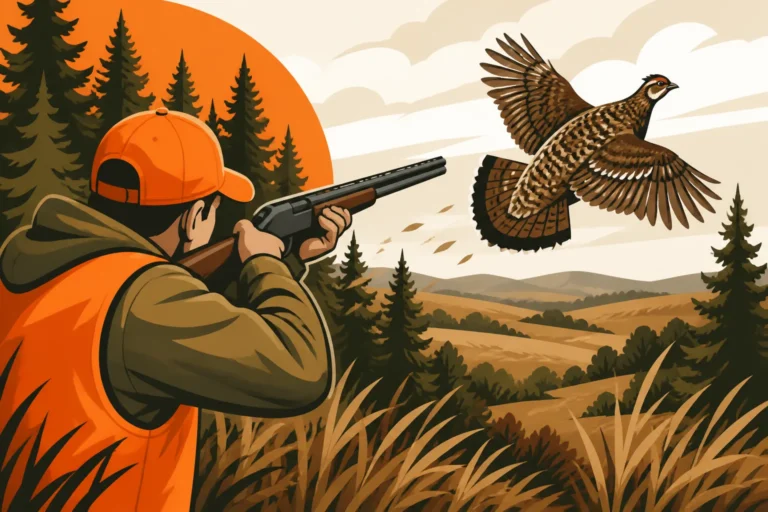
Beyond waterfowl, the upland hunting can be surprisingly good. Pheasants, while not in the same densities as some of the prime agricultural areas, can be found in the thicker cover around wetlands and in prairie pockets. Sharp-tailed grouse and greater prairie-chickens also inhabit the sandhills prairie, offering a truly unique hunting experience for those willing to put in the legwork. For big game, whitetail and mule deer call the refuge home, though deer hunting here is typically limited and often requires special permits or adherence to specific regulations that differ from statewide seasons. The vast, open nature of the sandhills also means that deer are often sparse but can be very challenging and rewarding to hunt when found.
The Unique Challenge of Refuge Hunting
Hunting a National Wildlife Refuge like Crescent Lake comes with its own distinct set of hurdles that can catch an unprepared hunter off guard. Unlike state WMAs, which are primarily managed for recreation, NWRs prioritize wildlife conservation. This means hunting is a secondary use, carefully integrated and often restricted to minimize disturbance to non-game species or sensitive habitats. This isn't a place where you can just show up on opening day and expect to know the ropes. You absolutely need to do your homework.
One of the biggest frustrations hunters face is the seemingly ever-changing rules or the subtle differences in regulations compared to what they might be accustomed to elsewhere in Nebraska. Seasons might be shorter, specific areas might be closed, or particular methods might be prohibited. Access points can be limited, and navigating the extensive property lines can be a puzzle without the right tools. This is where a robust mapping application like onX Hunt becomes invaluable. It allows you to clearly see refuge boundaries, closed areas, and land ownership, which is paramount to staying legal and making the most of your time afield. Without such tools, you could easily find yourself in a non-hunting zone or trespassing, ruining your hunt and potentially leading to a citation.
Navigating the Regulations: What Hunters Need to Know
Hunting in a National Wildlife Refuge means you're operating under federal regulations, in addition to state laws. While Nebraska's general hunting regulations apply, the refuge often has its own set of rules, including specific season dates, bag limits, and methods of take. This dual layer of governance can feel like a bureaucratic maze, but understanding it is non-negotiable for a responsible hunter. Don't assume anything; always consult the refuge's specific hunting brochure or website before you plan your trip. The consequences of not knowing these rules can range from a ruined hunt to federal fines.
General Rules and Species-Specific Opportunities
When it comes to general hunting rules at Crescent Lake, there are a few foundational principles. First and foremost, you must always possess the appropriate state hunting permits and federal waterfowl stamps if you're hunting migratory birds. Remember, Nebraska Habitat Stamp and Hunter Education are prerequisites for most hunting activities in the state, and that includes refuges. Check-in and check-out procedures are common on refuges, though they vary. Some may require you to sign in at a kiosk, while others might have a mandatory hunt report system after your trip. Always look for signage at access points.
Waterfowl Hunting: This is often the flagship hunting experience at Crescent Lake. The refuge typically opens certain areas for duck and goose hunting during specific windows that align with Nebraska Waterfowl Seasons and Zones. A critical rule for waterfowl hunting on any federal refuge, and indeed on most public lands across Nebraska, is the requirement for Nontoxic Shot Rules on Nebraska WMAs. Lead shot is strictly prohibited for waterfowl. Hunters typically utilize layout blinds or natural cover, but remember that permanent blinds are usually forbidden, and you'll need to pack out everything you pack in, including any temporary blind materials. Knowing the refuge's specific zones for waterfowl is key, as some areas may be designated as inviolate sanctuaries.
Upland Bird Hunting: For pheasants, sharp-tailed grouse, and prairie-chickens, designated areas are generally open during the statewide seasons, such as the Nebraska Pheasant Season Opening Date. Again, nontoxic shot is usually required for upland birds on federal lands, so be prepared with steel or other approved alternatives. Walking is the primary method here, often covering vast distances in search of birds. Dogs are invaluable for finding downed birds in the thick prairie grass, but always ensure your dog is under control and adhering to any refuge-specific leash rules or area restrictions.
Deer Hunting: Deer hunting on Crescent Lake NWR is often highly regulated and can be quite limited. It may be restricted to archery-only seasons or specific antlerless opportunities to help manage herd numbers. Hunters seeking to pursue deer here need to pay close attention to the refuge's annual hunting regulations, as special permits or drawings might be necessary. It’s not uncommon for Nebraska Deer Permit Types by Unit to be issued for specific regions within the refuge, rather than a general statewide tag applying throughout. For instance, you might find antlerless-only opportunities to control local populations.
Permit Requirements and Application Processes
Beyond your standard state permits, some hunting opportunities at Crescent Lake National Wildlife Refuge may require additional refuge-specific permits or participation in special drawings. These permits are typically designed to manage hunter numbers, reduce pressure on wildlife, or target specific management goals, such as reducing antlerless deer populations. Don't assume your general Nebraska hunting permit is all you need; always check the refuge's official hunting brochure well in advance of the season.
For highly sought-after hunts, like certain deer opportunities or sometimes even specific waterfowl blinds, the refuge might implement a lottery or drawing system. This is where tools like GoHunt (if you're accustomed to using it for broader draw research) could give you some context on application trends, although for a specific refuge, the official refuge website will be your absolute best source for application dates and procedures. These drawings often have strict application periods and quotas, so missing a deadline means missing your chance entirely. For example, if the refuge is aiming to reduce its whitetail deer population, they might offer a limited number of archery antlerless permits through a draw. The best way to stay on top of these opportunities is to visit the refuge's official website or call the refuge headquarters directly a few months before the season. They're usually very helpful and can provide the most current information.
Practical Strategies for Hunting Crescent Lake Refuge
Hunting Crescent Lake isn't just about knowing the rules; it's about preparing for a unique environment. The vastness of the Sandhills, the presence of water, and the variable weather conditions all play a significant role in planning a successful and safe hunt. This isn't a place where you want to cut corners on preparation, especially when it comes to navigation and gear.
Scouting and Preparation for Success
Successful hunting at Crescent Lake starts long before opening day. Given the complex nature of refuge boundaries and access, thorough scouting is paramount. Your best friend here will be a digital mapping application. I can't stress enough how much onX Hunt transforms the public land hunting experience, especially in areas with tricky boundaries like a National Wildlife Refuge. You can download maps for offline use (crucial in areas with no cell service), identify property lines, locate potential access roads, and mark areas of interest like water sources, dense cover, or high spots for glassing. This virtual scouting can save you hours of driving and walking in the wrong direction. Before you even set foot on the refuge, use these tools to identify potential hunting zones and understand where specific restrictions might apply.
Beyond digital scouting, physical reconnaissance, if possible, is incredibly valuable. Driving the public roads that traverse or border the refuge can give you an invaluable lay of the land. Pay attention to water levels in the lakes and marshes, as these can change dramatically and affect waterfowl movements and access for hunters. Look for game sign, such as deer tracks along trails or pheasant droppings in heavy cover. Remember to Checking Nebraska Area Closures is vital, as refuges can have dynamic closures for management purposes or safety. If you're a waterfowl hunter, observing flight patterns from a distance can tell you a lot about where birds are resting and feeding.
Gear and Tactics for Refuge Conditions
The Sandhills environment at Crescent Lake demands specific gear and tactics. For one, be prepared for a lot of walking, often through soft sand or wet marsh. Sturdy, comfortable Boots for Walking Nebraska Grass and Sand are essential, and if you're pursuing waterfowl, a good pair of Waders for Rainwater Basin Wetlands will be non-negotiable for accessing prime spots. The weather can be notoriously fickle, with wide temperature swings, strong winds, and sudden storms, so layering your clothing is key.
For Waterfowl:
Tactics often involve setting up near known flight paths or feeding areas. Small decoy spreads can be effective, especially if you focus on realism. Layout Blinds for Nebraska Cut Corn can be adapted for stubble fields adjacent to water, or you might need portable, low-profile blinds that blend into the wetland vegetation. Don't underestimate the power of good calling, especially for Canada geese and mallards. Knowing about Waterfowl of the Central Flyway in Nebraska will give you a better understanding of the species you might encounter and their typical behaviors. Always practice ethical hunting, ensuring clean shots and quick retrievals.
For Upland Birds:
Walking vast stretches of prairie for pheasants, grouse, or prairie-chickens is a demanding but rewarding endeavor. A good bird dog is a tremendous asset, helping to locate birds and retrieve them from thick cover. Without a dog, you'll need to work cover very slowly and systematically. Upland Vests and Blaze Orange are critical for comfort, carrying shells, water, and downed birds, and for safety, especially if other hunters are in the area. Remember, non-toxic shot is usually required.
For Deer:
Deer hunting here requires patience and keen observation. Since firearms seasons are often restricted or archery-only, stealth is paramount. Utilizing natural cover for still-hunting or carefully placed ground blinds can be effective. If you manage to harvest a deer, the open and sometimes sandy terrain means you'll need a solid plan for game retrieval. Consider a game cart or a partner to help haul out your prize, as vehicle access might be limited to designated roads.
Remember, the Sandhills can be remote, and cell service can be spotty at best. Always carry a reliable GPS unit or have offline maps downloaded on your phone, like those offered by onX Hunt. Let someone know your hunting plan, including your expected return time and location. This kind of preparation ensures not just a successful hunt, but a safe return.
| Species/Season | Permitted Activities | Special Rules & Notes |
|---|---|---|
| Waterfowl (Ducks & Geese) | Shotgun hunting, decoys, layout blinds | Nontoxic shot required, specific shooting hours, potential blind restrictions |
| Pheasants & Upland Birds | Shotgun hunting, walking with dogs | Nontoxic shot required, specific areas may be closed, daily bag limits apply |
| Deer (Archery) | Archery hunting, ground blinds | Specific units/zones may apply, check-in/out may be required, antlerless permits common |
| Trapping | Allowed by special permit only | Highly regulated, seasonal, apply well in advance |
| Fishing | Year-round in designated waters | State regulations apply, check specific refuge rules for limits |
Disclaimer
This article is for general informational purposes only and does not constitute professional advice. Laws, prices and regulations vary by location and change over time. Consult a qualified professional for guidance on your specific situation.