Nebraska Waterfowl Seasons and Zones
Trying to make sense of Nebraska's waterfowl seasons and zones can feel like deciphering a secret code, especially with different dates for ducks and geese, and separate regulations for various parts of the state. It’s enough to make you feel like you need a full-time calendar just to keep track! This guide aims to cut through the confusion, helping you understand the complex but rewarding world of Nebraska waterfowl hunting, so you can spend less time scratching your head and more time in the blind.
Understanding Nebraska's Waterfowl Landscape
Nebraska might be known for its cornfields and cattle, but it's also a surprisingly vibrant hotspot for waterfowl. Situated smack-dab in the middle of the Central Flyway, the state plays a critical role for millions of migrating ducks and geese each year. Hunters here are truly blessed with diverse opportunities, from massive reservoirs to secluded river bottoms and the unique Rainwater Basin wetlands.
The Central Flyway's Importance to Nebraska Waterfowl
When we talk about waterfowl hunting in Nebraska, we absolutely have to start with the Central Flyway. This isn't just a fancy term; it's one of North America's four major migratory bird routes, stretching from Canada all the way down to Mexico. Nebraska sits right in the heart of it, acting as a crucial pit stop for birds making their long journeys. Think of it as a superhighway for ducks, geese, and other migratory birds, and Nebraska is one of the busiest service stations along the route.
The sheer volume of birds that pass through here is incredible, influenced by everything from weather patterns up north to habitat conditions right here in our state. This means that hunters in Nebraska often get opportunities to pursue a wide variety of species, from the ubiquitous mallard to less common visitors. The success of any given waterfowl season is heavily tied to these large-scale migration events, so understanding the flyway context is key to anticipating when the birds might show up and where they might want to stay for a while. It’s why you’ll hear veteran hunters constantly checking weather forecasts across the Dakotas and Canada; those cold fronts push birds our way!
Key Waterfowl Habitats Across the State
Nebraska's diverse geography offers a surprising array of waterfowl habitats, each with its own character and appeal. It's not all just flooded cornfields, though we have plenty of those too! Understanding these different types of areas is crucial for planning your hunts and knowing what to expect.
One of the most iconic and important regions is the Rainwater Basin. This unique area in south-central Nebraska is a patchwork of shallow, temporary wetlands that are absolutely vital for migrating ducks and geese, particularly during spring and fall. These natural basins act like magnets for birds, especially dabbling ducks like pintails and wigeon, but also huge numbers of white-fronted geese and Canada geese. If you're looking for a challenging but rewarding hunt, especially during colder weather when these basins can freeze and then thaw, the Rainwater Basin offers some incredible opportunities. To learn more about the significance of this area, check out Why the Rainwater Basin Matters to Ducks.
Beyond the basins, we have our vast river systems like the Platte, Missouri, Niobrara, and Republican. These rivers, with their sandbars, oxbows, and adjacent agricultural fields, provide critical roosting and feeding areas. The Platte River, in particular, is world-renowned for its congregations of sandhill cranes, but it also draws significant numbers of ducks and geese. Then there are the state’s many reservoirs – huge bodies of water like Lake McConaughy, Harlan County Reservoir, and Sherman Reservoir – which become key staging areas for divers and large goose flocks as the season progresses and smaller water bodies freeze up. Hunting these larger water bodies often requires specialized gear and tactics, but the rewards can be incredible. Don't forget the countless smaller farm ponds and drainage ditches scattered throughout the state, which can hold surprising numbers of birds, especially early in the season or after a fresh influx of rain.
Deciphering Nebraska's Duck Zones and Seasons
Navigating the duck hunting regulations in Nebraska can be a bit like solving a puzzle, primarily because the state is divided into different zones, each with its own set of dates. This split-season approach is designed to maximize hunter opportunity while also aligning with the migratory patterns of ducks across different parts of the state. Knowing which zone you're in and when the season opens and closes is absolutely paramount.
The Low Plains and High Plains Zones
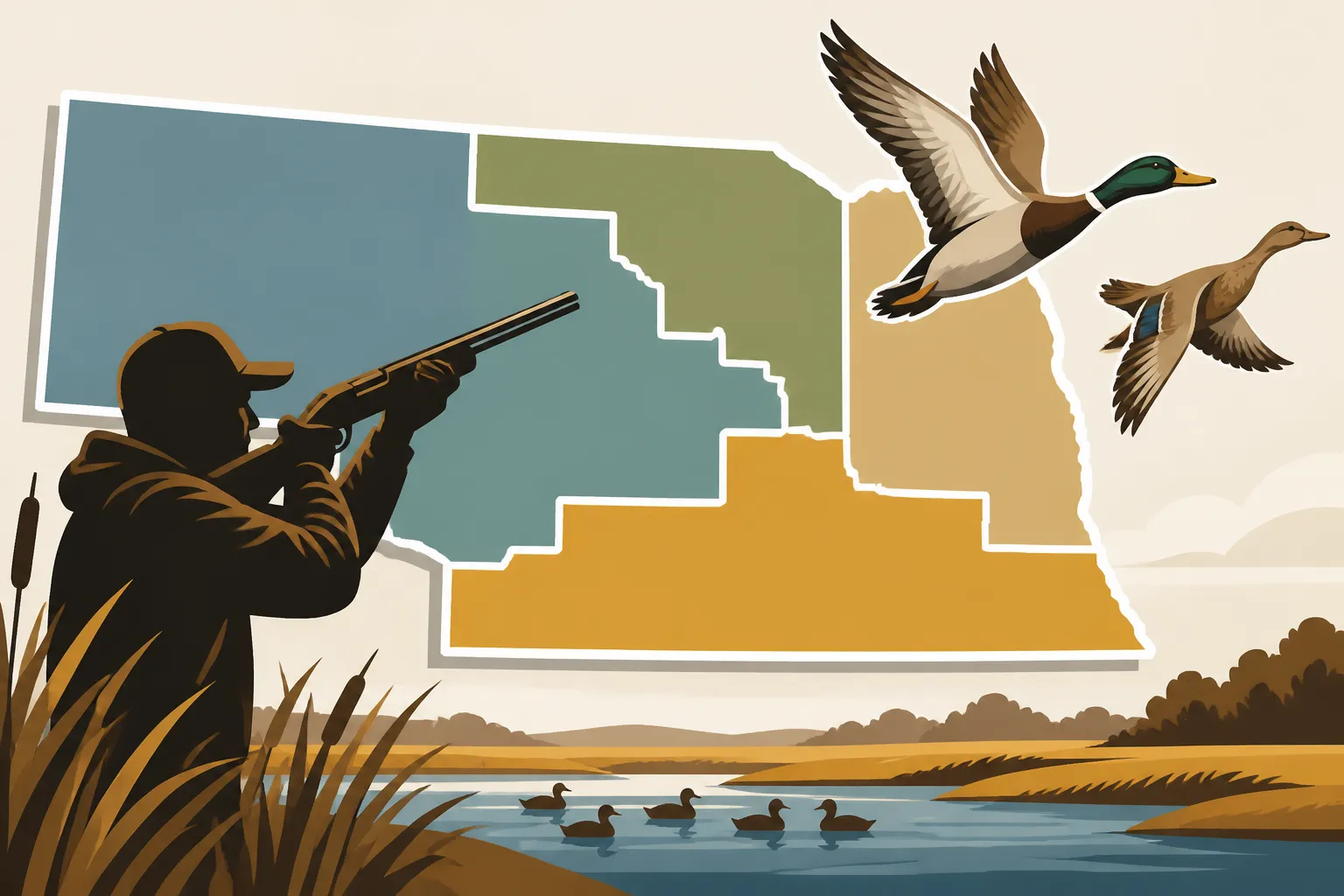
Nebraska officially splits its duck hunting opportunities into two main zones: the Low Plains Zone and the High Plains Zone. This geographical division generally runs along U.S. Highway 83 from the South Dakota border south to North Platte, then follows U.S. Highway 92 east to Kearney, and then Interstate 80 east to the Missouri River. If you're west of that line, you're in the High Plains Zone. East of it, you're in the Low Plains Zone. Simple enough, right? Well, the actual dates and lengths of the seasons are where it gets interesting.
The rationale behind these two zones is largely tied to differing migration timing and weather patterns. The High Plains Zone, encompassing the western part of the state, often experiences earlier and more severe cold fronts, pushing birds through faster. Consequently, its season might open and close a bit differently to account for these conditions. The Low Plains Zone, covering the eastern and central regions, tends to have a slightly later migration peak and generally milder early-season weather, allowing for a different season structure. It’s critical to remember which zone you plan to hunt in because the season start and end dates, as well as any split periods, will vary significantly. Always double-check the current year's Nebraska Game and Parks waterfowl guide, often found on resources like GoHunt, to confirm the exact Nebraska Duck Zones and Split Seasons you're aiming for.
Generally, both zones offer a generous 60-day season, but how those days are distributed throughout the fall and winter can be quite different. For instance, the Low Plains Zone might see a mid-season closure for a week or two, designed to allow birds to rest or to avoid hunting during a lull in migration, only to reopen for a late-season push. The High Plains Zone might have a continuous season or a different split. This strategic planning by the Nebraska Game and Parks Commission aims to provide optimal hunting windows while also balancing conservation needs.
Early Teal Season: A Quick Start to Fall
Before the regular duck season even begins, many Nebraska waterfowl hunters eagerly anticipate the early teal season. This special, short season, typically held in September, focuses specifically on blue-winged, green-winged, and cinnamon teal. It's an absolute blast and a fantastic way to kick off the fall hunting rhythm, usually running for about 16 days. The appeal of teal season is undeniable: warm weather, aggressive birds, and a chance to get out in the field well before the crowds of regular season open up.
Blue-winged teal, in particular, are early migrants, often moving through Nebraska in substantial numbers long before the first major cold front hits. This early departure is why a dedicated season for them is possible without impacting later-migrating species. Hunting teal usually means targeting shallow marshes, flooded agricultural fields, and smaller ponds where these birds prefer to feed. They are fast, acrobatic flyers, providing a challenging shot even for experienced wingshooters. It's often a fast and furious hunt, with birds decoying readily to small spreads.
One of the biggest challenges for early teal hunters is often the warm weather. While it's pleasant to be outside, it requires careful attention to game care to prevent spoilage. You'll want to have coolers with plenty of ice ready to go as soon as birds are retrieved. Also, keep in mind that other duck species may be present during this time, but only teal are legal to harvest. Proper identification is crucial to avoid violations. The excitement of an early morning teal flight, with birds buzzing the decoys under a clear September sky, is a memory that sticks with you long after the season closes.
Regular Duck Season Dates and Bag Limits
Once the early teal season wraps up, hunters turn their attention to the much longer and more comprehensive regular duck season. As mentioned, the exact dates for the regular season will depend on whether you're in the Low Plains or High Plains Zone, and these dates can fluctuate slightly year to year based on federal frameworks and state biological surveys. It's never a bad idea to double-check the official Nebraska Game and Parks regulations guide or a reputable hunting app like GoHunt for the most current information. Typically, seasons will run from late October or early November, often with a split in the Low Plains Zone, extending into December or early January.
The daily bag limit for ducks in Nebraska is generally six birds, but it's not just any six birds. There are specific species restrictions within that six-bird limit, and these are absolutely critical to understand. For instance, you might only be allowed two mallards (with only one being a hen mallard), two redheads, two canvasbacks, one pintail, one black duck, or one mottled duck. Scaup limits can also vary by time period. These specific limits are designed to protect populations of species that are less numerous or more vulnerable to overharvest. Ignoring these specific regulations can lead to serious penalties, so meticulous bird identification in the field is essential.
It's also worth noting that wood ducks and northern shovelers are popular targets within the general six-bird limit, and their individual limits are often higher, making them great additions to the bag. Hunters targeting divers on large reservoirs might see a mix of species, requiring quick identification skills. Preparing for the regular season involves not just knowing the dates but really studying your duck identification guides. The variety of ducks in Nebraska is a huge part of the fun, but it demands responsible and knowledgeable hunting.
Navigating Nebraska's Goose Units and Seasons
Goose hunting in Nebraska offers a different flavor compared to duck hunting. The birds are bigger, the spreads are often larger, and the vocalizations from the blind are a whole different ballgame. Just like ducks, geese have specific seasons and zones, though the units are structured a bit differently, often focusing on larger geographical regions or specific river corridors.
Canada Goose Zones and Dates
Canada geese are perhaps the most widespread and recognizable geese in Nebraska, and hunters have ample opportunities to pursue them. The state divides its Canada goose hunting into several zones to manage harvest and align with migratory patterns and resident populations. These typically include a statewide zone, and often specific management units for areas like the Platte River, Niobrara River, and Rainwater Basin. Each of these units can have slightly different season dates and bag limits.
Generally, Canada goose seasons tend to be longer than duck seasons, often running from early September (for an early resident goose season) well into February of the following year. This extended period allows hunters to target both resident geese that breed and summer in Nebraska, as well as the migratory flocks that push down from the north as winter progresses. Early seasons in September are often aimed at controlling local populations and can be incredibly productive, with birds that haven't yet been pressured by hunting. As winter sets in, huge flocks of migratory giants arrive, offering classic field hunting opportunities over elaborate decoy spreads. Always verify the precise Nebraska Goose Units and Dates each year, as they are subject to annual adjustments by the Nebraska Game and Parks Commission.
The bag limit for Canada geese can also vary by zone and time period, but it's typically generous, often between three and five birds per day. This allows for a good harvest, especially when you hit a flight of hungry birds in a cut cornfield. Remember that distinguishing between various subspecies of Canada geese in the field can be tricky, but for hunting purposes in Nebraska, they are generally treated as one category under the Canada goose umbrella. Focusing on effective calling, proper concealment in layout blinds, and smart decoy placement are paramount for success.
White-Fronted Goose Considerations
White-fronted geese, often affectionately called "specklebellies" or "specks" by hunters, are a highly prized species in Nebraska. They tend to be more wary than Canada geese and their distinctive, high-pitched call is unmistakable. While they migrate through the state in large numbers, particularly during the peak of fall migration, they don't always offer the same widespread opportunities as Canadas. Their season typically runs concurrently with portions of the regular duck and Canada goose seasons, usually from late September or early October into December.
Hunting white-fronted geese often requires a more specialized approach. They tend to stick to their own flocks, and while they might occasionally decoy with Canadas, a spread dedicated to specks with some white-fronted decoys and their characteristic calls can be more effective. The Rainwater Basin and parts of the Platte River Valley are prime areas to target white-fronts, especially in fields near their preferred roosting water. Their bag limit is typically more restrictive than Canadas, often just one or two birds per day, reflecting their slightly lower population numbers compared to the booming Canada goose populations.
The challenge and reward of harvesting a white-fronted goose are significant. Their meat is highly sought after, and their wary nature makes them a true trophy. Patience is a virtue when specklebelly hunting, as is keen observation of their flight patterns and feeding habits. Knowing when and where to find them is half the battle, and often requires scouting efforts that go beyond what you might do for Canada geese.
Light Goose Conservation Order: Extended Opportunities
For hunters who just can't get enough, Nebraska offers the Light Goose Conservation Order, an extended season specifically for snow, blue, and Ross's geese. This special season typically runs from late winter through early spring, often from mid-February into late April. The Conservation Order is unique because it's designed to help control the burgeoning populations of these geese, which have grown to such numbers that they are damaging their Arctic breeding grounds.
What makes the Light Goose Conservation Order truly different is the relaxed regulations. During this period, hunters are allowed to use unplugged shotguns (meaning they can hold more than three shells), and there is no daily bag limit or possession limit. Electronic calls are also permitted, making it possible to create a massive auditory experience that can draw in huge flocks of weary, migrating birds. The strategies involved are often grand-scale, involving huge decoy spreads of hundreds or even thousands of decoys, often combined with motion decoys and aggressive calling.
Hunting during the Light Goose Conservation Order can be physically demanding and requires a lot of gear. It often takes place in vast agricultural fields, particularly cut corn and wheat stubble. The weather can be highly variable, from warm, muddy spring days to bitter cold with snow. But when a tornado of snow geese descends into your spread, it's an experience unlike any other in waterfowl hunting. For those who want to experience this unique challenge, understanding when the Hunting the Light Goose Conservation Order takes place and the specific rules is crucial.
| Species Group | Zone/Unit | Typical Season Dates | Daily Bag Limit | Key Considerations |
|---|---|---|---|---|
| Ducks | Low Plains Zone | Oct/Nov – Dec/Jan (often split) | 6 total (species specific) | Eastern/Central NE, later migration peaks |
| High Plains Zone | Oct – Jan (can be continuous/split) | 6 total (species specific) | Western NE, earlier cold fronts | |
| Early Teal Season | Mid-September (approx. 16 days) | 6 total (teal only) | Warm weather, blue-winged primary target | |
| Canada Geese | Statewide | Early Sept – Mid-Feb (long season) | 3-5 (varies by unit) | Resident & migratory, widespread opportunities |
| White-Fronted Geese | Statewide | Late Sept/Oct – Dec | 1-2 (restrictive) | Wary birds, specialized calling/decoys, Rainwater Basin |
| Light Geese | Conservation Order | Mid-Feb – Late April | No Limit | Unplugged guns, electronic calls, huge spreads, high volume |
Note: Dates and limits are typical and subject to annual changes. Always consult the current Nebraska Game and Parks regulations.
Essential Permits and Regulations for Waterfowl Hunters
Before you even think about setting up a decoy spread or heading out to the blind, you need to ensure all your paperwork is in order. Nebraska, like every other state, has specific permit and regulatory requirements that apply to waterfowl hunters. Ignoring these can quickly turn a fun day afield into a costly legal headache.
State and Federal Stamp Requirements
This is probably one of the most common points of confusion for new waterfowl hunters. You don't just need a state hunting permit; you need several stamps to legally pursue ducks and geese in Nebraska. First and foremost, every hunter, unless exempt, must possess a Nebraska Hunt Permit. This is your general license to hunt in the state.
Beyond that, if you're hunting migratory birds like ducks and geese, you'll need two additional stamps. The first is the Nebraska Habitat Stamp. This stamp is vital for funding habitat restoration and acquisition projects across the state, benefiting not just waterfowl but all wildlife. It's a small investment that directly contributes to the resources hunters use. You can find more information about the Nebraska Habitat Stamp Requirements in the official regulations. The second crucial stamp is the Federal Migratory Bird Hunting and Conservation Stamp, more commonly known as the Federal Duck Stamp. This one is required by federal law for all waterfowl hunters 16 years of age and older. It contributes significantly to the National Wildlife Refuge System. So, when you're gearing up, remember it's not just one permit, but a trifecta of licenses and stamps you'll need to have in your possession. Many hunters simply buy the all-inclusive package that covers everything to avoid missing anything critical.
Hunter Education and HIP Registration
Another critical requirement, especially for younger or new hunters, is hunter education. In Nebraska, anyone born on or after January 1, 1986, must successfully complete a Nebraska Hunter Education Course to legally hunt in the state. This course covers essential topics like firearm safety, wildlife identification, hunting ethics, and regulations. It’s a foundational step to becoming a safe and responsible hunter, and while it might seem like a hurdle, it’s a valuable learning experience. There are exceptions for apprentice hunters, who can hunt under the direct supervision of a licensed mentor, allowing them to gain experience before completing the course.
Beyond hunter education, anyone hunting migratory birds in Nebraska, regardless of age, must also register with the Harvest Information Program, or HIP. This is a federal program that collects harvest data from migratory bird hunters, which is absolutely crucial for wildlife managers to make informed decisions about season lengths and bag limits. Registration is typically done when you purchase your permits and is usually just a quick series of questions about your past harvest success. It's an easy step to overlook, but it's a mandatory one. For more details on this, look up the Nebraska HIP Registration Requirement to make sure you're covered. It's a small administrative task that has a big impact on conservation.
Understanding Legal Shooting Hours and Equipment
Waterfowl hunting, by its very nature, often involves those magical moments just before sunrise and just after sunset. However, there are strict legal shooting hours you must adhere to. In Nebraska, legal shooting hours for migratory birds generally begin 30 minutes before sunrise and extend until sunset. This is a hard and fast rule, and game wardens are particularly vigilant about enforcing it. Using a reliable timepiece and knowing your official sunrise and sunset times for your specific location is essential. Many hunting apps, like those you might use for mapping, often include this information, which is incredibly helpful.
When it comes to equipment, there are several key regulations. First and foremost, you must use a shotgun that is "plugged" to hold no more than three shells in total (one in the chamber, two in the magazine) when hunting migratory game birds, unless you're participating in the Light Goose Conservation Order. This is a federal regulation designed to prevent overharvest. The only exception is during the Conservation Order, where unplugged guns are permitted to help manage light goose populations.
Secondly, and equally important, is the requirement for nontoxic shot. Lead shot is strictly prohibited for all waterfowl and coot hunting in Nebraska, as it is nationwide. You must use approved nontoxic shot types, such as steel, bismuth, or tungsten-alloy. This regulation protects birds from lead poisoning, which can occur when they ingest spent lead pellets. Always check your shells to ensure they are marked "nontoxic" before heading afield, especially if you also hunt upland birds where lead is often still allowed. Remember, ethical hunting also means adhering to these regulations that protect both wildlife and habitat.
Strategic Planning for a Successful Nebraska Waterfowl Hunt
Successfully hunting waterfowl in Nebraska is rarely a matter of luck; it’s almost always about meticulous planning, adapting to conditions, and understanding the birds. From pre-season scouting to reacting to real-time weather changes, every step can make a difference between a full strap and an empty cooler.
Scouting Key Areas Before the Season Opens
Think of scouting as the bedrock of any successful waterfowl hunt. You wouldn’t show up to a big exam without studying, right? The same goes for hunting. Relying on last year's hotspots can be a recipe for disappointment, as bird patterns and habitat conditions change constantly. Pre-season scouting, well before opening day, helps you locate birds, identify their feeding and roosting patterns, and understand access points. This is where tools like GoHunt can be invaluable, allowing you to examine aerial maps, property boundaries, and potential travel corridors from the comfort of your home.
When you're out scouting, look for fresh sign: tracks along muddy edges, droppings in fields, and especially flying birds. Pay attention to where ducks and geese are loafing, where they’re feeding, and their flight paths between these areas. Are they hitting a recently cut cornfield, or are they feeding in a shallow wetland? Is there a particular creek or ditch they seem to follow? These observations are gold. Drive county roads, use good optics to scan fields, and if possible, walk public access areas to get a feel for the terrain and potential blind locations. It’s also crucial to identify new food sources, as birds will quickly move to fresh forage. A good friend of mine spent weeks before the season watching a particular piece of public ground near the Platte, identifying exactly where the mallards were piling into a flooded timber hole, leading to an incredible opening morning.
Adapting to Weather and Migration Patterns
Waterfowl hunting is inherently tied to the weather. A warm, calm fall can mean birds linger up north, while a sudden cold front can push a huge migration wave into Nebraska overnight. Being able to adapt to these changes is paramount. This isn't just about dressing appropriately for the cold; it's about understanding how weather impacts bird behavior and movement. Strong north winds, for instance, often signify a fresh push of birds, and those birds will fly lower and be more apt to seek shelter or loaf in protected areas.
Monitoring long-range and short-range forecasts is critical. Keep an eye on temperatures, wind direction, and precipitation across the Central Flyway, especially north of Nebraska in the Dakotas and Canada. A significant drop in temperature there often means birds are on the move. When a big front hits Nebraska, birds might be more actively feeding to fuel their migration or seek new water sources as shallow areas freeze. Knowing the When Ducks Migrate Through Nebraska is essential for timing your trips.
Beyond the big weather systems, local conditions matter too. A heavy rain can flood new fields, creating fresh feeding opportunities. A prolonged cold snap can freeze larger bodies of water, forcing birds onto flowing rivers or specific refuge areas. Being flexible with your hunting plans, having backup locations, and being willing to move quickly to where the birds are is a hallmark of a successful Nebraska waterfowl hunter. Don't be afraid to change your setup or even your location mid-hunt if the birds aren't cooperating where you started.
Public Land Opportunities and Access Considerations
Nebraska offers a surprising amount of public hunting land for waterfowl, and understanding how to access and utilize it is key for many hunters. The Nebraska Game and Parks Commission manages numerous Wildlife Management Areas (WMAs) throughout the state, many of which are specifically managed for waterfowl. Additionally, the federal government manages several National Wildlife Refuges and Waterfowl Production Areas (WPAs), particularly concentrated in the Rainwater Basin region. These areas are invaluable resources.
The first step is to get your hands on the current Nebraska Public Access Atlas. This map book, also available as a mobile app, is your bible for finding public hunting opportunities, including details on specific regulations for each area. Many of these public lands are managed with specific waterfowl goals in mind, which means they often have good habitat, food sources, and sometimes even designated blind sites or refuge areas. Familiarize yourself with the regulations of each WMA or WPA you plan to hunt, as some might have specific shooting hour restrictions, nontoxic shot requirements (which are statewide for waterfowl but sometimes extend to upland birds on WMAs), or even designated walk-in only access. Learning about Hunting Rainwater Basin Wetlands is crucial if you plan to target those areas.
Public land can, however, come with crowds, especially on opening weekend or during peak migration. To maximize your chances, consider scouting deeper into areas, or hunting during weekdays if possible. Being respectful of other hunters and sharing resources is paramount. Remember that public lands are a privilege, and ethical behavior, including leaving no trace, is expected.
Species-Specific Hunting Tips and Challenges
While the general principles of waterfowl hunting apply across the board, different species and habitats demand unique strategies. Nebraska offers such a wide variety of birds and terrain that it’s worth diving into some species-specific considerations.
Mallards and Diver Ducks on Reservoirs and Rivers
Mallards are the kings of Nebraska duck hunting for many, and for good reason. They're abundant, vocal, and decoy well. You'll find mallards across the state, from small farm ponds to the mighty Platte River and vast reservoirs. Early season mallards often feed in cut cornfields or shallow sheet water, readily responding to dabbling duck spreads and aggressive calling. As the season progresses and colder weather sets in, mallards often concentrate on larger, open water bodies for roosting, then fly out to feed in fields. Jump Shooting Nebraska River Ducks can be a thrilling tactic for mallards and other dabblers, especially on smaller, winding waterways.
Diver ducks, like canvasbacks, redheads, and scaup, present a different challenge. Unlike dabblers who tip up to feed in shallow water, divers actually swim underwater to forage. You'll primarily find them on Nebraska's larger, deeper reservoirs and lakes, such as Lake McConaughy, Harlan County, or Merritt Reservoir. Hunting divers often requires larger, open-water decoy spreads, typically with long lines of decoys anchored in deeper water. Layout boats or larger stationary blinds on points are common setups. Decoying divers is a different art than dabblers; they often come in fast and low, sometimes just skimming the wave tops. Their bag limits are also often more restrictive, so proper identification is critical. The wind is a huge factor in diver hunting, as it dictates wave action and how birds approach the spread.
Field Hunting Geese in Harvested Crop Fields
When most people picture goose hunting in Nebraska, they envision rows of layout blinds hidden in a stubble field, surrounded by hundreds of decoys. This classic field hunting scenario is incredibly popular and productive for both Canada geese and light geese. As the season progresses and corn and bean fields are harvested, geese quickly move in to feed on waste grain. This creates prime opportunities for hunters willing to put in the effort.
The key to successful field hunting for geese lies in meticulous scouting and strategic setup. Identifying the specific field (or even the specific part of a field) where geese are feeding is crucial. They are creatures of habit and will often return to the same areas. Once you know where they want to be, setting up a realistic decoy spread that mimics feeding or loafing geese is paramount. For Canada geese, a spread of 50-200 full-body or shell decoys can be effective, often arranged in family groups or feeding clusters. Concealment is absolutely vital; geese have incredible eyesight, so your layout blind must be brushed in perfectly. Learning how to effectively deploy Setting a Goose Spread in Harvested Corn can make all the difference. For light geese during the Conservation Order, these spreads can grow to thousands of decoys, often incorporating rotary machines and electronic calls to maximize attraction.
Calling is another critical element. Aggressive, realistic calling can turn wary geese, but over-calling can spook them. Observing how birds react to your calls and adjusting accordingly is a skill that takes time to develop. Patience is also a huge virtue; geese can circle for a long time before committing, so resist the urge to peek out of the blind too early.
The Unique Challenge of the Rainwater Basin
Hunting the Rainwater Basin in Nebraska is a truly unique experience, offering some of the most concentrated waterfowl hunting opportunities in the state. However, it also comes with its own set of challenges that can frustrate even seasoned hunters. These wetlands are often ephemeral, meaning they fill with water after rain or snowmelt and can dry up quickly. This makes scouting and timing absolutely critical. What might be a prime spot one week could be a mud flat the next.
The Rainwater Basin is particularly important for white-fronted geese and a wide variety of dabbling ducks. Public access is often available through federally managed Waterfowl Production Areas (WPAs) and state Wildlife Management Areas. These areas can see significant pressure, so getting there early, being prepared to walk, and having a flexible mindset are key. The birds in the Basin are often extremely wary due to this pressure, making concealment and realistic decoy spreads even more important. Understanding Decoy Spreads for Rainwater Basin Geese and how they might differ from field spreads is essential.
One of the biggest challenges in the Basin is the unpredictable water levels. You might need waders one day and chest waders the next, or even just knee boots. Weather also plays an outsized role; a strong north wind can concentrate birds, while calm, warm days can scatter them. For hunters who embrace the challenge, the Rainwater Basin can offer incredible hunting, often with mixed bags of ducks and geese. But it demands persistence, adaptability, and a deep understanding of wetland ecosystems.
Beyond the Hunt: Conservation and Hunter Responsibility
Hunting is far more than just the pursuit of game; it's deeply intertwined with conservation. Waterfowl hunters, in particular, have a long and proud history of being at the forefront of wildlife conservation efforts. Our responsibility extends well beyond the moment of the shot.
The Role of Hunters in Waterfowl Conservation
It's a point of pride for me and many other hunters that we are, by and large, the most significant contributors to wildlife conservation funding in North America. For waterfowl, this connection is especially clear. Every time you purchase your hunting permits, your state habitat stamp, and your federal duck stamp, a portion of those funds goes directly to habitat acquisition, restoration, and scientific research. Without these contributions, the wetlands, prairies, and waterways that millions of ducks and geese rely on would simply disappear.
Consider the Federal Duck Stamp: since its inception in 1934, it has conserved over 6 million acres of wetland habitat. These aren't just hunting grounds; they are critical ecosystems that benefit countless species of birds, mammals, insects, and plants. Hunters are directly investing in the future of the resource they cherish. Beyond direct financial contributions, waterfowl hunters also participate in important citizen science, such as reporting their harvests through HIP, which provides vital data for population management. We also volunteer our time for habitat projects, clean-ups, and educational initiatives. This stewardship is a fundamental pillar of our hunting tradition and ensures that future generations will also have the opportunity to experience the incredible spectacle of waterfowl migration.
Ethical Hunting Practices and Game Care
True sportsmanship in waterfowl hunting goes far beyond just knowing the regulations; it's about a deep respect for the birds, the land, and fellow hunters. Ethical hunting practices are non-negotiable. This means always identifying your target positively before shooting, only taking clean, ethical shots within your effective range, and making every effort to retrieve downed birds. Wounded birds should be pursued immediately and dispatched humanely. This requires knowing your shotgun and load, and understanding your personal limitations.
Proper game care is another critical ethical responsibility. Especially in Nebraska's often mild early fall, birds can spoil quickly if not handled correctly. As soon as you retrieve a bird, gutting it and getting it on ice is paramount. This not only preserves the meat but also prevents the spread of bacteria. Carry sufficient coolers and ice, particularly on warmer days. Many hunters prefer to breast out their birds in the field, making transport easier and minimizing waste. Learning Field Dressing and Cooling Game in Warm Weather is essential to ensuring every bird harvested is treated with respect and utilized.
Respect for other hunters is also vital, especially on public land. Avoid crowding other hunters, never shoot into another's spread, and maintain a friendly, courteous demeanor. Picking up all your shells, discarded lines, and trash is a given – leave the area cleaner than you found it. By upholding these ethical standards, we not only ensure a positive experience for ourselves but also reinforce the positive image of hunters as responsible conservationists.
Disclaimer
Please remember that hunting regulations, season dates, and permit requirements can change annually. While this guide provides a comprehensive overview, it is essential to consult the most current official Nebraska Game and Parks Commission Hunting Guide and federal regulations before planning and executing any hunt. This content is for informational purposes only and does not constitute legal advice.