Nebraska Big Game Draw Deadline
Missing a critical deadline can instantly derail your dreams of chasing big game across Nebraska's diverse landscapes, leaving you scrambling or, worse, out of luck for the entire season. It's a frustrating situation many hunters face, but understanding the Nebraska big game draw deadline is your first and most crucial step toward securing those coveted tags. This guide will walk you through everything you need to know about the application process, key dates, and what to expect so you can plan effectively and confidently submit your application on time.
The Unwavering Importance of the Nebraska Big Game Draw Deadline
For many of us, the annual big game draw feels like a lottery, and in many ways, it is. But unlike a casual scratch-off ticket, there's a specific window of opportunity to even get your name in the hat. Miss that window, and it's game over for many of Nebraska's most sought-after permits. This isn't just about a simple calendar reminder; it's about understanding the entire structure of how Nebraska allocates its limited big game permits, especially for species like deer, antelope, and elk. The deadline isn't arbitrary; it's the point of no return for your primary chance at drawing a tag.
Why the Deadline is Non-Negotiable
Imagine spending months scouting, pouring over maps, and dreaming of a specific unit, only to realize you've missed the application period. That gut-wrenching feeling is what the deadline prevents for those who pay attention. Nebraska's system for issuing big game permits is designed to manage herd populations and distribute hunting pressure fairly. This means a set period for applications. Once that period closes, the Nebraska Game and Parks Commission (NGPC) moves into the drawing phase, processing applications, allocating tags, and eventually posting results. There's simply no 'late entry' option for the primary draw. This isn't like paying a bill a few days late; it's a hard cutoff.
For popular units or species, like some mule deer units in the Sandhills or the extremely limited elk permits, the draw is the only way to get a tag. Without applying by the deadline, your chances go from slim to none. Even if you're targeting more accessible permits, understanding the deadline helps you prioritize your choices and avoid scrambling last minute, which can lead to mistakes on your application.
The Cost of Missing the Application Window
Beyond the emotional toll, missing the draw deadline has tangible costs. For many non-residents, the investment in a Nebraska hunt includes travel, lodging, and significant permit fees. If you miss the primary draw, you might be forced to consider buying more expensive over-the-counter permits that become available later, if any are even left, and they are usually for antlerless deer. You might have to drastically change your hunting plans, targeting different units or even different species. In the worst-case scenario, you might have to forego hunting Nebraska for that year entirely, wasting all the research and anticipation you've put in. Think of it as a domino effect: missing this initial deadline can cascade into a series of compromises that significantly diminish your hunting experience or even cancel it outright.
Navigating Nebraska's Big Game Draw Application Dates
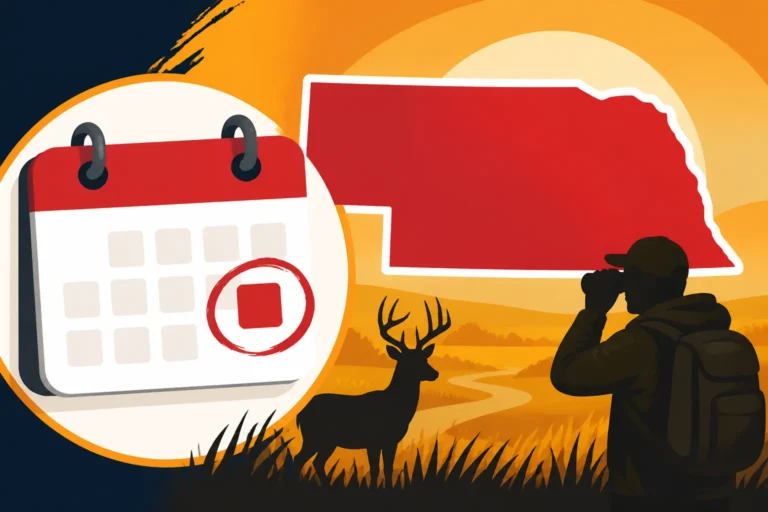
The primary deadline for Nebraska's big game draw is consistently set for the second Friday in June. While the exact date shifts slightly year to year, knowing this consistent timeframe is crucial for planning. For instance, in 2024, the deadline was June 7th. This June deadline applies to all species requiring a draw, including deer, antelope, and elk. It's the critical window when resident and nonresident hunters alike submit their applications, often selecting their preferred unit and species choices.
Understanding the Application Period
The application period usually opens in mid-May, giving hunters roughly a month to submit their applications online. This isn't a race to apply first; all applications submitted within this window are treated equally. However, it is a critical period to do your homework. Before you even think about hitting 'submit,' you should be thoroughly researching potential units, understanding draw odds, and making informed decisions about your permit choices. Tools like GoHunt's Insider service can be invaluable during this phase, providing detailed draw odds, application strategies, and unit breakdowns that help you make the most strategic choices possible. They consolidate a lot of complex data into an easy-to-understand format, which is a huge time-saver.
A common mistake is waiting until the last minute. While you can technically apply minutes before the deadline, it’s a high-stress approach that leaves no room for error. Internet issues, payment problems, or simply forgetting a piece of information can lead to a missed application. Give yourself at least a few days, if not a week, buffer to complete the process calmly and review your choices. Remember, this is your one shot at the primary draw.
Key Deadlines to Mark on Your Calendar
While the second Friday in June is the grand daddy of all deadlines for the primary draw, Nebraska's hunting calendar has other important dates you'll want to be aware of, especially if you're looking to maximize your opportunities or apply for preference points.
| Event / Permit Type | Typical Application Period | Key Deadline | Purpose |
|---|---|---|---|
| Big Game Primary Draw | Mid-May to Early June | Second Friday in June | Apply for deer (Any-Deer, Any-Weapon, Statewide Whitetail Buck), antelope, and elk permits that are limited and allocated via lottery. This is your main chance for highly sought-after tags. |
| Preference Point Purchase | Throughout the year (often July-Dec) | December 31st | If you didn't draw a tag in the primary lottery, or simply want to improve future draw odds without applying for a tag, you can purchase a preference point. This accumulates to give you a statistical advantage in future draws. |
| Leftover Permits | Late July / Early August | Varies (until sold out) | After the primary draw, any unallocated permits (typically antlerless deer or tags in less popular units) are sold over-the-counter. These can sell out very quickly, especially for non-residents. |
| Fall Turkey Permits | Mid-August | Varies (until season close) | Fall turkey permits are generally available over-the-counter or with a later application period, depending on the specific permit type and location. Nebraska also has specific dates for Fall Turkey Tactics in Nebraska. |
It's critical to note that while the big game draw deadline is fixed, other permit sales might fluctuate. Always check the current year's Nebraska Game and Parks Commission website for the most accurate and up-to-date information. They are the ultimate authority, and their publications will supersede any general guidelines. You can also review information on Nebraska Big Game Permits and How to Get One for a broader understanding of the permit landscape.
What Happens After the Nebraska Draw Deadline
Once the clock ticks past that second Friday in June, the application window slams shut. The Nebraska Game and Parks Commission then gets to work processing thousands of applications. This isn't an instant process; it takes time to sort through choices, allocate permits based on draw odds and preference points, and ensure everything is accurate. For hunters, this period becomes a waiting game, often filled with anticipation and a bit of anxiety.
When Nebraska Draw Results Are Posted
Typically, hunters can expect to see draw results posted by the last week of June or the first week of July. The exact date will be announced by NGPC. You won't usually get a personalized email immediately (though you might receive a notification later). Instead, hunters usually log into their permit account on the NGPC website to check their individual status. This is often a nail-biting time, as your hunting plans for the fall hinge on what those results reveal.
If you are successful in drawing a permit, congratulations! Your permit will usually be available digitally in your account. You'll then move on to the next phase of planning: scouting, gear preparation, and strategizing for your hunt. If you didn't draw your first choice, you might have drawn a second choice if you selected one, or you'll be faced with other options to still get afield. This is where understanding How the Nebraska Big Game Lottery Works becomes really important, as it explains the preference point system and how permits are distributed.
Pursuing Leftover Permits and Preference Points
If you applied for a coveted tag like a specific Sandhills mule deer permit and weren't successful in the primary draw, don't despair entirely. You still have options, though they often require quick action and flexibility.
- Buying a Nebraska Preference Point: If you didn't draw a big game permit, or if you chose not to apply for a permit but still want to improve your odds for next year, you have the option to purchase a preference point. This is a strategic move, especially for non-residents or those aiming for units with historically low draw odds, like the Pine Ridge. You can typically purchase a preference point from July through December 31st. Accumulating preference points increases your statistical chance of drawing a permit in future years, as the system favors applicants with more points. It's essentially an investment in future hunting success. You can learn more about Buying a Nebraska Preference Point.
- Over-the-Counter Big Game Permits in July: After the draw is complete and all first and second choices have been allocated, any remaining permits are sold over-the-counter. These are generally available starting in late July or early August. These permits are typically for antlerless deer, or sometimes 'Any-Deer' or 'Any-Weapon' permits in less-pressured units. Non-residents should be ready to act fast, as these permits, particularly for popular areas or any-deer options, can sell out within minutes or hours of becoming available online. Keep a close eye on the NGPC website for the exact sale date and time, and be prepared to log in right when sales open. While GoHunt might not sell permits directly, their platform often has up-to-date information on availability and general advice, helping you strategize quickly for these competitive leftover sales. For specific details on availability, check out When Over-the-Counter Permits Go on Sale.
- Exploring Other Seasons: If your primary big game hunt didn't pan out, remember Nebraska offers a wealth of other hunting opportunities. Perhaps you could explore Bowhunting Nebraska's Four-Month Archery Season if you missed the rifle draw, or look into Nebraska Turkey Permits and the Nonresident Cap for a fall turkey hunt. The key is to remain flexible and use the information from the draw to refine your strategy for subsequent seasons or the next year's application cycle. Don't forget, even if your specific permit didn't draw, you still need your Nebraska Habitat Stamp and Hunter Education for most hunting activities in the state.
Planning Ahead for Future Nebraska Big Game Draws
Successfully navigating the Nebraska big game draw deadlines and processes requires a proactive approach. It's not just about remembering a single date; it's about understanding the system, setting yourself up for success, and having backup plans.
Utilizing Resources for Informed Decisions
In today's digital age, hunters have access to an incredible amount of information that can dramatically improve their draw odds and planning. The official Nebraska Game and Parks Commission website is your primary source for regulations, season dates, and permit information. Beyond that, specialized platforms offer deeper insights.
One such resource is GoHunt. Their platform provides comprehensive data and analytics for western big game draws, including Nebraska. This can include:
- Draw Odds: Detailed breakdowns of draw odds for specific units and permit types, helping you understand your chances.
- Application Strategy: Advice on how to best use preference points and navigate complex application choices.
- Unit Profiles: In-depth information on hunting units, including habitat, historical harvest data, and public land access. This can be crucial for understanding Which Nebraska Units Nonresidents Can Draw or even Reading a Nebraska Deer Unit Boundary.
- Real-time Updates: Notifications for application opening and closing dates, as well as results.
Leveraging such tools can transform your approach from hopeful guesswork to strategic planning. While some services require a subscription, the investment can pay dividends by improving your chances of drawing a tag and making your application process smoother. This way, you can focus on the hunting itself, rather than constantly worrying about the administrative hurdles.
The Value of Long-Term Strategy
For many popular big game species and units in Nebraska, especially for non-residents, drawing a tag often isn't a one-year affair. It's a multi-year strategy built on accumulating preference points. Consider this example: if you're set on hunting a trophy mule deer in a specific Sandhills unit, and the draw odds for non-residents are very low, consistently purchasing a preference point each year until you have a competitive number of points is often the most realistic path to success. You can find more information on Nebraska's 85 Percent Resident Permit Split to understand how permit allocation favors residents, making preference points even more critical for non-residents.
This long-term mindset also means staying informed about potential changes to regulations, unit boundaries, or herd management strategies. NGPC periodically reviews and adjusts these factors, and being aware of these shifts can help you adapt your application strategy. Don't be afraid to adjust your plans if conditions change; flexibility is a hunter's best friend.
Finally, remember that Nebraska offers a significant amount of public hunting land, often outlined in publications like The Nebraska Public Access Atlas. Even if your draw attempts for prime units fall through, there are usually opportunities to scout and hunt other areas, especially if you're willing to put in the legwork. Consider exploring new areas and adapting your tactics for public ground.
Disclaimer
The information provided in this guide is for general informational purposes only and is subject to change. While we strive to offer accurate and up-to-date content, hunting regulations, season dates, and permit availability are determined by the Nebraska Game and Parks Commission (NGPC) and can be modified at any time. Hunters are solely responsible for consulting the official NGPC website and current hunting guides to ensure compliance with all applicable laws and regulations before planning or undertaking any hunting activities.