Nebraska Duck Zones and Split Seasons
Hunting ducks in Nebraska can often feel like you're trying to decode an ancient scroll, especially when you start diving into the seemingly endless layers of zones and split seasons. It's a common frustration, trying to pinpoint exactly when and where you can legally pursue those migrating waterfowl without accidentally stepping over a line. This comprehensive guide is here to shed light on Nebraska's duck zones and the often-perplexing concept of split seasons, giving you the clarity and confidence to plan your next successful hunt.
Understanding Nebraska's Duck Zones: Why They Matter
Nebraska, like many states in the Central Flyway, segments its hunting opportunities for waterfowl into distinct zones. This isn't just to make things more complicated, I promise! These zones are a critical part of how wildlife managers tailor seasons to the varying migration patterns and duck populations across our diverse landscapes. Ignoring them isn't an option, as they dictate everything from opening day to the very last shot you can take.
The Rationale Behind Zone Divisions
The primary reason for dividing Nebraska into duck zones is rooted in biology and geography. Our state stretches from the heavily forested river bottoms and agricultural fields of the east to the vast Sandhills and high plains in the west. This creates wildly different habitats and, more importantly, different migration timelines for ducks. For instance, ducks might arrive earlier and stick around longer in the warmer, more food-rich eastern regions, while the colder, more arid west experiences a different flow of birds.
Wildlife agencies, primarily the Nebraska Game and Parks Commission, work closely with the U.S. Fish and Wildlife Service to analyze migration data, habitat conditions, and population surveys. They need to balance providing ample hunting opportunities with ensuring the long-term health of duck populations. These zone boundaries allow them to open seasons strategically, matching them to when the birds are actually present in huntable numbers, rather than having a one-size-fits-all season that would either start too early or end too late for large parts of the state. It’s all about maximizing opportunity while minimizing impact.
Identifying Nebraska's Specific Duck Zones
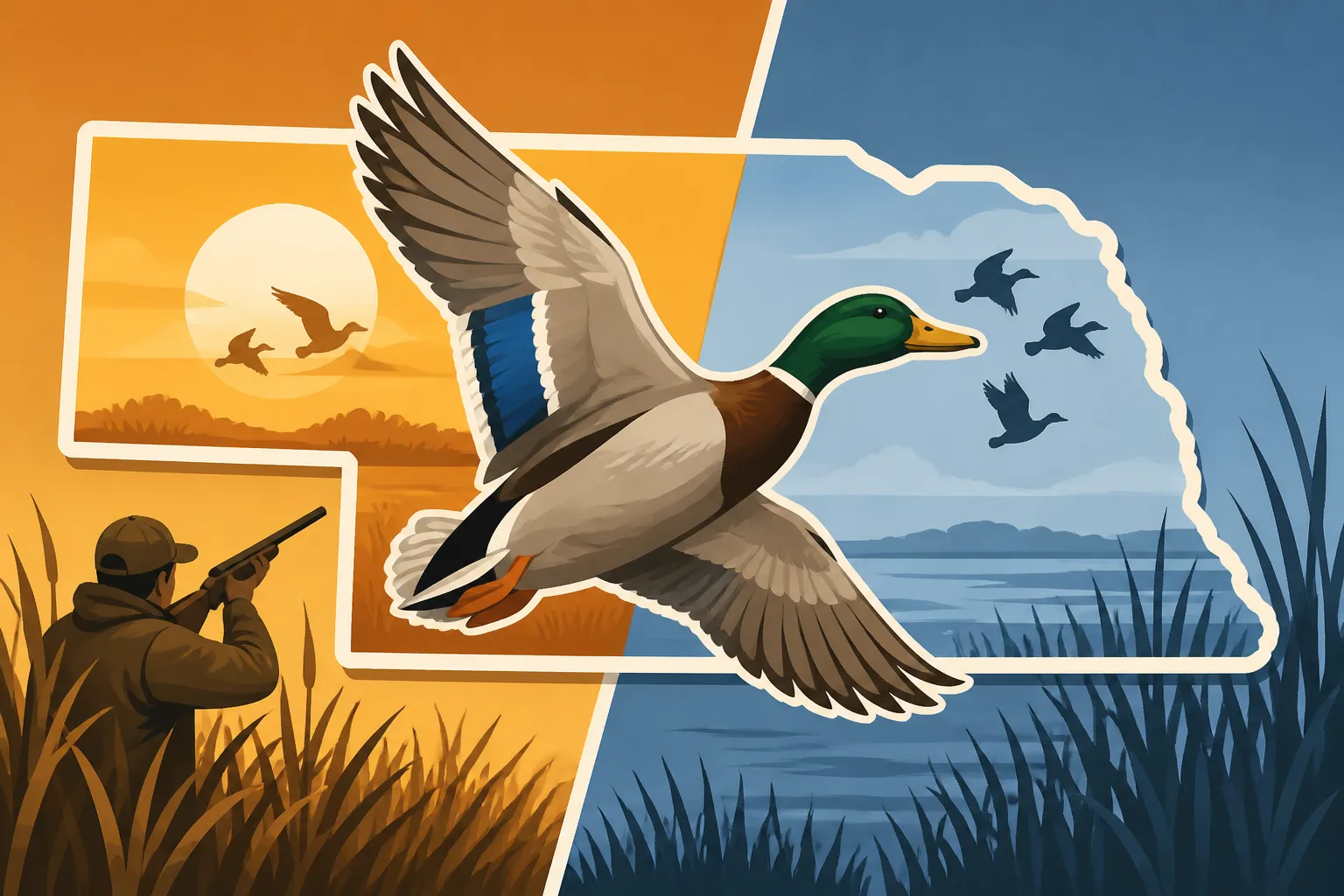
Nebraska is carved into four distinct duck zones, each with its own set of opening and closing dates, and crucially, its own split seasons. Knowing where these lines fall is your first, most important step in planning.
- Low Plains East Zone: This zone generally covers the eastern third of the state. Think of the areas east of Highway 81. It’s characterized by larger rivers like the Missouri, smaller tributaries, and abundant agricultural fields, making it a magnet for ducks passing through.
- Low Plains Central Zone: Situated west of the Low Plains East, this zone is roughly between Highway 81 and Highway 281. It encompasses a mix of agricultural lands and important wetland complexes, including parts of the Rainwater Basin, which is a crucial stopover for millions of migrating waterfowl. You can find excellent hunting in this zone, particularly during the peak of migration.
- Low Plains West Zone: Continuing westward, this zone stretches from Highway 281 to Highway 183. While still considered "low plains," it starts to transition into more open country, with the North Platte and South Platte Rivers being significant features.
- High Plains Zone: This is Nebraska's westernmost zone, west of Highway 183. It covers the Pine Ridge, Sandhills, and Panhandle regions, characterized by much more open, often arid, landscapes and different water sources. The migration here can be different, often later and more tied to major weather events.
It’s absolutely vital to consult the current Nebraska Game and Parks Commission waterfowl regulations every single year. These boundaries are usually clearly defined by state highways, but they can occasionally shift, and you don’t want to be caught on the wrong side of a regulation. Getting a good map, or using a robust hunting app like GoHunt which often integrates public land and zone boundaries, can be incredibly helpful for visualizing these divisions.
How Zones Impact Your Hunting Strategy
Understanding these zones isn't just a regulatory hurdle; it's a strategic advantage. If you live or hunt near a zone boundary, you might actually have access to different season dates within a relatively short drive. This can extend your hunting opportunities, allowing you to chase ducks earlier or later depending on which side of the line you find yourself.
For example, if the birds are just starting to push into the eastern part of the state, but your preferred hunting ground in the High Plains Zone hasn't opened yet, you might consider traveling east. Conversely, if a cold snap has pushed most of the ducks out of the eastern zones, but the western zones are still seeing some activity, knowing those boundaries could give you a late-season opportunity. It also influences your scouting. You'll want to focus on birds within the legal dates for your specific zone. A duck on the water is tempting, but if it's not open season in that zone, it's just a pretty bird.
Deciphering Split Seasons: A Hunter's Guide
Beyond the geographical zones, Nebraska's duck seasons often feature "splits." This concept, while initially confusing, is another tool used by wildlife managers to optimize hunting opportunities throughout the varied migration period. It's not uncommon for hunters to scratch their heads over why the season suddenly closes only to reopen later.
What Exactly is a Split Season?
Simply put, a split season means the hunting season for a particular species (like ducks) within a specific zone is broken into two or more distinct time periods. The season will open, run for a stretch, then close completely for a period, and then reopen for another segment. For instance, you might have a season that runs from late September to mid-October, closes for a couple of weeks, and then reopens from early November to early January.
This isn't arbitrary; it's usually tied to the rhythm of waterfowl migration. There might be an initial push of early migrating ducks, then a lull, followed by the main migration wave of later-season birds. By splitting the season, wildlife agencies can ensure hunters are in the field when the most birds are present, and also provide a "rest" period when bird numbers might be low, or when local birds are breeding or nesting. It allows for flexibility that a continuous, unbroken season simply wouldn't offer, ensuring that hunters aren't spending time in the blind when there are very few ducks around.
Benefits and Drawbacks for Waterfowlers
Split seasons offer a unique set of pros and cons for the avid duck hunter.
Benefits:
- Optimized Timing: The biggest advantage is that seasons are typically structured to align with peak migration periods. This means better chances of encountering large numbers of ducks. If you're a hunter who can only get out for a few days, knowing the season is open during the "best" times increases your odds significantly.
- Reduced Pressure: The break in hunting pressure during the closed period can allow ducks to settle into areas, making them less wary when the season reopens. This can lead to better hunting conditions in the latter part of the season.
- Flexibility for Different Strategies: The early split might be perfect for targeting local birds or early arrivals like teal, while the later split is geared more towards larger mallards and divers that come down with colder weather. This allows hunters to adapt their tactics. For those interested in Nebraska's Nine-Day Early Teal Hunt, the timing of these early splits is particularly relevant.
- Spreading Out Opportunity: Instead of one long, potentially hit-or-miss season, splits offer two distinct opportunities to experience strong flights of birds.
Drawbacks:
- Confusion and Missed Days: The most common frustration, hands down, is the confusion. It’s easy to forget when the season closes and reopens, leading to missed hunting days or, worse, hunting illegally during a closed period. This is where meticulous planning and checking the regulations are paramount.
- Inconvenience: For some hunters, especially those traveling from out of state or with limited vacation time, a split season can be inconvenient. If your planned trip falls within a closed period, you're out of luck.
- Variable Conditions: While designed to hit peak migration, Mother Nature doesn't always read the rulebook. Unseasonably warm weather can delay migrations, making an early split less productive, or a sudden deep freeze could push birds south before the later split even begins.
Navigating Multiple Season Segments
To successfully navigate Nebraska's split duck seasons, you need a proactive approach. Don't wait until the day before you want to hunt to check the dates.
- Annual Regulations Review: As soon as the new regulations are released (usually in late summer), download them, print them, and highlight the key dates for your chosen zone. The Nebraska Game and Parks Commission website is your official source.
- Calendar Integration: Mark the season dates, including the start and end of each split, on your personal calendar, whether it's a wall calendar, a digital one, or a hunting planner. Set reminders on your phone or computer.
- Scouting and Monitoring: Pay attention to migration reports, local bird activity, and weather forecasts. This will help you anticipate when each segment might be most productive. Tools within GoHunt or other scouting apps often include overlays for season dates or allow you to make notes on specific areas.
- Flexible Planning: If possible, try to build some flexibility into your hunting schedule. If you can shift your days afield to coincide with the open periods of a split, you'll be much more successful. Remember that When Ducks Migrate Through Nebraska, it's highly dependent on weather patterns.
Specific Zone Breakdown: Dates, Regulations, and Opportunities
Now let's dive into the specifics of each zone, keeping in mind that these dates are general examples and always subject to change based on annual regulations. The Nebraska Game and Parks Commission provides the official word each year.
The Low Plains East Zone
This zone often sees some of the earliest duck hunting opportunities, sometimes coinciding with Early Teal Days Before the Regular Opener. The season in the Low Plains East might have a split structure like this:
- Early Split: Often opens in late September or early October, running for a couple of weeks. This period is prime for early migrants like blue-winged teal, wood ducks, and pintails. You'll typically find these birds on smaller wetlands, backwater sloughs, and along the numerous creeks and rivers.
- Closed Period: A brief closure follows, usually for 7-10 days in mid-October. This allows for a break before the main push of birds.
- Late Split: Reopens in late October or early November and typically runs through December or into early January. This is your chance for mallards, gadwalls, wigeon, and various diving ducks. As winter sets in, focus shifts to larger rivers like the Missouri and Platte, as well as private ponds that remain open.
Hunting opportunities here are diverse, ranging from walk-in access on smaller public marshes to float-hunting rivers. Keep an eye on water levels, as they can dramatically impact bird distribution.
The Low Plains Central Zone
This zone, encompassing much of the critical Rainwater Basin, offers some of Nebraska's most renowned waterfowl hunting. Its season structure often mirrors the Low Plains East, but the migration dynamics can feel much more intense.
- Early Split: Similar to the East, it might open in late September or early October. Expect good numbers of early ducks, especially teal and pintails, utilizing the numerous wetlands and small potholes. The Rainwater Basin is particularly important during this time, and learning How Many Acres Are in Open Fields and Waters can reveal extensive public access points.
- Closed Period: A short closure usually in mid-October.
- Late Split: Reopens in late October or early November, extending through December and into January. This is when the Rainwater Basin truly shines for big mallard flights. Hunters often set up large decoy spreads in harvested cornfields or on sheet water. Hunting Rainwater Basin Wetlands requires careful planning for access and setup.
Success in the Central Zone often hinges on weather. Cold fronts push new birds in, and managing water levels in some of the basin wetlands can concentrate ducks. Public access is good here, but so is hunter pressure, especially on popular wildlife management areas.
The Low Plains West Zone
Moving further west, this zone still offers strong duck hunting, particularly along the Platte River system. The season structure is again quite similar to its eastern counterparts.
- Early Split: Late September/early October opener. You'll find a mix of early migrants, but often fewer teal than in the wetter eastern zones. Wood ducks can still be prevalent along river corridors.
- Closed Period: A typical mid-October break.
- Late Split: Reopens in late October/early November, running into January. Mallards and Canada geese are the main targets here as winter progresses. The vast river channels and associated sandpits become prime spots.
This zone might see less hunter pressure than the central basin, especially away from major river towns. Scouting for active feeding areas and roosts along the river is key. Understanding Platte River Public Access is vital for hunters in this zone.
The High Plains Zone
The High Plains Zone is unique. While it has fewer ducks overall than the eastern zones, it offers a distinct hunting experience, often with less pressure and incredible scenery. The season here usually starts later than the Low Plains zones and might have a different split pattern or even a continuous season depending on annual regulations and expected migrations.
- Season Structure: It might open in mid-October, or sometimes even later in November, and run continuously through January, or it could have a later split. This later start often targets ducks pushed down by colder weather from the north, often larger mallards and divers on reservoirs like Lake McConaughy or along the North Platte River.
- Opportunities: Duck hunting here can be more opportunistic. Look for ducks on major reservoirs, smaller stock ponds in the Sandhills, and along river stretches that offer open water. The migration can be heavily influenced by significant weather events.
Hunting in the High Plains requires more glassing and often a willingness to cover ground. Less dense duck populations mean you have to work harder to find birds, but the reward is often a more solitary experience. Using quality optics is essential in this vast landscape.
Beyond the Zones: Essential Waterfowl Regulations
Understanding the zones and split seasons is just one piece of the puzzle. There are several other critical regulations that every Nebraska duck hunter must adhere to, regardless of which zone they're in.
Daily Bag Limits and Species Restrictions
This is where it gets detailed. Nebraska Duck Daily Bag Limit is not a simple number; it's a total daily bag, but within that total, there are specific limits for certain species. For example, you might have a total daily bag of six ducks, but within those six, you might only be allowed two mallards (with specific rules for hen vs. drake), one pintail, two redheads, etc. These restrictions are put in place to protect species that are less abundant or more vulnerable.
It is absolutely crucial to be able to identify your ducks in flight and on the water. A quick shot at a duck you can't identify could easily lead to a violation. Spend time studying duck identification guides before the season, especially focusing on species with restrictive bag limits. If you're ever unsure, it's always best to pass on the shot.
Nontoxic Shot and Equipment Rules
This is a non-negotiable rule across the entire country for waterfowl hunting, and Nebraska is no exception. You must use nontoxic shot for all waterfowl hunting, including ducks, geese, coots, and sandhill cranes. This means no lead shot. Common nontoxic alternatives include steel, bismuth, and tungsten-alloy shot. The rationale is environmental protection, preventing lead poisoning in waterfowl and other wildlife that might ingest spent shot.
Furthermore, there are rules about your shotgun. In Nebraska, like federal regulations, your shotgun must be plugged to hold no more than three shells total (one in the chamber, two in the magazine) when hunting migratory birds. This is another measure to ensure ethical and sustainable harvest levels. Remember, Nontoxic Shot Rules on Nebraska WMAs apply not only to ducks but to all waterfowl, regardless of whether you're hunting on public or private land.
Licensing, Stamps, and HIP Registration
Before you even step foot in a duck blind, you need to have your paperwork in order. This includes:
- Nebraska Hunt Permit: This is your basic state hunting license.
- Nebraska Habitat Stamp: A state stamp required for all hunters and trappers, which goes directly to habitat improvement projects.
- Federal Duck Stamp: This is a federal requirement for all waterfowl hunters 16 years of age and older. It contributes significantly to wetland conservation. You can purchase this at post offices, many sporting goods stores, or online.
- Harvest Information Program (HIP) Registration: This is a free, but mandatory, federal registration required annually for anyone hunting migratory birds. When you register for HIP, you'll answer a few questions about your previous year's hunting success for various migratory species. This data helps wildlife managers estimate harvest numbers and make informed decisions about future seasons. It’s important to remember that Nebraska HIP Registration Requirement is separate from your state hunting permit, and you need to complete it every year.
Missing any of these can result in hefty fines and penalties, so double-check your wallet before heading out!
Planning Your Nebraska Duck Hunt Around Zones and Splits
Effective planning is the cornerstone of a successful duck hunt in Nebraska. With the complexities of zones and split seasons, it becomes even more vital.
Scouting and Migration Timing
Scouting isn't just about finding birds; it's about understanding their current patterns in relation to the season dates. If you're hunting the early split in the Low Plains East, you're looking for different types of ducks and different behaviors than you would in the late split of the High Plains Zone.
- Early Season (Sept/Oct): Focus on local birds and early migrants. Look for small ponds, cattail sloughs, and flooded timber. Teal are fast, so you might need to adjust your lead.
- Mid-Season (Oct/Nov): This is often when the main push of mallards and other puddle ducks arrives. Scout harvested crop fields, larger wetlands, and river backwaters. Birds are often more wary due to hunting pressure.
- Late Season (Dec/Jan): Colder temperatures mean open water becomes a premium. Focus on large rivers, reservoirs, and spring-fed creeks that resist freezing. Ducks will be looking for reliable food sources and open water to roost. Understanding Waterfowl of the Central Flyway in Nebraska helps inform these timing decisions.
Monitoring weather forecasts is crucial. A strong cold front pushing south means new birds, but also potentially freezing conditions that can quickly change hunting dynamics. Conversely, a warm spell can hold birds further north or keep them spread out.
Using Public Access Information Effectively
Nebraska has a fantastic public access program, particularly the Open Fields and Waters (OFW) program, along with numerous Wildlife Management Areas (WMAs). The key is knowing which areas are best for ducks during specific times and within which zones.
- Public Access Atlas: The Nebraska Game and Parks Commission publishes an annual Public Access Atlas, which is an invaluable resource. It details all public hunting lands, including WMAs, federal lands, and OFW tracts. Many hunters rely on it heavily, and using the mobile app or a service like GoHunt that integrates this data can be a game-changer for finding Public Hunting Land in Nebraska.
- WMA Regulations: Always check specific WMA regulations. Some might have special rules for waterfowl hunting, such as specific shooting hours, designated refuge areas, or nontoxic shot requirements even beyond federal mandates (though for waterfowl, nontoxic shot is always required).
- OFW Tracts: These private lands opened to public hunting can be phenomenal for ducks, especially if they have flooded fields or ponds. Be respectful of landowner property and follow all rules. Scout these areas heavily before you hunt, as conditions can change rapidly.
Remember, the best public land often requires a bit of a walk, especially during peak season. Don't be afraid to put in the effort to get away from easy access points.
Adapting to Weather and Water Conditions
Duck hunting is intrinsically linked to weather and water. A successful hunter adapts to these ever-changing variables.
- Water Levels: Early season duck hunting relies heavily on accessible water. Drought conditions can drastically reduce huntable areas, while heavy rains can create new sheet water opportunities in crop fields. Keep an eye on local rainfall and river gauges.
- Freezing Conditions: As temperatures drop, open water becomes scarce. This can concentrate ducks into smaller areas, making hunting easier but also potentially more competitive. Focus on major rivers that don't freeze solid, spring-fed ponds, or areas with aerators. Hunting A Frozen Nebraska River Bottom demands different tactics and safety considerations.
- Wind: Wind is a duck hunter's friend. It gets ducks flying, helps with decoy movement, and can mask your presence. Set up with the wind at your back, if possible, to have ducks finish into your spread. On the flip side, extreme wind can make decoy placement difficult and shooting challenging. Setting Decoys Around a Layout Blind takes on a new level of importance in windy conditions.
- Blinds and Decoys: Your setup should always match the conditions. Layout blinds are fantastic in cut fields, while portable pop-up blinds work well in cattails or brush. Adjust your decoy spread based on the number and type of ducks you're seeing, and the size of the water you're hunting. For Decoy Spreads for Rainwater Basin Geese, you'll learn that the same principles often apply to ducks when hunting large, open water.
| Duck Zone | Typical Early Split Dates | Typical Late Split Dates | Key Opportunities | Common Frustrations |
|---|---|---|---|---|
| Low Plains East | Late Sept – Mid Oct (approx. 2 wks) | Late Oct/Early Nov – Early Jan | Early teal, wood ducks; later mallards, divers on rivers | High pressure near urban areas |
| Low Plains Central | Late Sept – Mid Oct (approx. 2 wks) | Late Oct/Early Nov – Early Jan | Peak migration, mallards in Rainwater Basin, diverse | Intense competition on public land |
| Low Plains West | Late Sept – Mid Oct (approx. 2 wks) | Late Oct/Early Nov – Early Jan | Platte River ducks, good mallard numbers | Fewer wetlands compared to Central |
| High Plains | Mid Oct/Early Nov – Mid Nov | Late Nov – Early Jan (often cont.) | Later-season mallards, divers on reservoirs, less pressure | Fewer birds, more scouting required |
Note: These dates are approximate and for illustrative purposes only. Always consult the current Nebraska Game and Parks Commission regulations for exact dates.
Navigating Nebraska's duck zones and split seasons truly becomes second nature once you understand the logic behind them and commit to doing your homework each year. It's an evolving landscape, just like the migrations themselves, but with a solid grasp of the regulations and a willingness to adapt, you'll be well on your way to many memorable days in the duck blind.
Disclaimer
The information provided in this guide is for general informational purposes only and is not intended as legal advice. Hunting regulations, season dates, and permit requirements are subject to change annually and vary by zone and species. Always consult the most current official Nebraska Game and Parks Commission regulations and federal migratory bird regulations before planning or undertaking any hunting activities. Failure to comply with regulations can result in penalties.