How Nebraska Splits Resident and Nonresident Permits
If you've ever tried to draw a hunting permit in Nebraska as a nonresident, you know the frustration is real. It can feel like trying to hit a moving target blindfolded, especially when you're up against a system that, by design, favors those who call the Cornhusker State home. This guide will walk you through exactly how Nebraska allocates its hunting permits between residents and nonresidents, helping you understand the rules, the challenges, and the best strategies to increase your odds.
Understanding Nebraska's Permit Allocation System
Nebraska's approach to distributing hunting permits, particularly for big game, can seem complex, but it's built on a fundamental principle common to many states: prioritizing its own citizens. This isn't about excluding out-of-state hunters entirely, but rather about ensuring that residents have a fair and primary opportunity to hunt the wildlife within their state's borders, given that their tax dollars often contribute directly to wildlife management and conservation efforts.
The Rationale Behind the Resident/Nonresident Split
When you think about it, the rationale behind states giving preference to their residents for hunting permits makes a lot of sense, even if it’s a bit of a pill for nonresidents to swallow. For folks who live in Nebraska, their hunting and fishing license fees, as well as certain taxes, directly fund the Nebraska Game and Parks Commission (NGPC). This money goes towards critical conservation work, habitat restoration, public land acquisitions, and wildlife management programs that benefit all game species. So, it’s understandable that those who are financially contributing year-round would expect a greater share of the hunting opportunities.
Beyond the financial aspect, there’s also the element of tradition and access. Hunting is a deeply ingrained part of the culture for many Nebraskans, passed down through generations. Ensuring that these residents have ample opportunity to participate helps preserve this heritage. For nonresidents, the challenge is often a stark reality: you're competing for a smaller piece of the pie. It’s a balancing act for the NGPC, trying to maintain healthy wildlife populations, provide opportunities for resident hunters, and still allow for some nonresident participation to bring in additional revenue, which also supports conservation. It's not personal, it's just the way these systems are designed to operate.
The 85 Percent Resident Permit Split Rule
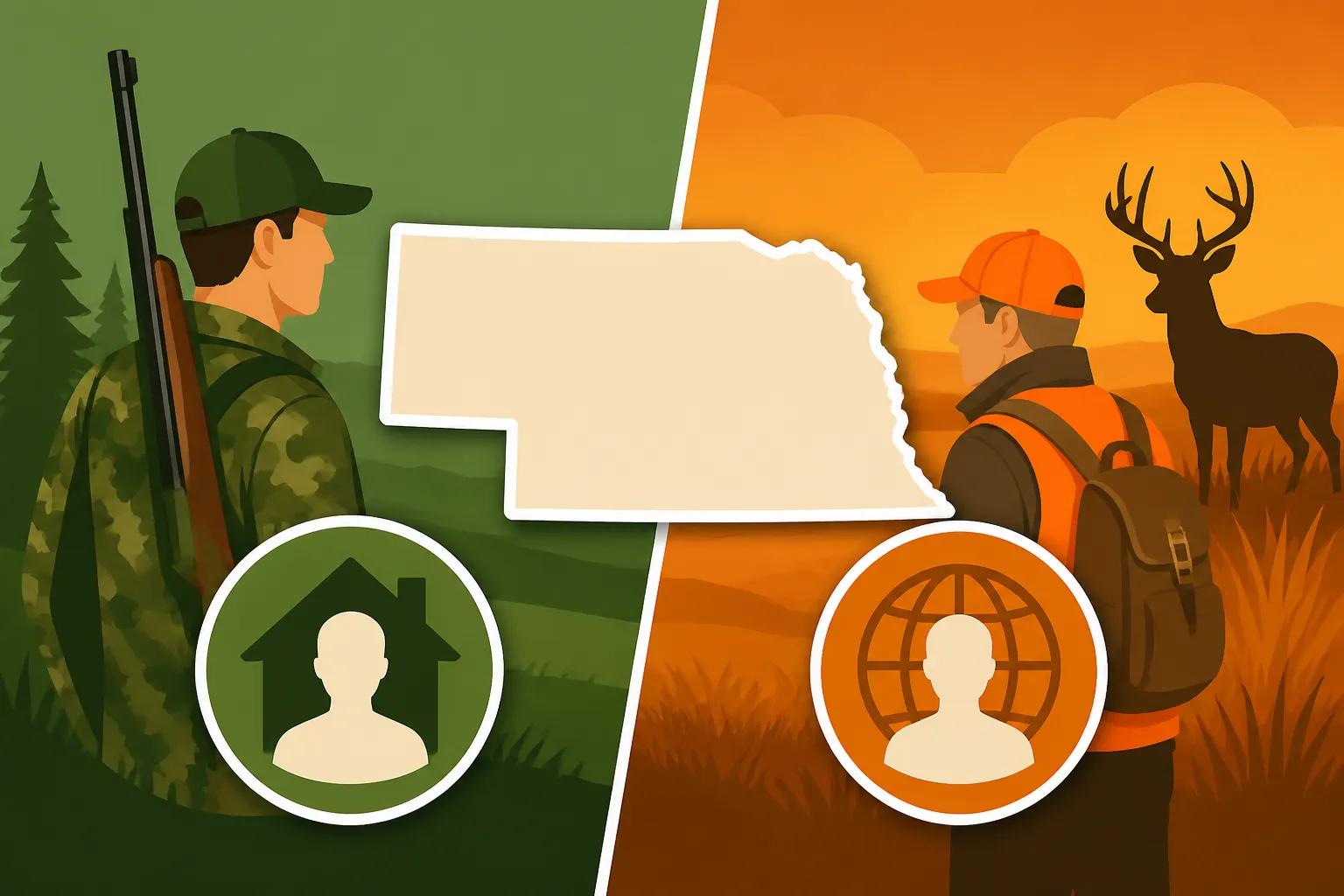
The cornerstone of Nebraska's permit allocation for many big game species is the "85 Percent Resident Permit Split." This rule mandates that at least 85% of all available permits for certain big game species within a given unit must be issued to residents. This leaves a maximum of 15% for nonresident hunters to contend for, creating a highly competitive environment. This rule applies across the board for most big game draws, including critical permits for deer and antelope.
For example, if a specific Deer Management Unit has 1,000 "Any Deer" permits available, a minimum of 850 of those permits are reserved for Nebraska residents. This leaves only 150 permits for all nonresident applicants to vie for. As you can imagine, especially for high-demand units or prime seasons like the firearm rut, these nonresident permits are incredibly difficult to draw. This is where researching the Nebraska Big Game Permits and How to Get One becomes crucial.
It's not just "Any Deer" permits either; this percentage split can influence the availability of Nebraska Antelope Permits and Seasons and even some turkey permits, although turkey permits have their own unique nonresident cap system which we'll touch on later. The intent is clear: protect opportunities for Nebraskans first. This means that a nonresident hunter needs to be strategic, patient, and often a little bit lucky to secure one of those coveted tags. Knowing this core rule sets the stage for understanding why planning your hunt in Nebraska requires a different approach than in states with more generous nonresident allocations.
Navigating Permit Types and Application Processes
Understanding the allocation is one thing, but actually navigating the various permit types and the application process itself is another hurdle entirely. Nebraska offers different categories of permits, each with its own rules, and nonresidents need to be acutely aware of how the 85/15 split impacts their chances for each one. It's not a one-size-fits-all situation, and a little homework can go a long way in setting realistic expectations and formulating a successful strategy.
Different Permit Categories and How They're Affected
Nebraska issues a variety of big game permits, and each category can present a unique challenge for nonresidents due to the allocation split. Let’s break down the most common ones:
-
Unit-Specific Permits: These are perhaps the most common and often the most sought-after permits, particularly for deer and antelope. As the name suggests, they restrict you to hunting within a specific geographic area, or "unit." For instance, a permit might be for the "Plains Unit Any Deer" or "Pine Ridge Mule Deer." The 85/15 split is strictly applied here, meaning nonresident draw odds can be incredibly low in popular units known for trophy animals or abundant game. If you're eyeing a specific area, it's vital to research the historical draw odds for nonresidents. Some units might not even offer enough nonresident permits to be statistically meaningful in a given year, or they might be scooped up immediately by those with high preference points. Nonresidents really need to understand the nuances of Nebraska Deer Management Unit Permits.
-
Statewide Permits: Nebraska also offers Statewide Whitetail Buck Permits Explained. These permits allow you to hunt any whitetail buck throughout the state, often excluding specific limited draw units. While this sounds incredibly flexible, the 85/15 split still applies to the overall pool of these permits. These can be a good option for nonresidents who are flexible about where they hunt and are more focused on securing a tag than a particular unit. However, demand for these can also be high, especially as an alternative for those who couldn't draw a unit-specific tag.
-
Antlerless-Only Permits: These permits allow the harvest of only antlerless deer (does). Nebraska often has abundant antlerless opportunities, especially during late seasons, to help manage deer populations. The good news for nonresidents is that these permits are often less competitive in the draw and are more frequently available over-the-counter after the initial draw. They can be an excellent way for nonresidents to get their foot in the door, experience hunting in Nebraska, and fill the freezer, even if they don't draw a buck tag. Keep an eye out for Nebraska Antlerless-Only Deer Permits, especially in the months following the main draw, as these often remain available for purchase.
-
Youth Permits: Nebraska also offers youth permits, which are a fantastic way to introduce the next generation to hunting. While youth permits are also subject to allocation rules, the specific dynamics can sometimes be a bit different, and demand might vary. Often, these are tied to mentored hunt programs, providing valuable experiences for young hunters. It's always worth checking the specific regulations for youth permits if you're planning a trip with a young hunter.
Application Deadlines and Draw Mechanics for Nonresidents
The Nebraska big game draw process requires meticulous attention to detail and timing, especially for nonresidents hoping to snag one of those limited permits. Missing a deadline can mean waiting another year, which nobody wants.
The primary application period for most big game species, including deer and antelope, typically runs through the month of June. This is when hopeful hunters, both resident and nonresident, submit their applications for the controlled draw. It's absolutely critical to be aware of Nebraska's June Big Game Draw Explained because once that window closes, it's shut until next year. The GoHunt application platform is an excellent resource for tracking these critical dates and understanding the intricacies of the draw process across different states, including Nebraska. Many nonresidents find services like GoHunt invaluable for keeping all their application deadlines straight and researching draw odds.
After the application period closes, the Nebraska Game and Parks Commission conducts the actual draw. This process, which can feel like an eternity, usually culminates with When Nebraska Draw Results Are Posted in early to mid-July. You'll typically receive an email notification, or you can check your application status directly through the NGPC permitting system. For nonresidents, this is often a moment of truth, determining whether months of planning can move forward or if a Plan B needs to be enacted.
If you are successful in drawing a permit, congratulations! You've overcome significant odds. If not, don't despair entirely. This leads us to other strategies, such as acquiring preference points or looking for leftover permits, which we'll discuss next. But for now, remember: June for applications, July for results. Mark your calendars religiously! The more sought-after species and units for Nebraska's Nine-Day November Firearm Deer Season or even Nebraska's Four-Month Archery Deer Season can be extremely difficult for nonresidents to draw, so having a clear understanding of the application mechanics is your first step.
Strategies for Nonresident Hunters to Secure a Nebraska Permit
Facing long odds in the Nebraska draw can be disheartening, but it's not entirely hopeless. Nonresidents have a few key strategies they can employ to improve their chances or secure a permit outside of the initial competitive draw. It requires patience, flexibility, and a willingness to explore all available avenues.
Leveraging Preference Points
One of the most effective long-term strategies for nonresidents aiming for a quality big game permit in Nebraska is to start accumulating preference points. A preference point is essentially a non-hunting application that you can purchase annually, and it gives you a higher priority in subsequent draws. While it doesn't guarantee a permit, it significantly increases your statistical chance over time, especially for highly coveted tags.
Here’s how it typically works: for a small fee, you can choose to apply for a preference point instead of a permit during the application period. If you do this year after year, you build up a bank of points. When you finally decide to apply for an actual permit, your accumulated points are factored into the draw, effectively moving your application higher up the list. It’s a bit like a seniority system. The more points you have, the better your odds of being selected for one of those limited nonresident permits. Knowing What a Nebraska Preference Point Costs is crucial for budgeting this long-term strategy.
The critical decision point is When to Buy a Point Instead of Applying. If you have zero points and are applying for a unit with, say, 1% nonresident draw odds, your chances are slim to none. In such cases, buying a point might be the smarter play for that year, investing in future success rather than gambling on current long odds. You should also verify if Do Nebraska Points Roll Over? each year; thankfully, in Nebraska, they generally do, allowing you to build that equity over time. For nonresidents looking at a multi-year plan, investing in preference points early is a no-brainer to eventually get into those premium hunting areas.
Exploring Over-the-Counter and Leftover Permits
Even if you strike out in the initial big game draw, all hope is not lost. Nebraska often has permits that go unsold or are leftover after the primary and secondary draw phases. These permits are then typically made available for purchase over-the-counter (OTC) on a first-come, first-served basis. This presents a fantastic opportunity for nonresidents to still get a tag, albeit often for less competitive units or antlerless-only opportunities.
The key to success with leftover permits is speed and timing. When Over-the-Counter Permits Go on Sale is usually in mid-July, shortly after the draw results are posted. These permits can disappear incredibly fast, especially the more desirable ones. It's a mad dash, and you need to be logged into the NGPC permitting system right when they become available. Nonresidents often find that How Fast Nebraska Nonresident Tags Sell Out can be a matter of minutes for certain categories. Having your payment information ready and knowing exactly which permits you're targeting is essential.
While these leftover permits might not be for that prime Sandhills mule deer buck you dreamed of, they frequently include antlerless deer permits in various units across the state. This can be an excellent way to experience hunting in Nebraska, scout new areas, and simply enjoy time in the field. Sometimes, even some "Any Deer" permits in less popular or harder-to-access units might linger for a bit longer. Keep a close watch on the NGPC website and be ready to act swiftly. Many nonresidents successfully secure a tag this way each year, often for a fantastic Late-Season Antlerless Hunting in Nebraska opportunity, which can be an overlooked gem for filling the freezer and extending your hunting season.
Conclusion
Navigating Nebraska's permit allocation for nonresidents definitely requires patience, a bit of research, and a clear strategy. The 85/15 resident split is a reality you must plan around, but by understanding the different permit categories, diligently tracking application deadlines, and smartly leveraging preference points or going for those fast-selling leftover permits, you can still find fantastic hunting opportunities in the Cornhusker State. It might not be as easy as drawing a tag in your home state, but the experience of hunting Nebraska's diverse landscapes and abundant game is well worth the effort.
Disclaimer
Please note that hunting regulations, permit availability, and season dates are subject to change by the Nebraska Game and Parks Commission. Always consult the most current official Nebraska Game and Parks Commission hunting guide and regulations before planning any hunt. This guide is for informational purposes only and should not be considered legal advice.