When to Buy a Point Instead of Applying
The annual Nebraska big game draw can feel like a high-stakes game of chance, and for many hunters, the disappointment of not drawing a coveted tag is a familiar sting. It leaves you wondering if you should keep throwing your hat in the ring every year, hoping for a lucky break, or if there's a smarter way to play the long game. This guide is here to walk you through that exact dilemma, helping you understand when it makes more sense to buy a preference point instead of applying for a permit, giving you a clearer path to eventually landing that dream hunt in the Cornhusker State.
Understanding Nebraska's Preference Point System
Before we dive into strategy, let's make sure we're all on the same page about what a preference point actually is and how it works in Nebraska's draw system. Unlike some states where points act as a pure bonus, in Nebraska, a preference point essentially gives you an extra entry into the lottery for the next year's draw. It's a way for the Nebraska Game and Parks Commission (NGPC) to reward persistent hunters and manage demand for those highly sought-after permits.
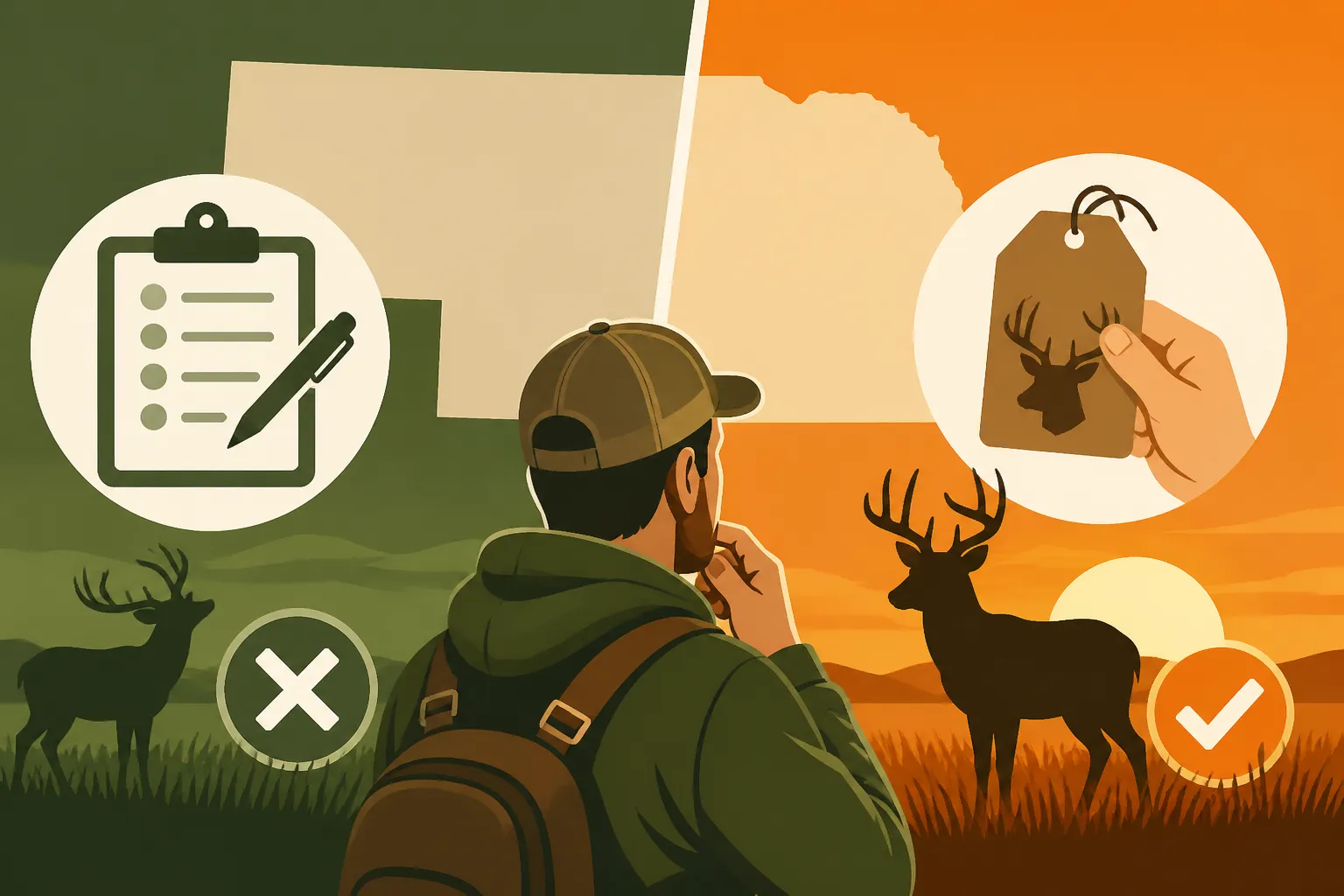
When you choose to purchase a preference point instead of applying for a specific permit, you're not actually entering the draw for that year. Instead, you're accumulating a point that will increase your odds in future draws. Think of it as putting a little bit of credit in your hunting bank account. The more points you have, the more entries you get, and statistically, the better your chances become. It's not a guarantee, mind you, but it certainly tips the scales in your favor over time, especially for units with limited tags or species with high demand.
The system is designed to create a cumulative effect. Each year you buy a point, you add to your total. When you finally decide to apply for a permit, all of your accumulated points are added to your application. So, if you have three preference points, your application effectively enters the draw four times (your current application plus three points). This system is especially crucial for nonresident hunters, who often face tougher odds due to Nebraska's 85 Percent Resident Permit Split. Understanding How the Nebraska Big Game Lottery Works is fundamental to making informed decisions year after year.
Preference points do come with a cost, typically similar to the application fee for the permit itself, but without the added expense of the full permit if you don't draw. It’s a smaller investment that pays off in increased odds down the road. It’s important to remember that these points are species-specific; a point for deer doesn't help you in the antelope draw, for example. Also, be aware of the Nebraska Draw Application Dates in June so you don't miss the window to either apply or purchase a point.
When Strategically Buying a Preference Point Makes Sense
Deciding to forgo an application for a permit in a given year and instead buy a preference point can feel counterintuitive; after all, we want to hunt now, right? But for many hunters, it's a smart, long-term play, especially when you consider the competitive nature of certain draws.
Facing Historically Low Draw Odds
This is perhaps the most common and compelling reason to buy a point. If you've been eyeing a particular unit for deer or antelope, but the historical draw odds for someone with zero or few points are abysmal, applying can feel like throwing money away. Take, for instance, some of the premier mule deer units in the Nebraska Panhandle or the Sandhills. Drawing a coveted "any deer" or "any antlered deer" permit in these units, particularly for nonresidents, can be incredibly tough without a significant number of points. Websites like GoHunt provide invaluable historical data that can help you gauge your chances. If GoHunt's data suggests that you'd need 3-5 points just to have a reasonable shot at drawing, applying with zero points is often a losing battle.
Imagine you're a nonresident hunter looking at the Nebraska Sandhills Any Deer Draw Odds. Without points, your chances might be in the single digits. Rather than paying the application fee and the higher nonresident permit cost only to be disappointed, putting that money towards a preference point builds equity for a future year when your odds significantly improve. It’s about being realistic and strategic, choosing to invest in a stronger position rather than taking a long-shot gamble that drains your hunting budget without putting you closer to a tag.
Planning to Skip Hunting This Season
Life happens, right? Maybe you have a new job, family commitments, or unexpected expenses that mean you simply can't commit to a hunting trip this year. Or perhaps you're planning a big hunt out of state and don't want to juggle two major trips. In these scenarios, letting your draw opportunity pass without accumulating a point is a missed opportunity. If you know you won't be able to hunt, buying a preference point ensures you're still making progress toward a future tag without the stress or expense of a hunt you can't attend.
This is a particularly crucial decision point because, in Nebraska, Do Nebraska Points Roll Over? automatically if you don't apply. No, they don't. If you don't apply for a permit or purchase a point, you essentially "lose" that year's opportunity to build points. So, even if you can't hunt, investing in a point keeps your momentum going and avoids starting from scratch down the line. It's a small administrative step that can save you years of point accumulation.
Building Points for a Future Dream Hunt
For many hunters, there are "bucket list" hunts—specific units or species that represent the pinnacle of their hunting aspirations. In Nebraska, this might mean a trophy mule deer in the Pine Ridge, or an antelope tag in a unit known for mature bucks. These hunts typically require not just luck, but a significant number of preference points to even enter the realm of possibility. Services like GoHunt are excellent for looking at long-term draw trends and understanding how many points successful applicants needed in previous years.
If your goal is one of these premier hunts, you might spend several years consistently buying preference points. This strategy allows you to steadily increase your odds without the pressure of applying for a specific unit each year until you've reached a competitive point level. It’s a patient approach, but one that drastically improves your chances of eventually drawing that highly coveted tag. For example, if you're targeting those elusive mule deer, researching the Pine Ridge Any Deer Draw Odds will quickly show you that a multi-year point-building strategy is often the most practical path to success.
Here's a quick look at how many points might be generally needed for different Nebraska big game permits, though actual odds vary yearly and by unit.
| Permit Type (General) | General Draw Difficulty | Typical Points Needed to Draw (Low Odds) |
|---|---|---|
| Statewide Whitetail Buck | Moderate-Low | 0-1 |
| Unit-Specific Whitetail Buck | Moderate-High | 1-3 |
| Antelope (Archery) | Low-Moderate | 0-1 |
| Antelope (Firearm) | High | 2-5+ |
| Unit-Specific Any Deer (Mule Deer Units) | Very High | 3-7+ |
| Muzzleloader Deer | Moderate | 0-2 |
| Antlerless Deer | Low | 0 |
Note: These are general estimates. Actual points needed can vary greatly by unit, resident/nonresident status, and year. Always check current draw odds, especially from resources like GoHunt, before making a decision.
When to Stick with Applying for a Permit
While building preference points is a powerful strategy, it's certainly not always the right choice. There are plenty of situations where you're better off simply putting in your application and hoping for the best.
When Draw Odds Are Favorable
If the unit you're interested in has historically good draw odds, even for hunters with few or no points, then applying makes perfect sense. This is often the case for many whitetail-only units in eastern and central Nebraska, or some of the antlerless-only deer permits available across the state. These permits are typically more abundant, and the demand doesn't always outstrip supply to the same extent as prime mule deer or antelope units.
If you review the draw statistics (which you can often find on the NGPC website or through analytical tools like GoHunt) and see that hunters with 0-1 points are drawing at a 50% or higher rate for your desired permit, then there's a strong argument to apply. Why spend another year accumulating a point when you have a solid chance of hunting this year? The goal, after all, is to hunt, and if the odds are in your favor, take the shot.
When the Goal is to Hunt This Year
For many of us, hunting isn't just a long-term goal; it's an annual tradition, a way to connect with nature and friends. If your primary objective is to simply get a tag in hand and hunt deer or antelope this upcoming season, regardless of the unit or trophy potential, then you absolutely should apply. There are numerous units in Nebraska where you have a very good chance of drawing a permit, even if it's not the "premier" unit you've been dreaming of.
Applying means you're actively trying to secure a permit for the current year. If you only buy a preference point, you're guaranteed not to hunt big game in Nebraska that season (unless you pick up one of the Leftover Nebraska Permits After the Draw that become available later, but those are generally less desirable or specific units). It all comes down to your personal hunting goals and priorities for the upcoming season. If the urge to be in the field with a tag in your pocket is strong, apply!
Units with Abundant Over-the-Counter or Easy-Draw Tags
Nebraska, thankfully, has many opportunities that don't require years of point accumulation. Certain antlerless-only permits, for example, are often readily available either over-the-counter or have extremely high draw success rates. For resident hunters, even some "any deer" permits in less-pressured whitetail units can be drawn relatively easily.
If your interest lies in these more accessible permits, buying a preference point might be an unnecessary step. You could secure a tag directly and enjoy a hunt without the waiting game. This is especially true if you’re focusing on species like whitetail deer, which are more widespread across the state compared to the more geographically limited mule deer or antelope populations. Understanding the availability of Nebraska Antlerless Permit Availability by Unit can often show you options with very high success rates for drawing, making a point purchase less appealing.
Maximizing Your Nebraska Draw Strategy
Navigating Nebraska's big game draw requires a bit of homework, but a well-thought-out strategy can significantly improve your chances of success over the years. It's about combining patience, research, and a clear understanding of your own hunting ambitions.
The Power of Research and Data
The internet has revolutionized draw strategy. Gone are the days of guessing; now, data is king. The Nebraska Game and Parks Commission provides detailed information on harvest statistics and draw odds. Beyond that, platforms like GoHunt offer advanced tools and analysis that can simplify this research, allowing you to quickly see historical draw odds for specific units, permit types, and even broken down by resident and nonresident status. Looking at the Nebraska Antelope Draw Odds or draw results for specific deer units from previous years gives you a realistic expectation of what it takes to draw.
Spend time pouring over this data. Understand which units are consistently tough draws and which offer better opportunities. Look at success rates for hunters with different numbers of preference points. This intelligence is your most powerful asset in deciding whether to apply or buy a point. It’s also crucial to consult the Nebraska Public Access Atlas to understand where you can actually hunt once you draw a tag, especially if you're targeting public lands.
Understanding Unit-Specific Dynamics
Every hunting unit in Nebraska is unique. A unit in the eastern river bottoms might be dominated by whitetails and offer different draw odds and hunting experiences than a Sandhills unit known for its mule deer. Population dynamics, habitat, and hunter pressure all play a role in how difficult a tag is to draw and how successful your hunt might be.
For example, a hunter targeting the Sandhills Unit Mule Deer Harvest will face a very different draw landscape than someone aiming for a whitetail in a dense river corridor. Some units may have specific antler point restrictions for mule deer, further influencing demand. By focusing your research on the units that genuinely interest you and understanding their unique challenges and opportunities, you can tailor your preference point strategy or application decision more effectively. Don't just look at statewide odds; dive deep into the specific units that align with your hunting style and target species.
Nonresident Considerations
If you're an out-of-state hunter, the "apply or point" decision is often even more critical. Nonresidents face significantly tougher draw odds for many premium big game permits in Nebraska. This is due to the state's mandate to reserve a large percentage of tags for residents. Because the nonresident quota is often much smaller, it means a higher number of preference points are typically required to have a competitive chance.
For nonresidents, consistently buying preference points for several years might be almost a necessity for units with high demand. Without a solid foundation of points, your chances in the draw could be negligible. This long-term strategy allows you to build enough equity in the system to eventually stand a realistic chance at drawing a quality nonresident tag, rather than repeatedly applying and facing disappointment. Reviewing Which Nebraska Units Nonresidents Can Draw can help you focus your point-building efforts on units that actually offer nonresident permits.
Balancing Species Preference with Draw Success
Sometimes, hunters get laser-focused on one species or one specific unit. While admirable, this can also lead to years of not drawing a tag. A more flexible approach might involve considering different species or units if your primary goal is simply to hunt big game in Nebraska. For example, if you consistently strike out on mule deer, perhaps applying for a whitetail permit in a unit with better odds could get you into the field sooner. Or, if archery antelope tags are easier to draw than firearm tags, that might be a stepping stone.
It’s about balancing your ultimate hunting dreams with the desire to be an active hunter each season. You can continue to build points for your dream mule deer hunt while still applying for a more accessible whitetail tag in other units or during seasons with less pressure, such as Muzzleloader Deer Hunting in Nebraska in December. This diversified approach can keep you engaged and hunting while you patiently wait for your points to accumulate for that special draw.
Disclaimer
The information provided in this article is for general guidance and informational purposes only. Hunting regulations, draw odds, and permit availability in Nebraska can change annually. Always consult the official Nebraska Game and Parks Commission (NGPC) regulations and website for the most current and accurate information before making any hunting decisions or purchasing permits/points.