How Many Spring Turkey Permits You Can Buy
One of the most common questions that pops up every spring is just how many turkey permits you can actually snag in Nebraska. It can feel like navigating a maze sometimes, especially with different rules for residents and non-residents, and the constant worry about permits selling out. This guide is here to untangle all that confusion, giving you the clear, straightforward answers you need about spring turkey permit limits so you can plan your hunt with confidence.
Understanding Nebraska's Spring Turkey Permit System
Nebraska's approach to spring turkey permits is designed to offer ample opportunity while managing the resource sustainably. Unlike some other big game species, spring turkey hunting in Nebraska is generally managed on a statewide basis, meaning your permit isn't tied to a specific management unit. This offers a fantastic amount of flexibility, allowing you to chase gobblers across various landscapes, from the timbered river bottoms to the rolling Sandhills. However, this flexibility also comes with a structured permit system, especially concerning the number of permits you can purchase.
Resident vs. Non-Resident Permit Caps
The biggest distinction in Nebraska's spring turkey permit system comes down to residency. If you're a Nebraska resident, you typically enjoy more relaxed permit acquisition rules, reflecting the state's commitment to providing opportunities for its own citizens. This often means a higher allowance of permits and less competition in securing them.
For non-residents, however, the situation is a bit different. Nebraska, like many states, implements a cap on the total number of non-resident turkey permits available each spring. This is a crucial detail for anyone planning an out-of-state hunt, as these permits can and do sell out quickly. Historically, Nebraska has had a specific quota, such as The 10,000 Nonresident Turkey Permit Cap, which is quickly met by eager hunters looking to experience the state's diverse turkey hunting. This cap helps ensure that the pressure on the turkey population from outside hunters remains manageable and that resident opportunities aren't unduly impacted. It's a balance act, for sure, but one that helps preserve the quality of the hunting experience for everyone in the long run.
The Statewide Approach to Spring Turkey Permits
Nebraska's spring turkey permits are largely offered on a statewide basis, meaning that a single permit allows you to hunt in any open area across the state where you have legal access. This is a huge advantage compared to deer permits, for example, which are often tied to specific Deer Management Units. The statewide nature of turkey permits simplifies the planning process immensely, as you don't have to worry about drawing into a particular unit or being restricted to a small geographical area.
However, while the permits are statewide, that doesn't mean all areas offer the same hunting experience or pressure. Areas with abundant public access, like those managed by the Nebraska Game and Parks Commission or through the Open Fields and Waters Program, can sometimes see more hunter activity, especially early in the season. On the flip side, the vastness of the state still offers plenty of opportunities to find unpressured birds if you're willing to do your homework and scout effectively. Resources like the Nebraska Public Access Atlas can be invaluable here, helping you pinpoint potential hunting spots that might be off the beaten path.
Specific Permit Limits for Spring Turkey Hunters
Now, let's get down to the brass tacks: how many permits can you actually buy? This is where understanding your residency status becomes absolutely critical, as the numbers can vary significantly.
Resident Hunter Permit Allowance
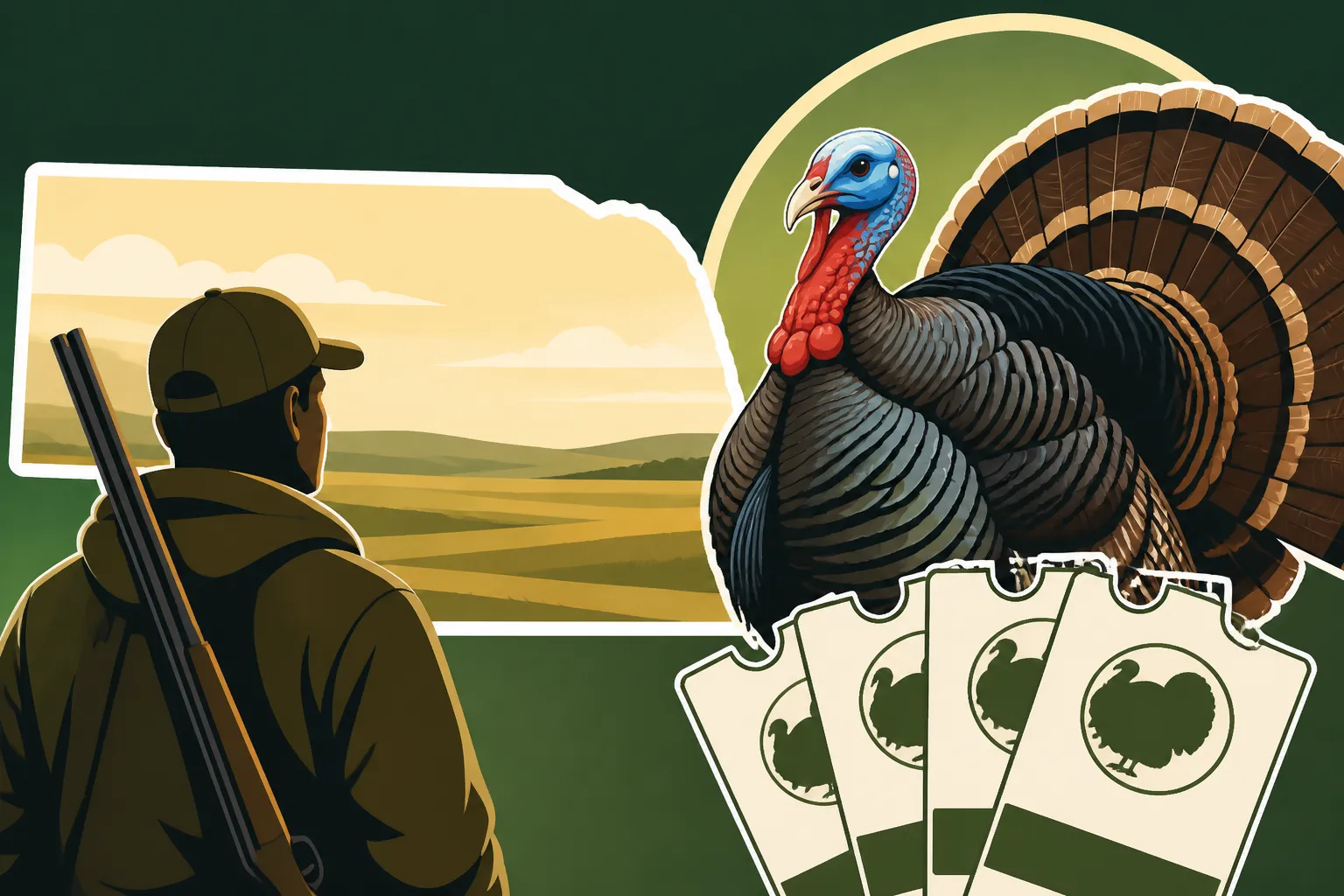
For Nebraska residents, the rules are quite generous, giving you ample opportunity to fill your freezer and enjoy extended time in the spring woods. Typically, a resident hunter is allowed to purchase up to three spring turkey permits. Each of these permits is valid for one turkey (either a tom or a bearded hen), meaning a resident could potentially harvest three birds during the spring season. This flexibility is fantastic, allowing residents to hunt different areas, try various tactics, or simply extend their season if they don't fill their tags early on.
This multi-permit allowance is a real boon for those who love spring turkey hunting, giving them more chances to connect with a gobbler. It also provides a bit of a buffer if early season hunts don't pan out or if you're looking to introduce a new hunter to the sport and want to ensure you have a tag to share the experience.
Non-Resident Hunter Permit Restrictions and Strategy
Here's where things get a bit tighter. Non-resident hunters are generally limited to purchasing one spring turkey permit in Nebraska. This single-permit restriction is a key part of the statewide cap we discussed earlier and emphasizes the importance of making that one tag count! This means meticulous planning, thorough scouting, and being prepared to make the most of every opportunity are paramount.
Beyond the single permit limit, non-residents face another significant hurdle: the Nebraska Spring Turkey Permit On-Sale Date is a crucial calendar mark, and permits often sell out very quickly, sometimes within days or even hours of becoming available. If you're a non-resident dreaming of a Nebraska spring turkey hunt, you absolutely cannot drag your feet. Mark your calendar, set reminders, and be ready to act the moment permits go on sale.
While a dedicated platform like GoHunt is primarily known for western draws, it can be a valuable resource for any hunter looking to strategize. Though Nebraska's spring turkey permits are over-the-counter and not a draw, GoHunt's data insights or community forums might still offer whispers of when permits usually sell out, or tips on specific public access areas. You'll want to check the Nebraska Game and Parks Commission website regularly for the exact permit on-sale date and have your credit card ready. Given the demand, securing your permit promptly is your first and most important step to a successful non-resident hunt. Knowing the Nebraska Nonresident Turkey Permit Cost in advance will also help you budget and be ready for purchase.
Youth Hunter Opportunities
Nebraska is keen on fostering the next generation of hunters, and its spring turkey regulations reflect that commitment. Youth hunters (typically defined as those 15 years old and younger) have some special considerations when it comes to spring turkey permits. A youth hunter can generally purchase one spring turkey permit. This permit allows them to harvest one turkey.
One of the fantastic opportunities for young hunters is Nebraska's dedicated youth turkey season, often referred to as Nebraska's Youth Turkey Weekend Falls. This special season usually occurs prior to the regular statewide opener, giving youth hunters a less pressured, exclusive window to pursue gobblers. This initiative is wonderful for providing a calmer, more focused experience for new hunters, often leading to higher success rates and a positive introduction to hunting. It's a great way to get them hooked on the excitement of calling in a big tom!
Navigating the Permit Purchase Process and Key Dates
Once you understand the permit limits, the next step is actually getting your hands on those permits. The process itself is fairly straightforward, but adhering to key dates is non-negotiable, especially for non-residents.
Important Dates and Application/Purchase Windows
The most critical information for any aspiring spring turkey hunter in Nebraska is knowing when you can buy your permit. For residents, there's usually less urgency, but for non-residents, it's a race against the clock. The Nebraska Game and Parks Commission typically announces the official "on-sale" date for spring turkey permits well in advance. This date is paramount, particularly for non-residents who are vying for a limited number of tags.
Here's a general idea of what to expect, but always verify current dates on the official NGPC website:
| Event | General Timeframe |
|---|---|
| Permit Sales Open | Early to Mid-January |
| Youth Turkey Weekend | Mid-April |
| Regular Season Opener | Mid-April (following youth) |
| Season Closes | Late May |
Remember, while the season runs from mid-April through late May for the general season (Nebraska Spring Turkey Season Dates), the permit purchase window opens much earlier. For non-residents, if you wait until April, your chances of securing a permit will likely be zero. The minute those permits become available in January, be ready to click "buy."
Online vs. In-Person Purchases and What You Need
The easiest and most reliable way to purchase your Nebraska spring turkey permit is online, directly through the Nebraska Game and Parks Commission's official website. This method is fast, efficient, and crucial for non-residents who need to jump on permits the moment they become available. Attempting to purchase in-person at a vendor might mean missing out if permits sell out before you can get there. You can learn more about Buying Nebraska Permits Online.
Before you can complete your purchase, you'll need a few things:
- Customer ID/Account: If you've hunted in Nebraska before, you'll likely have one. If not, you'll create one during the process.
- Hunter Education: Most hunters born after January 1, 1977, need to have completed a certified hunter education course. Be sure your hunter education number is on file or available.
- Habitat Stamp: A Nebraska Habitat Stamp is required for nearly all hunting activities in the state. This is an additional purchase that supports wildlife conservation and habitat projects. It's usually automatically added to your cart if you don't already possess a valid one. Understanding the Nebraska Habitat Stamp Requirement is essential for all hunters.
- Payment Method: A credit or debit card is necessary for online purchases.
Make sure all your information is up-to-date in your online profile before the sales window opens to avoid any last-minute hiccups that could cost you a permit.
Understanding Daily and Season Harvest Limits
It's important to distinguish between the number of permits you can buy and the actual number of birds you can harvest per day or per season. While residents can purchase up to three permits, each permit allows for the harvest of one turkey (either a tom or a bearded hen). This means if you have three permits, you can take three turkeys over the course of the spring season.
However, there's also a daily bag limit, which is typically one turkey per day. So, even if you have multiple permits, you can only harvest one turkey in a single calendar day. This regulation ensures fair chase and manages hunter impact on the turkey population. The Nebraska Turkey Daily Harvest Limit is a key rule to remember once you're in the field. Always consult the current year's Nebraska hunting guide for the most up-to-date and specific regulations, as these details can occasionally change. Being aware of both your permit count and daily limits will prevent any accidental violations and ensure a responsible hunt.
Strategies for Maximizing Your Spring Turkey Hunt
Securing your permits is just the first step. To truly make the most of your Nebraska spring turkey hunt, whether you have one tag or three, you'll want to employ some smart strategies.
Scouting and Location Selection
Nebraska offers an incredible diversity of landscapes, and turkeys can be found in many of them. Pre-season scouting, even if it's just digitally using mapping tools, is invaluable. Turkeys tend to favor areas with a mix of roosting timber, open fields for feeding, and good water sources.
- Eastern Nebraska: Here, you'll often find turkeys concentrated along river corridors like the Platte and Missouri, where dense cottonwood and cedar timber provide excellent roosting habitat adjacent to agricultural fields. Understanding how to use calls in these thicker environments is key, as covered in Calling Spring Gobblers in Nebraska Timber.
- Central Nebraska: The Sandhills, with their rolling hills and scattered pockets of trees, also hold turkeys, particularly Merriam's or hybrids. These birds can be more nomadic, and covering ground to locate them is a common tactic.
- Western Nebraska (Pine Ridge): The rugged terrain of the Pine Ridge is home to Merriam's turkeys. Hunting these areas requires a different approach, often involving more elevation changes and focusing on timbered draws and ponderosa pine stands. This is where specialized techniques come into play, as detailed in Hunting Merriam's in the Nebraska Pine Ridge.
No matter where you choose to hunt, identifying key features like roost sites, dusting bowls, and strut zones before the season opens will significantly increase your odds of success.
Gear and Calling Considerations
Your gear and calling strategy will heavily influence your success in the field. A good shotgun (or bow, if you're feeling ambitious) and an array of calls are essential.
- Shotgun/Bow: For shotguns, a 12 or 20 gauge with a tight choke and heavy turkey loads is standard. If you're looking for a challenge, Hunting Turkeys With a Bow in Nebraska offers a unique experience, but it requires even more precise setup and concealment.
- Calls: A mix of pot calls, box calls, and diaphragm calls will allow you to adapt to different scenarios. Learning to make a variety of realistic hen sounds (yelps, clucks, purrs) and even gobbler sounds can be incredibly effective. Sometimes, a subtle approach works best, while other times, aggressive calling is needed to get a tom's attention, especially when using Run-and-Gun Turkey Tactics on Nebraska Public Ground.
- Camouflage: Full head-to-toe camouflage is critical, as turkeys have excellent eyesight. Make sure to cover your face and hands.
- GoHunt: While not directly gear, GoHunt can complement your preparation by helping you locate public lands and understand terrain features that might influence your gear choices, such as whether you'll be dealing with thick brush or wide-open spaces. Using such mapping applications can help you visualize your hunting area and plan approach routes, saving valuable time once the season starts.
Dealing with Pressure and Late Season Tactics
Public lands, especially those easily accessible, can experience significant hunter pressure, particularly during the opening week of the season. To avoid crowded spots:
- Go deeper: Be willing to walk further than most hunters. Many successful public land hunts involve getting away from parking areas.
- Scout less-obvious areas: Focus on smaller, overlooked pockets of habitat or areas that require more effort to reach.
- Mid-week hunts: If your schedule allows, hunting on weekdays can significantly reduce pressure compared to weekends.
As the season progresses, turkeys become more "educated" and often less responsive to calls, especially after being pressured. This is where Hunting Nebraska Turkeys in Late Season tactics come into play.
- Change your calling: Become more subtle, using softer clucks and purrs instead of aggressive yelps.
- Locate birds on the roost: Focus on finding where birds are roosting in the evening or early morning to set up effectively.
- Pattern their movements: Observe where birds are feeding, dusting, and traveling throughout the day, and set up an ambush along these routes.
- Decoy strategy: Use realistic decoys, but be mindful of their placement, especially if birds are call-shy. Sometimes, less is more.
By adapting your strategies throughout the season and leveraging the statewide permit system, you can maximize your chances of a successful and memorable Nebraska spring turkey hunt, no matter how many permits you've secured.
Disclaimer
Please remember that hunting regulations, permit availability, and season dates are subject to change. Always consult the most current Nebraska Game and Parks Commission regulations and publications before planning and undertaking any hunting activities. This guide is intended for informational purposes only and should not be considered a substitute for official legal hunting regulations.