Hunting Merriam’s in the Nebraska Pine Ridge
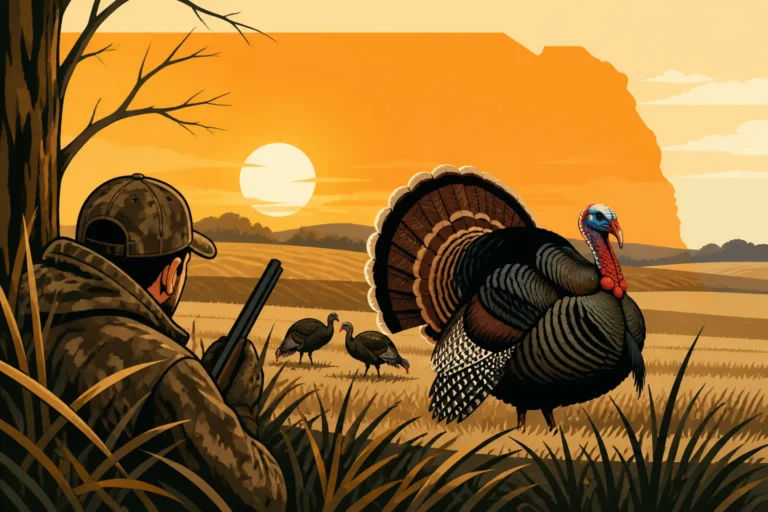
Hunting Merriam's turkeys in Nebraska's Pine Ridge region presents a completely different challenge than pursuing their Eastern or Rio Grande cousins in river bottoms or across agricultural fields. It's a hunt that demands stealth, endurance, and an intimate understanding of the unique, rugged landscape. Many hunters, accustomed to dense timber or open prairies, find themselves bewildered by the vast, broken terrain and the often-elusive nature of these mountain birds. This comprehensive guide will walk you through the specifics of hunting Merriam's in the breathtaking, yet unforgiving, Nebraska Pine Ridge, helping you decode the landscape, understand turkey behavior, and employ effective strategies to increase your odds of success.
Understanding the Nebraska Pine Ridge Environment
The Pine Ridge isn't what most people picture when they think of Nebraska. It's a dramatic departure from the rolling Sandhills or the flat farmlands, offering a unique habitat that shapes the behavior of the Merriam's turkeys that call it home. Understanding this environment is the first step toward a successful hunt.
Topography and Vegetation for Merriam's
The Pine Ridge is characterized by rugged buttes, deep canyons, and steep draws, all cloaked in ponderosa pine forests. This isn't just a pretty backdrop; it's the very fabric of the Merriam's world. These turkeys thrive in this mix of open Ponderosa stands and thick brush, utilizing the elevation changes to their advantage. They'll roost in tall pines on ridgetops or along canyon edges, offering them commanding views and protection. When they hit the ground, they'll often work their way through the more open timber, feeding on pine nuts, acorns, grasses, and insects.
The sheer scale of the Pine Ridge, which includes areas like the Oglala National Grassland and the Nebraska National Forest, means you'll be covering significant ground. You'll encounter sandy soils, rocky outcrops, and dense thickets of cedar and plum. This diverse vegetation provides everything a turkey needs: food, water, roosting cover, and escape routes. The challenge for the hunter is to navigate this complex terrain efficiently and quietly, identifying potential travel corridors and feeding areas. Understanding where the birds prefer to feed—often in small clearings, along logging roads, or in areas where the pines thin out—is crucial for setting up effectively. The vastness can be daunting, but with tools like GoHunt's mapping features, you can analyze topography and vegetation from home, marking potential roosting or feeding spots before you even step foot in the woods.
Weather Patterns and Their Impact on Turkeys
Nebraska's Pine Ridge experiences a wide range of weather, and during the spring turkey season, conditions can change dramatically from one day to the next, sometimes even within a few hours. Early season hunts in April might bring cold mornings, even snow, which can influence where turkeys roost and how quickly they move off the roost. Merriam's are tough birds, but extreme cold or heavy snow can make them less vocal and keep them in sheltered areas longer.
As the season progresses into May, temperatures generally warm up, and the birds become more active and vocal. However, strong winds are a constant factor in western Nebraska, and the Pine Ridge is no exception. Gusty winds can carry sound away, making it difficult to hear gobblers and even harder for them to hear your calls. When the wind howls, turkeys tend to stick to more sheltered draws or the leeward side of ridges. Adapting your strategy to these conditions is vital. On calm mornings, you might hear birds gobble for miles, but on windy days, you'll need to be much closer to elicit a response and often rely more on visual scouting than auditory. Keeping an eye on the forecast and being prepared with appropriate Clothing for Nebraska Wind and Cold is essential for comfort and success.
Scouting and Locating Merriam's Turkeys
Finding Merriam's in the Pine Ridge isn't a game of chance; it's a methodical process that combines diligent pre-season scouting with sharp observation skills once you're in the field. These birds can be scattered, and their behavior often differs from their Eastern counterparts, making strategic scouting even more critical.
Pre-Season Digital and On-the-Ground Scouting
Before you even pack your truck, the real work begins. Digital scouting is an invaluable tool for the Pine Ridge. Using satellite imagery and topographical maps, you can identify promising areas. Look for ridgetops with mature pines (potential roosting sites), south-facing slopes that warm up faster in the morning (early feeding areas), and benches or saddles that act as travel corridors between different elevations. Pay close attention to areas with a mix of timber and open spaces, which provide both cover and foraging opportunities. This kind of research can save you countless miles of walking once you arrive.
Once you're physically in the Pine Ridge, pre-season scouting shifts to confirming your digital suspicions. This isn't about calling birds, but about finding fresh sign. Look for tracks in sandy washes or along logging roads, droppings under potential roost trees, and feathers. Drive the backroads, pulling over frequently to listen at dawn and dusk. Gobbles will tell you where birds are generally located, but don't just rely on that. Observe their patterns without disturbing them. You might see them fly up to roost in the evening or fly down in the morning. Note how they use the terrain—do they consistently follow a particular ridge or creek bottom? Platforms like GoHunt can help you overlay public land boundaries and even identify landowners for potential private land access, which can significantly expand your scouting options. Remember, the goal is to pinpoint areas with active turkeys before the season starts, allowing you to hit the ground running when opening day arrives.
Reading Sign and Turkey Behavior
Once the season is open, or during those crucial days right before, knowing how to interpret turkey sign is paramount. Fresh tracks are gold; they tell you not only that birds are in the area but also roughly how recently they passed through. Look for distinct toe prints and the overall size of the track to gauge if it's a tom or a hen. Droppings can also indicate a bird's gender and activity: male droppings are typically J-shaped or spiraled, while hen droppings are more amorphous or coiled.
Beyond physical sign, understanding the unique behavior of Merriam's is key. These birds are known for being more nomadic than other subspecies, often covering significant distances in a day, especially on larger public lands. They might roost in one canyon, feed in another, and breed in a third. They also tend to be less tolerant of hunting pressure, becoming quieter and more cautious after the first few days of the season. When calling, be aware that Merriam's can be more visual; if they can't see the source of the call, they might hang up or move around to get a visual. This means your setup, and how well you're concealed, is just as important as your calling technique. They also respond well to distress calls and can be curious. Knowing Merriam's Turkeys in the Pine Ridge specific habits will help you tailor your approach.
Effective Hunting Strategies for Pine Ridge Merriam's
Hunting Merriam's in the Nebraska Pine Ridge requires a blend of traditional turkey hunting skills and adaptations specific to this mountainous environment. It’s not about sitting in one spot all day; it’s about strategic movement and understanding how these birds use the landscape.
Roosting and Morning Setups
The first light of dawn is often your best chance for a Pine Ridge Merriam's. "Roosting" a bird the evening before—locating where it flies up to spend the night—can dramatically increase your odds. Listen for fly-up cackles or that distinctive gobble as they settle in. Once you've pinpointed a general area, plan your morning approach carefully. You'll want to get as close as possible without spooking the bird, usually within a couple of hundred yards, before first light.
Your setup needs to be strategic. Unlike flatland hunting where you might rely on a lone tree, the Pine Ridge offers varied terrain. Look for a position that allows you to see the bird as it flies down from the roost, but more importantly, where the bird can approach you without encountering any obstacles that would make it "hang up." A key tactic for Calling Spring Gobblers in Nebraska Timber is to position yourself above the gobbler if possible, or at least on the same elevation. Merriam's often prefer to walk downhill or stay on the same contour rather than climb a steep slope to a call. Concealment is paramount; use the natural contours, pine trees, and brush to break up your outline. Decoys can be effective, especially a single hen or a jake/hen combination, but place them where they are visible from the roosting area and where a gobbler can walk to them easily.
Mid-Day Tactics and Terrain Use
The mid-day slump can be a challenge for any turkey hunter, but in the Pine Ridge, it offers unique opportunities for the persistent. While gobblers might quiet down after the initial morning activity, they don't disappear. Instead, they often move to feeding areas or strutting zones, sometimes traveling considerable distances. This is where a more aggressive "run-and-gun" approach, as detailed in Run-and-Gun Turkey Tactics on Nebraska Public Ground, truly shines.
Instead of staying put, use the mid-day hours to hike ridges and glass open areas. Listen for infrequent gobbling or even just hen clucks and yelps. Turkeys will often use saddles in the ridges to move between drainages or follow old logging roads. Pay attention to fresh tracks and droppings in these areas. If you get a response, quickly assess the terrain and move to set up where you can intercept the bird. Don't be afraid to cover ground; the sheer size of the Pine Ridge demands it. Merriam's are known for having excellent eyesight, so moving cautiously and using the terrain to your advantage—staying out of sight over a ridge or behind a stand of trees—is crucial. They can also be curious, so a soft series of clucks or yelps, followed by silence, might just draw in a mid-day tom.
Calling Strategies Specific to Merriam's
Merriam's turkeys can be notoriously different to call compared to their Eastern and Rio counterparts. They generally respond well to softer, more realistic calling. Loud, aggressive calling that might work in a dense river bottom can often spook a Merriam's in the more open Pine Ridge timber. Start with soft tree yelps, purrs, and clucks, especially in the morning. As the bird comes off the roost, gradually increase the volume if needed, but always strive for realism.
Merriam's also respond well to cutting and cackling, especially when they are henned up or a bit stubborn. However, unlike some other subspecies, they can often be "silent killers" – they'll come in without gobbling once they've committed. This makes visual confirmation and being absolutely ready even more important. A slate call or a diaphragm call are excellent choices for producing the varied sounds you'll need. Don't overlook distress calls; a series of lost hen yelps or even the excited cackle of a flock can sometimes trigger a response from a tom that’s gone quiet. The vast, open nature of the Pine Ridge means your calls will travel further, but also means gobblers can pinpoint your location from a distance. Therefore, often less is more with Merriam's; let the terrain and the bird's natural curiosity do some of the work. If you're considering Hunting Turkeys With a Bow in Nebraska, your calling and setup need to be even more precise to get a tom into bow range.
| Calling Technique | Best Use Case for Pine Ridge Merriam's |
|---|---|
| Soft Tree Yelps | First light, off the roost, subtle initial contact. |
| Purrs & Clucks | Close-range, trying to draw in a hung-up bird, reassuring. |
| Cuts & Cackles | Aggressive toms, breaking a dominant tom away from hens, mid-day. |
| Lost Hen Yelps | When birds go quiet, trying to locate nomadic birds. |
| Gobbling | Challenge a dominant tom, elicit a shock gobble (use sparingly). |
| Fly-Down Cackle | Mimic a hen flying off the roost; best used at first light. |
Essential Gear and Logistics for Pine Ridge Hunts
A successful Pine Ridge Merriam's hunt is as much about your preparation and gear as it is about your strategy. The challenging terrain and variable weather demand reliable, appropriate equipment.
Clothing and Footwear for Rugged Terrain
Forget your typical farm-country turkey vest. Hunting the Pine Ridge means miles of hiking up and down steep grades, across rocky ground, and through dense pines. Your clothing needs to be layered and durable. A good base layer to wick moisture, a mid-layer for insulation, and a durable, silent outer layer that can withstand abrasion from pine needles and brush is crucial. Many hunters prefer a lightweight, breathable, but tough softshell jacket and pants. Camouflage patterns that mimic the grays, greens, and browns of the Ponderosa pine environment are ideal.
Footwear is arguably the most critical piece of gear. You'll need sturdy, comfortable hiking boots that offer excellent ankle support and aggressive traction. Waterproof boots are a must, as you'll encounter dew, morning frost, and potentially creek crossings. Make sure your boots are well broken-in before your hunt to avoid blisters, which can quickly ruin a trip when you're covering significant mileage. Consider bringing multiple pairs of socks, perhaps merino wool, which manages moisture and odor well. Remember to check Boots for Walking Nebraska Grass and Sand for specific recommendations.
Optics and Calls for Mountain Birds
Optics are not just for big game in the Pine Ridge; they are invaluable for turkey hunting here too. A good pair of 8x or 10x binoculars can help you spot birds silhouetted on distant ridges, identify potential roost trees, or even pick out a gobbler strutting in a remote clearing. Given the vastness, using your binoculars frequently to scan ahead and confirm what you're seeing can save you unnecessary walking and keep you from spooking birds. Some hunters even bring a lightweight spotting scope for long-distance observation, though this adds bulk.
When it comes to calls, diversity is your friend. Carry a variety of calls to adapt to different situations and turkey moods. A good slate call is versatile and can produce a wide range of sounds, from soft purrs to sharp cuts. Diaphragm calls are hands-free, allowing you to call while keeping your gun shouldered, which is a huge advantage when a gobbler comes in silent and fast. A reliable box call can project sound further, useful for locating distant birds, especially if you're working against the wind. Don't forget a locator call—an owl hooter or a crow call can often elicit a shock gobble from a tom that's otherwise quiet, helping you pinpoint his location without revealing your own turkey calls too early. Always ensure your calls are tuned and readily accessible; fumbling for a call when a gobbler is approaching is a recipe for disaster.
Disclaimer
Please note that hunting regulations, season dates, and permit requirements in Nebraska can change. Always consult the most current Nebraska Game and Parks Commission regulations booklet or their official website before planning any hunt. This guide is for informational purposes only and should not be considered legal advice or a substitute for official regulations. Be safe, hunt ethically, and respect the land.