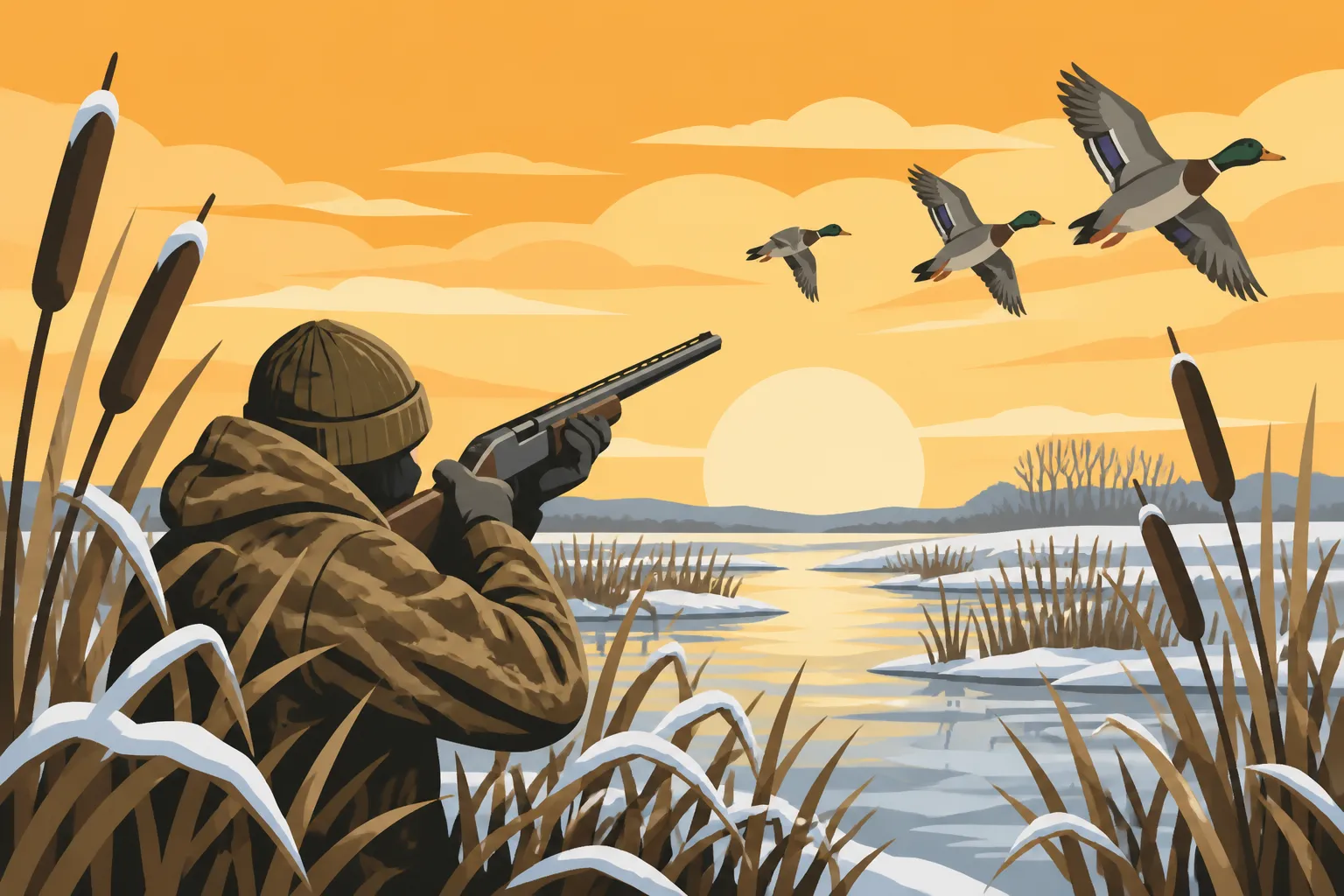
Working a Cattail Slough in January
January in Nebraska, with its biting winds and often heavy snow, can be an incredibly challenging time to hunt, but it’s also when some of the most rewarding opportunities emerge. Many hunters find themselves frustrated when birds seem to vanish, or deer become ghosts. This comprehensive guide will walk you through the nuanced art of working a cattail slough in the dead of winter, revealing why these dense, often overlooked habitats are critical to late-season success and how to approach them effectively.
Understanding the January Cattail Slough as Winter Habitat
When the snow flies and temperatures plummet, cattail sloughs transform into vital refuges for a variety of game species across Nebraska. These wetlands aren't just patches of tall grass; they are intricate ecosystems that provide essential thermal cover, food sources, and protection from predators, making them absolute magnets for wildlife seeking to survive the harsh winter months. Hunters who understand this fundamental importance gain a significant advantage in the field.
Why Cattails Are Winter Magnets
Cattails, with their dense, upright structure, are nature's insulating blankets. Even in bitter winds, the thick stands create microclimates that are significantly warmer and less windy than the open prairie or harvested fields surrounding them. This thermal cover is absolutely crucial for pheasants, which struggle to maintain body heat, and even for deer, which can bed down deep within the stalks to conserve energy. Beyond just warmth, these sloughs often contain residual food sources—seeds from the cattails themselves, other wetland vegetation, and even grains blown in from nearby agricultural fields. This combination of shelter and sustenance makes them indispensable winter havens. Imagine a cold, windy day where you can barely stand upright; now picture yourself as a pheasant, trying to weather that storm. A cattail slough offers precisely the kind of dense, wind-breaking sanctuary that's hard to find anywhere else on the landscape when everything else is stripped bare.
Reading the Slough for Game
Successfully hunting a cattail slough in January isn't just about walking through it; it’s about reading it. You need to identify the key areas where game is most likely to be holding. Look for changes in cattail density – thicker patches offer more cover and are often preferred. Pay attention to edges, particularly where the cattails meet a food source like a corn or milo stubble field, or where a slight elevation change creates even more thermal protection. Deer, for instance, might use the very perimeter of a large slough, especially if there's a ditch or a slight rise. Pheasants, on the other hand, will often burrow deep into the thickest, driest pockets. Snow can be a fantastic interpreter here; fresh tracks leading into or out of particular sections can tell you exactly where animals are entering and exiting, and where they’re likely spending their time. Don’t just push; observe, and let the terrain and the sign guide your efforts.
Impact of Snow and Ice on Game Movement and Hunter Access
The presence of snow and ice fundamentally changes both how game utilizes a slough and how hunters can access it. Deep, soft snow can make movement arduous for both hunters and game, pushing animals to areas with less snow or more compacted trails. However, light to moderate snow can actually be a boon for hunters, highlighting tracks and fresh activity. Ice, on the other hand, can create dangerous conditions, especially if it’s thin or covers flowing water. For pheasants, a frozen slough may mean less access to water sources, but it also creates firmer ground underfoot, allowing them to run further ahead of hunters. Deer might use frozen portions of a slough as travel corridors they wouldn't normally consider. Always be cautious around ice, especially in areas like the Rainwater Basin wetlands, where water levels can fluctuate, and ice thickness can be unpredictable. Being aware of these conditions before you even step foot in the slough is crucial for planning your approach and ensuring safety.
Essential Gear and Preparation for Late-Season Slough Hunting
January hunting in Nebraska's cattail sloughs isn't for the faint of heart, and it certainly isn't for the unprepared. The conditions can range from merely chilly to outright brutal, and having the right gear can mean the difference between a successful hunt and a miserable, or even dangerous, experience. Proper preparation is paramount when you're facing cold, wet, and often unpredictable environments.
Clothing for Extreme Cold and Wet Conditions
Layering is your absolute best friend when hunting Nebraska in January. Start with a moisture-wicking base layer to draw sweat away from your skin, preventing that clammy, cold feeling. Next, a warm insulating layer, like fleece or down, is critical. Finally, your outer shell needs to be completely waterproof and windproof. Brands like Sitka or KUIU offer excellent options designed for these conditions, but even more affordable alternatives can work if you focus on the core principles of layering and protection. Don't forget insulated, waterproof gloves or mittens—you need dexterity for your firearm, but frozen fingers will end a hunt quickly. Many experienced hunters also bring hand warmers that last a full sit, placing them in pockets or inside gloves. For those long walks through heavy cover, consider Wind-Blocking Outerwear for the Plains to truly cut down on heat loss.
Shotgun and Load Choices for Winter Birds
When working a cattail slough for pheasants, your shotgun choice needs to be reliable in cold, potentially wet conditions. A 12-gauge or 20-gauge pump or semi-automatic is usually ideal. The most critical decision, however, will be your ammunition. Late-season roosters are tough, can hold tighter, but when flushed, often offer Late-Season Roosters and Longer Flushes. This means you might need to step up shot size compared to early season. Instead of 6s, consider 4s or even 5s for better penetration and knockdown power. Remember, on many Nebraska Wildlife Management Areas (WMAs) and federal lands, nontoxic shot is required, so always check the specific regulations for your hunting area. Steel shot is common, but bismuth or tungsten-matrix alternatives offer superior performance, albeit at a higher cost. Pair your chosen load with an appropriate choke, often a modified or improved modified, to give you a good pattern for those longer shots.
Navigation and Communication Tools
It’s easy to get disoriented in the dense, towering cattails, especially if snow obscures familiar landmarks. A reliable GPS unit or a robust phone app is non-negotiable. Apps like onX Hunt or Basemap, combined with a power bank to keep your device charged in the cold, are invaluable for tracking your path, marking flushes, and ensuring you know where property lines are. Many hunters use GPS Units Versus Phone Apps and find that while phone apps are convenient, a dedicated GPS unit can be more reliable in extreme cold or poor cell service areas. A physical compass and map should always be a backup. If you're hunting with a partner, two-way radios are excellent for communication, especially if you're trying techniques like Blocking and Driving a Nebraska Field. Before you head out, make sure to consult the Nebraska Public Access Atlas and consider Checking Nebraska Area Closures to ensure the land is open to hunting and you understand any specific rules. This type of preparation, which GoHunt can assist with through their detailed mapping tools, provides an essential layer of safety and efficiency.
Tactics for Successfully Working a Cattail Slough
Working a cattail slough in January requires a blend of strategy, patience, and often, brute force. The dense cover means birds will hold tight, and deer will be bedded deep, demanding a methodical approach. Whether you're hunting solo or with a team, understanding how to apply pressure and anticipate game movement is key to success in these challenging environments.
Solo Hunter Strategies in Dense Cover
Hunting a cattail slough by yourself can be incredibly effective if done correctly, but it’s physically demanding. The key is to be slow and methodical. Think of yourself as a human bird dog, meticulously picking apart the cover. Instead of trying to push through the entire slough at once, work sections. Start at one end and walk in a serpentine pattern, covering every inch of the densest cover. Stop frequently for short pauses; often, a pheasant that has been holding tight will get nervous and flush when you halt. If the slough is long and narrow, walk down one side, then cross over and come back up the other, essentially circling back on yourself. This creates the illusion of being "driven" from two sides, often pushing birds towards an open end. Remember, late-season birds will try to run first, so keep an eye out for movement ahead in the cattails. This method takes time, but it allows you to truly penetrate the core of the slough where birds are most likely to be hunkered down.
Team Hunting Approaches: Blocking and Driving
For larger sloughs, or when targeting more elusive game like deer that might be utilizing the edges, a team approach of blocking and driving is often superior. This involves positioning "blockers" strategically at the far end of the slough, or where game might escape, while "drivers" slowly push through the cover. For pheasants, blockers should be positioned quietly downwind and at the end of the slough, ready for birds that flush high or try to run out. The drivers, walking abreast, should maintain consistent spacing and a steady pace, trying to push game towards the blockers. Communication, perhaps using two-way radios, is vital to coordinate movements. For deer, blockers might take positions on elevated ground overlooking the slough, while drivers systematically walk through. This technique is often used in conjunction with a strategy like Deer Drives on Small Nebraska Timber, adapted for wetland conditions. The goal is to funnel game into a predictable escape route where the blockers are waiting.
Using Dogs for Efficiency and Retrieval
A well-trained bird dog is an invaluable asset when Hunting Cattail Sloughs Late in the Season. Their superior sense of smell and boundless energy allow them to penetrate the densest cover, flushing birds that a human might walk right past. For pheasants, a flushing dog can make all the difference, forcing birds into the air rather than letting them run out the end of the slough. For retrieving downed birds, especially in potentially icy water or thick vegetation, a dog is often essential. However, January conditions can be harsh on dogs. Make sure your dog has appropriate protection, like a sturdy vest, especially if they’ll be working near ice or in extremely cold water; consider Dog Vests for Cold Water Retrieves. Monitor them closely for signs of hypothermia or injury from ice or sharp stalks. Hydration is also crucial, even in cold weather. Always be mindful of other hunters and ensure your dog is under control, perhaps with an E-Collar Use on Public Ground, especially when operating on busy public ground. GoHunt's community forums can also be a great place to ask for advice on dog safety in specific areas.
Reading Flushes and Shot Placement
When a pheasant finally bursts from the thick cattails in January, it can be a startling experience. These late-season birds are cagey and often flush further out or higher than their early-season counterparts. You need to be ready for Shot Placement on a Rising Rooster, anticipating their flight path and leading them effectively. Often, they’ll try to get up and over the cattails quickly. If you’re hunting with a dog, pay attention to where they get "birdy" – it's a good indicator that a flush is imminent. For deer, a flush from a slough can be even more abrupt. They might bound out, disappearing into surrounding cover almost instantly. The key is quick target acquisition and a smooth swing. Practice your mounting and swing before the season, perhaps with some clays, to ensure you’re sharp when that rooster explodes from the cover.
Safety and Recovery Considerations in Cold Weather
Hunting in Nebraska's cattail sloughs in January isn't just about strategy and gear; it's fundamentally about safety. The extreme cold, potential for ice, and remote nature of many sloughs demand a heightened awareness of personal well-being and responsible game recovery. Ignoring these factors can quickly turn a memorable hunt into a dangerous ordeal.
Hypothermia and Frostbite Prevention
The biggest threat in January conditions is the cold itself. Hypothermia, a dangerous drop in body temperature, can set in quickly if you're not adequately dressed or if you get wet. Symptoms include shivering, confusion, slurred speech, and loss of coordination. Frostbite, the freezing of body tissue, commonly affects fingers, toes, nose, and ears. To prevent these, layered clothing is paramount, as discussed earlier. Avoid cotton, which loses its insulating properties when wet. Carry extra dry layers in a waterproof bag. Stay hydrated and bring high-energy snacks. If you feel yourself getting too cold, or a hunting partner shows symptoms, take immediate action to warm up, get out of the wind, and seek shelter. Always tell someone your hunting plan, including your intended location and expected return time. GoHunt offers maps that can help you share your exact location with non-hunters for safety.
Retrieving Game from Water or Ice
A downed bird or even a deer that makes it to open water or thin ice presents a serious recovery challenge and a significant safety risk. Never, under any circumstances, venture onto thin or questionable ice. The risk of falling through is simply not worth any animal. If a bird falls into open water, a well-trained retriever is your safest bet. Ensure your dog is wearing a proper Dog Vests for Cold Water Retrieves to protect them from the icy water. If you don't have a dog, and the water is shallow and safe to wade, consider using a long retrieval pole or even a throw bag if conditions allow. For larger game like deer, if they expire in water, assess the situation carefully. If the water is too deep, the ice too unstable, or the current too strong, you may need to contact local authorities (like the Nebraska Game and Parks Commission) for assistance or consider leaving the animal. It's a tough call, but human safety always comes first.
Field Care and Transport in Freezing Temperatures
Once you’ve successfully harvested an animal from a January cattail slough, the challenges don't end there. Proper field care is essential, even in freezing temperatures. While the cold helps preserve meat, it can also freeze it solid if not handled properly, making processing difficult. For pheasants, clean them quickly and place them in a game bag to protect them during transport. For deer, field dressing should be done as efficiently as possible. While the cold will cool the meat, extreme freezing on the outside while the inside remains warm can sometimes cause issues. If you have a long way to pack out, especially if you harvested a larger animal, consider using a game sled or a sturdy frame pack. Protecting the meat from dirt, snow, and predators during transport is important. Remember to comply with all Nebraska deer tagging and checking rules and Nebraska Deer Transport Requirements. The bitter cold of January can be your friend in meat preservation, but don't let it lull you into complacency; careful handling still pays off.
Disclaimer
Please remember that hunting regulations and conditions can change rapidly. Always consult the official Nebraska Game and Parks Commission regulations prior to any hunt to ensure compliance with all current laws, seasons, and permit requirements. This guide provides general information and recommendations, but local conditions, weather, and specific regulations should always be verified by the individual hunter. Stay safe, hunt ethically, and enjoy the incredible opportunities Nebraska offers.