Hunting the Pre-Rut in Late October
That peculiar time in late October, when the deer season feels like it’s teetering on the edge of something big, but isn't quite there yet—that's the pre-rut, and it can be one of the most frustrating, yet rewarding, periods to be in the woods. Many hunters feel like they’re waiting for the "switch" to flip, struggling to find consistent action. This comprehensive guide is here to help you navigate the nuanced world of hunting Nebraska’s whitetails during the pre-rut, offering actionable strategies to turn those quiet waits into successful hunts.
Understanding Nebraska's Pre-Rut Dynamics in Late October
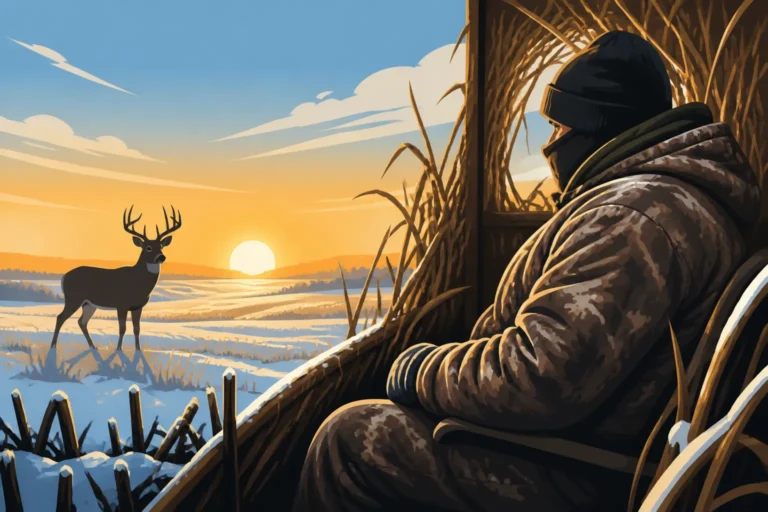
Late October in Nebraska is a period of significant change, both in the natural world and in whitetail behavior. It's that exciting calm before the storm of the full-blown rut, a time when bucks are transitioning from their bachelor groups and summer feeding patterns, becoming increasingly active and showing the first clear signs of seeking does. Understanding these subtle shifts is paramount to your success.
The Shifting Whitetail Behavior During Pre-Rut
As late October rolls around, you'll notice a distinct change in how whitetail bucks operate. They're not just moving from food to cover anymore; there’s a new purpose in their stride. Testosterone levels are steadily climbing, pushing bucks to become more assertive and territorial. This isn't the frenzied, indiscriminate chasing you'll see a couple of weeks later, but rather a focused seeking phase. Bucks are covering more ground, starting to check traditional doe bedding and feeding areas, often scent-checking more frequently. They're driven by the urge to find the first does coming into estrus, and this search behavior makes them more vulnerable than during the earlier, more predictable phases of the season.
It’s easy to feel frustrated during this time because the activity can seem sporadic. One day, you might see several bucks cruising, and the next, it's dead quiet. This inconsistency is characteristic of the pre-rut. Bucks are beginning to test the waters, establishing dominance hierarchies, and looking for those early receptive does. They might make longer, bolder movements, especially during daylight, making this a prime window to catch a mature buck on his feet. If you’re patient and observant, you’ll start to see those tell-tale signs of increased curiosity and readiness. While the chaos of the peak rut is still a little ways off—you can dive deeper into When the Whitetail Rut Peaks in Nebraska to understand that next phase—the pre-rut offers its own unique set of opportunities for the savvy hunter.
Key Environmental Cues to Watch For
Beyond the internal biological clock of the deer, late October also brings significant environmental changes that influence their behavior. The most obvious is the weather. Cooler temperatures, especially crisp mornings and evenings, signal to deer that winter is coming and the rut is near. These cooler conditions often spur deer to move more during daylight hours, making midday sits more productive than earlier in the season. Keep an eye on those cold fronts—they can really get deer on their feet.
Another massive environmental factor, particularly in Nebraska, is the agricultural harvest. As the combines roll, standing cornfields that once provided impenetrable cover and abundant food disappear. This dramatically alters deer movement patterns, forcing them to adapt quickly. Suddenly, deer that were hidden deep within vast cornfields are exposed and must find new bedding areas and food sources. This shift can concentrate deer into remaining cover or push them into areas they might not have used previously. Understanding What Changes in Nebraska After the Corn Comes Off is crucial, as this harvest often coincides perfectly with the burgeoning pre-rut activity. Deer might switch from readily available corn to acorns, browse, or even newly planted winter wheat. Always be scouting for new Late-Season Food Sources in Nebraska to identify where deer are now concentrating their efforts after the crops come out.
Effective Scouting and Strategy for Pre-Rut Bucks
The pre-rut is a dynamic period, and successful hunting hinges on your ability to read the landscape and adapt your strategy. This means going beyond general assumptions and actively seeking out fresh intelligence on deer movement and behavior. Smart scouting and leveraging modern tools can make all the difference in connecting with a late October buck.
Interpreting Increased Sign Activity
One of the most exciting aspects of the pre-rut is the explosion of fresh deer sign. Bucks, fueled by rising testosterone, become increasingly vocal about their presence. You'll start to see more rubs and scrapes, but it's not just the quantity; it's the quality and location of these signs that matter. Early season rubs might be scattered or incidental, but pre-rut rubs often form distinct "rub lines" – a series of fresh rubs leading from bedding areas to feeding grounds, or along travel corridors. These lines are like a buck's personal highway, indicating consistent travel paths. Similarly, scrapes transition from occasional pawings to active communication hubs. Look for large, freshly worked scrapes with an overhanging branch (licking branch) that's been chewed and scented. These "community scrapes" are visited repeatedly by multiple deer, signaling a high-traffic area where bucks are checking for does and asserting dominance.
When you're out scouting, don't just count the rubs and scrapes; try to interpret the story they tell. Is it a lone rub or a string of them indicating a preferred route? Is the scrape on a field edge or deeper in cover, perhaps along a fenceline? Understanding Scrape Lines Along a Fenceline can reveal critical intelligence about how bucks are marking their territory and searching for does. Also, pay attention to the terrain. A fresh rub line along a cedar draw, as you might find when Reading a Cedar Draw for Deer Movement, could indicate a mature buck using that dense cover as a safe travel route. The more you can piece together these sign patterns, the better you can predict where a buck is likely to be moving during shooting light.
Leveraging Technology and Public Resources
In today's hunting world, technology is a powerful ally, especially during a transitional phase like the pre-rut. Mapping applications, like those found on platforms such as GoHunt, are invaluable for dissecting the landscape without even stepping foot in the woods initially. You can use aerial imagery and topographic maps to identify natural pinch points, funnels, bedding cover, and potential travel corridors. Look for features like narrow strips of timber connecting larger woodlots, creek bottoms, or fence lines that force deer movement into predictable patterns. GoHunt's detailed maps can highlight elevation changes, water sources, and cover types, helping you pinpoint areas that might otherwise go unnoticed. This digital scouting allows you to narrow down your focus, making your in-field scouting more efficient.
Trail cameras become even more critical during the pre-rut. Deploy them on those fresh rub lines and active scrapes to get a real-time understanding of what bucks are moving, when they're moving, and in which direction. Cameras provide objective data that confirms your hunches and reveals patterns you might miss with sporadic in-person scouting. This is where cameras truly shine, as you can see Where Cameras Help on Pressured Ground by showing you if bucks are still using a particular area even if you haven't seen them physically. For those hunting public land, the Nebraska Public Access Atlas is an indispensable resource. This atlas, whether in print or via its mobile app, provides detailed maps of state wildlife management areas, Open Fields and Waters tracts, and other public access points. Effectively Reading the Nebraska Public Access Atlas allows you to plan your approach, understand boundaries, and identify potential hunting pressure spots. Combining detailed mapping tools from sources like GoHunt with the Public Access Atlas gives you a robust system for finding and understanding deer movement on both private and public ground.
Pre-Rut Hunting Tactics: Being in the Right Place at the Right Time
Once you’ve done your scouting homework and identified key areas, the next step is putting yourself in a position to intercept a cruising buck. The pre-rut demands a blend of strategic stand placement and knowing when and how to actively engage deer through calling and decoying.
Targeting Travel Corridors and Transition Areas
During the pre-rut, bucks are no longer just focused on food. Their primary driver is finding does. This means they're covering ground, often moving through transition areas between bedding and feeding, or using natural funnels that reduce their travel effort. Your stand placement should reflect this. Think about those narrow strips of timber, hedgerows, or creek bottoms that connect larger blocks of cover. These are prime travel corridors where bucks will scent-check for does without exposing themselves too much in open areas.
Focus on pinch points—areas where the terrain or cover naturally constricts deer movement. This could be a narrow neck of woods, a fence gap, or a saddle between two ridges. A well-placed stand overlooking a creek crossing, like those discussed in Hunting a Creek Crossing in the Sandhills, can be incredibly productive, as bucks often use these natural features to navigate the landscape. Similarly, if crops are still standing or have just been harvested, setting up on the edge of a cornfield, as detailed in Hanging a Stand on a Cornfield Edge, provides a strategic vantage point to catch bucks moving to and from feeding areas, or simply cruising the edge looking for does. Remember, pre-rut bucks are moving with a purpose, and by positioning yourself on these high-traffic routes, you dramatically increase your odds.
Calling and Decoying Strategies for Aggressive Bucks
The pre-rut is arguably the best time of year to use calling and decoying tactics on mature bucks. With rising testosterone, bucks are more prone to respond to challenges or the perceived presence of a receptive doe. Rattling can be incredibly effective. Bucks are establishing dominance and are eager to confront rivals. Start with light tickling of antlers, mimicking two young bucks sparring, and if nothing responds, progressively get more aggressive, clashing antlers together to sound like a full-blown fight. This can draw in curious bucks looking to assert their status or investigate the commotion. Understanding the nuances of Rattling and Grunting in Nebraska's Rut can really refine your technique.
Grunt calls also work wonders. A deep, drawn-out grunt can simulate a buck trailing a doe, or a challenging grunt can pique the interest of a dominant buck. Combine grunts with snort-wheezes for an even more aggressive challenge. When it comes to decoying, a single buck decoy, especially one positioned to look like it's challenging or tending a doe (even if you don't use a doe decoy), can be irresistible. Many hunters have found success positioning a buck decoy facing away from them, giving the approaching buck the impression that the decoy is moving off, drawing him closer for a confrontation. Utilizing a doe decoy, as covered in Decoying a Nebraska Whitetail Buck, can also be effective, especially if you pair it with soft estrus bleats to simulate a receptive female. Always position your decoy downwind so that an approaching buck will swing around, offering you a broadside shot.
Overcoming Pre-Rut Challenges
While the pre-rut offers incredible opportunities, it's not without its hurdles. Increased hunter pressure, fluctuating conditions, and the sometimes-sporadic nature of deer activity can test your resolve. However, by anticipating these challenges and adapting your approach, you can maintain your edge.
Dealing with Hunting Pressure and Changing Conditions
As the season progresses, especially into late October, hunter numbers typically increase. More hunters in the woods mean more disturbed deer, which can make them more nocturnal or push them into thicker, less accessible cover. This added pressure is a very real frustration, particularly on public lands. To counteract this, consider hunting during weekdays when pressure is generally lighter, or focus on areas that are harder to reach – often, the further you're willing to walk from a parking area, the less competition you'll face.
Weather is another constant variable. While cool fronts are great for deer movement, extreme wind is a common feature of the Nebraska plains, and it can make both hunting and deer movement difficult. Bucks tend to hunker down during high winds, and scent control becomes even more critical. Always factor in Wind Direction on Open Nebraska Prairie Stands when choosing your stand location, ensuring your scent is blowing away from likely approach routes. Additionally, be prepared to be mobile. If your primary spot isn't producing after a few sits, don't be afraid to pull your stand and set up in a new area based on fresh sign or updated weather patterns. Being adaptable, especially with your Entry and Exit Routes on Flat Farm Ground, can prevent you from spooking deer as you come and go from your hunting spot.
Patience and Persistence are Key
The pre-rut is often described as a "waiting game" for a reason. It's not the consistent, all-day action of the peak rut, nor is it the predictable feeding patterns of the early season. Instead, it’s a period of anticipation, where intense bursts of activity are interspersed with quiet lulls. This can be mentally challenging, especially when you're dedicated to long sits. It's easy to get discouraged when a morning hunt is slow, but remember that the next hour, or the next cold front, could bring that mature buck out of hiding.
Confidence in your scouting, particularly with tools like GoHunt, is vital. Trust that the fresh sign, the pinch points, and the travel corridors you’ve identified are where a buck should be. Sometimes, it simply takes being in the right place at the exact right moment. Persistence means showing up, even when conditions aren't perfect, and staying in your stand longer than you think you need to. Many mature pre-rut bucks are harvested during midday hours when other hunters have gone back to camp. Stay focused, stay warm, and remind yourself that every minute in the woods during this transitional period brings you closer to that exciting pre-rut encounter.
Pre-Rut Deer Behavior and Tactics Summary
| Factor | Early Pre-Rut (Early-Mid Oct) | Peak Pre-Rut (Late Oct) |
|---|---|---|
| Buck Movement | Mostly nocturnal, shifting to crepuscular. Food-focused with some cruising. | Increased daylight movement, actively seeking does. Cruising and scent-checking. |
| Sign Activity | Scattered rubs/scrapes, some fresh. | Abundant fresh rubs and scrapes, active community scrapes. |
| Dominance | Minor sparring, establishing pecking order. | More aggressive sparring, challenging other bucks. |
| Calling | Soft grunts, limited rattling. | Aggressive rattling, grunt calls, snort-wheezes. |
| Decoying | Limited effectiveness. | Highly effective, especially buck decoys. |
| Stand Placement | Near food sources, bedding edges. | Travel corridors, pinch points, active scrape lines. |
| Key Challenge | Inconsistent movement, less visible sign. | Hunter pressure, sporadic daylight movement, cold fronts. |
Disclaimer
Please remember that hunting regulations and seasons can change. Always consult the latest Nebraska Game and Parks Commission regulations before heading afield. This guide is for informational purposes only and does not replace official state hunting guidelines.